The rise of Brushless DC Motors (BLDC) has transformed numerous industries. These motors exhibit superior efficiency, longevity, and quiet operation. According to a report by MarketsandMarkets, the global market for BLDC motors is projected to reach $37.4 billion by 2025, growing at a CAGR of 9.7%. This growth reflects the increasing demand for energy-efficient solutions in both consumer and industrial applications.
In the automotive sector, BLDC motors are often utilized in electric vehicles (EVs) for their outstanding performance. Research indicates that they can enhance battery life and reduce energy consumption by up to 30%. With the global push towards sustainability, more manufacturers are recognizing the advantages of adopting Brushless DC Motors.
However, not all applications suit BLDC motors. Their initial costs can be higher compared to brushed alternatives. Businesses must evaluate their specific needs to ensure that the advantages of BLDC motors outweigh the investment. As demand escalates, understanding these nuances becomes essential for global buyers navigating this evolving landscape.
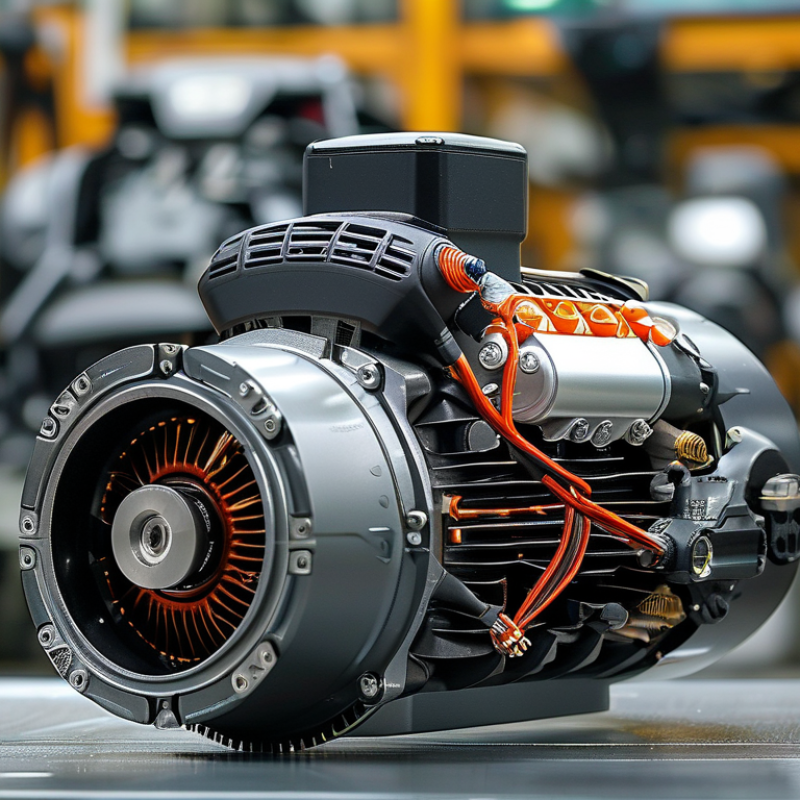
Advantages of Brushless DC Motors Over Traditional Motors
Brushless DC motors (BLDC) are gaining ground over traditional motors due to their efficiency and reliability. One significant advantage is their higher efficiency of around 85-90% compared to 70-80% for brushed motors. According to a report by the International Energy Agency (IEA), switching to brushless motors can reduce energy consumption by up to 30%. Less energy usage not only drives down operating costs but also reduces carbon footprints.
Another notable benefit is their longevity. BLDC motors typically last longer, often exceeding 20,000 hours of operation. In contrast, brushed motors usually fail after 1,000 to 3,000 hours due to friction and wear. The lack of brushes in BLDC motors minimizes maintenance. This can significantly impact budget planning, especially for industries relying on high operational hours.
Tip: When selecting a motor, consider the thermal performance of brushless models. They produce less heat, leading to better performance in demanding applications.
Tip: Pay attention to speed control capabilities. BLDC motors can achieve higher speeds with precision, making them ideal for applications that require torque at varying speeds.
Despite these advantages, they can present a higher initial investment. However, the total cost of ownership often favors brushless systems in the long run. The transition to brushless technology may seem daunting, yet the benefits are profound.
Enhanced Efficiency and Reduced Energy Consumption
Brushless DC motors are revolutionizing design and functionality across various industries. Their enhanced efficiency significantly contributes to reduced energy consumption. This efficiency stems from the absence of brushes, which typically create friction and energy loss in traditional motors. By minimizing these losses, brushless motors can operate smoother and with greater precision. This is particularly crucial in applications where performance and reliability are essential.
Moreover, these motors boast a longer lifespan compared to their brushed counterparts. Without brushes, wear and tear decrease, leading to lower maintenance costs. Global buyers are keen on investing in technologies that not only perform better but also facilitate sustainability. A reduced carbon footprint is a compelling benefit, especially in today's eco-conscious market. However, while the initial cost of brushless motors may be higher, the long-term savings in energy and maintenance often justify the expense.
Still, buyers should remain cautious. The integration of brushless motors may require advanced control systems. Manufacturers must consider the additional complexities that come with this technology. Not every application can fully leverage the benefits without proper planning. It’s crucial to evaluate whether these motors align with the specific operational needs. Balancing the potential drawbacks with the myriad advantages can lead to informed and strategic purchasing decisions.
Top 10 Benefits of Brushless DC Motors for Global Buyers
| Benefit |
Description |
Impact on Users |
| Enhanced Efficiency |
Brushless DC motors provide higher efficiency compared to traditional motors, converting more electrical energy into mechanical energy. |
Users experience reduced operational costs due to lower energy consumption. |
| Reduced Energy Consumption |
These motors consume less energy, which can lead to significant savings for users over time. |
Lower energy bills and a smaller carbon footprint for users. |
| Longer Lifespan |
Brushless motors have fewer moving parts, leading to less wear and tear. |
Reduced maintenance costs and longer replacement intervals for users. |
| Quieter Operation |
Brushless motors operate more quietly due to the absence of brushes. |
Improved working conditions, especially in noise-sensitive environments. |
| Higher Torque Density |
These motors provide higher torque in a smaller size compared to brushed motors. |
Greater design flexibility and space savings for users. |
| Improved Control |
Brushless motors can be easily controlled for speed and torque, allowing for better performance optimization. |
Enhanced product performance and user satisfaction. |
| Compact Size |
They are typically smaller and lighter than comparable brushed motors. |
Easier integration into tight spaces and reduced weight for portable devices. |
| Operational Flexibility |
They can operate under a wide range of conditions, making them versatile for various applications. |
Broad applicability across industries, increasing user options. |
| No Commutator Wear |
With no commutators, there's less maintenance needed over time. |
Cost savings on repairs and maintenance for users. |
| Better Performance Under Load |
Brushless motors maintain performance under varying loads better than brushed motors. |
Consistent performance and reliability for end users. |
Improved Durability and Longevity of Brushless DC Motors
Brushless DC motors are known for their impressive durability and longevity. These motors are designed without brushes, reducing wear over time. This unique design minimizes maintenance requirements, making them ideal for long-term use. Users often report extended service intervals, which is a significant advantage in various applications.
The materials used in construction also enhance durability. High-quality components resist degradation from heat and friction. This means brushless motors can operate efficiently even under strenuous conditions. In critical situations, where reliability is paramount, this benefit truly stands out. However, some users may find the initial cost higher compared to traditional motors.
While the lifespan is generally longer, it's important to consider potential electronic failures. These can occur due to thermal issues or power surges. Regular inspections and proper installation are essential to avoid unexpected downtimes. Overall, the benefits in durability often outweigh these concerns, leading to a more cost-effective solution in the long run.
Lower Maintenance Requirements and Cost Savings
Brushless DC motors are gaining popularity among global buyers for various reasons. One major advantage is their lower maintenance requirements. Unlike traditional motors, brushless models do not use brushes that wear out over time. This leads to less frequent replacement and repairs, ultimately reducing downtime in operations.
Cost savings are another significant benefit. Since brushless motors operate more efficiently, they consume less energy. This energy efficiency translates into lower electricity bills, making them cost-effective in the long run. Additionally, the reduction in maintenance and repair costs adds to overall savings. However, initial investment can be higher compared to brushed motors. Buyers must weigh long-term benefits against upfront costs.
Flexibility is crucial in many applications, and brushless DC motors excel here. They can adapt to varying speeds and loads easily. This versatility often results in improved performance in various devices, from electric vehicles to industrial machinery. Yet, users must consider that not all applications may benefit equally. Understanding the specific needs of each application is essential for making informed decisions.
Top 10 Benefits of Brushless DC Motors for Global Buyers
Versatility and Applications Across Various Industries
Brushless DC motors are becoming increasingly important in various industries. These motors offer benefits such as higher efficiency, longer lifespan, and reduced maintenance. Their versatility makes them suitable for applications like robotics, automotive systems, and HVAC. According to industry reports, the global brushless motor market is projected to grow from $18 billion in 2022 to over $30 billion by 2030. This growth reflects how essential these motors are across diverse fields.
In robotics, brushless motors enable precise control and high torque, crucial for automated tasks. The automotive industry leverages these motors for electric vehicles, providing better fuel efficiency and less noise. Data shows that electric vehicle sales surged by over 40% in the last year, driven by advancements in motor technology.
However, challenges remain. Manufacturers must consider the integration of these motors into existing systems. The complexity involved in the electronic control and higher initial costs can deter some buyers. Manufacturers need to ensure that training and support are available for users. While the innovation in brushless technology is promising, ongoing education about their capabilities and limitations is essential for potential buyers.
Conclusion
Brushless DC Motors are revolutionizing various industries due to their numerous benefits over traditional motors. One of the key advantages is their enhanced efficiency, which leads to significantly reduced energy consumption. This not only translates to lower operational costs but also promotes environmental sustainability. Additionally, Brushless DC Motors are designed for improved durability and longevity, resulting in a longer service life compared to conventional motor options.
Moreover, these motors require lower maintenance, providing considerable cost savings for businesses. Their versatility allows them to be applied across diverse sectors, from automotive to consumer electronics, making them an indispensable choice for global buyers. Overall, the adoption of Brushless DC Motors is a strategic move for any company looking to optimize performance and reliability while minimizing expenses.
 RadixPro
