What is an Electric Motor and How Does it Work?

Time:2026-08-30 Author:Henry
0%

Electric motors are vital components in modern technology. They convert electrical energy into mechanical energy. This process powers countless devices we use daily, from household appliances to industrial machines. Understanding how electric motors operate is essential for engineers and enthusiasts alike.

Electric motors work through electromagnetic principles. When electricity flows through coils in a magnetic field, motion is generated. This principle can seem straightforward, yet various factors affect efficiency and performance. Different designs cater to specific applications, highlighting the complexity behind seemingly simple devices.

Despite advancements, challenges remain in electric motors. Factors like heat generation and energy losses can influence their effectiveness. Engineers continuously seek improvements to overcome these hurdles. Overall, electric motors play an integral role in energy conversion, but their design and function warrant ongoing study and innovation.
What is an Electric Motor and How Does it Work?

What is an Electric Motor?

An electric motor is a device that converts electrical energy into mechanical energy. It operates on the principle of electromagnetism, where electric currents create magnetic fields. This interaction generates motion in the motor's rotor, allowing it to do work.

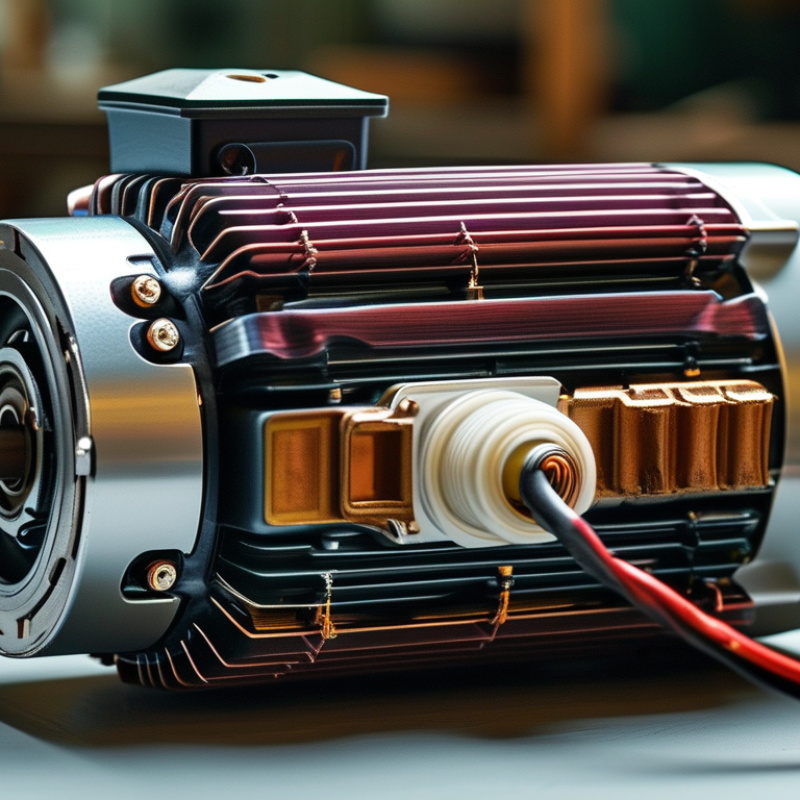
The main components of an electric motor include the stator, rotor, and commutator. The stator is the stationary part that produces a magnetic field. The rotor is the rotating part that turns inside this magnetic field. In many designs, a commutator helps maintain the rotation direction. Understanding these components is crucial for grasping how motors operate in various applications, from household appliances to industrial machinery.

While electric motors are highly efficient and reliable, they are not without flaws. Issues like overheating and wear can occur over time. Regular maintenance is essential to keep them running smoothly. Also, there are various types of electric motors, and each has its advantages and disadvantages. Selecting the right motor for a specific application requires careful consideration.

Basic Components of an Electric Motor

Electric motors are essential devices that convert electrical energy into mechanical energy. Understanding their basic components can help to highlight their functionality. The main parts include the rotor, stator, and commutator. The rotor rotates around the stator, which creates a magnetic field. This interaction generates motion, propelling various machines and appliances.

According to a report by the International Energy Agency, electric motors account for nearly 45% of global electricity consumption. This emphasizes their significance in both industry and daily life. The rotor is typically attached to a shaft, which drives connected loads. The efficiency of these motors is crucial. An inefficient motor can waste energy, leading to increased operational costs.

Another component, the commutator, is vital in converting alternating current to direct current in some motor types. It's worth noting that wear and tear on the commutator can impact performance. Over time, maintenance is necessary to keep the motor running smoothly. Despite advancements, issues like overheating still occur. Understanding these components is crucial for optimizing electric motor performance and enhancing energy efficiency in various applications.

How Electric Motors Convert Electrical Energy to Mechanical Energy

Electric motors play a crucial role in converting electrical energy into mechanical energy. They operate on the principle of electromagnetic induction. This process involves a rotating magnetic field that interacts with conductors. The National Renewable Energy Laboratory states that electric motors convert over 90% of electrical energy into mechanical motion. This high efficiency underlines their importance in industrial applications.

The internal structure of an electric motor includes a stator and a rotor. The stator generates a magnetic field, while the rotor moves within this field. As current passes through the windings, the rotor spins. This process offers various benefits, such as reduced energy costs. A report by the Department of Energy highlights that efficient electric motors can lower energy consumption by up to 20%.

Despite their advantages, electric motors are not without challenges. Factors such as heat generation and wear can affect performance. Monitoring these issues is critical for optimizing motor function. Additionally, the shift towards renewable energy sources raises questions about sustainability and efficiency in motor applications. As industries evolve, understanding these dynamics becomes increasingly necessary for enhancing overall operational efficiency.

Understanding Electric Motor Performance

This chart illustrates the relationship between electric motor efficiency and various load conditions. The efficiency varies as the load (from 0% to 100%) increases, showcasing how electric motors convert electrical energy into mechanical energy.

Types of Electric Motors and Their Applications

Electric motors come in various types, each serving unique applications. The most common types are AC motors, DC motors, and stepper motors. AC motors are prevalent in industrial settings. They power conveyor belts and pumps. Around 70% of industrial motors are AC types, showcasing their significance. DC motors are favored in precise applications. They are often found in robotics and electric vehicles. These motors provide smooth speed control.

Stepper motors stand out in applications needing precise positioning. They are critical in 3D printers and CNC machines. According to market reports, the global stepper motor market is projected to grow by 7% annually. This growth reflects the rising demand for automation and precision engineering. However, stepper motors may face limitations in high-speed operations. Understanding these nuances helps manufacturers make informed decisions on motor selection.

Choosing the right motor impacts efficiency and performance. Users must consider torque, speed, and application requirements. A mismatch may lead to energy waste. For example, using a high-torque motor in a low-torque task can cause overheating. Continuous learning about motor technologies enhances application performance. Industry professionals emphasize the need for ongoing training. This ensures optimal use of electric motors in evolving applications.

Understanding Electric Motor Efficiency and Performance

Electric motors are essential in various applications, from household appliances to industrial machinery. Understanding their efficiency is crucial for maximizing performance. Research indicates that high-efficiency electric motors can achieve efficiencies of up to 95%. This efficiency not only reduces electricity consumption but also lowers operational costs.

The United States Department of Energy has reported that replacing older motors with modern, efficient ones can save businesses significantly. They estimate that improvements can lead to energy savings of 20% to 50%. However, not all motors perform equally under varying loads. Some motors may experience inefficiencies when not operating at their rated capacity. This disparity requires careful selection and application of electric motors for different tasks.

Moreover, environmental factors can also affect performance. Ambient temperature and humidity can influence motor efficiency. Understanding these variables is key for engineers and operators alike. Continuous monitoring and assessment are necessary to maintain optimal performance, ensuring that electric motors work effectively in real-world conditions.

What is an Electric Motor and How Does it Work? - Understanding Electric Motor Efficiency and Performance

Motor Type Efficiency (%) Power Rating (kW) Applications
AC Induction Motor 85-95 0.5 - 500 Fans, Pumps, Compressors
Brushless DC Motor 90-98 1 - 100 Electric Vehicles, Robotics
Stepper Motor 70-85 0.001 - 5 3D Printers, CNC Machines
Synchronous Motor 85-95 1 - 500 Large Pumps, Conveyors

FAQS

: What are the main components of an electric motor?

: The main components include the rotor, stator, and commutator. Each plays a crucial role in converting energy.

What does the rotor do?

The rotor rotates around the stator, creating a magnetic field that produces motion. It is connected to a shaft.

Why is motor efficiency important?

Efficient motors save energy, reducing operational costs. Inefficient motors can lead to significant waste over time.

What functions does the commutator serve?

The commutator converts alternating current to direct current in some motors. Wear on it can affect overall performance.

What types of electric motors exist?

Common types are AC motors, DC motors, and stepper motors. Each type serves different applications depending on needs.

Where are AC motors typically used?

AC motors are widely used in industrial settings. They power machines like conveyor belts and pumps effectively.

What applications utilize stepper motors?

Stepper motors are critical for precise tasks like 3D printing and CNC machining. They excel in positioning applications.

Why is matching motor types to applications important?

Mismatched motors can waste energy. For instance, using a high-torque motor for low-torque tasks may cause overheating.

How can ongoing training benefit motor use?

Continuous learning helps industry professionals stay updated on technologies. This ensures optimal motor selection and application.

What challenges do stepper motors face?

They may struggle with high-speed operations. Consider this when choosing components for projects requiring speed and precision.

Conclusion

Electric motors are devices that convert electrical energy into mechanical energy through electromagnetic principles. Comprised of essential components such as stators, rotors, and windings, these motors utilize the interaction between magnetic fields and electric current to produce motion. Understanding how electric motors function allows us to appreciate their efficiency and performance, which is crucial for various applications, from household appliances to industrial machinery.

There are several types of electric motors, each suited for specific tasks and environments. Whether they are used in electric vehicles, HVAC systems, or robotics, the versatility of electric motors demonstrates their importance in modern technology. Additionally, analyzing electric motor efficiency is vital for optimizing performance and reducing energy consumption, contributing to sustainable practices in various industries.

Henry

Henry

Henry is a dedicated marketing professional with a profound expertise in the company's offerings. With years of experience in the industry, he possesses an impressive understanding of the market dynamics and consumer behaviors that drive success. Henry is committed to sharing his insights through......