RadixPro
Planetary gear motors are essential components in various industries, delivering precision and reliability. According to Dr. Emily Carter, a prominent expert in the field, "The efficiency of a planetary gear motor lies in its unique design and multipurpose functionality." This quote encapsulates the core value of these motors.
A planetary gear motor consists of a central sun gear, surrounded by multiple planet gears and an outer ring. This arrangement provides high torque within a compact size. Its design minimizes backlash and enhances load distribution. Industries rely heavily on these motors in applications requiring smooth operation and durability.
Despite their advantages, choosing the right planetary gear motor can be challenging. Users must consider factors like load capacity, speed, and space constraints. The wrong choice could lead to decreased efficiency and increased wear over time. Ensuring optimal performance requires thoughtful selection and sometimes, expert guidance.
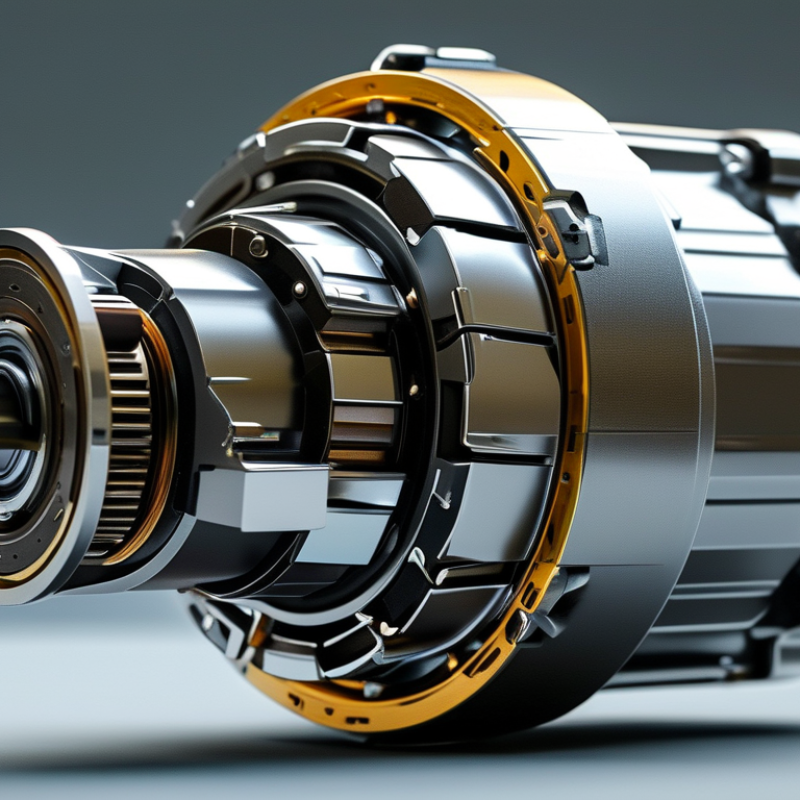
A planetary gear motor combines a motor with a gear system. Its design includes several gears rotating around a central sun gear. This structure provides high torque and compact size. The planetary arrangement allows for efficient power transmission. It is widely used in robotics, automotive applications, and industrial machinery.
Understanding how these motors work is crucial. The sun gear drives the surrounding planet gears. These gears then rotate within a stationary outer ring. This configuration leads to a reduction in speed while increasing torque. The simplicity of the design often leads to greater reliability. However, achieving the ideal balance of speed and torque can be challenging.
Planetary gear motors may appear straightforward, yet their performance depends on precise engineering. Even small variations in gear size or alignment can affect performance. Users may need to experiment with different configurations to find what works best. Regular maintenance is essential to ensure longevity. Misalignment can lead to unnecessary wear and tear.
| Dimension | Value |
|---|---|
| Gear Type | Planetary Gears |
| Motor Type | DC Motor |
| Output Torque | 20 Nm |
| Output Speed | 200 RPM |
| Efficiency | 85% |
| Gear Ratio | 1:10 |
| Weight | 1.5 kg |
| Temperature Range | -20°C to 60°C |
A planetary gear motor consists of several key components that work together to convert motor speed into torque effectively. The central element is the sun gear, which rotates and drives the entire system. Surrounding this gear are multiple planet gears that revolve around it. This arrangement allows for a high reduction ratio and efficiency. The outer ring, or annulus, holds the planet gears in place, enabling smooth operation.
The unique design of a planetary gear motor provides stability and strength. For instance, the distribution of loads across multiple planet gears minimizes wear and tear. This distribution enhances the lifespan of the motor, though it's crucial to note that frequent overloading can cause premature failures. Each component must be precisely engineered.
In a practical setting, assembly quality can affect performance. If gears are misaligned, efficiency drops. Regular maintenance is essential to ensure that all components function properly. Overall, while planetary gear motors are robust and effective, they require careful consideration during design and implementation to avoid operational challenges.
Planetary gear motors are critical in various applications, showcasing their efficiency and robustness. These motors consist of a central sun gear, planet gears, and a ring gear. The unique arrangement allows for high torque output in a compact design. According to a report by MarketsandMarkets, the planetary gear market is projected to reach $3.5 billion by 2026, driven by the demand in automation and robotics.
The operation relies on the interaction of these gears. When the sun gear turns, the planet gears rotate around it, also turning the ring gear. This system provides mechanical advantage, resulting in a greater torque output. The average gear reduction ratio in planetary gear motors can vary significantly, typically ranging from 3:1 to 100:1. This range enables precise control of speed and torque in motion systems, which is valuable in manufacturing processes.
However, it's essential to recognize that not all applications will benefit equally from planetary gear motors. Factors such as load capacity and speed requirements need careful consideration. Industrial applications often face challenges related to efficiency and heat generation. Continuous improvement and innovation in materials and design are essential for overcoming these obstacles. Engineers must frequently assess the specific needs of their projects and explore alternatives when necessary.
Planetary gear motors are essential in various applications due to their unique construction and efficiency. One significant advantage is their compact size combined with high torque capabilities. In fact, a study by the International Journal of Advanced Manufacturing Technology reported that planetary gear systems can deliver torque conversions up to 95% efficiency. This makes them ideal for robotics, automotive industries, and conveyor systems.
The design of planetary gear motors provides excellent load distribution. The gears are arranged in a way that shares the load across multiple pinions, allowing for greater reliability and reduced wear over time. Users often experience less noise and vibration, enhancing operational longevity. According to a Gear Technology report, systems incorporating planetary gear motors can experience a lifespan increase of 30% to 50% compared to traditional gear systems.
Tips: Regular maintenance is crucial. Check lubrication levels often to prevent overheating. Consider environmental factors. Extreme temperatures can affect performance. A slight adjustment in design might be necessary for specific applications.
Planetary gear motors are widely used in various industries due to their compact design and efficiency. One common application is in robotics. These motors provide precise control and high torque in a small package. For example, robotic arms rely on these motors to perform complex tasks with accuracy. The design allows for smooth operation, essential for intricate movements.
Another significant use is in electric vehicles. Planetary gear motors help convert power from batteries into effective motion. Their efficiency contributes to longer battery life and better performance. In elevators, these motors support reliable movement between floors. The robustness of planetary gears ensures safety and durability.
While these motors offer many advantages, challenges exist. For instance, heat generation can affect performance. Users must consider this aspect in their designs. Maintenance is also crucial for optimal function. Regular checks can help identify issues before they become significant problems. Balancing efficiency and longevity requires thoughtful planning.
: They consist of a sun gear, planet gears, and a ring gear for efficient torque output.
The sun gear turns, causing the planet gears to rotate and subsequently turning the ring gear.
They are compact, efficient, and can deliver high torque with reduced noise and vibration.
They can achieve up to 95% efficiency in torque conversions according to studies.
They are used in robotics, electric vehicles, and elevators due to their precise control and durability.
Issues like heat generation during operation and the need for regular maintenance can impact performance.
Extreme temperatures may influence their performance, requiring design adjustments for specific applications.
It ensures optimal functioning and helps identify potential issues before they escalate into major problems.
Load capacity and speed requirements need careful assessment for best results in projects.
Insufficient lubrication can lead to overheating and reduced lifespan of the motors.
A Planetary Gear Motor is a specialized type of gear motor that combines a gear system with a motor to provide high torque and precise control in compact designs. It comprises essential components such as a sun gear, planet gears, and a ring gear, which work together to achieve the desired speed reduction and increase torque. The operation of planetary gear motors relies on the unique arrangement of these gears, allowing for multiple gear reductions within a single housing and contributing to their efficiency and compactness.
The advantages of using planetary gear motors include their ability to deliver high torque output while maintaining a relatively small footprint, as well as their smooth and consistent power transmission. These features make them suitable for a wide range of applications, from robotics and automation to industrial machinery and automotive systems. Overall, planetary gear motors are crucial in scenarios where space is limited but high performance is required.
