RadixPro
Buying Smart Motors for an international project involves more than comparing prices and rated power. A motor that performs well on a factory floor may not suit a humid warehouse, a dusty processing line, or equipment that starts and stops all day. Global buyers must compare operating conditions, supply requirements, controls, and after-sales support before placing an order.
Small details matter. A nameplate showing voltage and frequency is only a starting point. Check rated speed, torque, duty cycle, enclosure protection, insulation class, and efficiency data against the actual application. Confirm that the motor works with the intended drive or controller, especially when variable-speed operation is planned. Ask for drawings, test records, warranty terms, and clear documentation in a format your engineering team can review. A polished datasheet can still leave one important question unanswered.
The ten buying tips in this guide offer a practical framework for evaluating suppliers and specifications. They also highlight details that are easy to overlook, such as shipping protection, spare-part access, and response times across time zones. Requirements differ by market and installation, so verify applicable certification and import documentation with qualified local contacts. Do not assume that one supplier’s standard configuration fits every region. Comparing offers takes time, and some specifications may remain uncertain until the application is fully defined. That is worth admitting. A careful shortlist, direct technical questions, and a realistic total-cost estimate can help buyers choose a Smart Motors solution with fewer surprises after delivery.
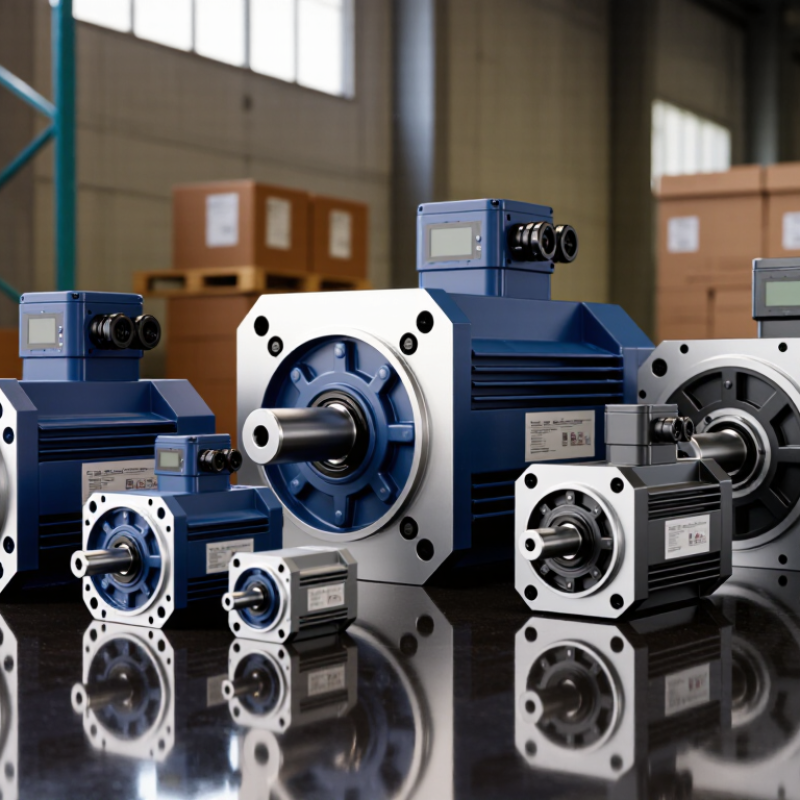
Smart motors combine motion hardware with electronics that can monitor speed, position, temperature, or load. Some include drives and communication interfaces inside the motor; others connect to a separate controller. Check what is actually integrated before comparing models. That matters. The term “smart motor” is used differently across suppliers.
Servo motors suit applications needing precise position and rapid changes, such as robotic joints or pick-and-place machines. Stepper motors can provide controlled movement at lower speeds, often in small indexing systems. Brushless DC motors are common where compact size and efficient speed control matter, including fans and automated equipment. Induction motor systems paired with variable-frequency drives can handle pumps, conveyors, and mixers. They are often practical for steady industrial duty, though their feedback and control features depend on the drive setup.
Match the motor to the real load, not just its rated power. A conveyor carrying uneven cartons may need high starting torque, while a pump may need smooth speed adjustment. Check duty cycle, peak torque, encoder resolution, enclosure rating, and the plant’s communication protocol. In dusty or wet areas, confirm the protection rating and cooling method. A small frame can simplify installation, but leave room for heat dissipation and cable access. Smart features can help maintenance teams spot rising temperatures or abnormal vibration. They cannot fix poor installation, and extra data may go unused if nobody reviews it.
Match motor performance to the machine’s real load, not just its nameplate power. Record the required torque, speed range, starts per hour, and daily duty cycle. A conveyor carrying uneven loads needs different torque behavior from a fan running steadily. Check the supply voltage and frequency, too; a mismatch can affect speed, heating, and performance.
The International Energy Agency’s 2011 report, Energy-Efficiency Policy Opportunities for Electric Motor-Driven Systems, estimated that these systems used 43–46% of global electricity. That figure makes efficiency worth checking, but efficiency alone is not a complete selection rule. Compare efficiency at the loads you expect, and verify the motor’s duty rating, cooling method, and protection against dust or moisture. A neat spreadsheet may still miss a hot enclosure or frequent start-up.
Tip: Ask suppliers for performance curves at your actual operating points. Check whether the motor can deliver peak torque without overheating, then compare expected energy use across its speed range. Leave a practical margin for load variation, but avoid oversizing by habit. It can reduce efficiency at normal load. Before ordering, confirm mounting dimensions, shaft details, and maintenance access; these small fit issues are easy to overlook.
| # | Buying Tip | Operating Requirement | Motor Specifications to Check | Practical Verification |
|---|---|---|---|---|
| 1 | Match rated power to the actual load. | The motor must run the driven equipment continuously without being unnecessarily oversized. | Rated output power in kW or hp; rated speed; duty rating; service factor, where applicable. | Use the equipment load profile and engineering calculations to confirm the required shaft power. Allow for starting and process peaks without treating them as continuous load. |
| 2 | Check torque across the full speed range. | Loads such as conveyors, mixers, and compressors may need high starting torque or steady torque at low speed. | Starting torque, breakdown torque, rated torque, and the torque-speed curve. | Compare the motor curve with the driven-machine load curve, especially at startup and at the lowest operating speed. |
| 3 | Confirm the supply voltage and frequency. | The motor must be compatible with the electrical supply available at the installation site. | Rated voltage, frequency (Hz), phase, winding connection, and permitted voltage variation. | Check the site supply and local electrical requirements. For variable-frequency operation, confirm the motor and drive are compatible. |
| 4 | Select the right speed-control arrangement. | The process may require fixed speed, adjustable speed, accurate positioning, or coordinated control. | Direct-on-line or inverter operation; speed range; encoder or feedback requirements; control interface. | Specify the operating speed range and required control accuracy. Confirm low-speed cooling and torque performance when using a variable-frequency drive. |
| 5 | Choose an efficiency level suited to operating hours. | Long operating hours can make energy consumption a major part of lifecycle cost. | Rated efficiency, applicable efficiency class, power rating, and efficiency at expected load. | Compare efficiency data at the anticipated operating point, not only at full load. Check which efficiency rules apply in the destination market. |
| 6 | Size the motor for starts and load cycles. | Frequent starts, reversals, or intermittent operation can increase thermal stress. | Duty type, allowable starts per hour, starting current, acceleration time, and thermal limits. | Provide the supplier with the start frequency, load inertia, and operating cycle. Confirm that the motor and starter or drive can handle the required duty. |
| 7 | Match enclosure and ingress protection to the environment. | Dust, water, washdown, and outdoor exposure affect motor reliability. | Enclosure type, IP rating, cooling method, and any stated environmental limits. | Assess exposure at the installation point. Select protection for the actual hazards; an IP rating alone does not establish suitability for every chemical or outdoor condition. |
| 8 | Check insulation and temperature limits. | High ambient temperature, altitude, or frequent inverter operation may reduce thermal margin. | Insulation system, temperature-rise data, ambient-temperature range, altitude limits, and inverter-duty provisions. | Share site temperature, elevation, and drive details. Confirm whether output derating or additional cooling is required. |
| 9 | Verify mounting, shaft, and connection dimensions. | The motor must fit the machine and transmit load correctly. | Mounting arrangement, frame size, shaft diameter and key, terminal-box position, and coupling requirements. | Compare certified dimensional drawings with the existing base, coupling, and installation space before ordering. |
| 10 | Review documentation, protection, and service support. | Safe installation and long-term maintenance require suitable records and accessible replacement parts. | Wiring diagrams, nameplate data, applicable conformity documents, bearing information, and spare-parts availability. | Confirm documentation and service arrangements for the destination country, and keep the nameplate and technical data with the equipment records. |
When comparing smart motors, look beyond the advertised control features. Confirm whether the drive supports the control mode your equipment needs, such as speed, torque, or position control. Check the feedback devices, too. An encoder may provide useful precision, but your controller must be able to read its signal. During commissioning, mismatched signal types can turn a simple setup into hours of troubleshooting.
Connectivity matters only when it works with your existing network and software. Ask for the communication protocol, connector details, update process, and available diagnostic data. Then map how the motor will exchange commands and status information with the controller, sensors, and monitoring system. A compact wiring diagram can expose missing interfaces early. In practice, a promising specification sheet does not guarantee smooth integration; installation conditions can complicate things.
Tips: Request a sample configuration file and test it with your controller before ordering multiple units. Verify cable lengths, mounting space, and response times under realistic loads. Small details matter. Keep one integration question open: what happens if communication drops? A clear fallback behavior may be more valuable than an extra feature you never use.
A motor that runs smoothly on a factory floor may still be unsuitable for an overseas installation. Confirm the destination market’s conformity marks and technical requirements before ordering. Ask for current test reports, declarations, and certificates tied to the exact model; a logo on a brochure is not enough. Requirements can differ by voltage, frequency, motor type, and intended use. Check the paperwork.
Review safety details against the actual operating environment. Match the ingress-protection rating to dust or washdown exposure, and verify insulation class, temperature rise, overload protection, and grounding instructions. For hazardous locations, choose equipment approved for that specific use and confirm local acceptance. Keep manuals and wiring diagrams in the required language. Details matter.
Efficiency claims need context. Compare efficiency at the expected load, not only at full load, and consider annual operating hours and electricity costs. A variable-speed drive may reduce consumption in some applications, but poor sizing or setup can erase the gain. Request test conditions and efficiency data for the exact motor configuration. A high efficiency figure can still mislead when the duty cycle is mismatched. That deserves a second look. Have a qualified local engineer review the motor, controls, and installation documents before shipment.
Compare smart motor suppliers on verified performance, not brochure adjectives. Request efficiency curves, rated duty, insulation class, protection rating, and test conditions for the exact configuration. The International Energy Agency’s 2011 report, Energy-Efficiency Policy Opportunities for Electric Motor-Driven Systems, estimated that motor systems use about 46% of global electricity. That scale makes small efficiency differences worth checking against real operating hours and load profiles. A spreadsheet can still mislead when duty cycles are guessed.
Price the full ownership period. Include the motor, drive, installation, commissioning, energy, scheduled maintenance, and likely downtime. The U.S. Department of Energy’s 2014 Improving Motor and Drive System Performance sourcebook highlights the major role of motor-driven systems in industrial electricity use. Ask each supplier to state assumptions behind projected savings, then compare them using the same tariff and annual hours.
Request warranty terms, spare-parts availability, repair locations, and technical response times in writing. A low quote can still be the wrong buy. Confirm whether firmware updates, diagnostic tools, and replacement units remain available several years later.
Small details matter. A five-year warranty has limited value if repairs require long overseas shipping. I would also leave room for uncertainty: actual savings can fall short when a process changes or a motor runs far below its intended load.
Record required torque, speed range, starts per hour, and daily duty cycle. A loaded conveyor differs from a steady fan. Keep load variation in view.
No. Match performance to the machine’s actual load. Leave a practical margin, but avoid habitual oversizing; normal-load efficiency may suffer.
Compare efficiency at expected operating loads, not only at full load. Include annual running hours and electricity costs. Ask for test conditions. Numbers need context.
Check control mode, feedback signals, communication protocol, connectors, and update process. Confirm your controller can read the encoder signal. Test before ordering multiple units.
A sample configuration can reveal interface gaps early. Map commands and status data between the motor, controller, sensors, and monitoring system. Small details matter.
Confirm the drive’s fallback behavior before installation. Decide how the machine should respond when commands stop. This can matter more than an unused feature.
Request current reports, declarations, and certificates for the exact model. Check regional requirements, voltage, frequency, ingress protection, insulation, overload protection, and grounding. Check the paperwork.
Verify mounting dimensions, shaft details, cable lengths, cooling, and maintenance access. Have a qualified local engineer review the documents and installation. A spreadsheet can miss a hot enclosure.
Choosing Smart Motors for global industrial operations requires more than comparing prices. Buyers should first understand the available motor types and how each suits its intended application, then match performance specifications—such as output, speed, torque, and duty requirements—to actual operating conditions. Evaluating control systems, connectivity, and integration needs can also help ensure a motor works smoothly with existing equipment and supports future upgrades.
Before purchasing, verify that the motor meets relevant safety and energy-efficiency requirements for its destination market. Compare suppliers not only on upfront cost but also on installation, maintenance, expected service life, and the availability of technical support and replacement parts. A careful assessment of these factors can help buyers select a reliable solution that fits operational goals, regional requirements, and long-term budgets.
