Who Are the Top 10 Synchronous Motor Suppliers in China?

Time:2026-11-25 Author:Charlotte
0%

Synchronous Motors remain essential in applications that demand steady speed, precise control, and dependable operation. In China, suppliers serve industries ranging from mining and metallurgy to water treatment and manufacturing. Their products may look similar on a specification sheet. The differences often emerge in winding design, cooling arrangements, commissioning support, and delivery consistency.

This guide examines ten notable synchronous motor suppliers in China. It considers practical factors buyers can verify: rated power and voltage, starting method, insulation class, protection rating, customization capability, and service coverage. A motor intended for a dusty plant floor, for example, may need a different enclosure and cooling setup from one installed in a clean indoor facility. Small details matter.

Rankings can be useful, but they are not universal. A supplier that suits a large steelworks may not fit a smaller water project. That sounds simple. It is not. Company capabilities, product ranges, and export support can change, so readers should confirm current specifications directly with each manufacturer. Reviewing test reports, checking references, and discussing spare-parts availability can reveal issues that brochures miss. This overview offers a starting point, not a substitute for technical due diligence. Some information may also be difficult to compare across companies. That limitation deserves attention. Done carefully, the shortlist can help engineers and procurement teams ask better questions before requesting quotations or planning a factory visit.
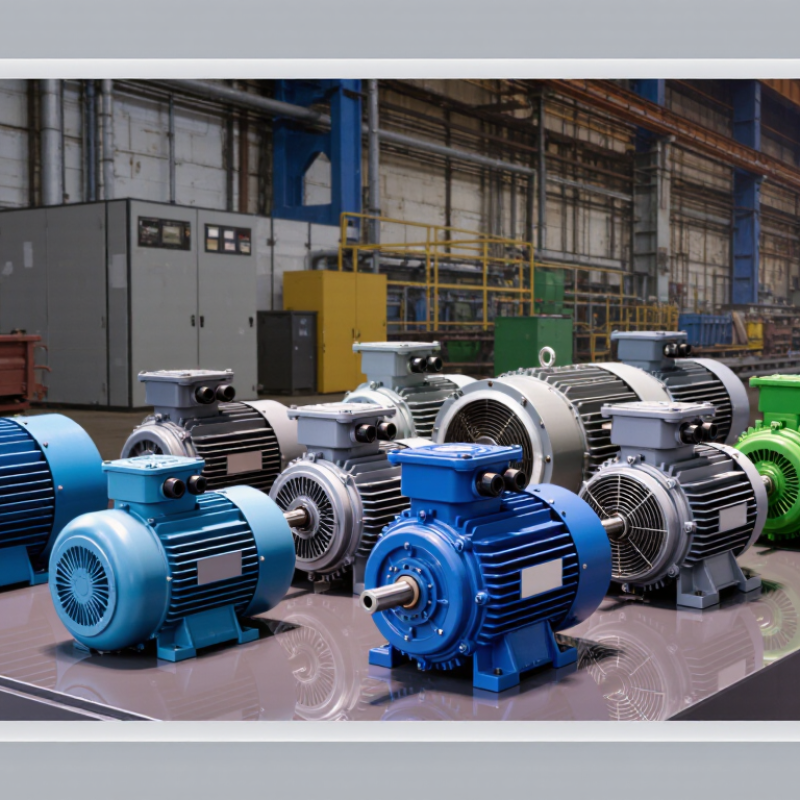
Who Are the Top 10 Synchronous Motor Suppliers in China?

What Is a Synchronous Motor and How Does It Work?

Who Are the Top 10 Synchronous Motor Suppliers in China?

What Is a Synchronous Motor and How Does It Work?

A synchronous motor converts electrical energy into steady rotational motion. Its rotor turns at the same speed as the rotating magnetic field produced by the stator. That fixed relationship is called synchronous speed. For a 50 Hz supply, a four-pole motor runs at 1,500 revolutions per minute when operating in synchronism.

Inside the motor, alternating current in the stator creates a rotating magnetic field. The rotor develops its own magnetic field, often through permanent magnets or an excited winding. Once synchronized, the two fields lock together and rotate in step. This makes the motor useful where precise speed matters, such as in compressors, pumps, and production lines. Starting can require a drive or a separate starting method. Details vary by design, so check the motor’s nameplate and technical documentation. A motor may lose synchronism if overloaded. That practical limitation is easy to overlook.

Tips: Match the motor’s rated speed, voltage, and torque to the application. Ask how it starts and what control equipment it needs. During installation, verify alignment and cooling clearances; a few millimeters can matter. Check operating conditions, too. A quiet motor is not automatically a correctly sized one.

Who Are the Top 10 Synchronous Motor Suppliers in China? What Is a Synchronous Motor and How Does It Work?

Synchronous Speed by Number of Poles

A synchronous motor’s rotor turns in step with the rotating magnetic field produced by its stator. Its synchronous speed depends on the supply frequency and the number of poles: speed in revolutions per minute equals 120 times frequency in hertz divided by the number of poles. The chart shows calculated speeds; actual operating speed can vary slightly with the power system frequency.

How Is China's Synchronous Motor Industry Structured?

China’s synchronous motor industry is best understood as a layered supply chain, not a simple ranking of manufacturers. Upstream suppliers provide electrical steel, copper wire, insulation, bearings, and power electronics. Motor makers turn these inputs into machines for compressors, pumps, mills, and other steady-load applications. Some also provide excitation systems, commissioning, and maintenance; smaller firms may focus on custom builds or components.

Demand is shaped by energy use and operating conditions. The International Energy Agency’s 2011 report, Energy-Efficiency Policy Opportunities for Electric Motor-Driven Systems, estimates that motor-driven systems use about 45% of global electricity. This figure covers motor systems broadly, not synchronous motors alone. In China, suppliers therefore compete through efficiency, power rating, reliability, and service access—not just unit price. Public data rarely separates synchronous motor sales from the wider motor market, so precise supplier-share claims deserve caution. The industry is more varied than a neat top-ten list suggests.

Tips: Check rated speed, starting method, excitation needs, and service response together. Ask for test records under comparable loads. A low purchase price can hide longer commissioning or maintenance needs. And specifications still do not tell the whole story.

Who Are the Top 10 Synchronous Motor Suppliers in China?

A reliable answer to “Who are the top 10 synchronous motor suppliers in China?” depends on what “top” means. Public sources do not provide a single, independently verified ranking that compares every supplier on output, efficiency, delivery, and service. A list based only on sales may overlook technical support. That matters.

The International Energy Agency’s report Energy-Efficiency Policy Opportunities for Electric Motor-Driven Systems estimates that motor-driven systems use about 45% of global electricity. This makes motor selection an operational decision, not just a purchasing exercise. For Chinese suppliers, buyers can compare rated power, voltage, speed control, starting method, efficiency data, and documented test results. Ask for references from installations with similar loads, such as pumps, compressors, or mill drives.

A practical shortlist of ten should also check factory testing, spare-parts availability, and response times for commissioning support. Request efficiency and temperature-rise records for the exact motor configuration; catalogue figures alone may not reflect site conditions. The ranking can still be imperfect: public information rarely measures after-sales performance consistently. A supplier visit and a review of real operating data can reveal more than a polished brochure.

How Do China's Leading Suppliers Compare in Products and Capabilities?

China’s leading synchronous motor suppliers differ less by catalog size than by engineering depth. Some focus on standard low- and medium-voltage machines, while others build high-speed, large-frame, or custom units. Look closely. Compare rated output, voltage range, cooling method, insulation class, and starting approach against the actual duty cycle. A motor intended for a steady pump load may not suit a compressor with frequent starts. That distinction is easy to miss in a brochure.

Supplier capability also appears in drawings, test records, and response quality. Ask whether routine tests cover winding resistance, vibration, temperature rise, and efficiency, and request sample reports. For unusual installations, check shaft dimensions, bearing arrangements, enclosure protection, and coupling tolerances before comparing prices. Some suppliers adapt designs quickly; others offer stronger process consistency on repeat orders. Neither advantage is automatic. Factory visits or independent inspections can clarify gaps, though they add time and cost. Any shortlist retains some uncertainty: published data rarely shows how a supplier handles a late specification change.

What Factors Matter When Choosing a Chinese Synchronous Motor Supplier?

Choosing a Chinese synchronous motor supplier starts with the duty cycle, not the catalogue. Record rated power, speed, voltage, starting method, load profile, and required operating hours. Then ask for test results at the actual operating point. A motor that performs well on a nameplate may behave differently under frequent starts or fluctuating loads. Small details matter.

Efficiency deserves close scrutiny. The International Energy Agency’s 2011 report, Energy-Efficiency Policy Opportunities for Electric Motor-Driven Systems, estimates that motor-driven systems consume about 46% of global electricity. That figure covers many motor types, not synchronous motors alone, but it shows why efficiency claims need evidence. Request test conditions, measurement methods, and efficiency data across relevant loads. Ask whether the supplier can provide temperature-rise, vibration, and insulation test records. Ask for evidence.

Also check manufacturing consistency and service capability. Review quality-control procedures, production traceability, spare-parts availability, and response times for technical questions. For a custom shaft or mounting arrangement, confirm tolerances with a drawing before ordering. A sample inspection can reveal finish or fit issues that a brochure will not. I would still leave room for judgment: polished documents do not guarantee smooth commissioning. Compare several suppliers using the same specification, and record any unanswered questions before choosing.

Who Are the Top 10 Synchronous Motor Suppliers in China? - What Factors Matter When Choosing a Chinese Synchronous Motor Supplier?

Supplier Evaluation Matrix — compare suppliers using documented, application-specific evidence rather than an unverified ranking.

No. Selection Factor What to Compare Evidence to Request Suggested Weight
1 Motor type and application fit Whether the supplier offers the required synchronous technology, such as permanent-magnet or synchronous-reluctance designs, for the load and drive system. Motor datasheets, operating curves, application references, and confirmation of compatibility with the intended inverter or control system. 15%
2 Rated performance and efficiency Rated output, speed, torque, power factor, efficiency, duty rating, and performance across the actual operating range. Test reports identifying the tested model, test conditions, measurement method, and applicable standards. 14%
3 Engineering and customization capability Ability to adapt mounting, shaft, voltage, cooling, enclosure, sensors, and other specifications without compromising performance or reliability. Technical proposal, interface drawings, design-change process, and sample or prototype validation plan. 12%
4 Quality management and production control Documented inspection procedures, traceability, process controls, and handling of nonconforming products. Current quality-system certificates, audit records where available, inspection plans, and sample production records. 12%
5 Testing and validation Availability of routine and type tests relevant to the motor design, operating conditions, and buyer’s acceptance requirements. Test capabilities, calibrated-instrument records, sample test reports, and a written factory-acceptance test procedure. 11%
6 Materials and component control Control of critical materials and components, including laminations, windings, bearings, insulation, and permanent magnets where applicable. Material specifications, incoming-inspection procedures, supplier traceability, and change-notification terms. 10%
7 Reliability and serviceability Expected service conditions, bearing and insulation considerations, maintenance needs, spare-parts availability, and repair support. Warranty terms, maintenance instructions, failure-analysis process, and documented service or spare-parts arrangements. 9%
8 Delivery and capacity planning Quoted lead time, production scheduling, capacity for the required order volume, and contingency planning for delays. Written production schedule, order milestones, capacity confirmation, and agreed delay-notification procedures. 7%
9 Compliance and export documentation Whether the specific motor configuration meets the destination market’s applicable safety, efficiency, and documentation requirements. Certificates and declarations applicable to the exact model, nameplate data, manuals, and export documentation samples. 6%
10 Total cost and commercial terms Quoted price alongside tooling, packaging, shipping, payment terms, warranty coverage, and expected lifecycle costs. Itemized quotation, commercial terms, Incoterms, warranty policy, and a clear statement of exclusions. 4%

Scoring note: The weights are a suggested evaluation framework, not measured supplier rankings. Validate claims against the exact motor model, configuration, and purchase requirements.

FAQS

What does China’s synchronous motor industry supply chain look like?

It includes suppliers of electrical steel, copper wire, insulation, bearings, and power electronics. Motor makers build machines for compressors, pumps, and mills. Some also provide commissioning and maintenance.

Which applications commonly use synchronous motors?

They serve steady-load applications, including pumps, compressors, and mills. The right choice depends on operating conditions and the required power rating.

What details should I check before choosing a motor?

Record rated power, speed, voltage, starting method, load profile, and operating hours. Check excitation needs too. Small details matter.

How can I assess a motor’s efficiency claims?

Request test results for the actual operating point. Ask for measurement methods and data across relevant loads. Claims need evidence.

What test records should I request?

Ask for temperature-rise, vibration, and insulation test records. Compare results under similar conditions. A nameplate alone is not enough.

How should I evaluate supplier quality and service?

Review quality-control procedures, production traceability, spare-parts availability, and technical response times. Confirm who supports commissioning and maintenance.

What should I do when ordering a custom motor?

Confirm shaft and mounting dimensions on a drawing before ordering. A sample inspection can reveal fit or finish issues. I would still leave room for judgment.

What does motor energy use tell me about this market?

Estimates put motor-driven systems at roughly 45–46% of global electricity use. This covers many motor types, not synchronous motors alone. Supplier market-share data can also be limited.

Conclusion

This article introduces Synchronous Motors, explaining how they operate by maintaining a steady relationship between the motor’s rotation and the power supply’s frequency. It then explores the structure of China’s synchronous motor industry, including the different types of manufacturers and the range of applications they serve, from industrial equipment to energy systems.

The article also outlines ten leading supplier profiles without focusing on brand names, comparing their product ranges, engineering capabilities, customization options, and service support. It concludes with practical considerations for evaluating a Chinese supplier, such as motor specifications, efficiency, quality control, production capacity, technical communication, delivery arrangements, and after-sales assistance. Together, these topics offer a clear starting point for understanding the market and identifying a supplier suited to a project’s requirements.

Charlotte

Charlotte

Charlotte is a seasoned marketing professional with a deep understanding of the company's portfolio and a passion for elevating its presence in the market. With a keen eye for detail and a commitment to excellence, she ensures that our professional blog is regularly updated with insightful articles......