RadixPro
When navigating the market for DC Micro Vibration Motors, buyers face many challenges. These small yet powerful components are critical in various applications, from mobile devices to medical equipment. Understanding the nuances of these motors is essential for making informed purchases.
The DC Micro Vibration Motor market is vast and diverse. Buyers should consider factors such as size, power efficiency, and vibration intensity. Various manufacturers offer different specifications, making it vital to compare options. The choice can impact functionality and performance in the end product.
Expert insights reveal that not all motors deliver the same reliability. Inconsistent quality can lead to operational failures. Therefore, verifying manufacturer credibility is crucial. Additionally, buyers often overlook post-purchase support and warranties, which can be essential for maintenance and replacement. Identifying the right partner requires effort, but the rewards are significant in achieving long-term success.
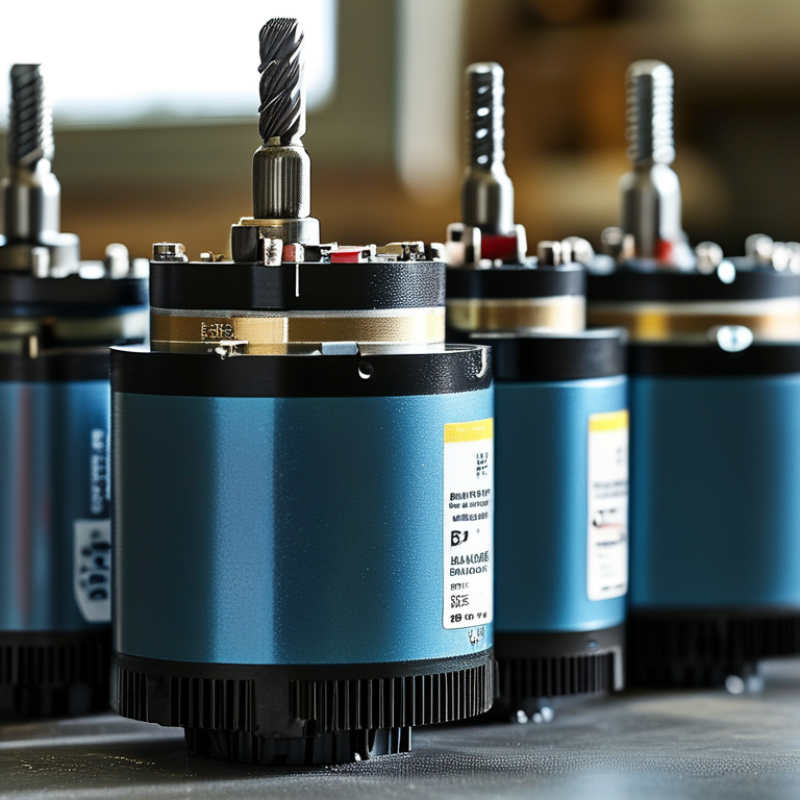
DC micro vibration motors play a critical role in various applications, including mobile devices, wearables, and automotive systems. Understanding these motors' specifications is vital for global buyers. According to a recent market report, the global micro motor market is expected to reach $7.4 billion by 2025, demonstrating significant growth. Buyers should focus on parameters such as torque, voltage, and operational lifespan when evaluating their options.
When assessing motors, it’s important to consider integration aspects as well. For instance, the physical dimensions of the motor must align with device specifications. A mismatch can lead to performance issues. Buyers frequently overlook this aspect, leading to costly modifications. Another critical point is the motor's vibration frequency. Research indicates that a frequency range of 100-300 Hz often yields the best user experience in handheld devices. However, achieving this frequency consistently can be challenging, highlighting a common oversight in new product designs.
Moreover, reliability is paramount. Data suggests that micro motors fail primarily due to overheating or mechanical wear. Preventive measures, such as proper cooling and choosing high-quality materials, can mitigate this issue. Understanding the specific requirements for reliability in varied conditions is essential yet often misunderstood. Buyers must evaluate suppliers based on their track records in these areas to ensure they make informed decisions.
When purchasing DC micro vibration motors, several key features are essential. The motor's size is crucial. A compact design allows for integration in tight spaces. Buyers should also consider the voltage range. Motors that operate in various voltage specifications enhance versatility. Furthermore, the type of vibration is vital. Different applications may require specific vibration patterns, such as continuous or intermittent.
Another important factor is durability. A reliable motor withstands wear, especially in demanding environments. Review the construction materials. Better materials lead to longer lifespan and performance. Noise level is another consideration. A quiet motor can be critical in applications like medical devices or consumer electronics.
It’s not just about specifications. Buyers must evaluate supplier reputations. Are they known for quality and reliability? Researching feedback and reviews can provide insights. Reflection on past usage experiences can guide better decision-making. Some may find it challenging to balance features and costs. Achieving the right fit is often a process of trial and error.
DC micro vibration motors are essential in various global markets. They play a crucial role in devices like smartphones, wearables, and gaming controllers. As per industry reports, the global market for micro vibration motors was valued at over $1 billion in 2020, with a projected growth rate of approximately 10% annually.
When comparing different types of DC micro vibration motors, it's vital to focus on design and application. Coin-type motors are compact and efficient, making them suitable for handheld devices. Linear resonant actuators (LRAs) provide stronger vibrations with precise control, ideal for haptic feedback in gaming devices. Each type has its pros and cons, depending on the intended use. For instance, while coin motors are smaller, they may lack the vibration intensity of LRAs.
Another key factor is power consumption. Some motors operate at lower voltage levels, which can prolong battery life in portable devices. However, they might not achieve the same vibrational power as others. Buyers need to weigh these characteristics carefully. Understanding specifications and how they align with product needs is crucial. Data from recent studies suggest that around 30% of companies reported facing challenges when choosing the right motor type. Proper research and thorough analysis can lead to better purchasing decisions in this competitive market.
When looking for DC micro vibration motors, buyers must consider top manufacturers and suppliers worldwide. Many companies specialize in producing these compact motors. They offer a variety of options tailored to different applications. Some excel in precision engineering, ensuring reliability in medical devices. Others focus on enhancing performance in consumer electronics.
Choosing the right supplier can be challenging. While some manufacturers promise cutting-edge technology, not all meet industry standards. It's crucial to evaluate their certifications and production processes. Furthermore, reputation matters. Customer reviews and industry feedback can guide decisions. Understanding these nuances often takes time and careful research.
Global supply chains can also impact availability. Buyers should stay informed about market trends and potential disruptions. For example, material shortages can cause delays. Engaging directly with manufacturers can uncover valuable insights. Keeping an open dialogue about needs and expectations fosters better partnerships. This proactive approach often leads to more satisfying outcomes.
| Dimension | Specification | Application | Country of Origin |
|---|---|---|---|
| 10mm | 3V, 6000 RPM | Mobile Devices | China |
| 12mm | 5V, 8000 RPM | Wearable Devices | Japan |
| 8mm | 3.7V, 5000 RPM | Remote Controls | South Korea |
| 14mm | 6V, 7000 RPM | Gaming Devices | Germany |
| 16mm | 9V, 6500 RPM | Home Appliances | USA |
When assessing the quality of DC micro vibration motors, buyers should focus on several key guidelines. First, understand the motor's specifications. Check parameters like voltage, current, and speed. This knowledge will help in determining if the motor fits your application needs.
Testing the vibration motor is equally crucial. Conduct performance tests to measure vibration intensity and frequency. High-quality motors usually provide consistent results. Look for durability as well. A reliable motor should withstand repeated use without significant wear and tear.
Here are some tips for buyers: Check for certifications and compliance with industry standards. Look for reviews and testimonials from previous users. A solid warranty can also indicate the manufacturer's confidence in their product. Investing time in these aspects can save trouble later on. Remember, quality matters.
: Focus on size, voltage range, and vibration type. Compact designs fit in tight spaces.
A reliable motor withstands wear in demanding environments. Strong materials lead to longer lifespan.
Research supplier reputations through feedback and reviews. Look for proven quality and reliability.
A quiet motor is crucial for applications like medical devices. Noise can affect performance and user experience.
Achieving the right fit can take time. Consider trial and error, reflecting on your usage experiences.
Check specifications like voltage and current. Perform tests to measure vibration intensity and frequency.
Ensure compliance with industry standards. Certifications indicate quality and reliability in products.
Global supply chains may impact availability. Stay informed about material shortages that could cause delays.
Direct engagement can provide valuable insights. Open dialogue about expectations leads to better partnerships.
A solid warranty often reflects the manufacturer's trust in their motor's quality and performance.
The article "Top DC Micro Vibration Motor Tips for Global Buyers" provides a comprehensive guide for buyers looking to purchase DC Micro Vibration Motors. It begins with an overview of these motors, explaining their functionality and application in various industries. Key features such as size, weight, and power consumption are discussed, emphasizing their importance in making informed purchasing decisions.
Additionally, the article compares different types of DC Micro Vibration Motors available in global markets, highlighting their unique characteristics and suitability for diverse applications. It also outlines top manufacturers and suppliers worldwide, guiding buyers on where to source these vital components. Finally, the article offers guidelines for quality assessment and testing, ensuring that buyers can evaluate the reliability and performance of DC Micro Vibration Motors before making a purchase.
