RadixPro
RadixPro
RadixPro
In the rapidly transforming landscape of industrial automation, robotics, aerospace, and medical engineering, precision is no longer a luxury—it is the foundational metric of competitive survival. The modern industrial world is pivoting away from open-loop drive structures toward highly responsive, intelligent, and networkable closed-loop servo drives and controller ecosystems. Designed to orchestrate the precise current, velocity, and position of electric motors, today's advanced servo drives act as the neural synapses connecting high-level digital motion commands with real-world physical forces.
With search profiles transitioning heavily toward "energy-efficient motion control" and "high-density communication-capable drives," understanding the manufacturing dynamics and technological competencies of the world's leading suppliers has become vital for OEM procurement groups, mechanical system integrators, and design engineers. This document analyzes the technical landscape, highlights the premier global manufacturing players, and evaluates the critical role of custom engineering processes in achieving micro-scale precision.
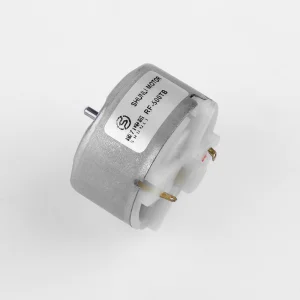
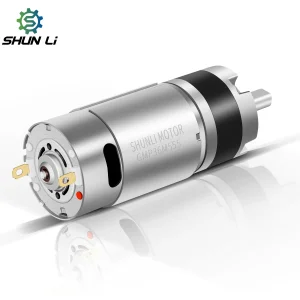
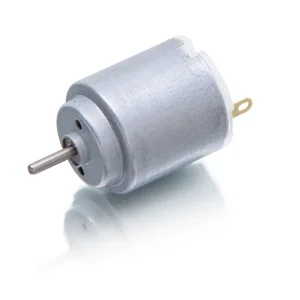
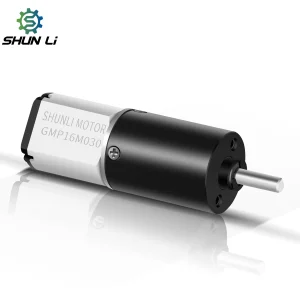
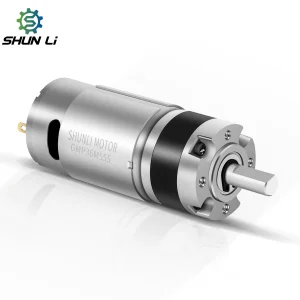
Inside a premium robotic joint, an automated medical pump, or a high-end smart lock, space is the ultimate luxury. At RadixPro, we measure our success in micrometers and decibels. Our mission is to take advanced, heavy-duty rotational power and compress it into the most compact, energy-efficient footprints imaginable.
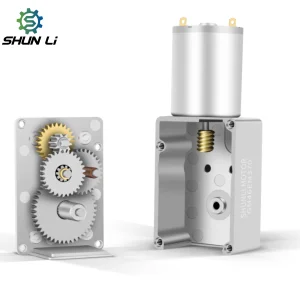
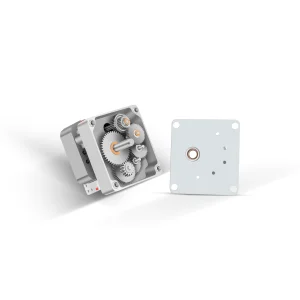
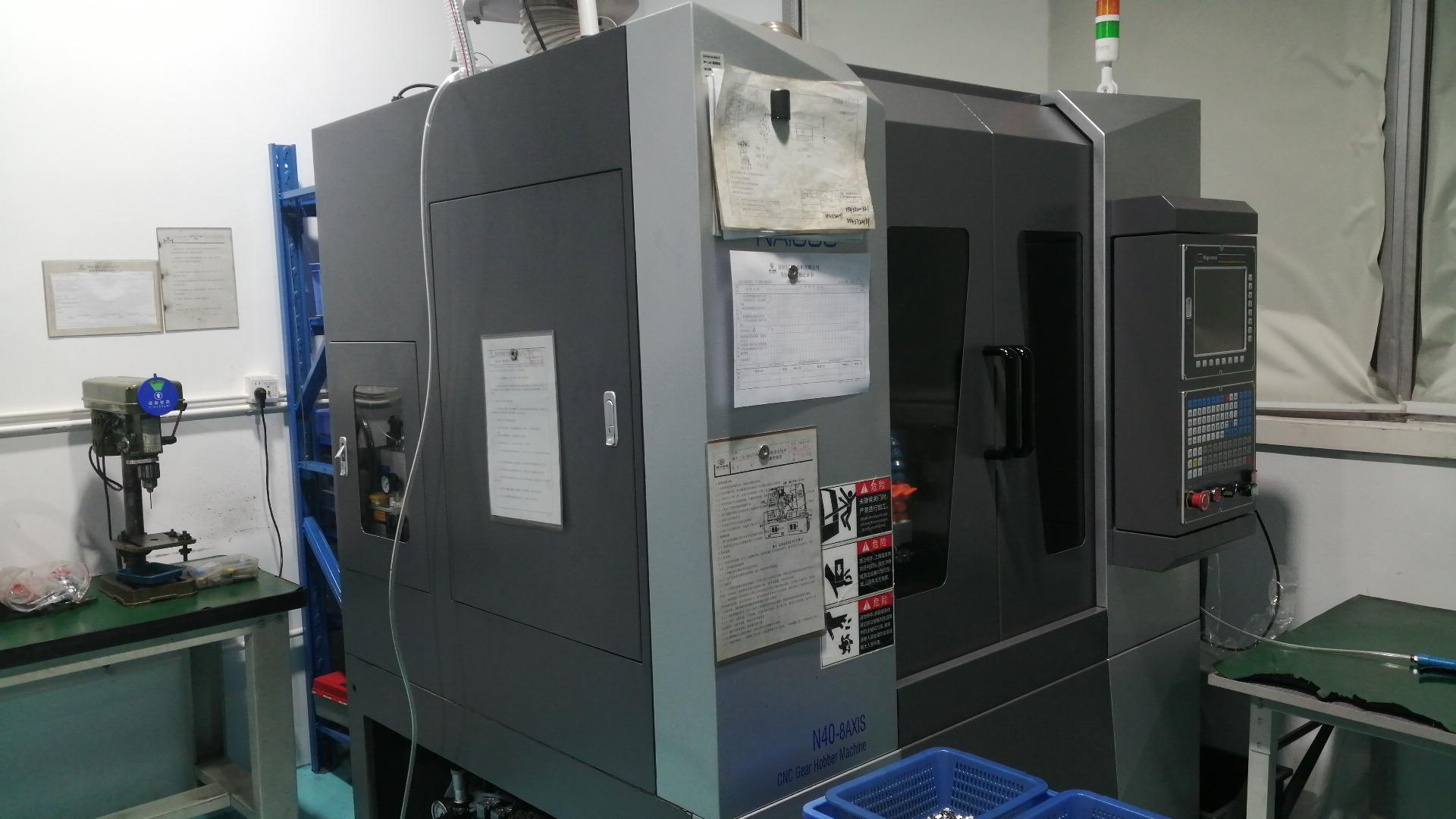
Our expertise lies in the micro-details of motion. From precision-wound copper rotors and high-purity commutators to zero-backlash planetary gear trains, every single internal component of a VortexPro motor is optimized to eliminate friction and maximize heat dissipation. By combining advanced automated Swiss-style hobbing with Japanese dynamic balancing, we ensure our micro drives deliver the fluid, whispering-quiet power your brand promises. When your next high-tech innovation relies on repeated mechanical perfection, let RadixPro be the core that spins it forward.
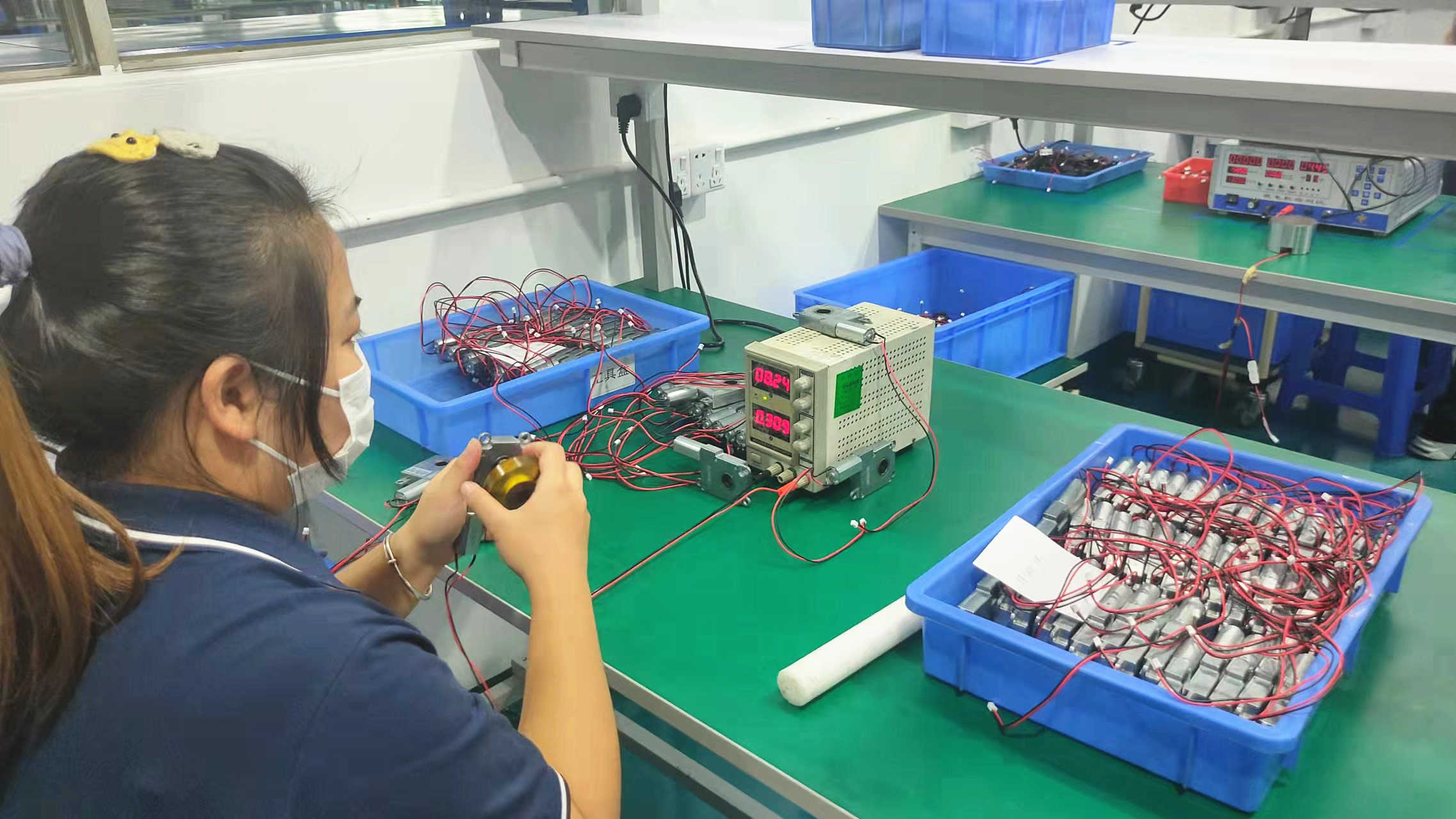
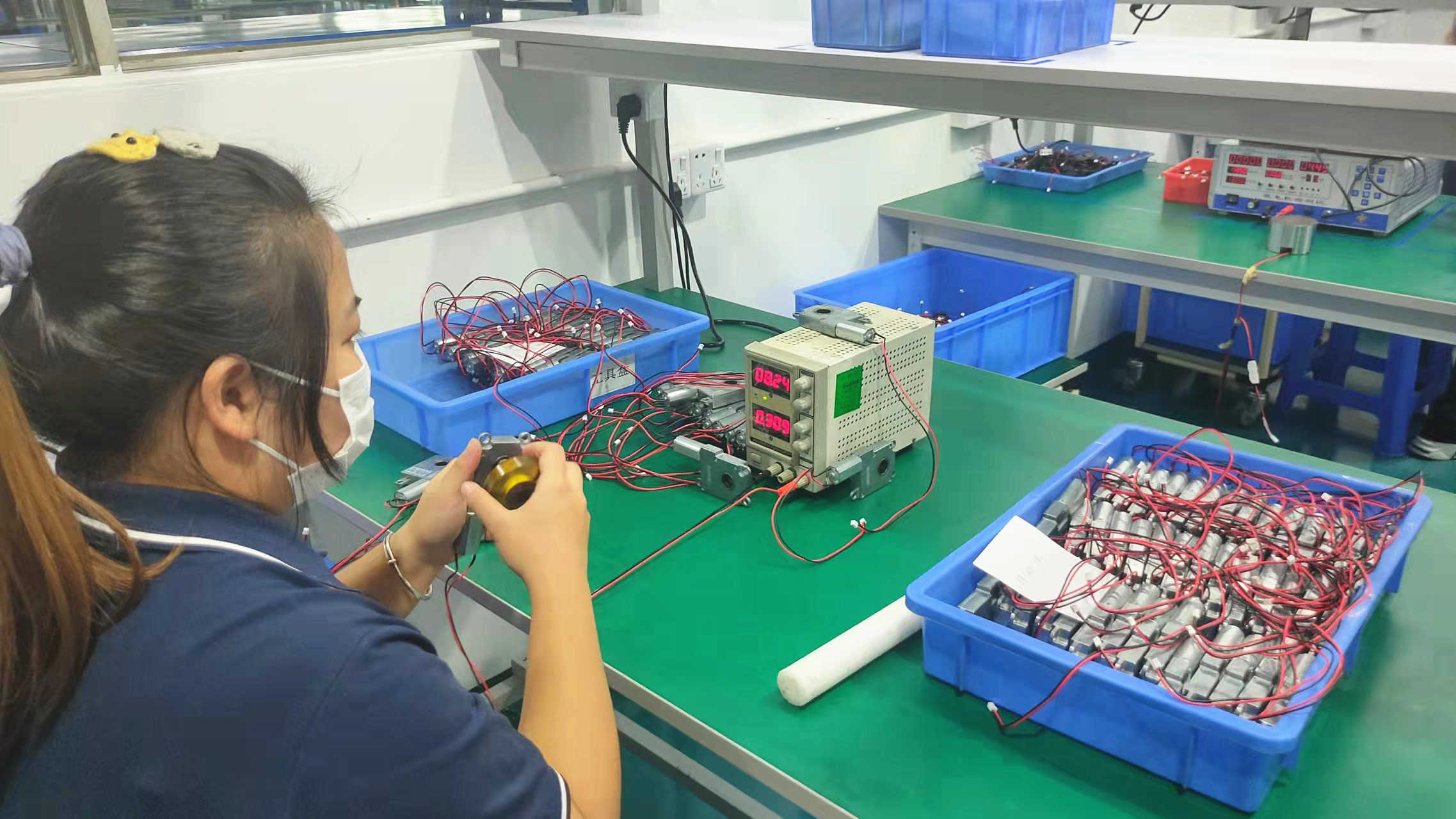
Quality Control Testing Phase at the RadixPro Laboratory
Selecting the optimal partner for motion control equipment requires examining not only torque ratings but also control loops, thermal limits, communication protocol support (such as EtherCAT, PROFINET, and CANopen), and design integration capabilities. Below is an analytical review of the leading ten companies dominating the industry.
Known for its Sigma Series, Yaskawa leads the high-precision market. Their advanced autotuning algorithms minimize vibrations in complex robotic linkages, offering high reliability and performance under load variations.
The SINAMICS system by Siemens stands out in large-scale plant automation. By incorporating TIA Portal engineering, they allow developers to monitor, configure, and debug motors alongside PLC software systems.
With their MELSERVO series, Mitsubishi offers fast optical fiber networks (SSCNET III/H). This delivers noise-immune dynamic response, ideal for print registration and packaging industries.
Pioneering PC-based control, Beckhoff's EL95xx series features integrated safety (TwinSAFE) and fast EtherCAT processing, enabling rapid control loops on modular machines.
Delta is a primary supplier of high-value drives across Europe and Asia. Their ASDA Series has built-in PR modes (position register functions), allowing complex path execution without a host PLC.
The MINAS A6 series provides compact drive components with high-frequency response. Panasonic's proprietary real-time auto-tuning and vibration suppression filter out resonant frequencies.
Kollmorgen is recognized for direct-drive technology. Their rotary and linear servo systems offer high torque density, reducing mechanical components and backlash in precision applications.
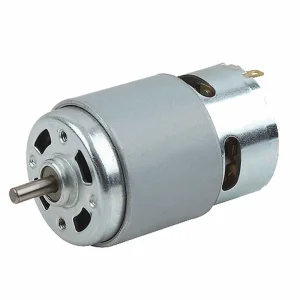
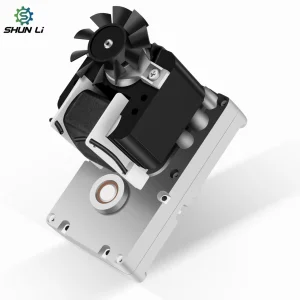
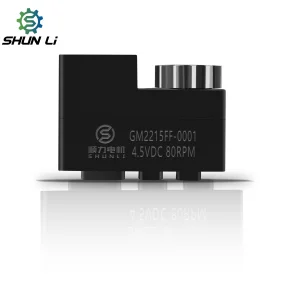
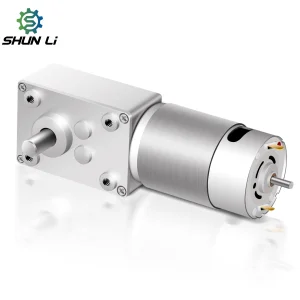
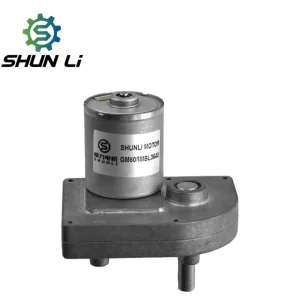
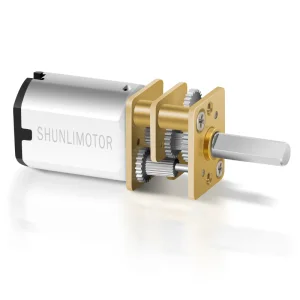
Specializing in custom micromotion control, RadixPro is a leader in space-constrained micro-drive solutions. They design and package precision gearboxes, high-efficiency rotors, and custom control cards for niche robotics, medical, and security hardware.
Bosch Rexroth's IndraDrive systems combine high-performance servo control with modular power hardware. Their functional safety features make them common in metal forming, printing, and automated assembly operations.
Leadshine is a major supplier of cost-efficient step-servo and digital AC servo packages. Popular in CNC routing, 3D printing, and textile machinery, they offer robust performance with straightforward setup protocols.
To assist systems integrators in choosing a platform, the table below highlights the operational limits and communication capabilities across the major manufacturing categories:
| Manufacturer Class | Core Protocols Supported | Minimum Frame Size | Integrated Safety (SIL) | Feedback Hardware Options | |
|---|---|---|---|---|---|
| German Precision Group (Siemens, Bosch) | PROFINET, EtherCAT, PROFIBUS | 40 mm | SIL 3 / PLe (Cat 4) | Absolute Encoders (EnDat 2.2, Drive-CLiQ) | |
| Japanese Integration Group (Yaskawa, Mitsubishi) | MECHATROLINK-III, SSCNET, EtherCAT | 35 mm | SIL 3 | High-resolution serial (up to 24-bit) | Robotics, Packaging, High-speed CNC |
| Custom Micromotion Group (RadixPro) | CANopen, Modbus, Custom Serial | 8 mm - 16 mm | SIL 2 / Custom Integrated | Magnetic Hall Sensors, Micro Rotary Encoders | Medical Pumps, Exoskeletons, Smart Locking |
| Valued-Engineered Group (Leadshine, Delta) | Modbus RTU, EtherCAT, CANopen | 40 mm | SIL 2 | Incremental / Tamagawa Absolute | Textiles, Printing, Mid-Tier CNC Machinery |
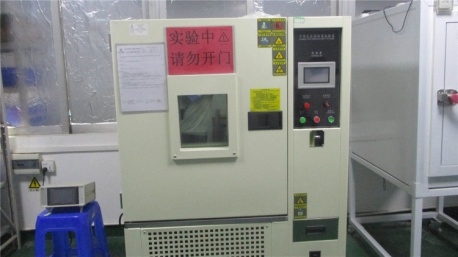
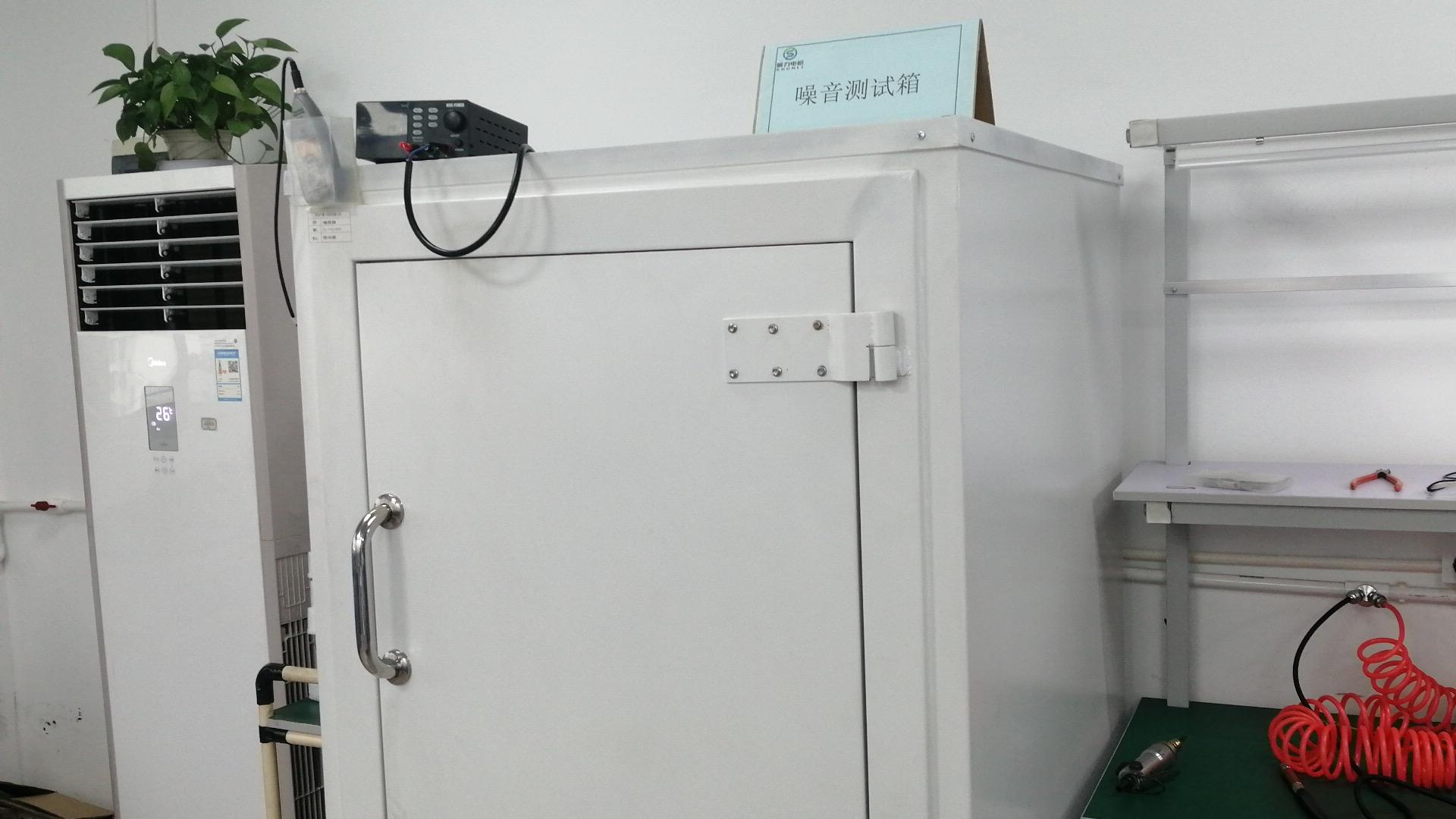
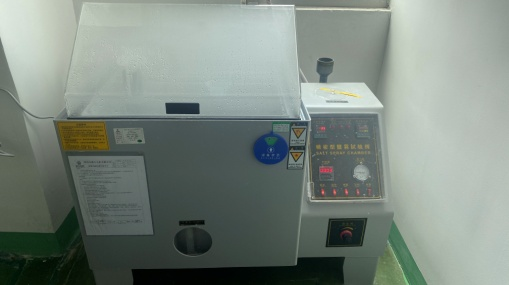
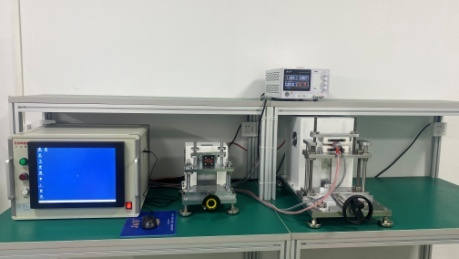
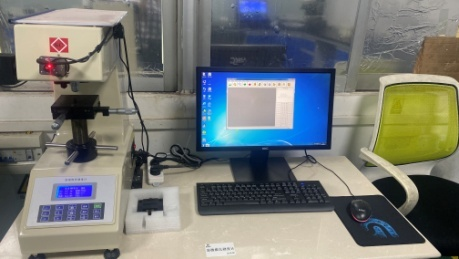
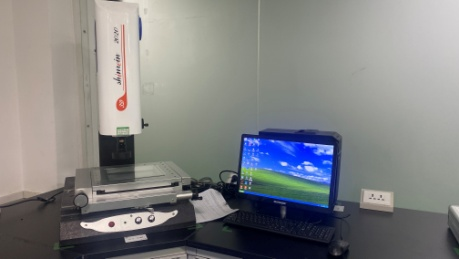
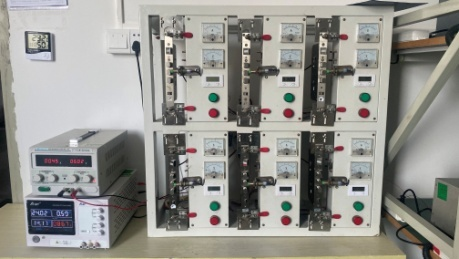
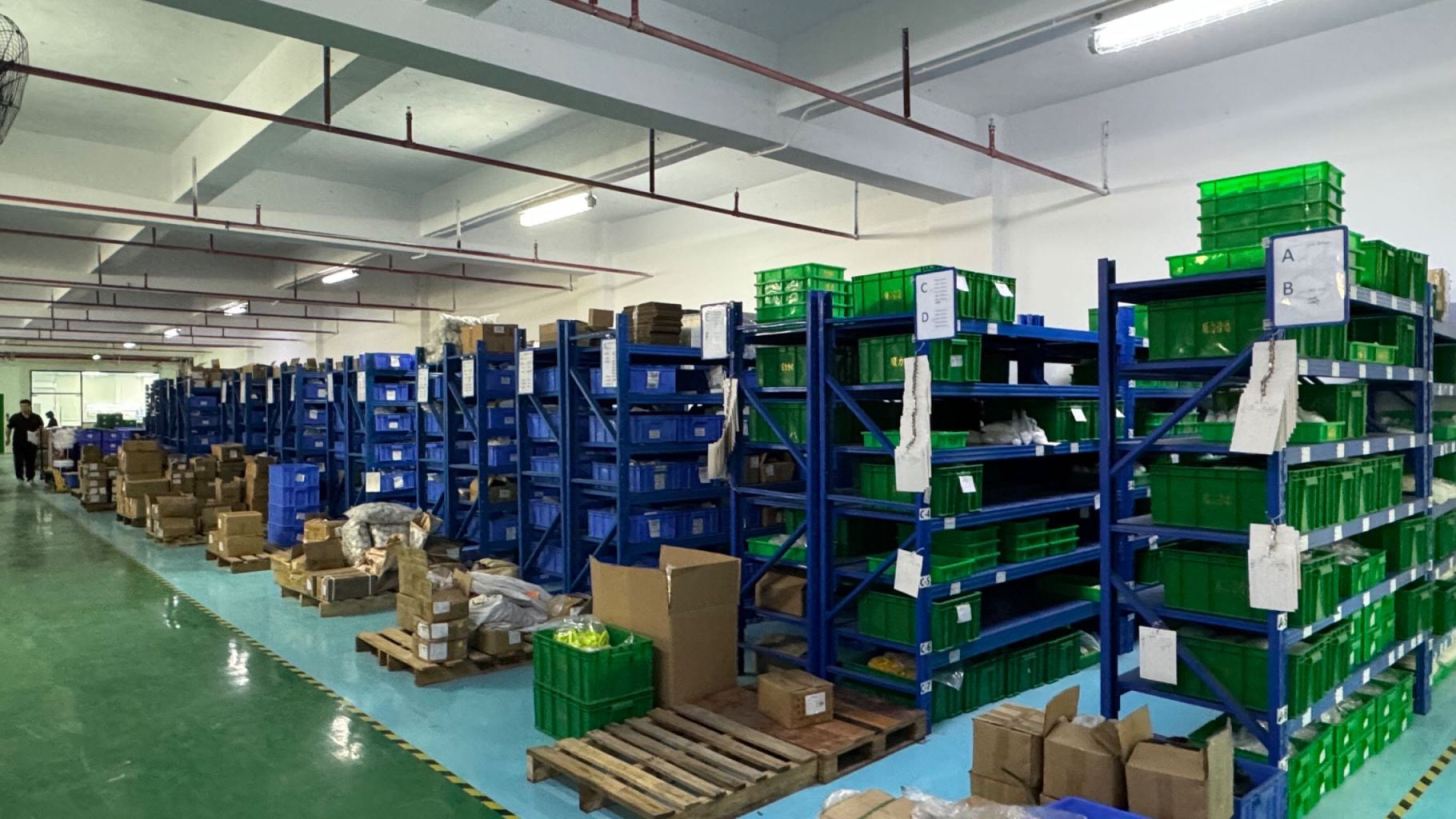
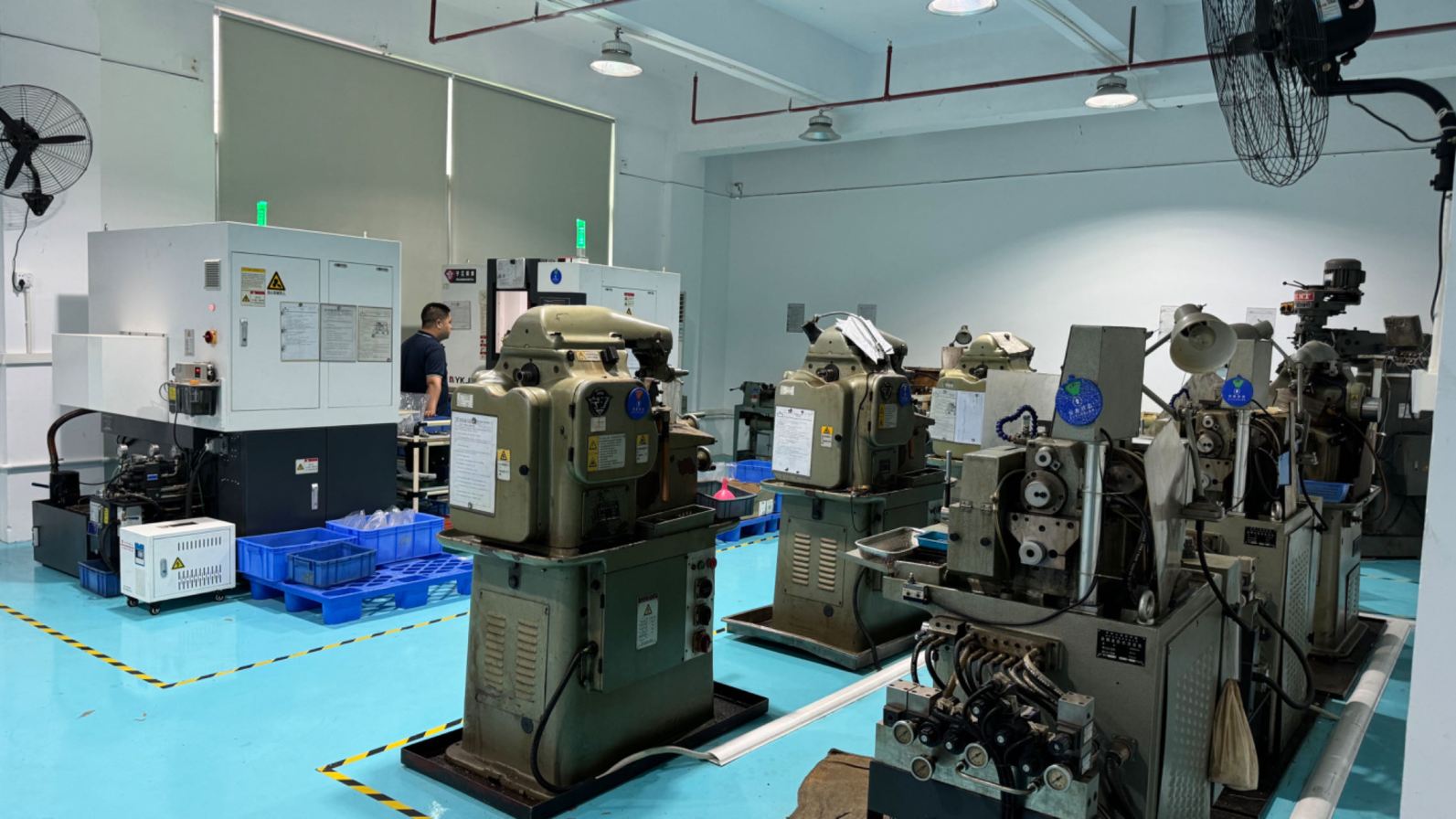
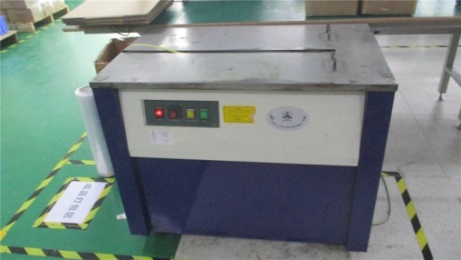
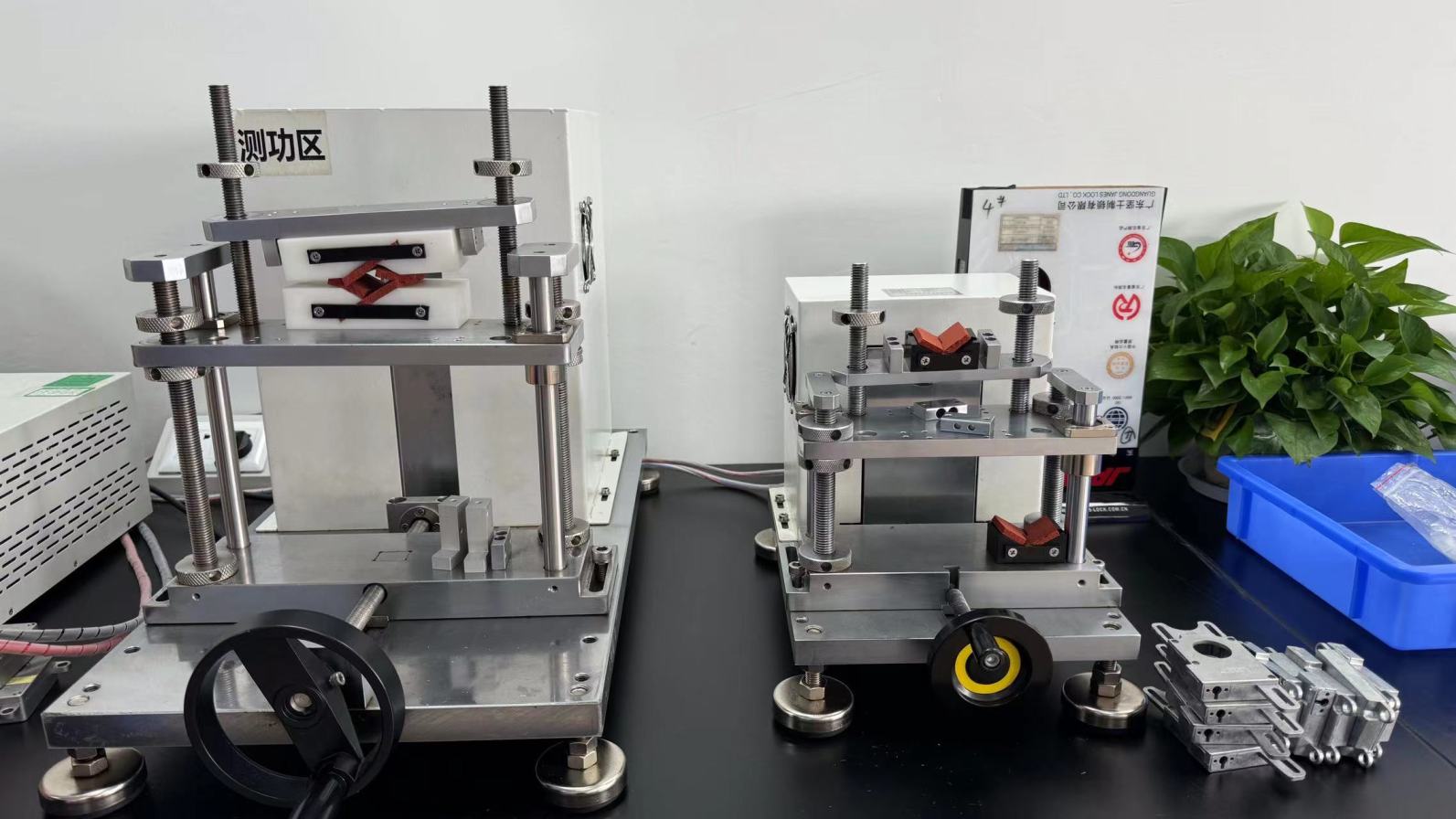
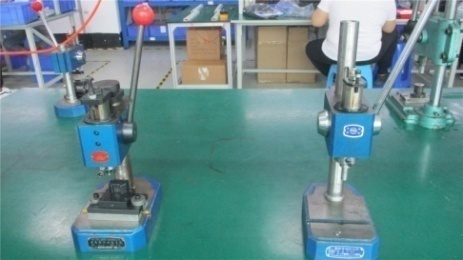
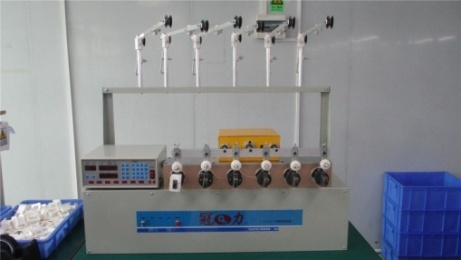
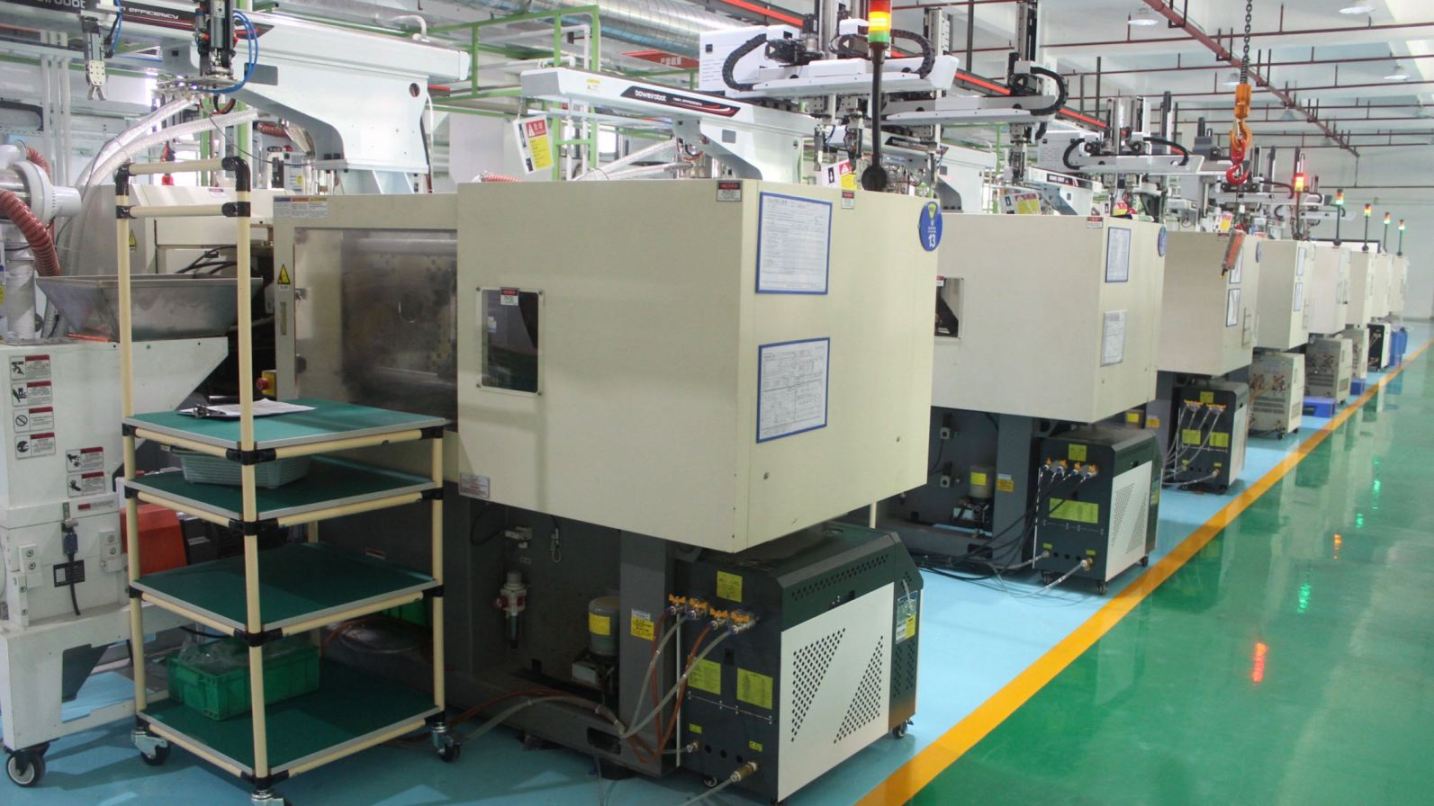
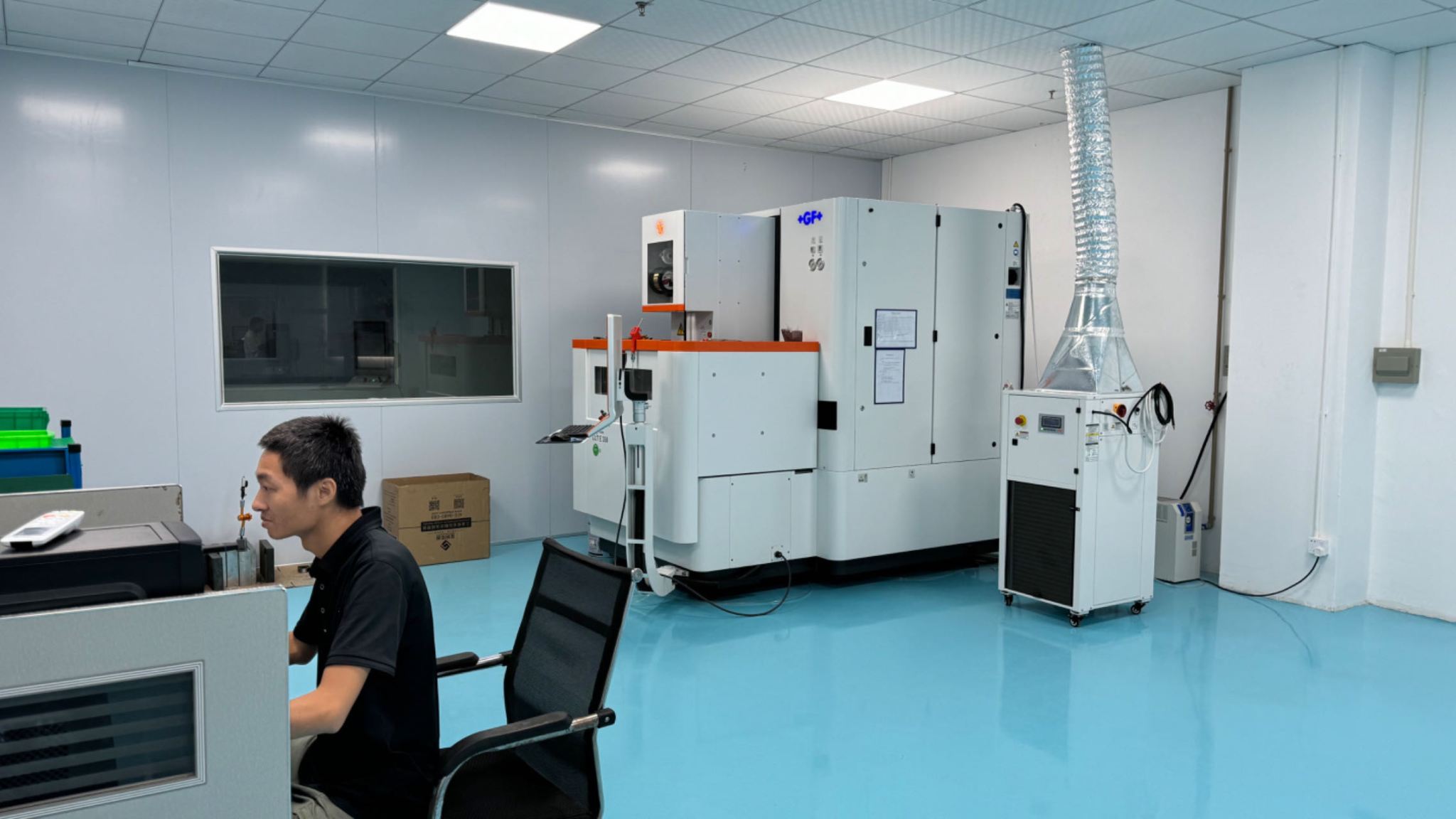
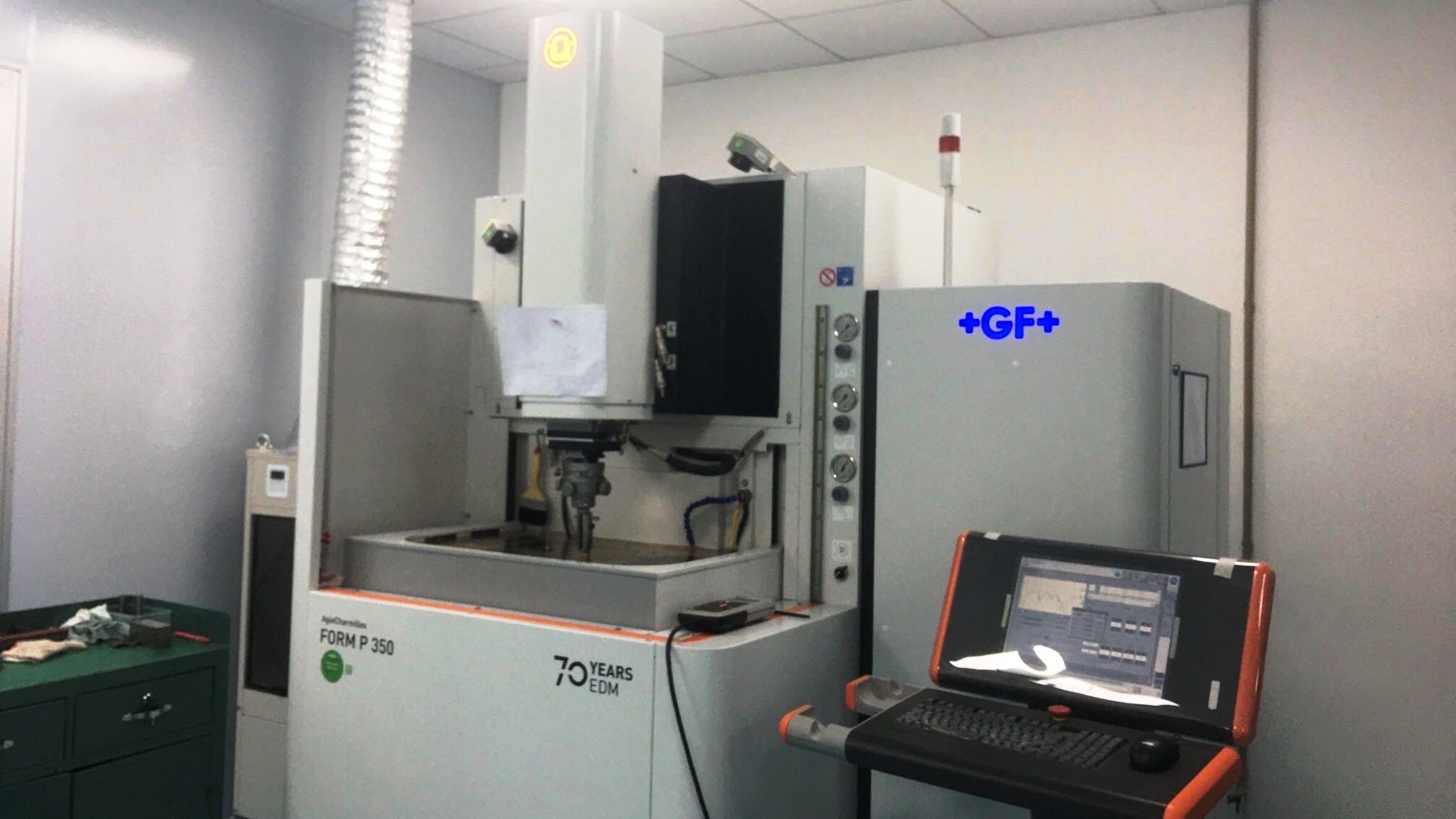
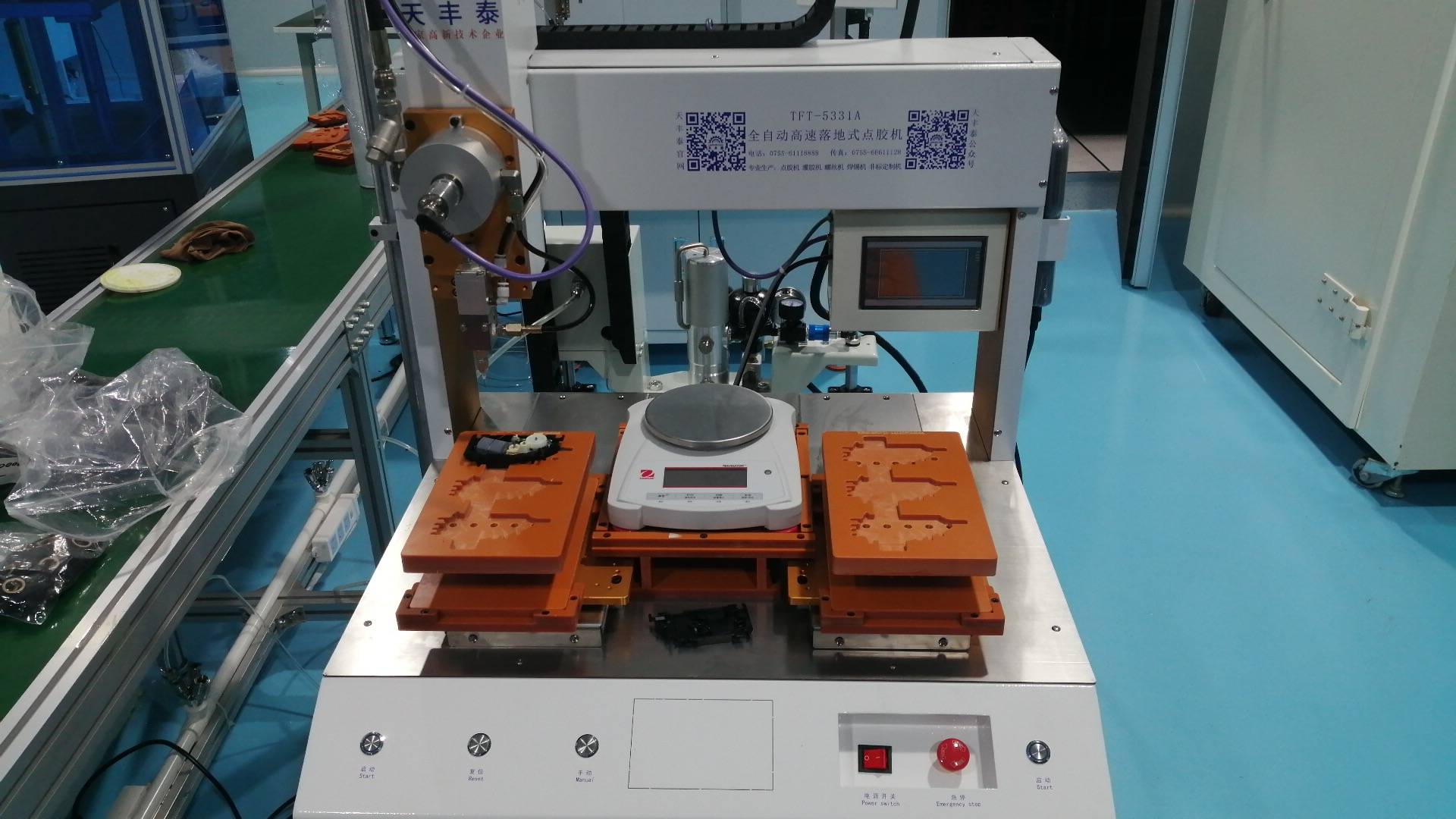
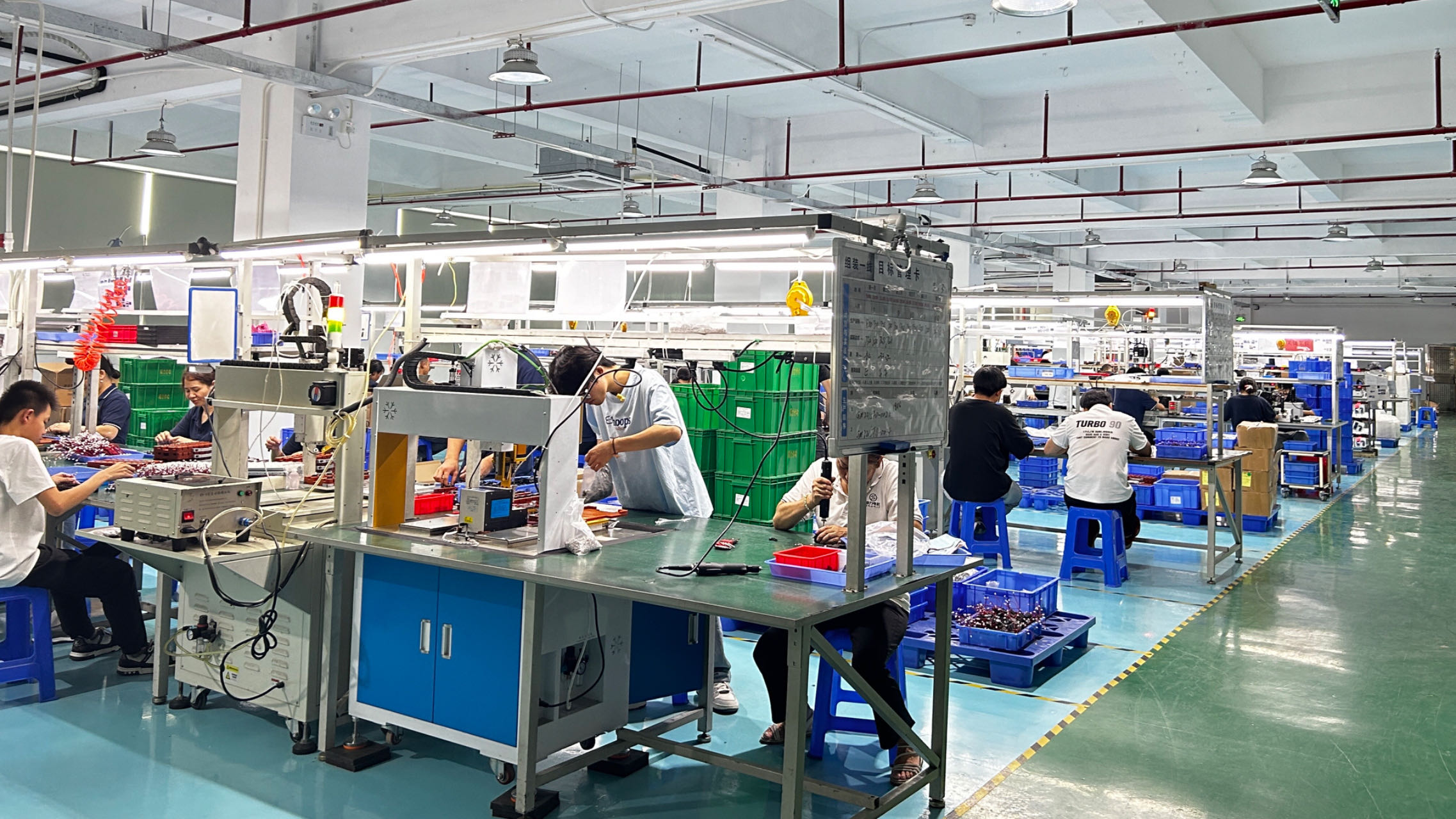
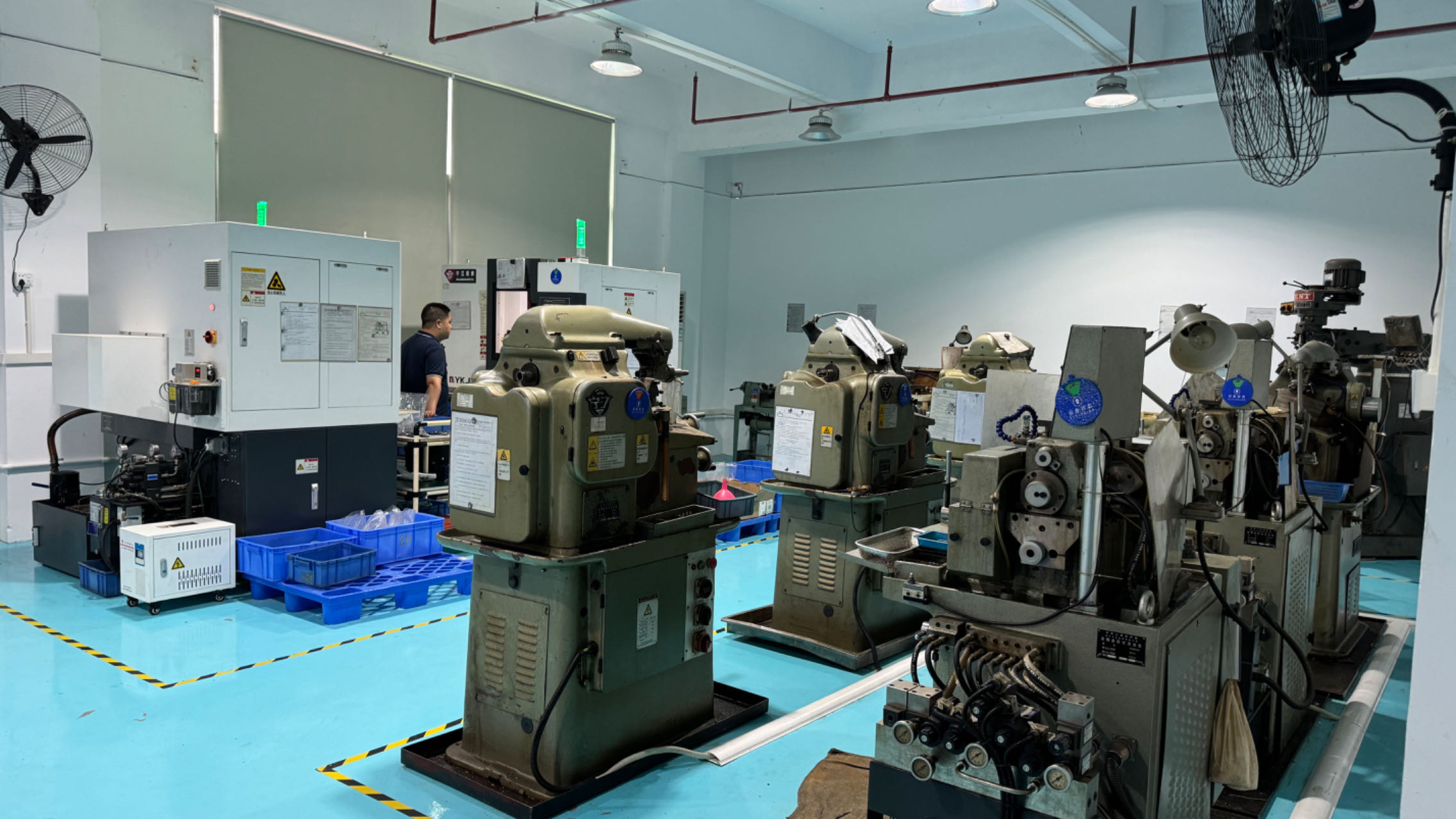
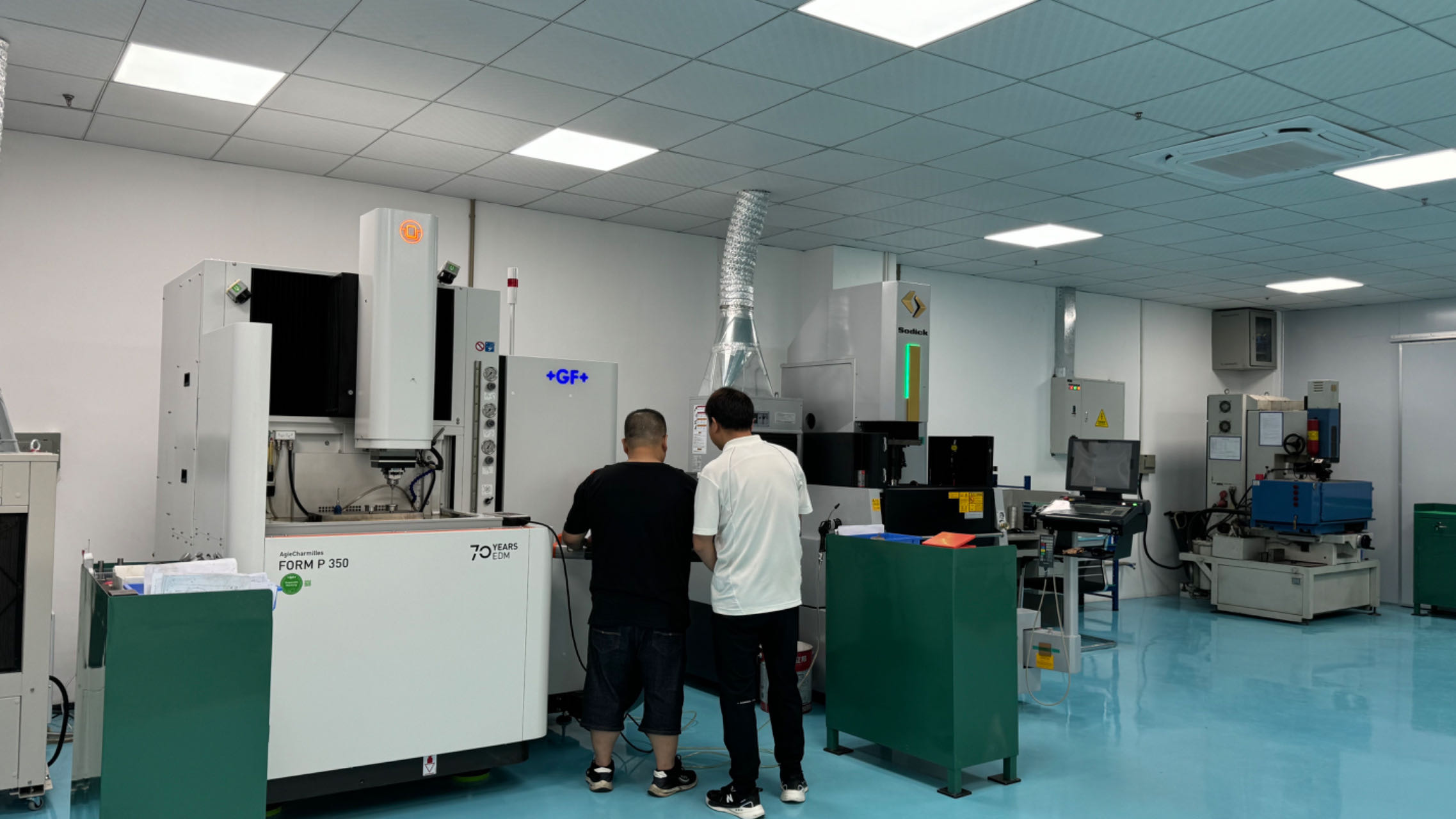
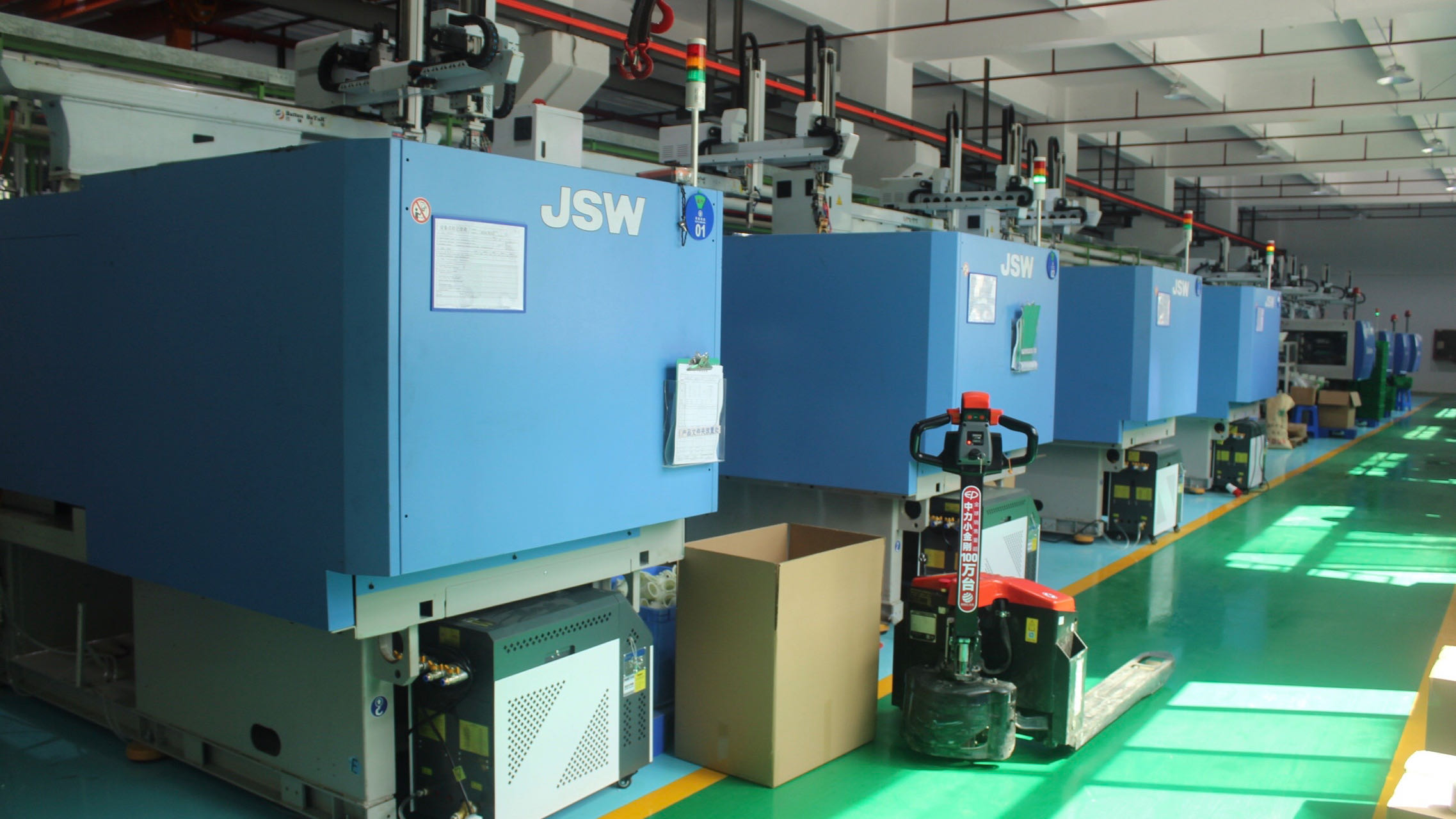
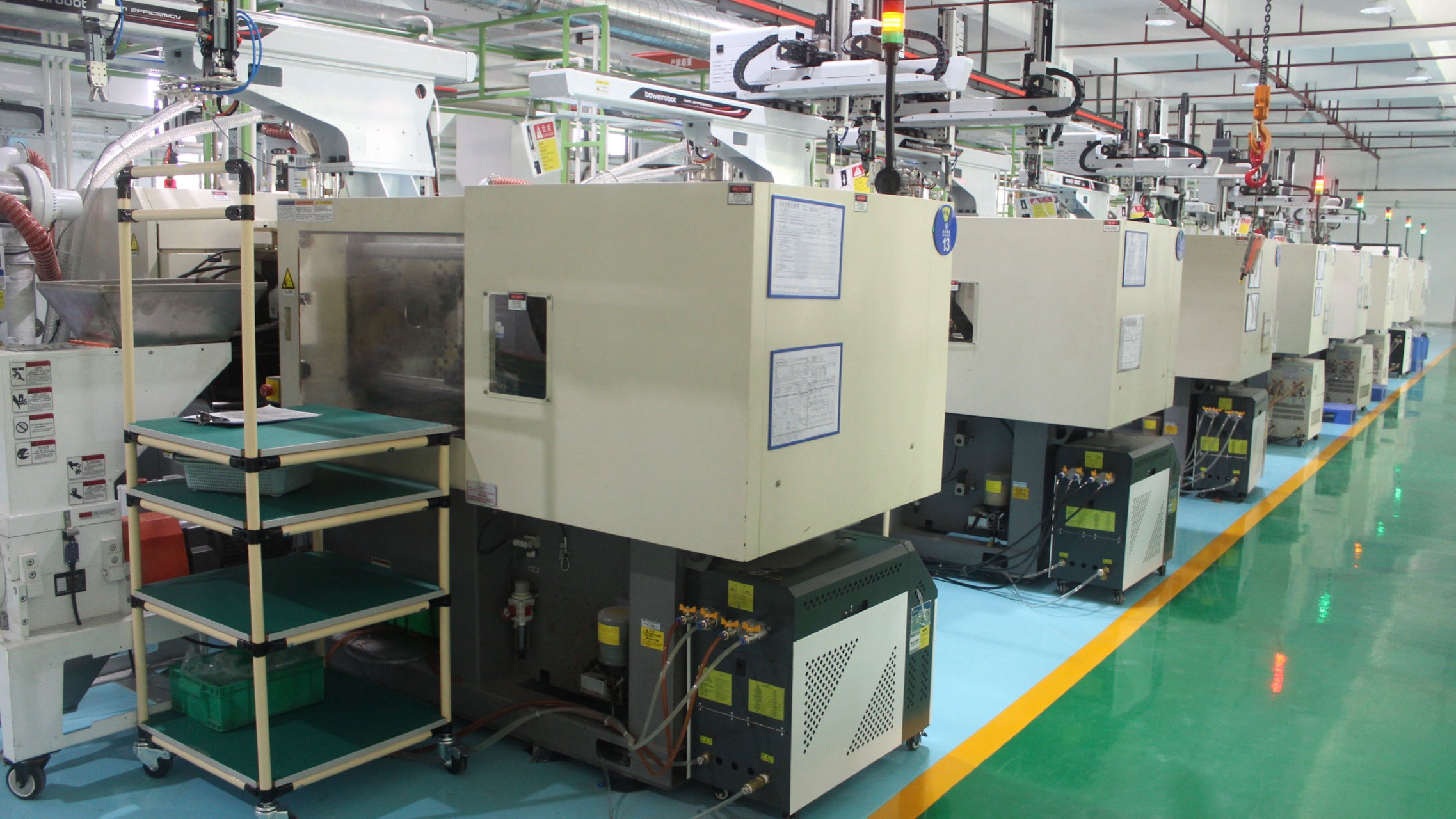
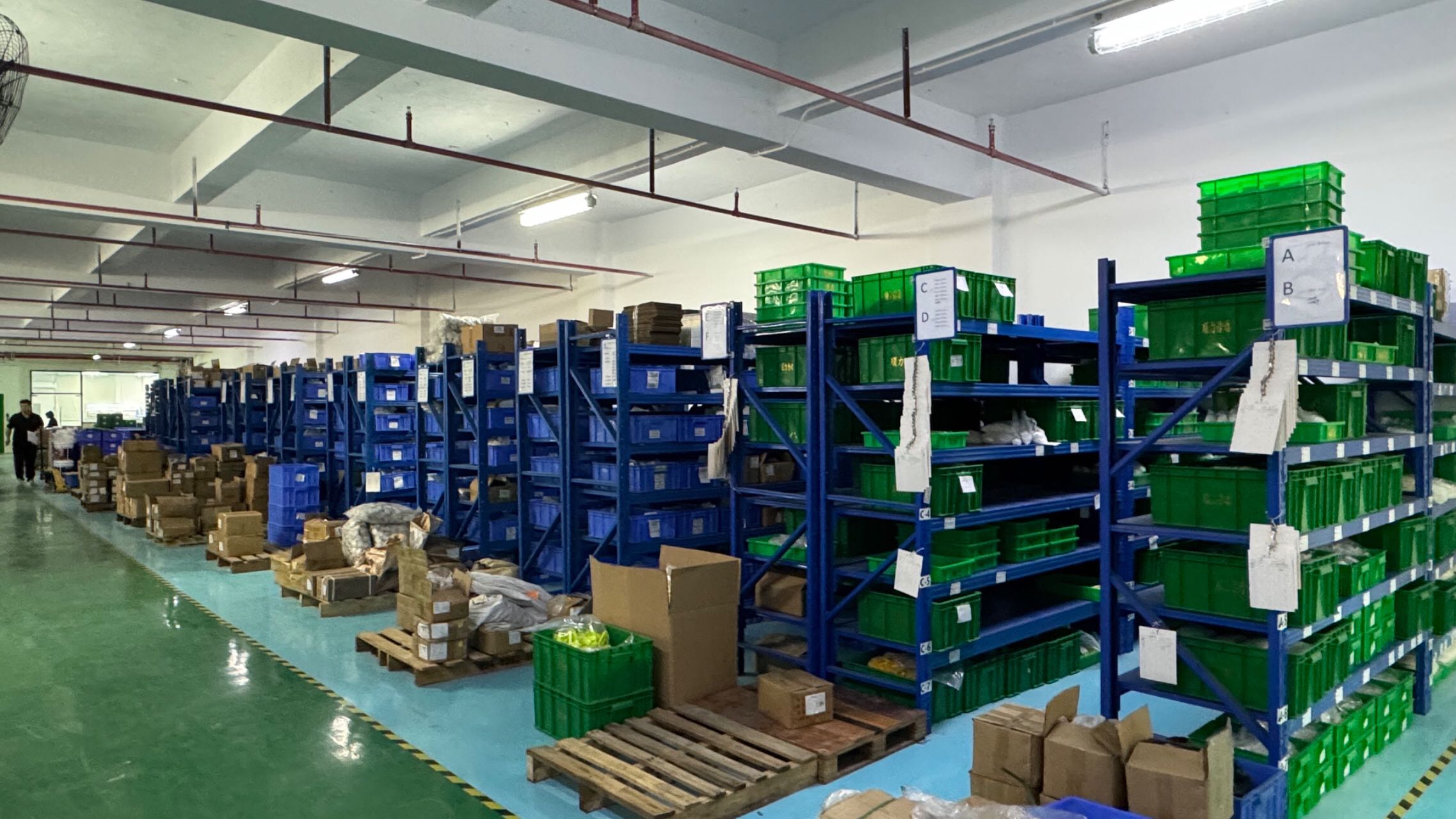
Quality and repeatability are achieved through structured, automated testing and precision production tooling. Shenzhen and Dongguan factories have evolved beyond basic assembly into advanced manufacturing hubs. By deploying high-precision gear-hobbing systems, clean-room environments, and automated testing rigs, companies like RadixPro ensure performance matches specifications.
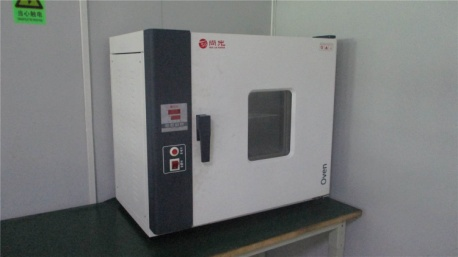
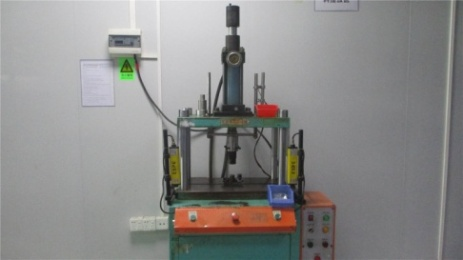
The following metrology, environmental testing, and diagnostic systems are used to verify mechanical durability, electrical safety, and signal reliability:
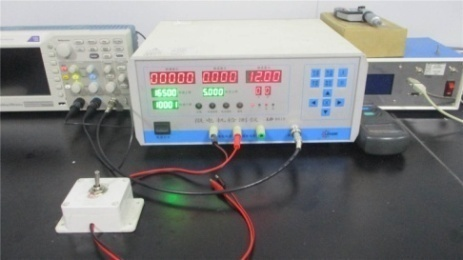
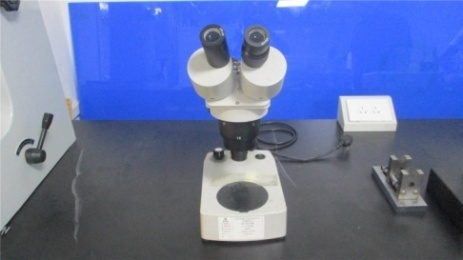
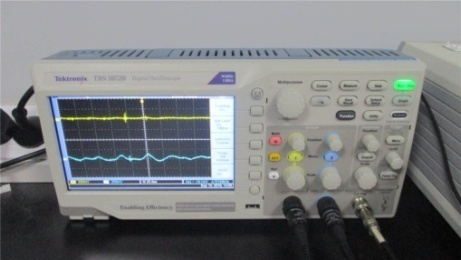
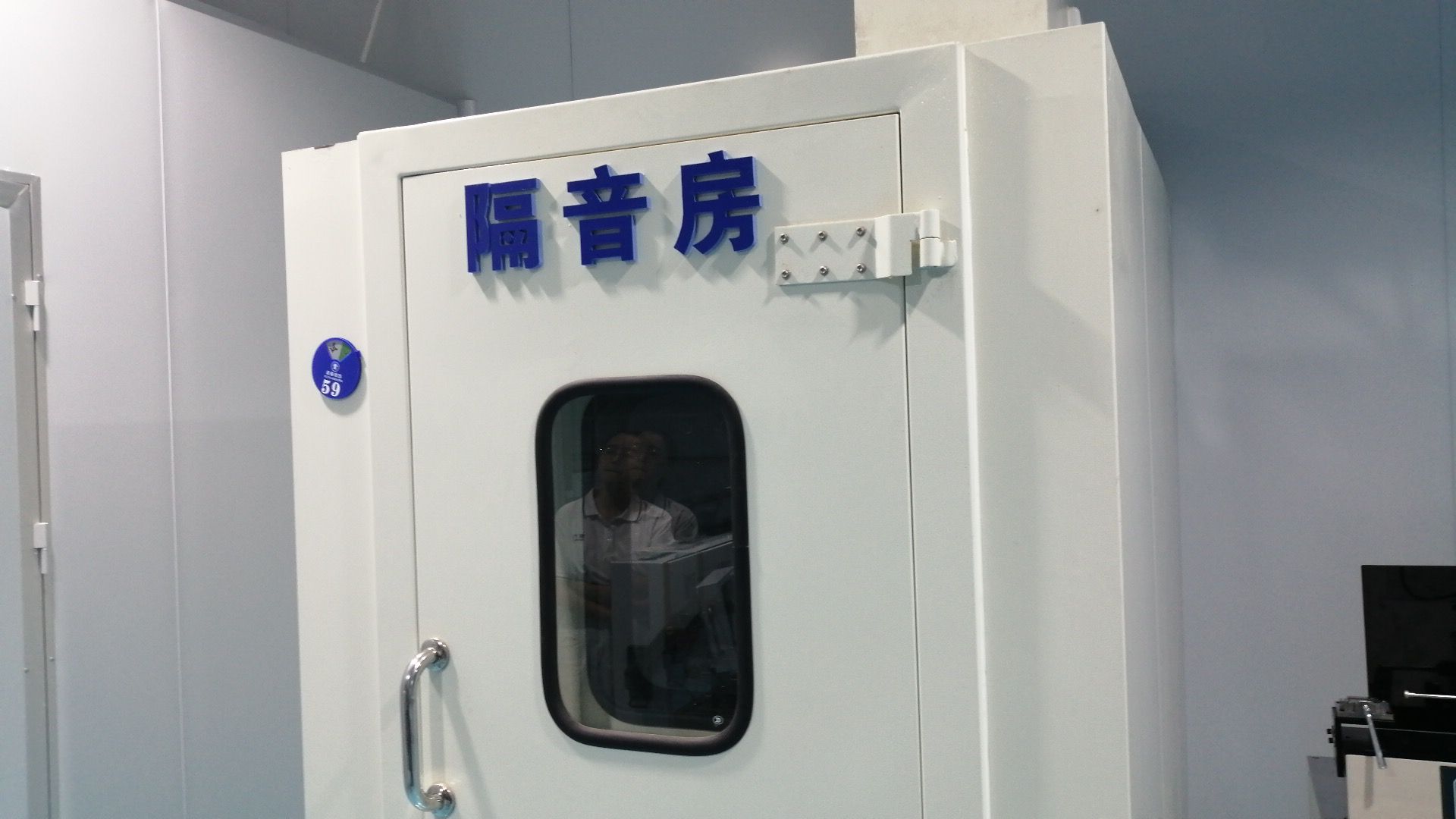
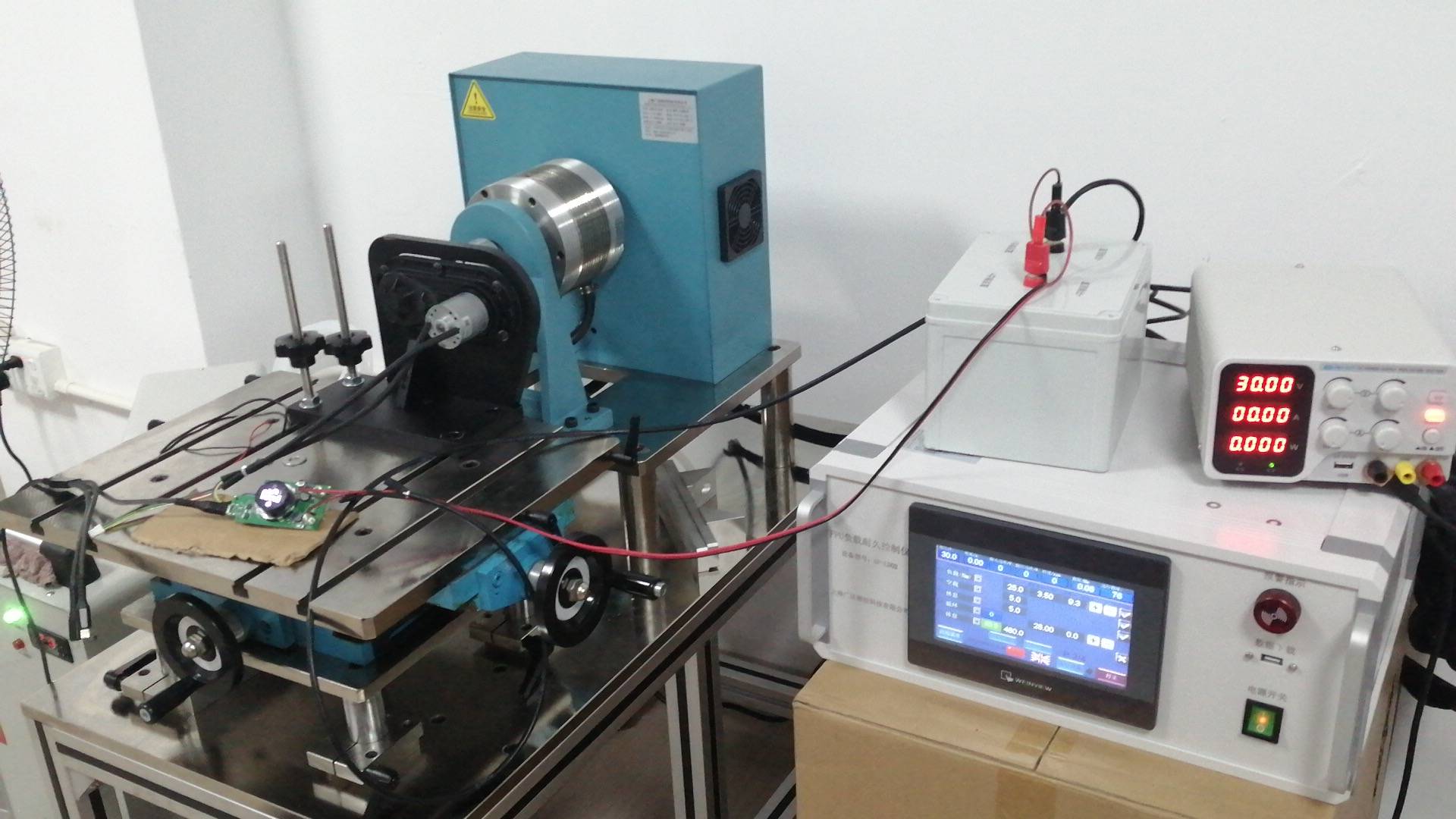
From component verification through final assembly and calibration, each step is logged and traced:
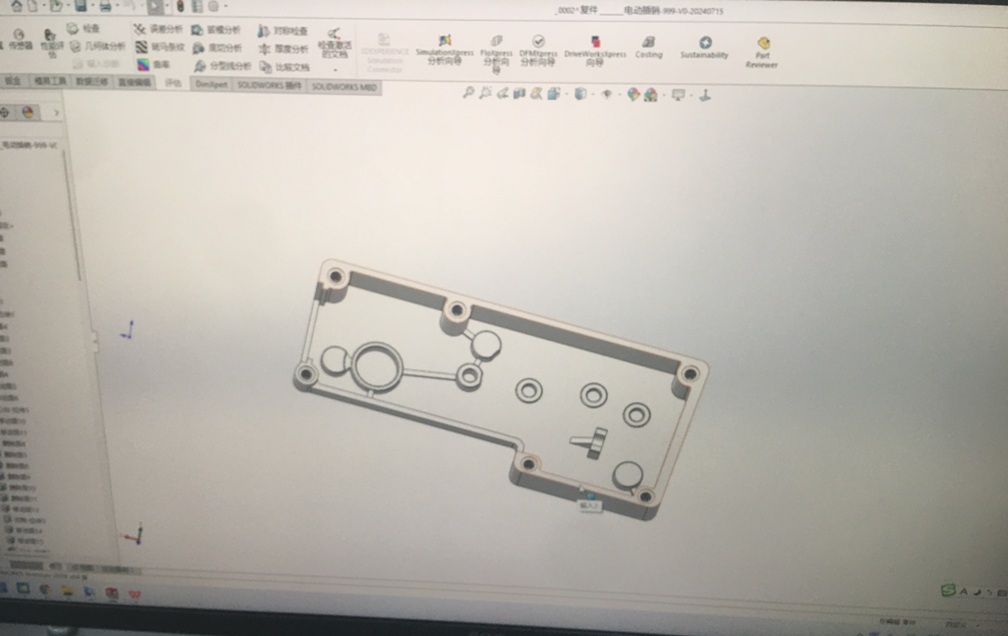
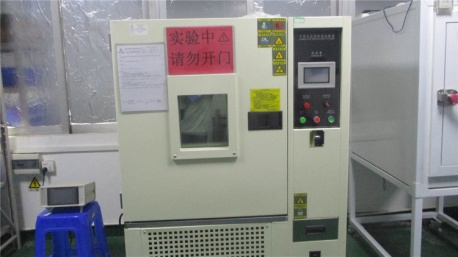
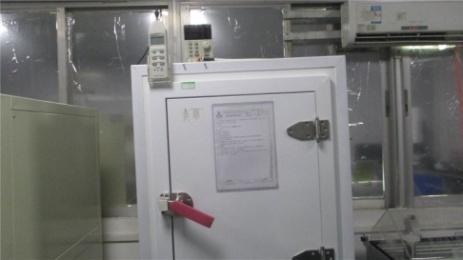
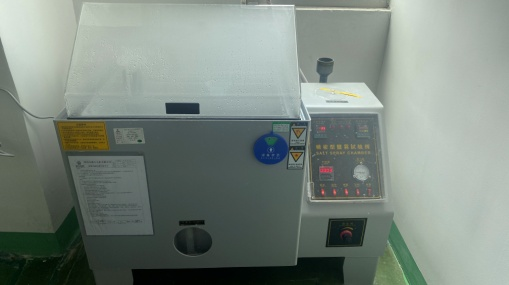

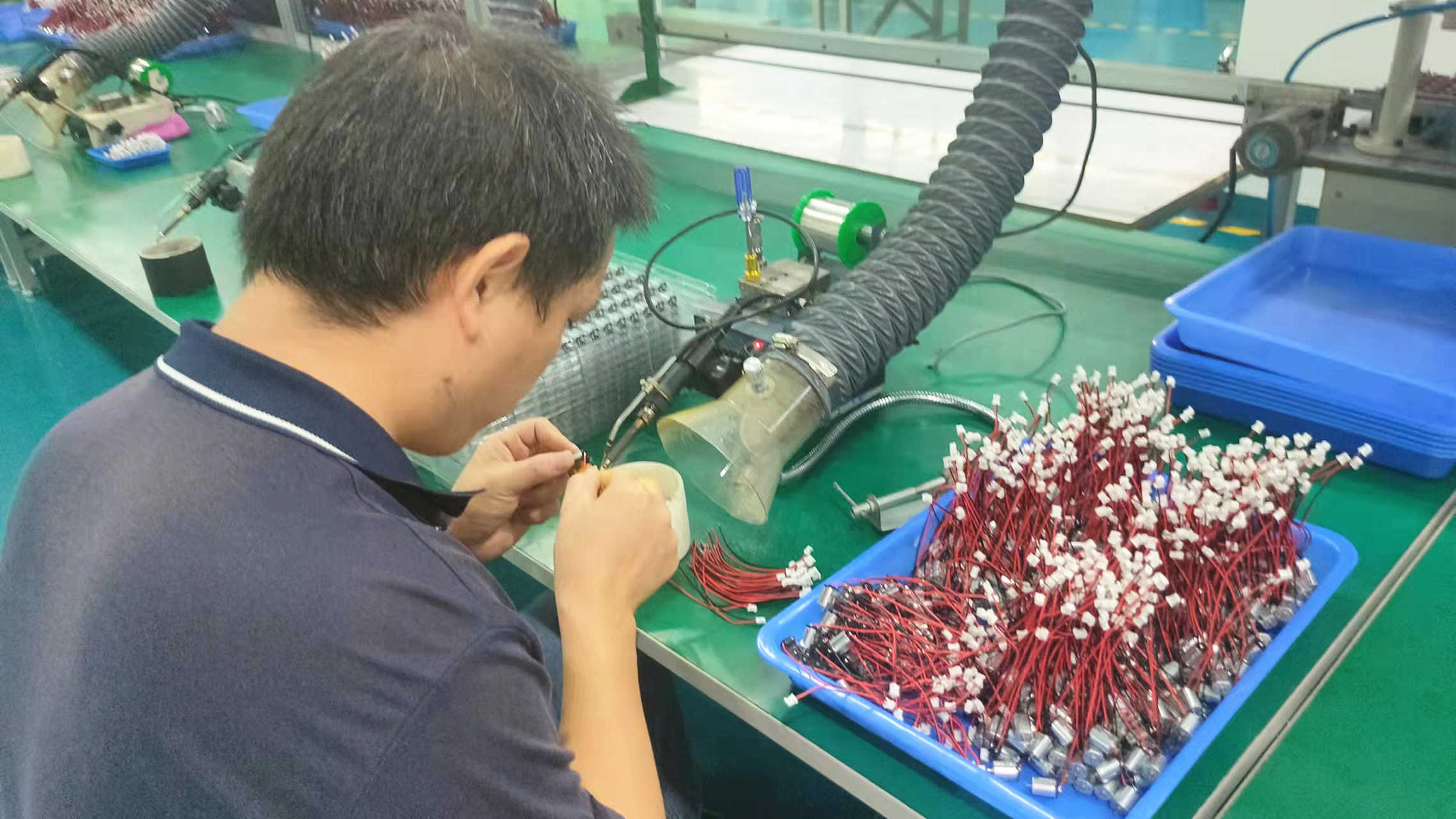
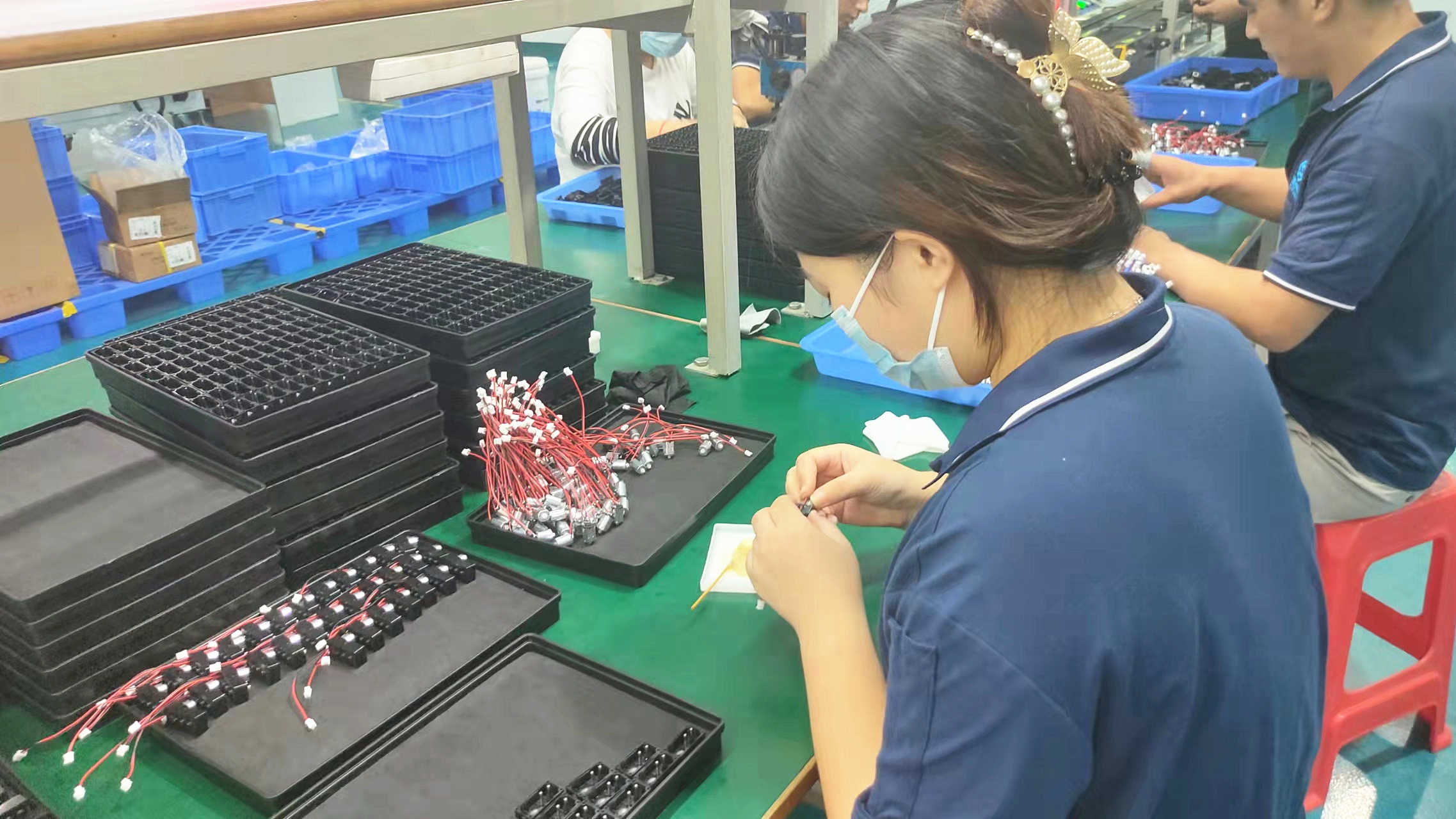
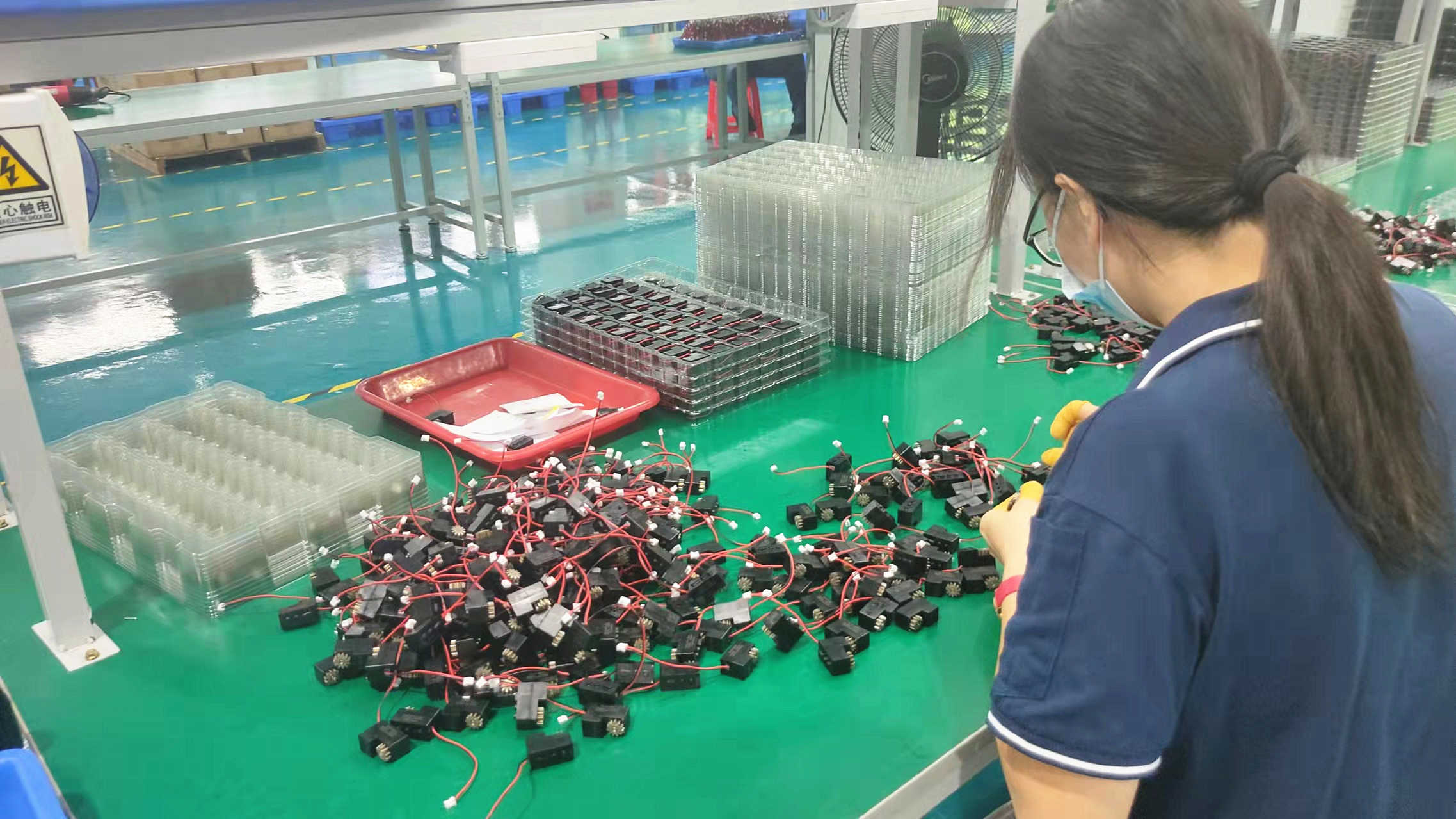
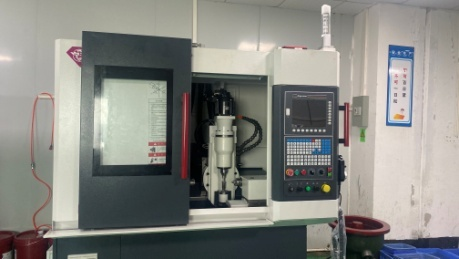
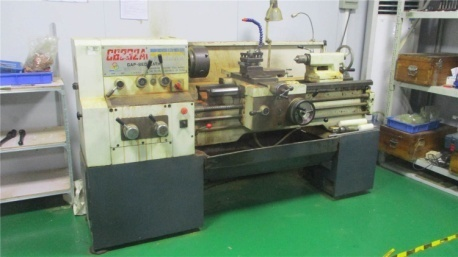
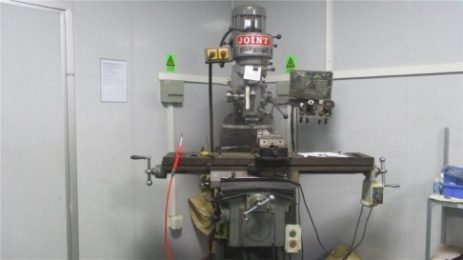
Below is the machining hardware used to maintain tight tolerances, down to the micrometer level, on gear profiles and shafts:

The development of servo drives is guided by three main trends: increased power density, decentralized architecture, and predictive health monitoring. As system designs minimize panel space, the demand for integrated motor-drive setups has grown. By combining the feedback device, drive electronics, and motor into a single housing, machine builders can reduce cabling runs and eliminate electromagnetic interference (EMI) issues.
Additionally, the adoption of Wide Bandgap (WBG) semiconductors, such as Gallium Nitride (GaN) and Silicon Carbide (SiC) MOSFETs, is shifting thermal limits. These materials allow for higher switching frequencies, up to 100 kHz and beyond, reducing heat losses and enabling smaller drive envelopes. Below are the key milestones driving current and future developments:
Widespread adoption of sensorless control algorithms and localized EtherCAT synchronization. Integrated safety functions, such as Safely-Limited Speed (SLS) and Safe Torque Off (STO), are now standard requirements.
Transition to GaN technology in low-to-mid power servo units. This increases thermal efficiency and allows drives to be mounted directly inside small robotic joints without active cooling.
Edge-based algorithms analyze current profiles to detect mechanical wear and bearing failure. Drives communicate real-time health data back to factory SCADA systems via unified OPC UA protocols.
Servo systems are deployed across various operating environments, each with specific design and regulatory requirements:
For global procurement managers, the initial purchase price is only a fraction of a servo system's lifetime cost. Unscheduled downtime caused by drive failure can quickly exceed capital equipment budgets. Procurement assessments should evaluate the following points:
Collaborate with our engineering team to design custom motion control assemblies. Access 3D CAD step files, electrical schematics, and test reports for your prototypes.
Contact Engineering Support