RadixPro
RadixPro
RadixPro
High-torque, dynamic performance micro drives engineered for variable voltage grids and compact systems.
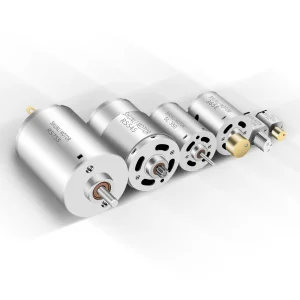
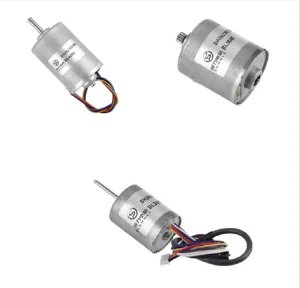
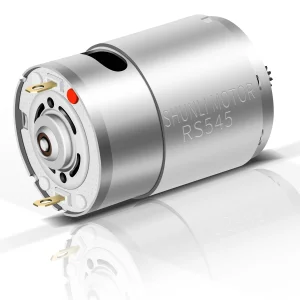
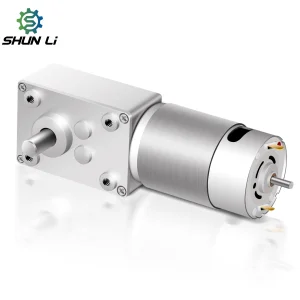
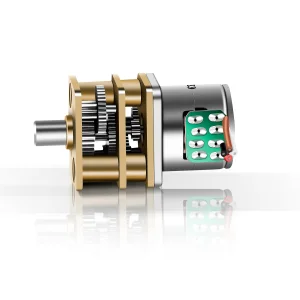
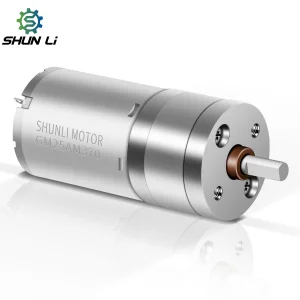
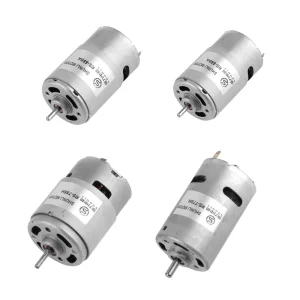
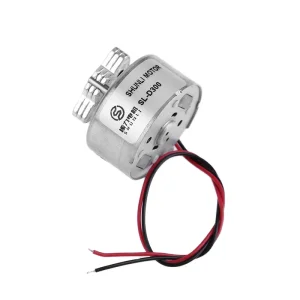
Inside a premium robotic joint, an automated medical pump, or a high-end smart lock, space is the ultimate luxury. At RadixPro, we measure our success in micrometers and decibels. Our mission is to take advanced, heavy-duty rotational power and compress it into the most compact, energy-efficient footprints imaginable.
Our expertise lies in the micro-details of motion. From precision-wound copper rotors and high-purity commutators to zero-backlash planetary gear trains, every single internal component of a VortexPro motor is optimized to eliminate friction and maximize heat dissipation. By combining advanced automated Swiss-style hobbing with Japanese dynamic balancing, we ensure our micro drives deliver the fluid, whispering-quiet power your brand promises. When your next high-tech innovation relies on repeated mechanical perfection, let RadixPro be the core that spins it forward.
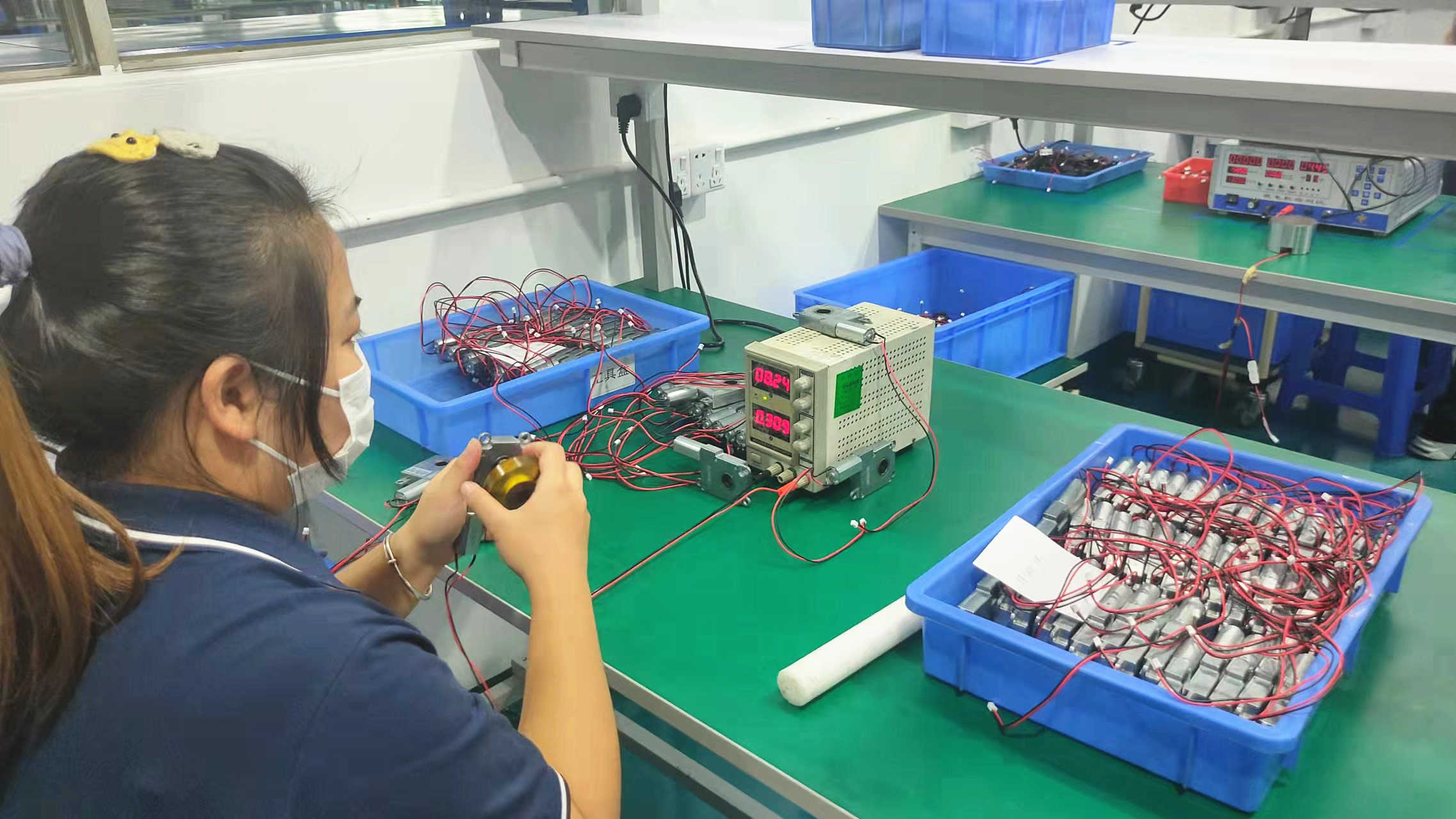
Why input tolerance matters in micro and macro electromechanical systems.
In the globalized industrial landscape, electronic components are deployed across disparate electrical ecosystems. A device built in Germany may operate on a nominal 230V grid, while the same system exported to the United States runs on 120V. For micro gear motors and DC micro drives, voltage fluctuations are not just an operational anomaly; they are a daily reality. This is where wide voltage motors become critical.
Traditional electric motors are engineered with narrow operating bands. Subjecting a standard motor to overvoltage saturates the magnetic core, leading to excessive heat generation, breakdown of the insulation winding, and eventual thermal failure. Undervoltage is equally destructive: it limits torque output, increases the amperage draw to maintain mechanical speed, and results in stall-outs. Wide voltage motor design incorporates high-permeability core materials, customized slot-fill ratios, and robust thermal insulation classes to withstand variations across wide input ranges (e.g., 3V to 24V for micro drives, or 100V to 480V for industrial machinery).
The convergence of raw material dominance, industrial clusters, and precision machinery.
Immediate access to NdFeB rare-earth magnets and high-grade silicon steel laminations minimizes logistics delays and material overheads.
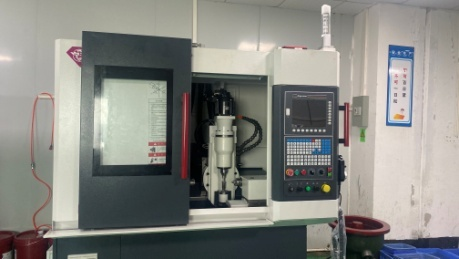
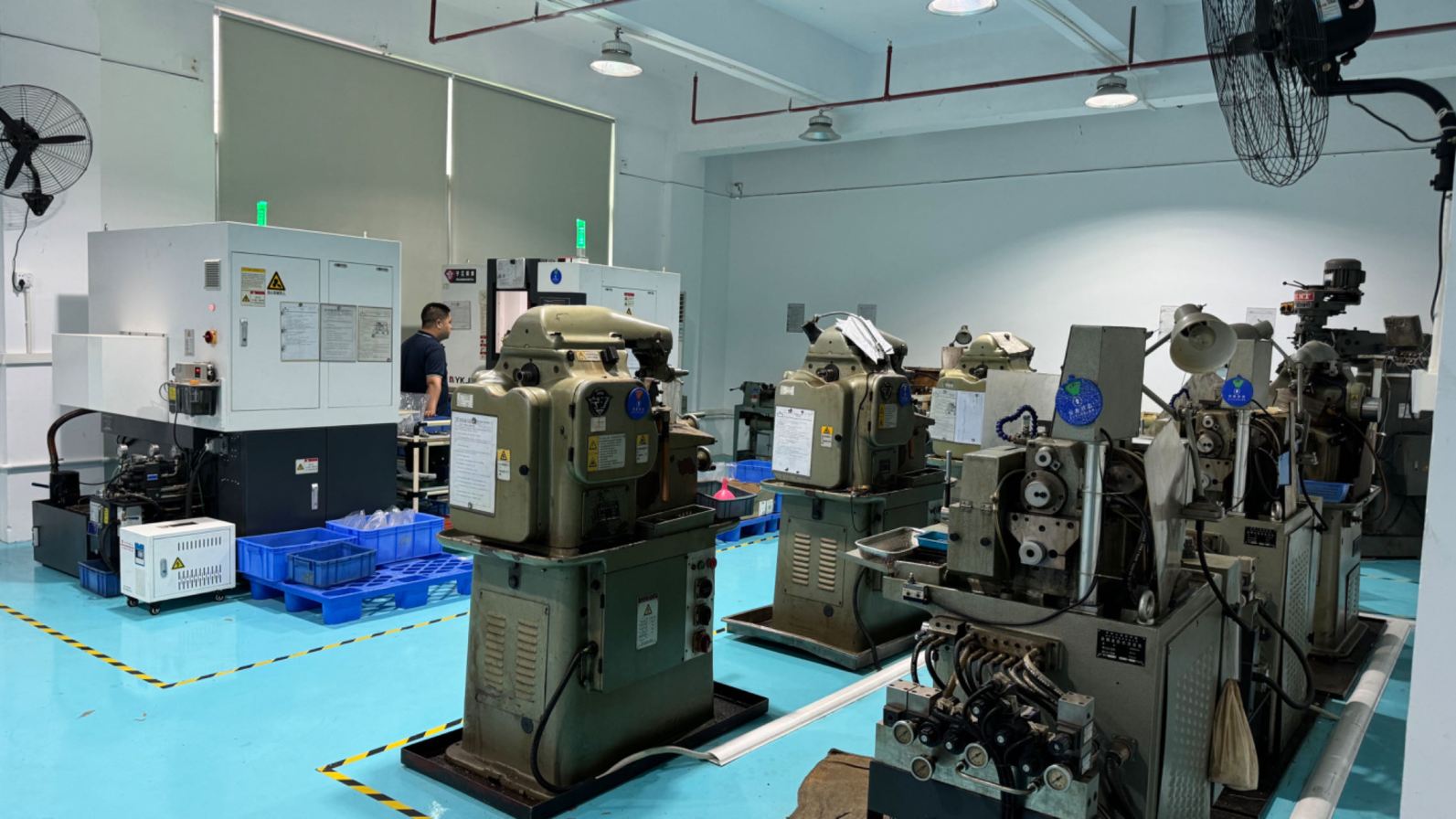
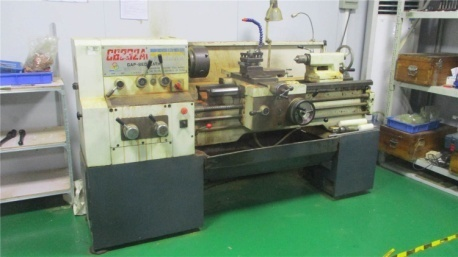
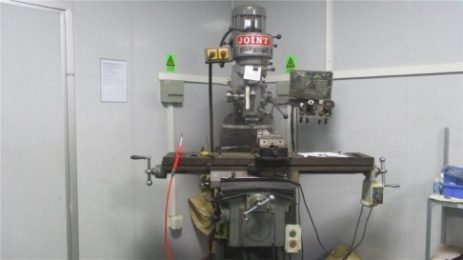
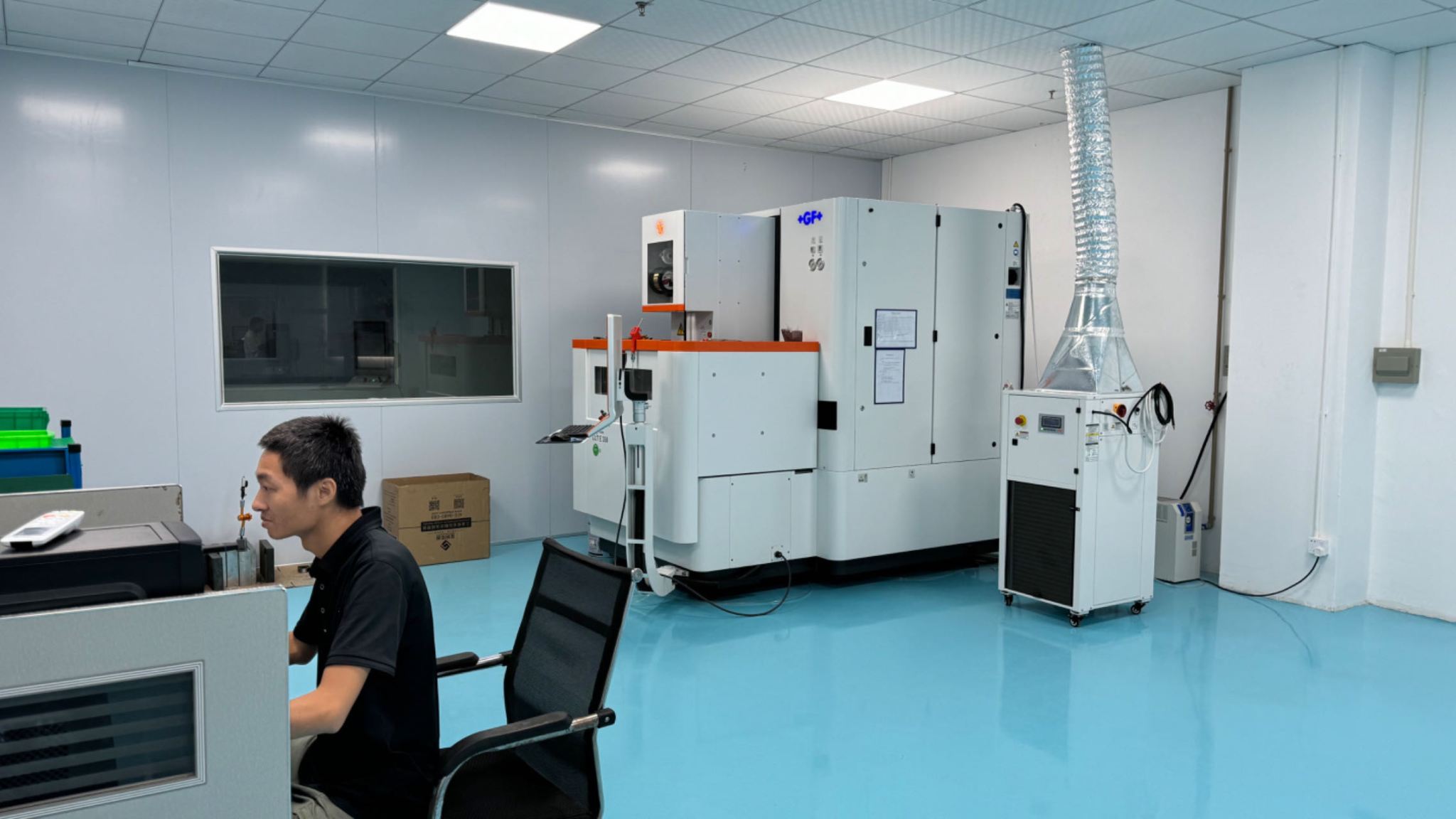
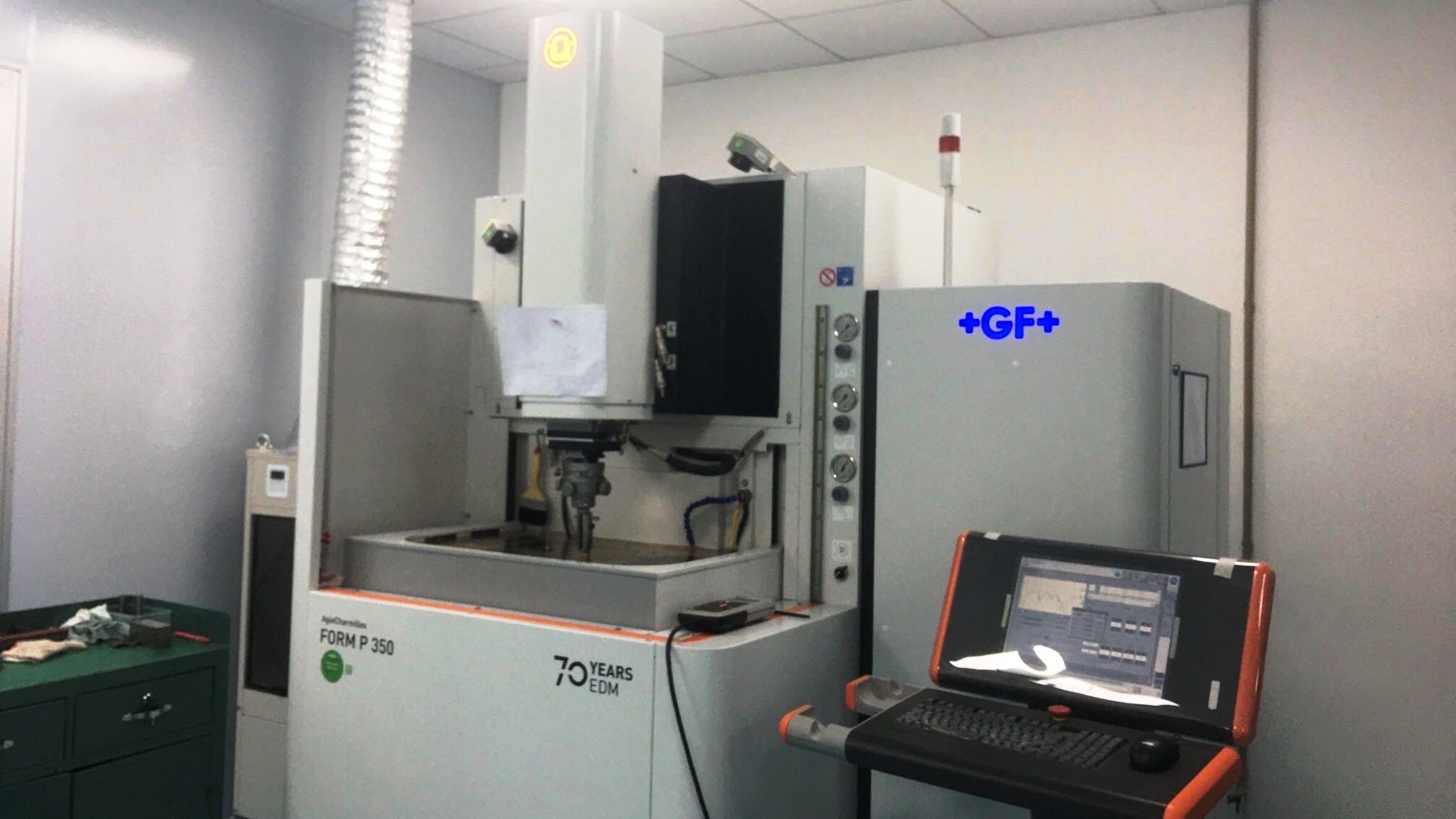
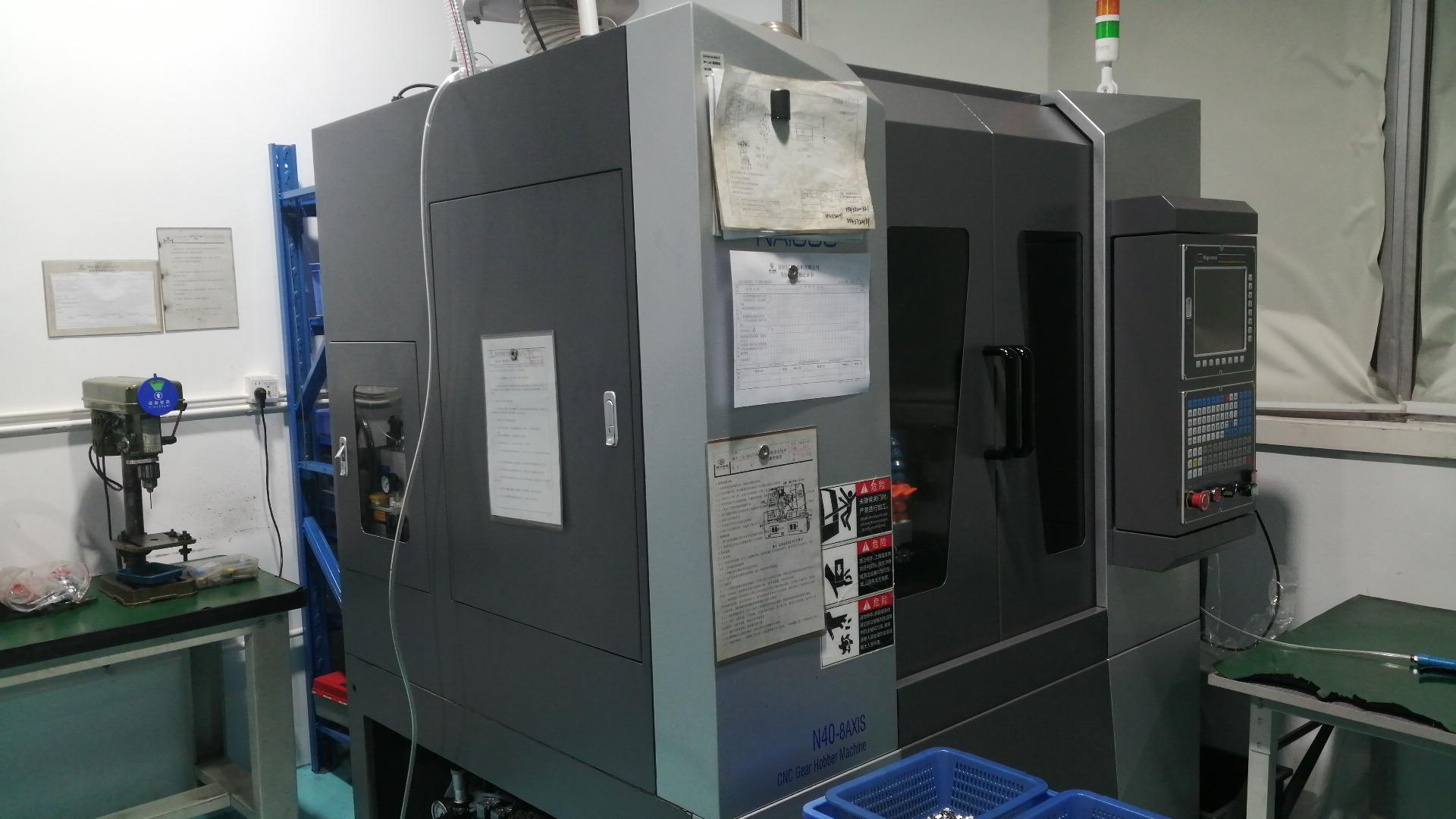
By utilizing world-class tooling (such as Ningjiang lathes and gear hobbers), Chinese manufacturers achieve tight dimensional tolerances below 5 microns.
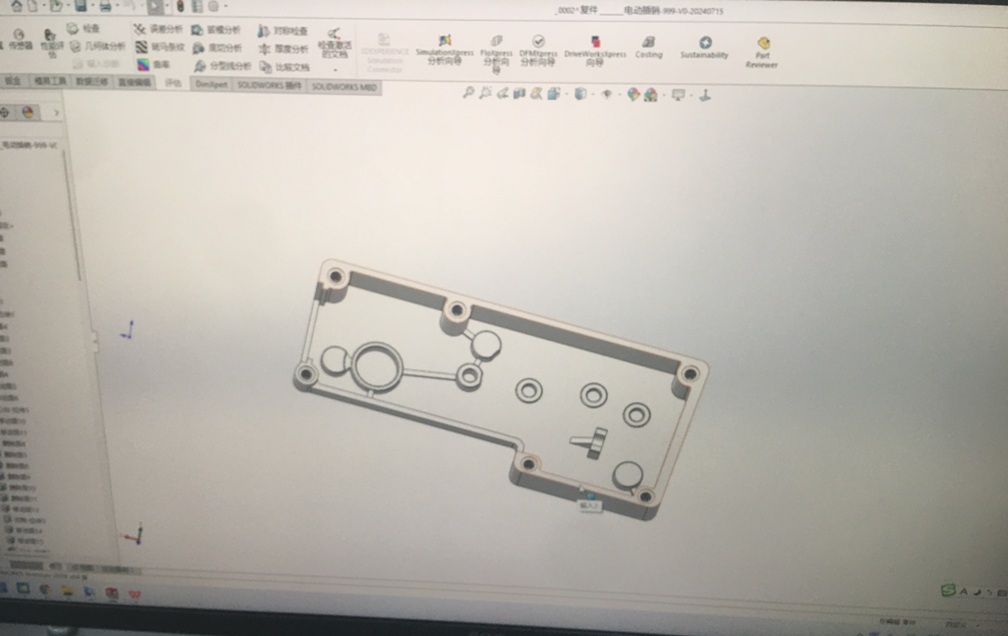
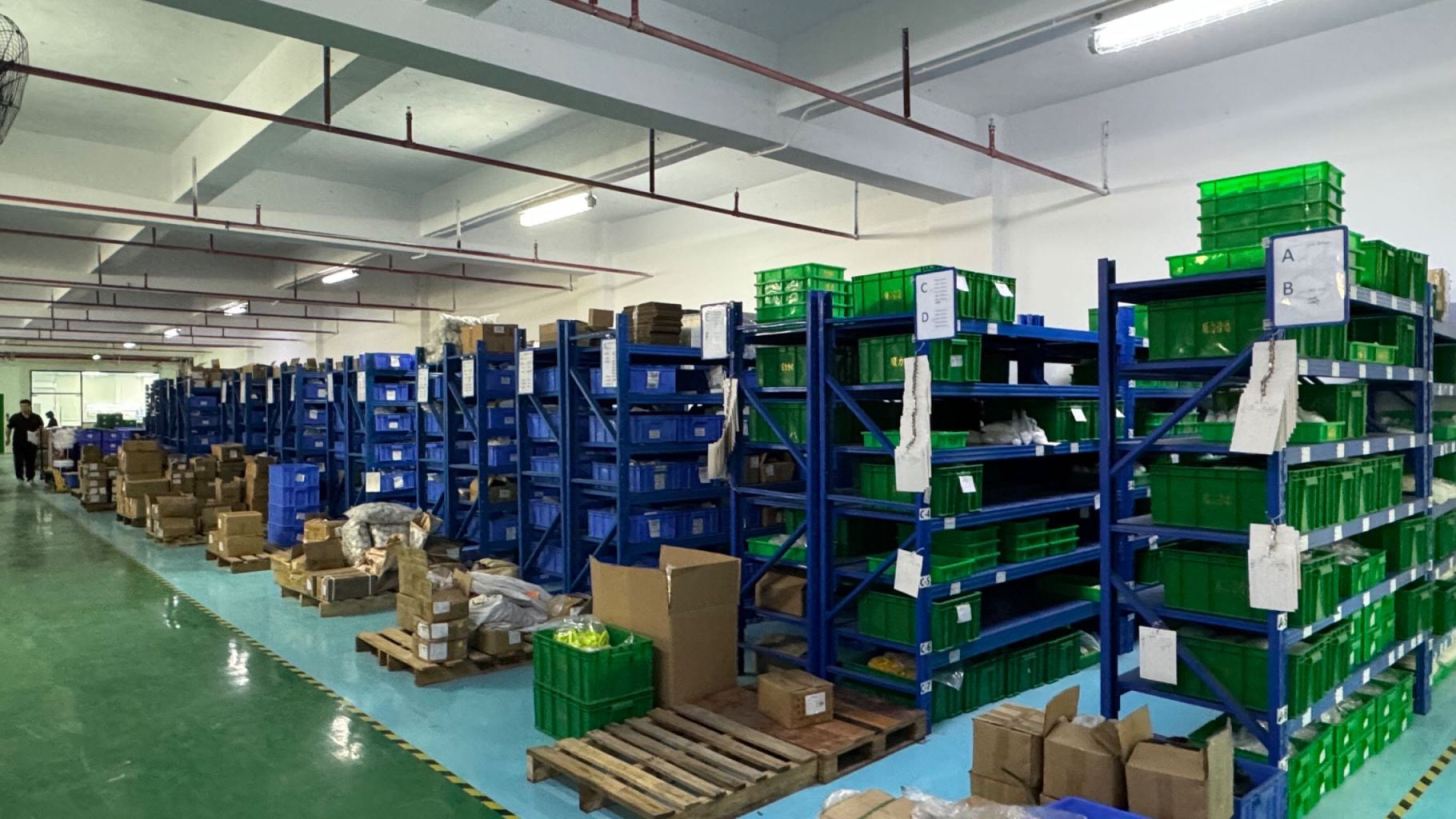
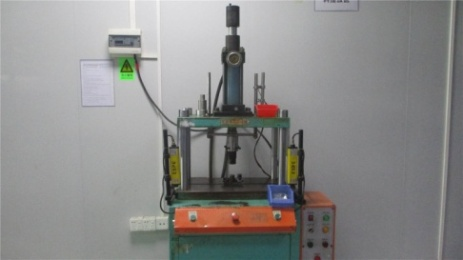
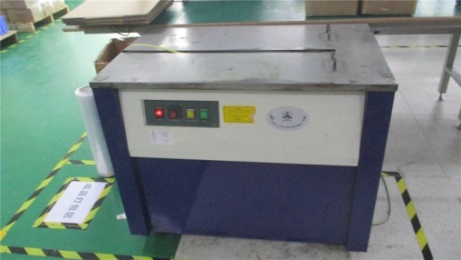
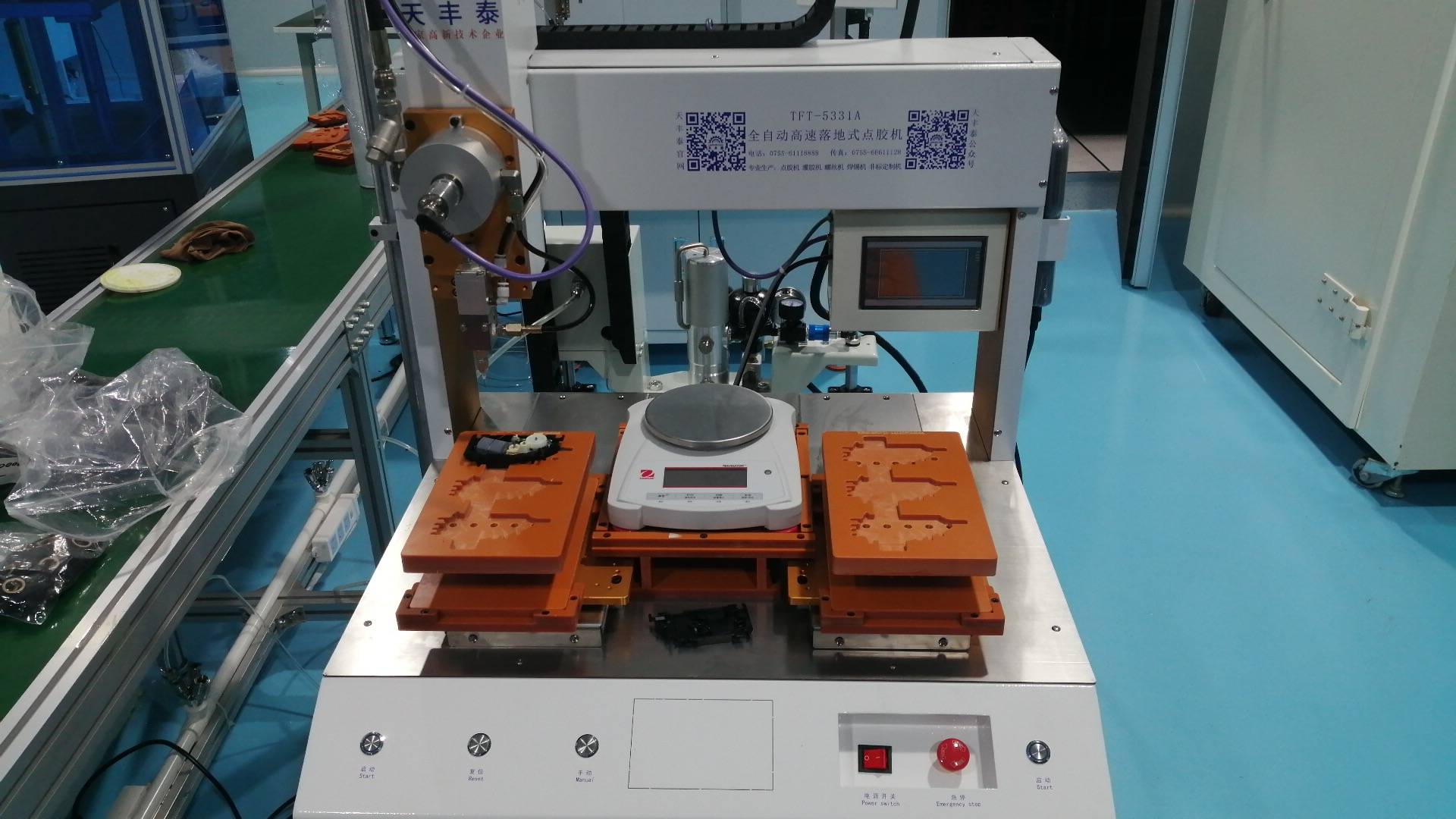
Complete control from initial CAD design to automated winding, injection molding, dynamic balance testing, and soundproof chamber inspection.
Agile engineering setups allow fast prototyping of custom shaft geometries, gear ratios, and insulation levels tailored to global distribution specs.
Because over 70% of the world's rare earth processing is centered in China, local motor manufacturers can source high-coercivity permanent magnets directly. This translates to higher torque density in micro-motors without scaling up physical sizes, keeping weight low and thermal characteristics exceptional.
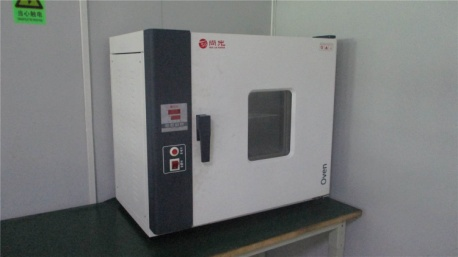
Every single motor batch undergoes non-destructive and destructive lifecycle testing to guarantee reliability.
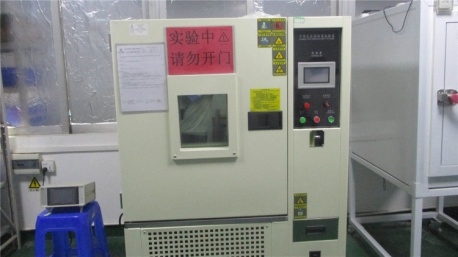
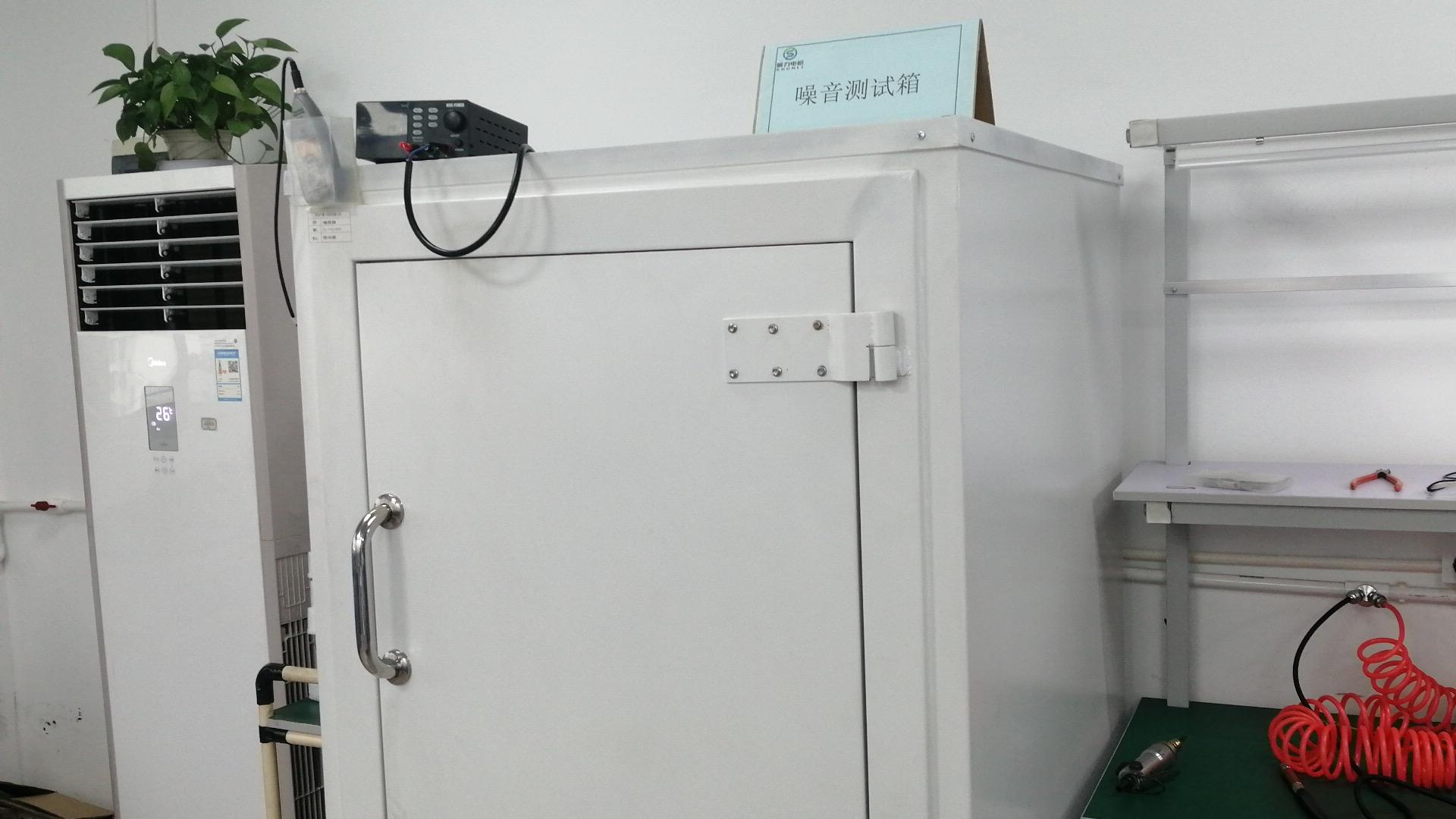
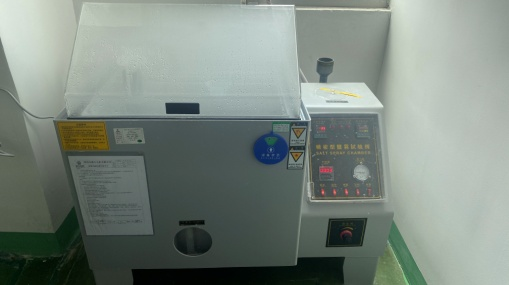
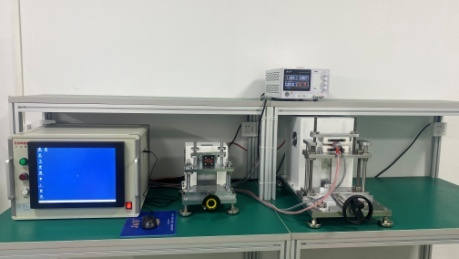
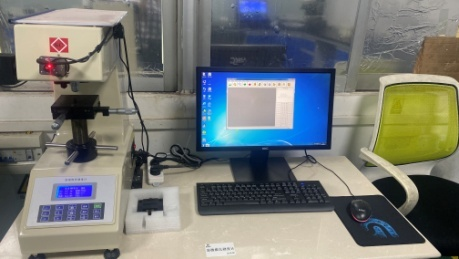

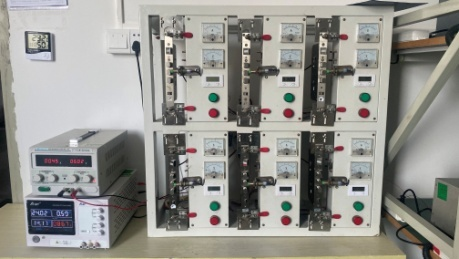
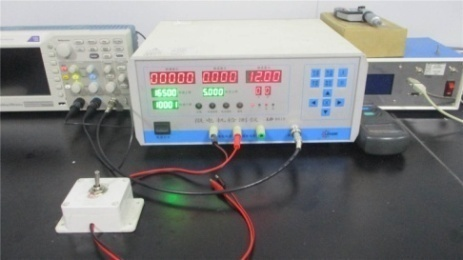

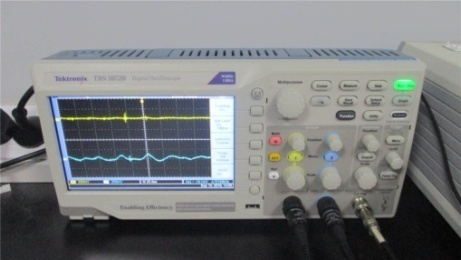
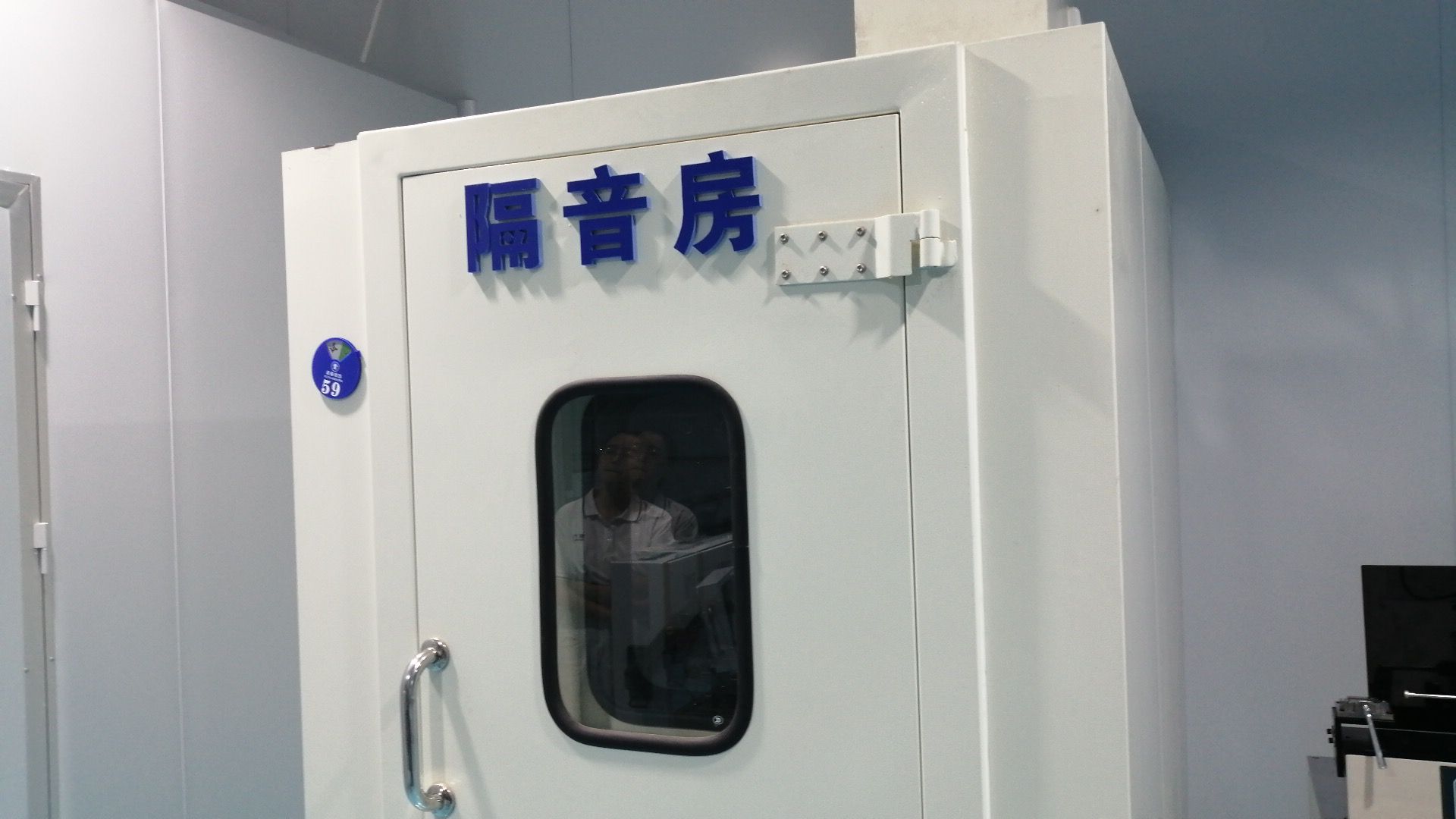
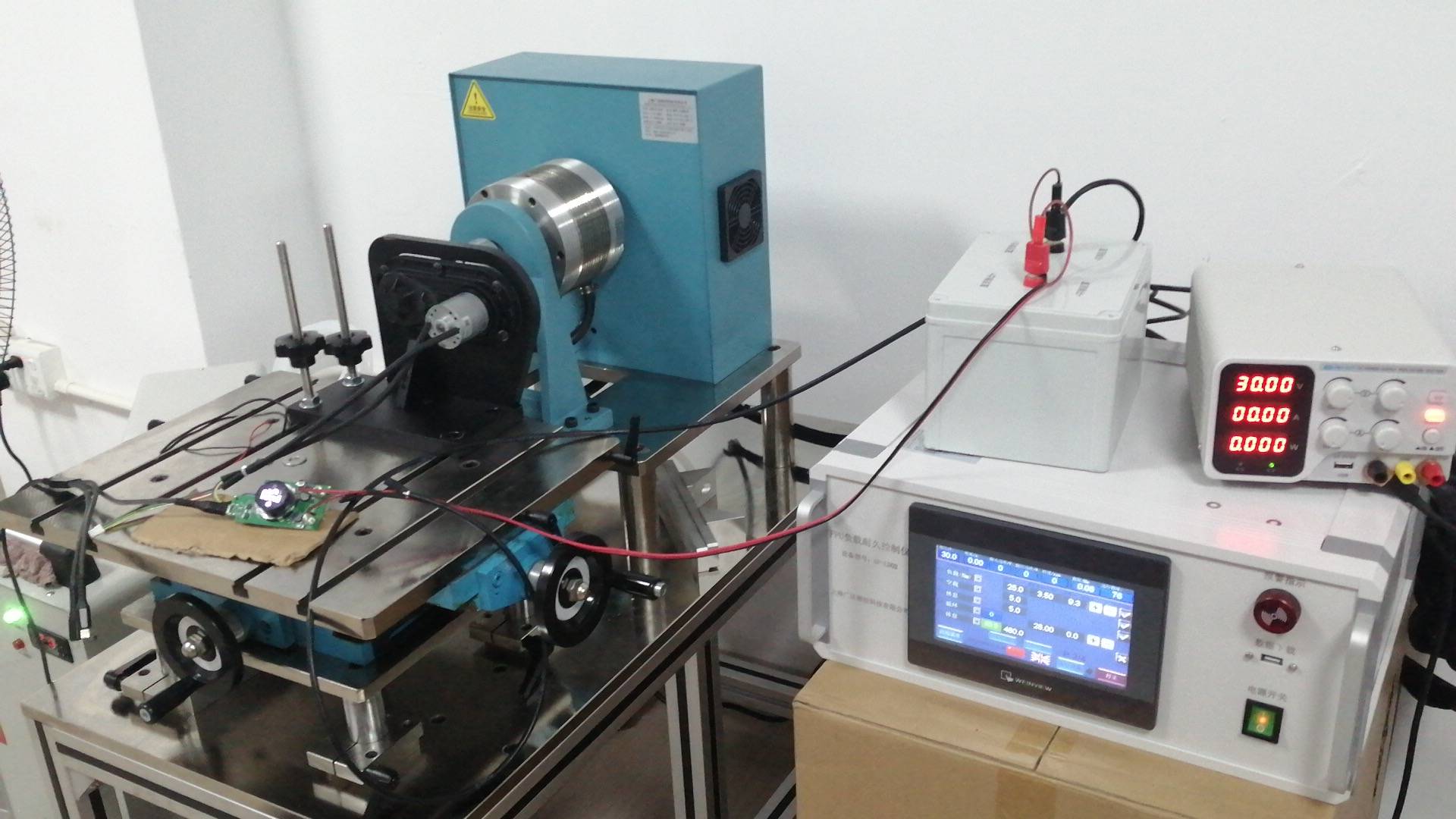
From CAD blueprints to ultra-fine tolerance component machining.

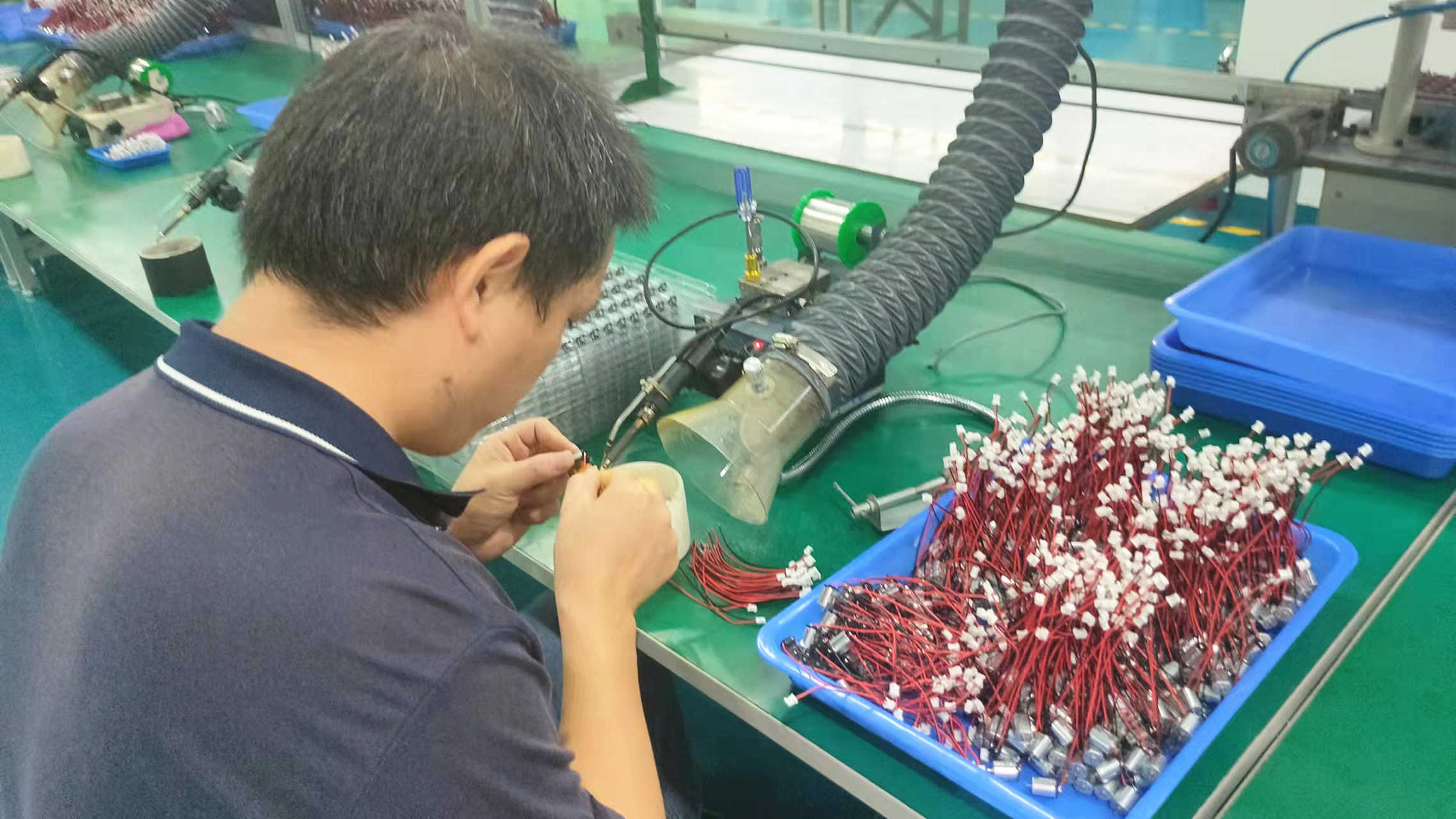
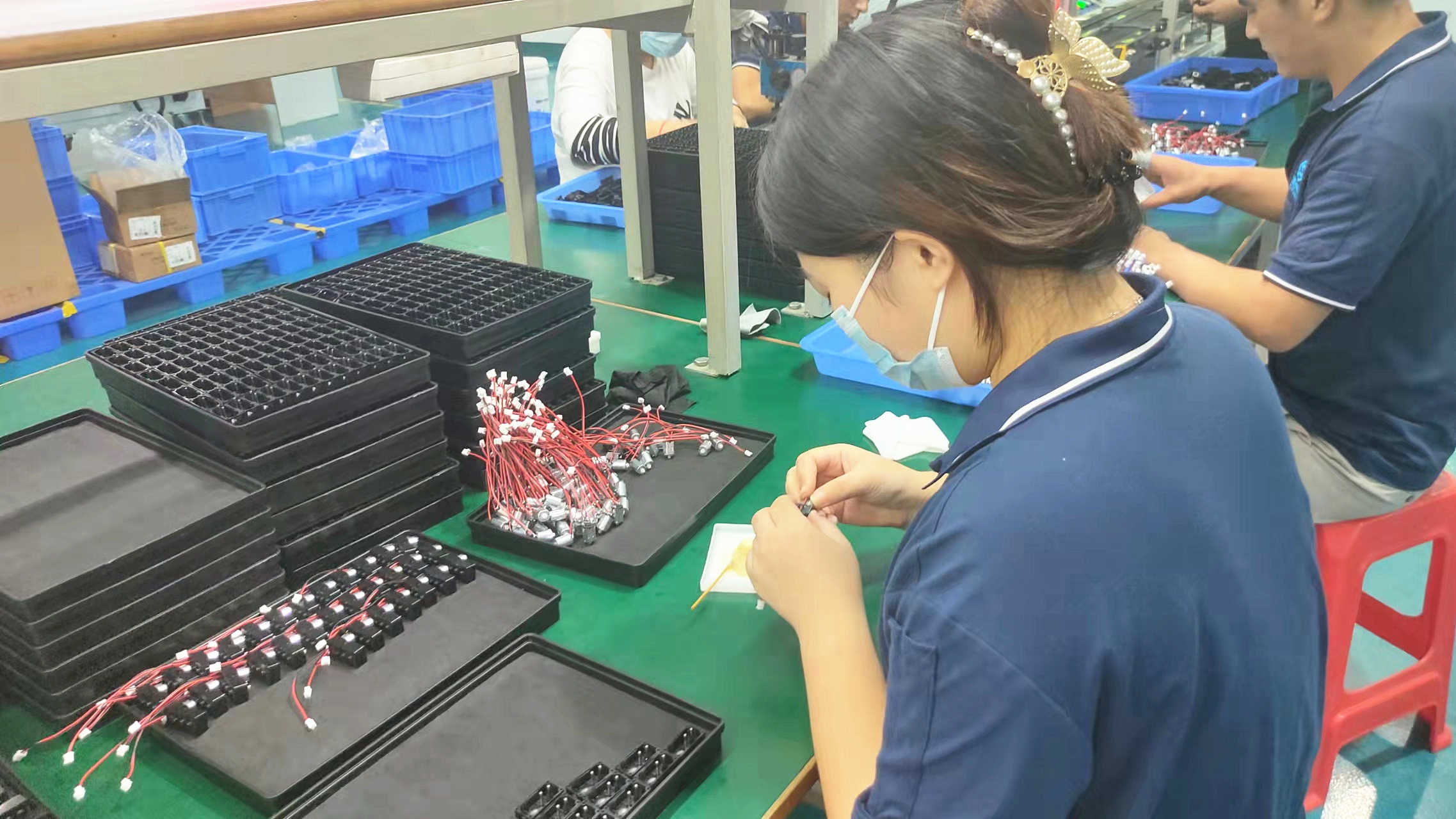
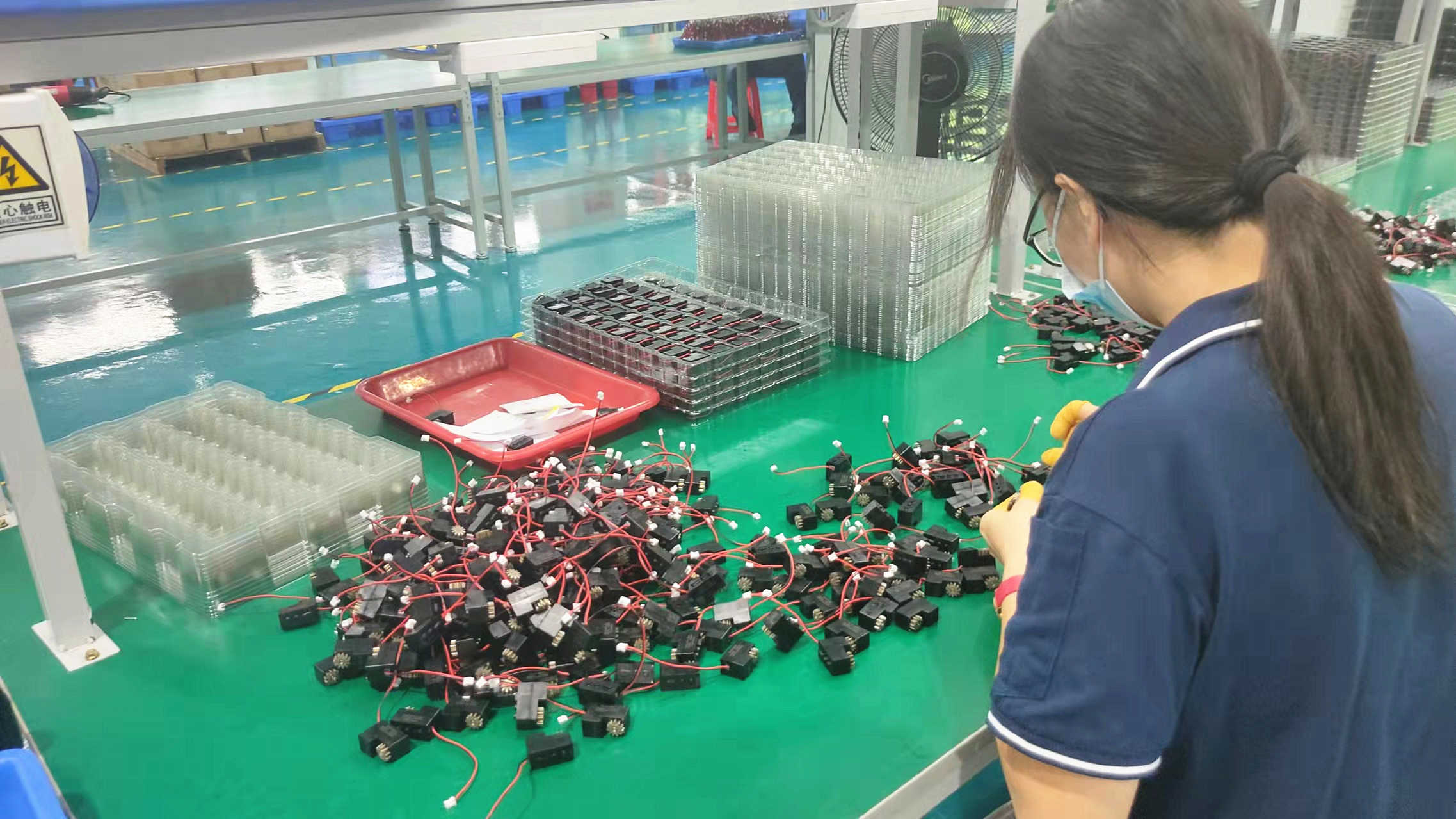
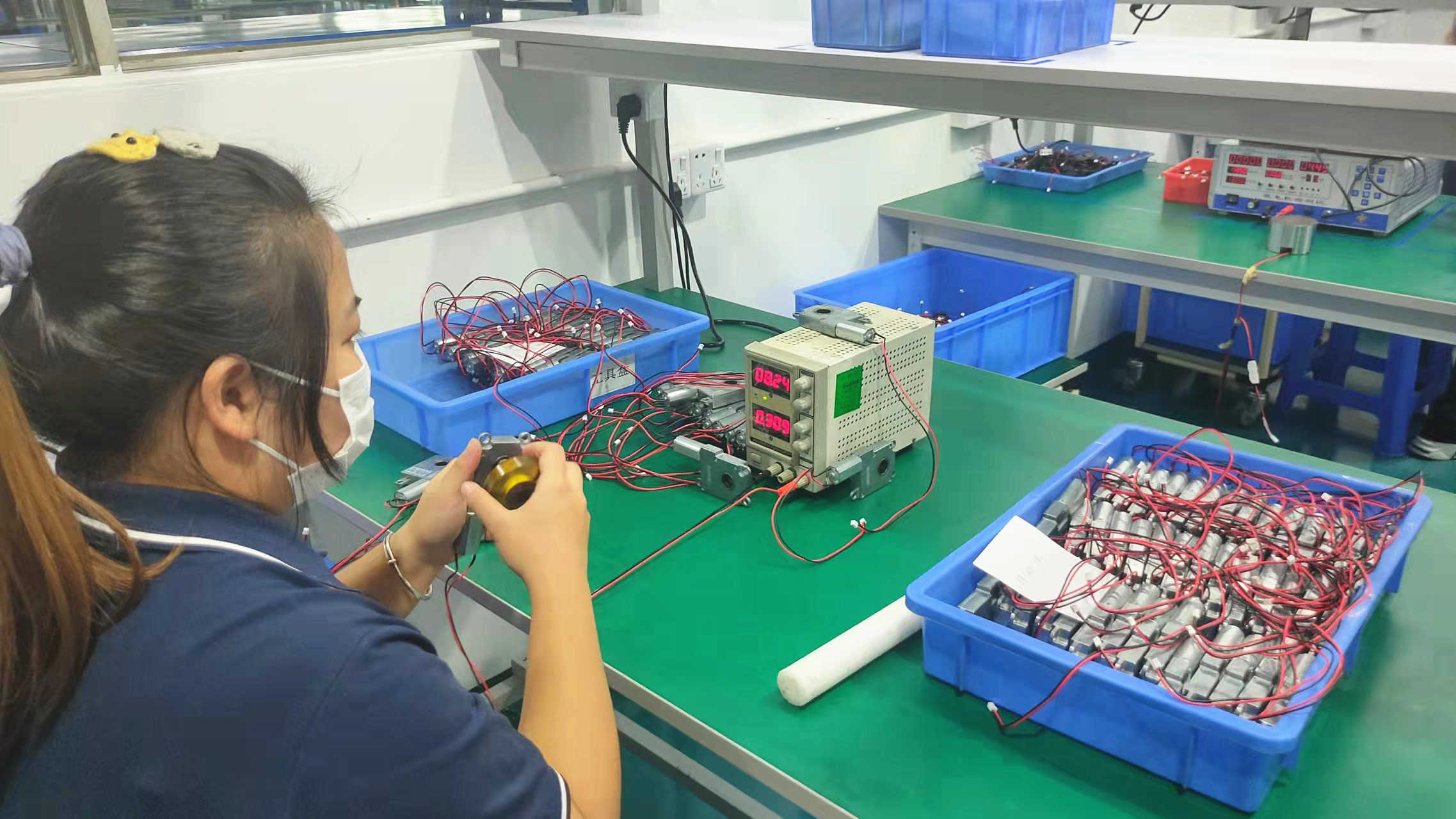
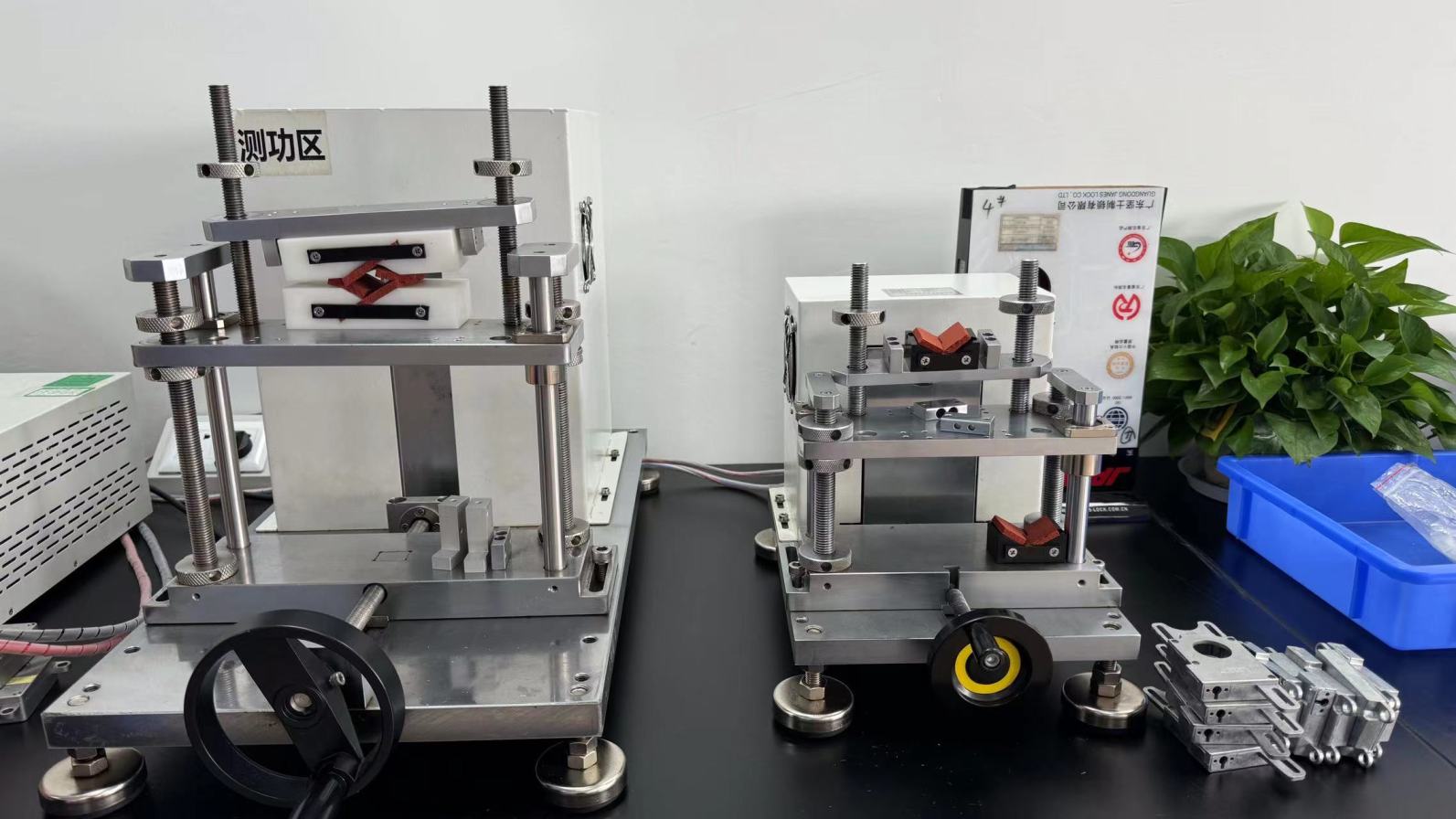
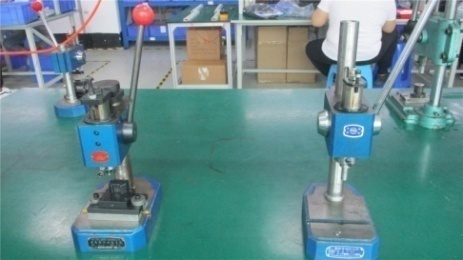
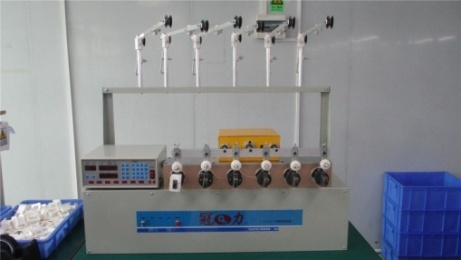
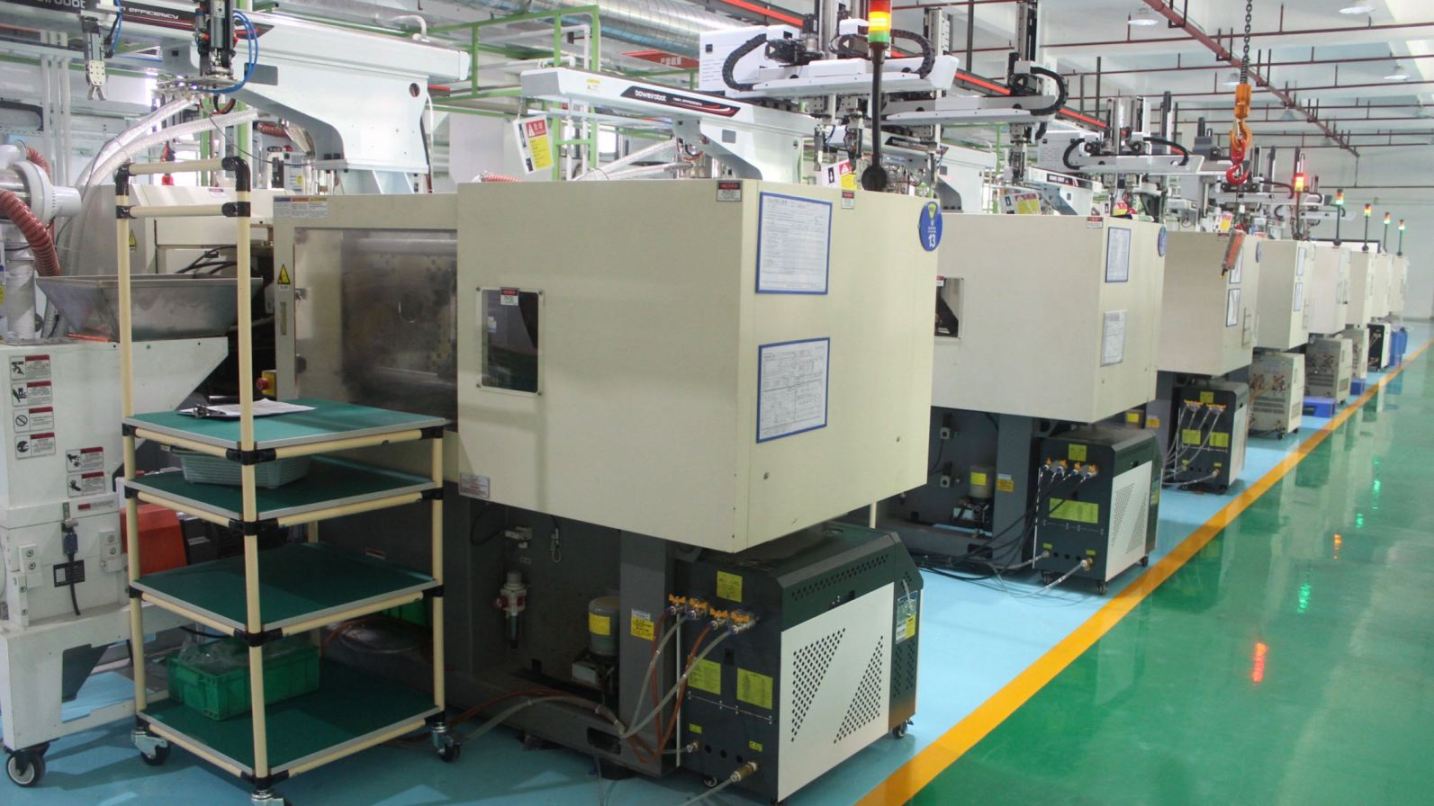
How industry leaders deploy wide-voltage micro drives across global infrastructures.
Medical drug delivery pumps require continuous, pulse-free rotational movement. Operating on decentralized power storage systems (e.g., standard internal batteries charging off fluctuating hospital outlets), these pumps require micro motors that run flawlessly between 6V and 24V without causing current spikes or speed drops. A fluctuation in current could alter the delivery volume, leading to patient complications. Modern medical designers rely on Class-H insulated brushless systems to guarantee consistent delivery rates.
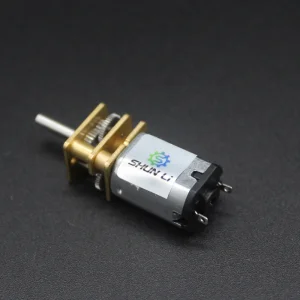
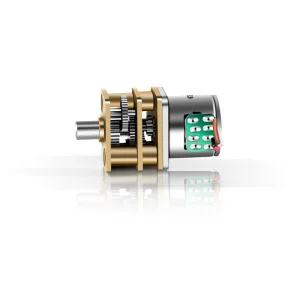
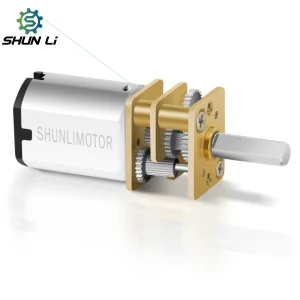
Smart access locking systems are exposed to varied outdoor temperatures and battery discharge curves. As lithium-ion batteries deplete from 4.2V to 3.0V, the motor must still generate the required breakaway torque to actuate deadbolts. RadixPro N20 micro gearboxes are engineered to maintain high torque output even at sub-nominal voltages, preventing user lockouts and minimizing field maintenance requirements.
Building management systems (BMS) are notorious for long cable runs, resulting in substantial voltage drops. A damper actuator located 200 meters from a transformer might receive only 18V instead of the nominal 24V. Standard motors will stall under load. Wide-voltage actuators are engineered to accept anywhere from 12V to 30V AC/DC, adjusting their internal duty cycles to deliver uniform valve control without overheating.
Ensure compliance, thermal integrity, and long-term supply stability.
When sourcing wide-voltage electric drives from China or any global hub, procurement managers must look beyond unit costs. Consider the following verification steps during the audit stage:
Direct technical advice from our engineering team to solve your application issues.
A: While standard DC motors operate within ±10% of their nominal voltage, wide-voltage versions are engineered to function across ranges spanning ±30% or more (e.g., a motor designed to operate dynamically from 6V to 24V). This is accomplished through high-specification commutators, lower armature resistance, and specialized thermal profiles.
A: Motor speed is directly proportional to voltage, while torque is directly proportional to current. When voltage drops, the motor speed decreases. If the load is constant, the motor will draw more current to maintain speed, increasing temperature. Wide-voltage systems incorporate specific wire gauges and magnet setups to prevent overheating during high-draw undervoltage states.
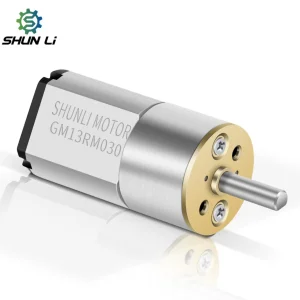
A: Micro gearboxes (like the N20 or GM12 series) contain tiny gears with modules below 0.15. Any surface irregularity or tooth spacing error causes high noise, excessive backlash, and rapid wear. Swiss-style gear hobbing and Japanese dynamic balancing tools achieve precision within 2-5 microns, extending gearbox lifespans to over 100,000 cycles.
A: Medical-grade motor components must comply with ISO 13485 quality systems, CE medical regulations, and UL safety protocols. If they are intended for drug contact or skin contact devices, they must also feature bio-compatible lubricants and lead-free RoHS-certified materials.
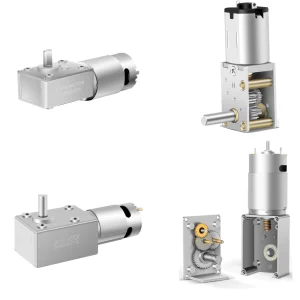
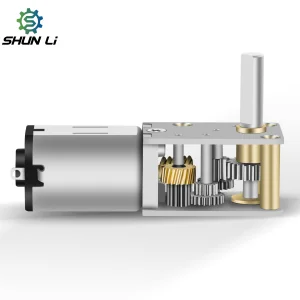
Further motor selections for high-torque, low-rpm, and worm-gear solutions.