RadixPro
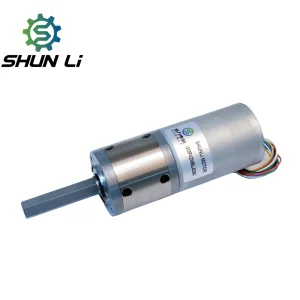
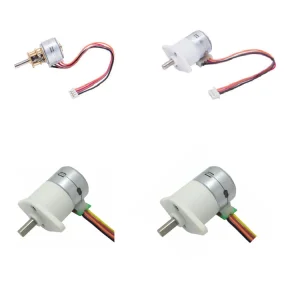
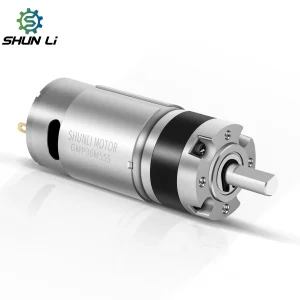
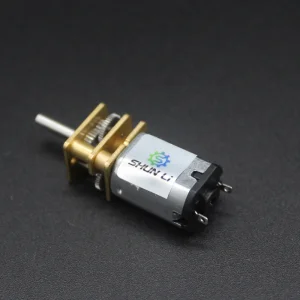
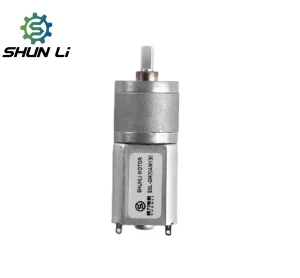
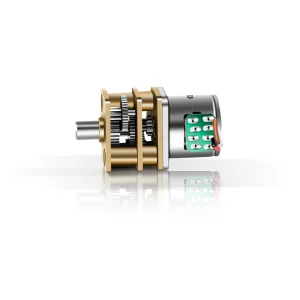
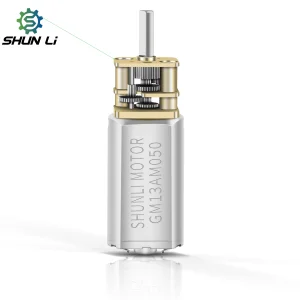
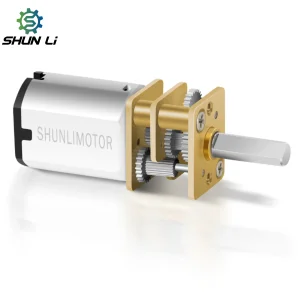
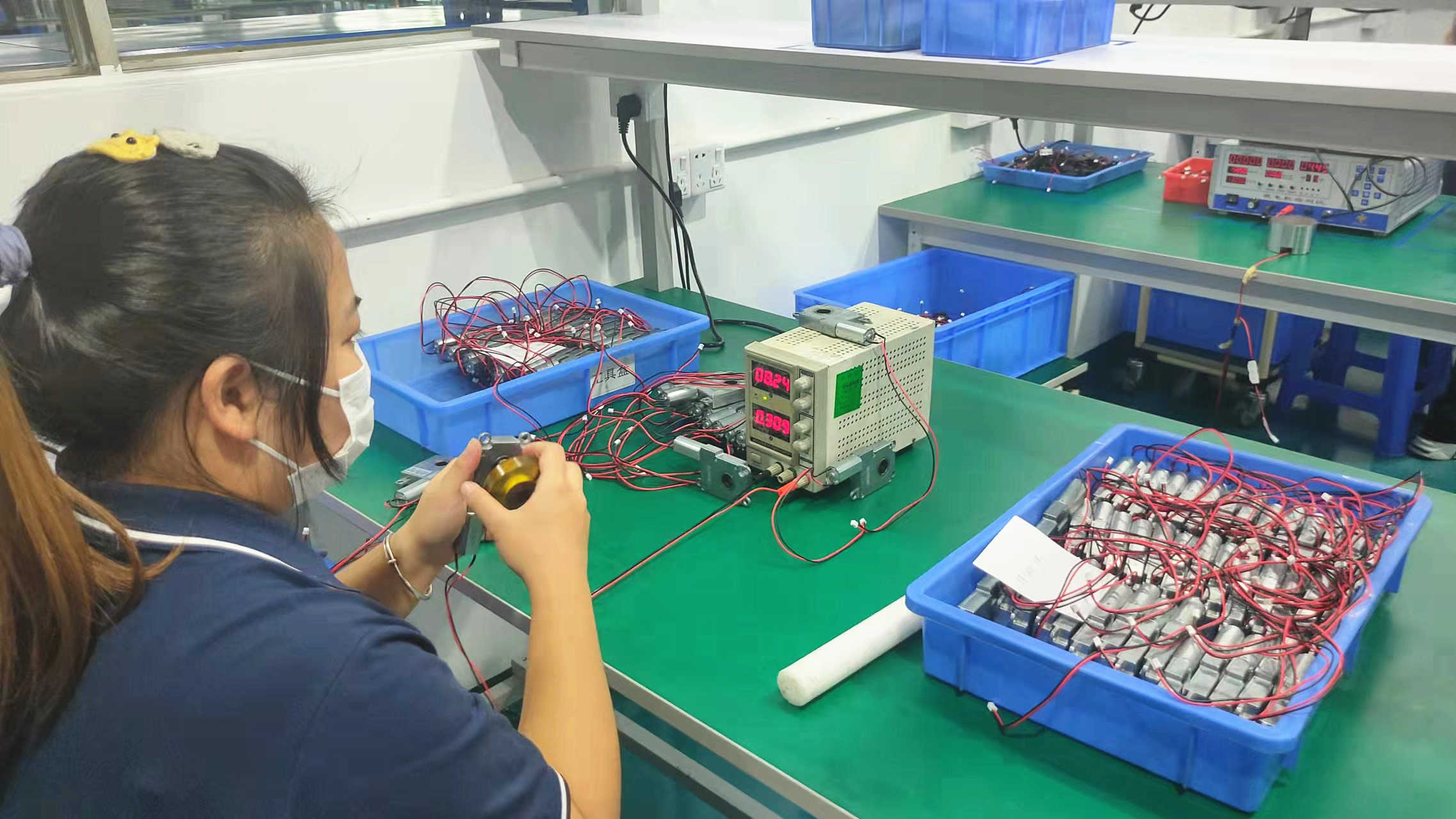
In the global market for precision engineering, Chinese miniature motor manufacturers have evolved from simple cost-competitive assembly centers into world-class innovation hubs. Today, China produces over 70% of the world's micro-motors, backed by an unmatched industrial supply chain, advanced automated raw material refinement, and deep engineering clusters.
1. Complete End-to-End Vertical Supply Chain Integration
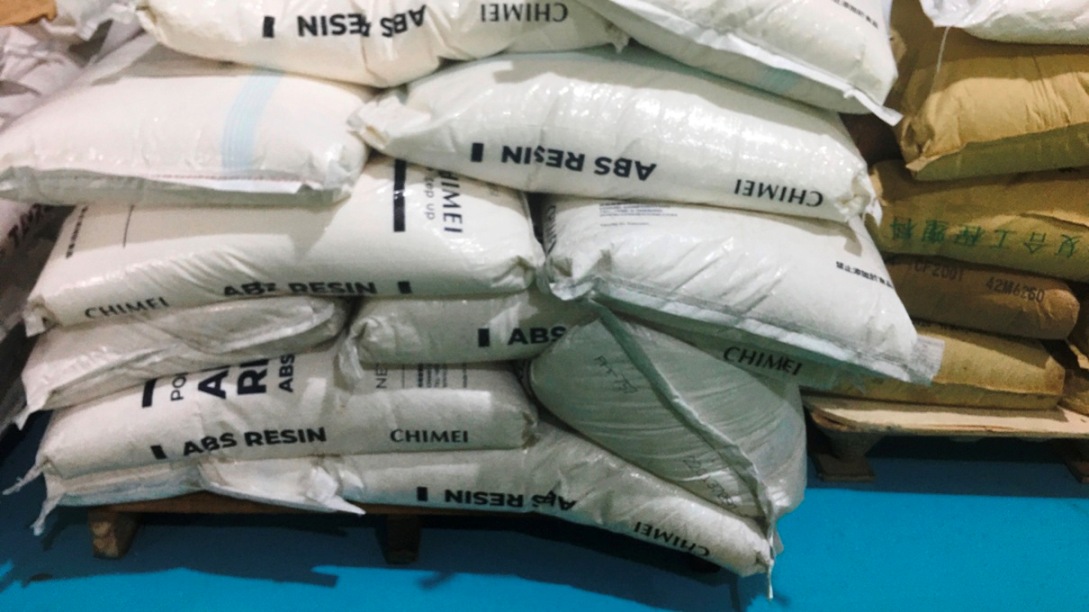
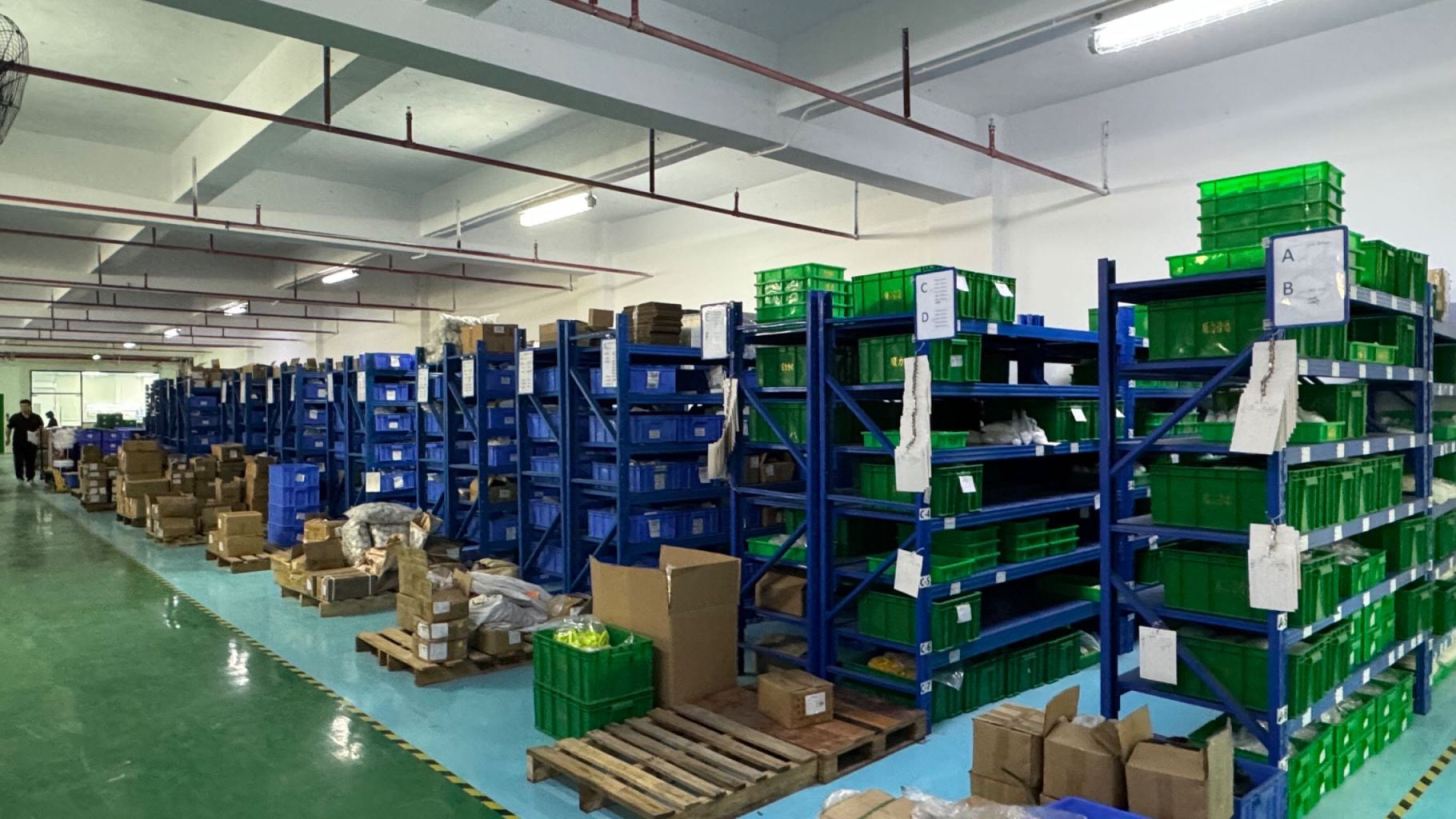
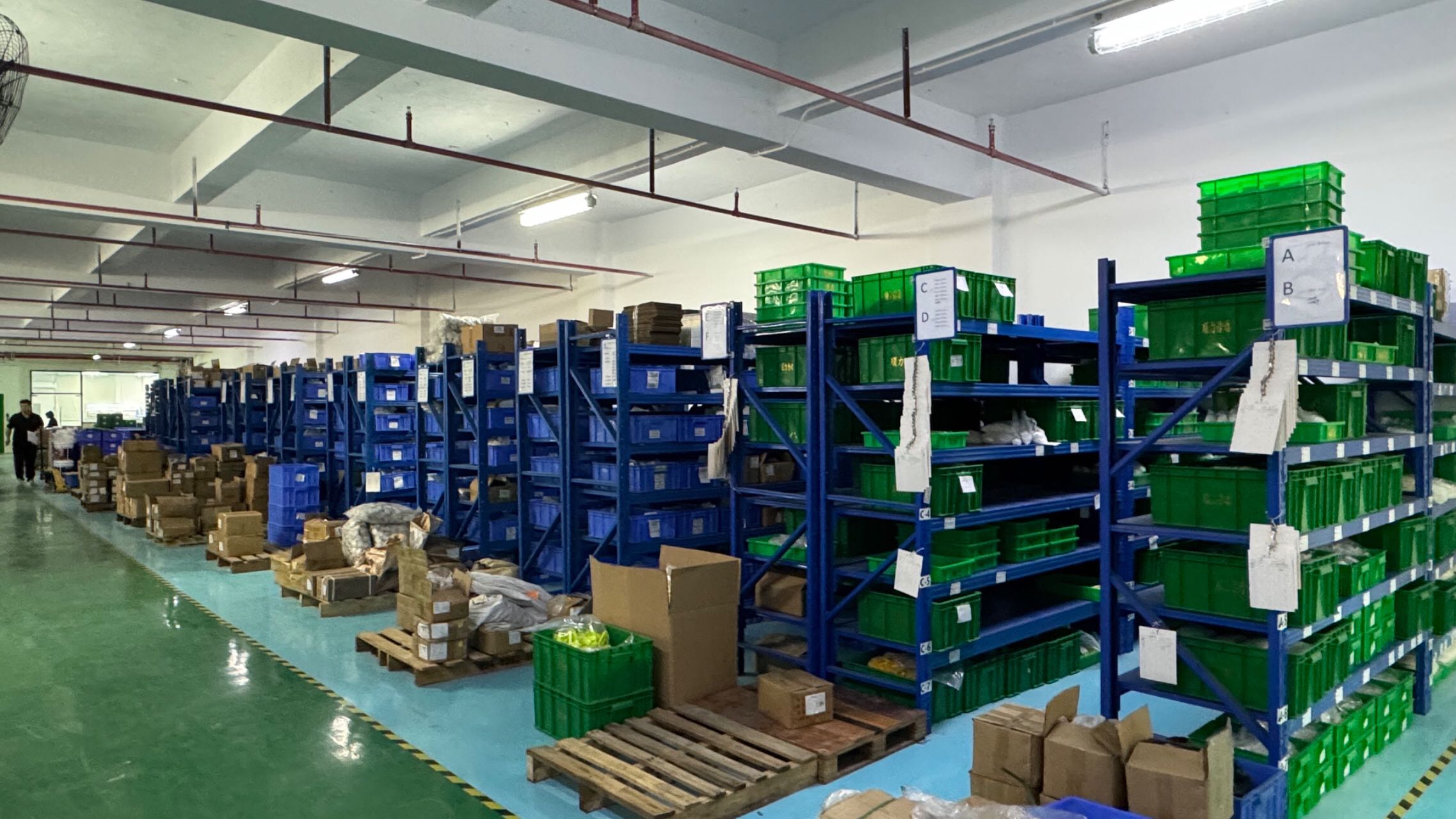
Unlike regional production houses that rely heavily on imported components, the Chinese manufacturing hub hosts a complete raw materials and components network. From rare-earth neodymium permanent magnets mined and processed locally, to ultra-fine high-temperature pure copper wire, everything is sourced within a short geographical radius. This results in minimal lead times, streamlined logistics, and significant cost savings that are passed directly to our global OEM partners.
2. Unrivaled Precision Machining & Dynamic Calibrations
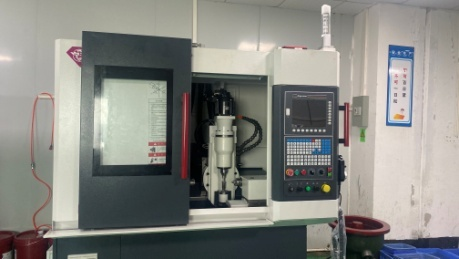
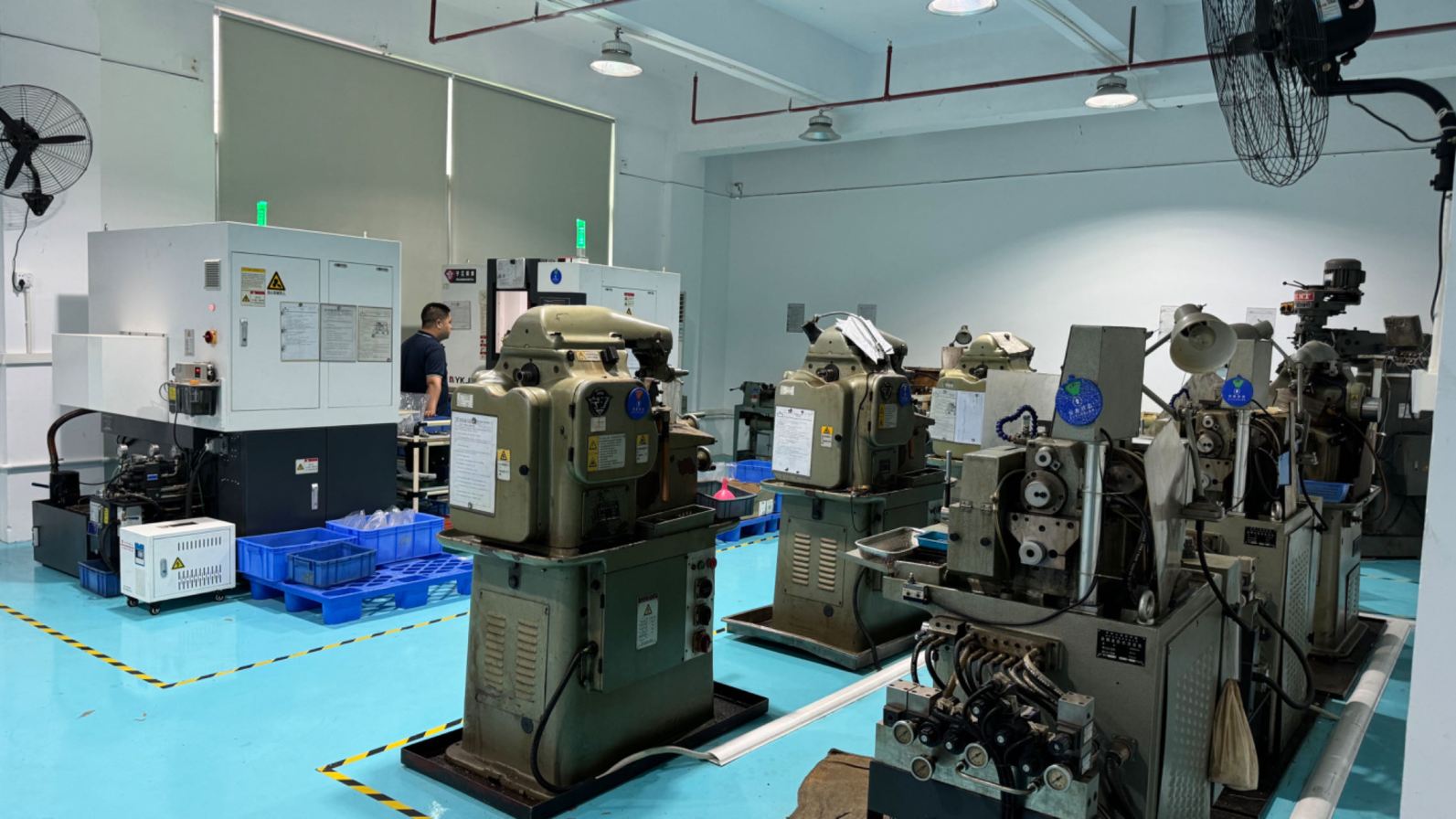
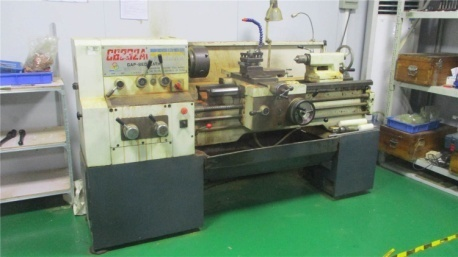
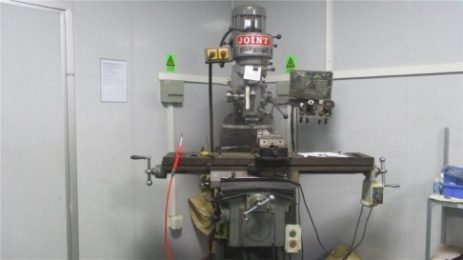
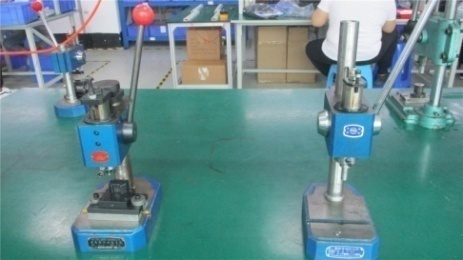
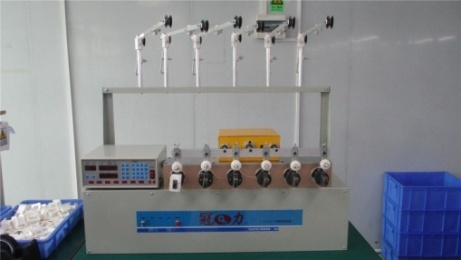
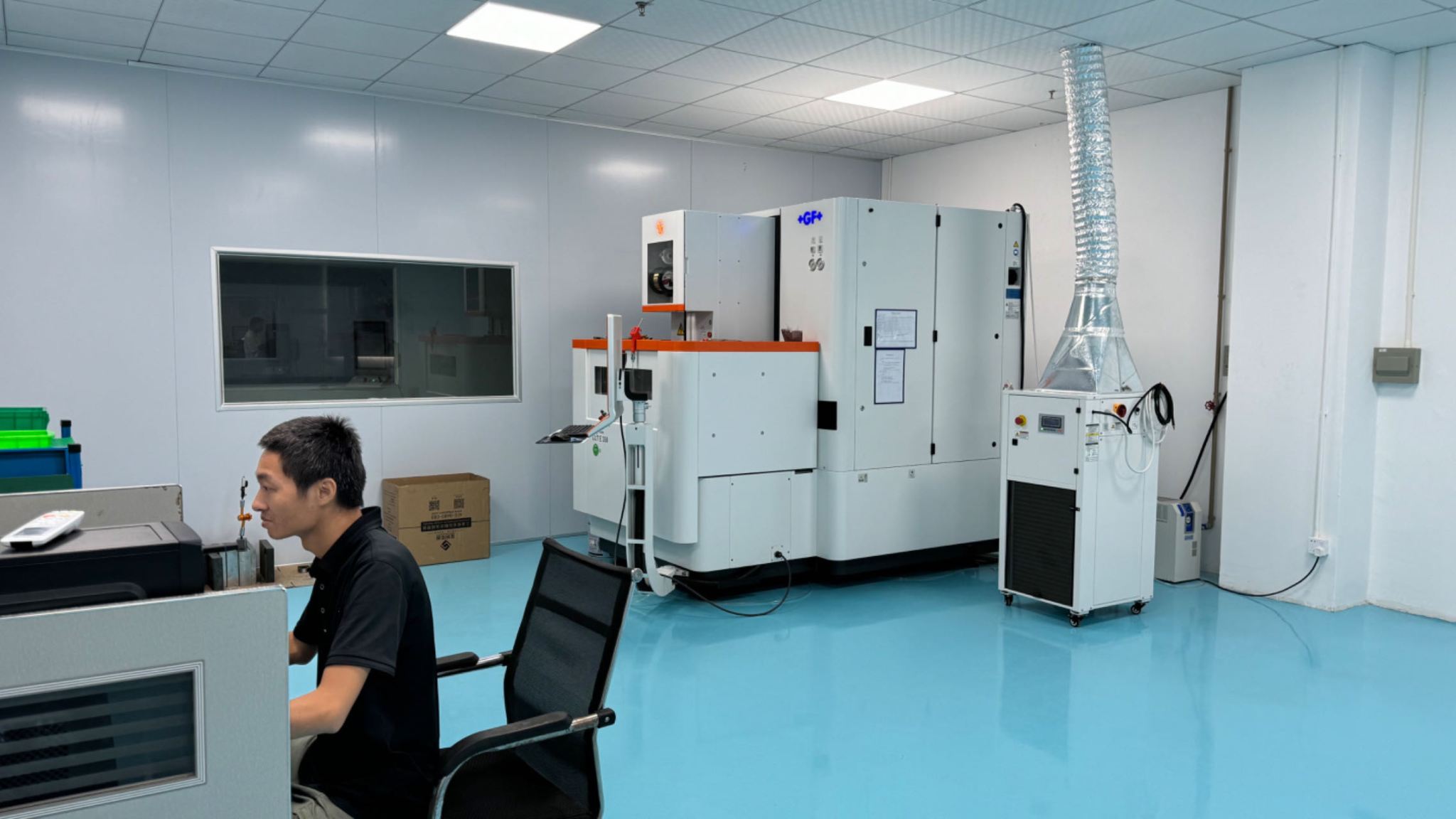
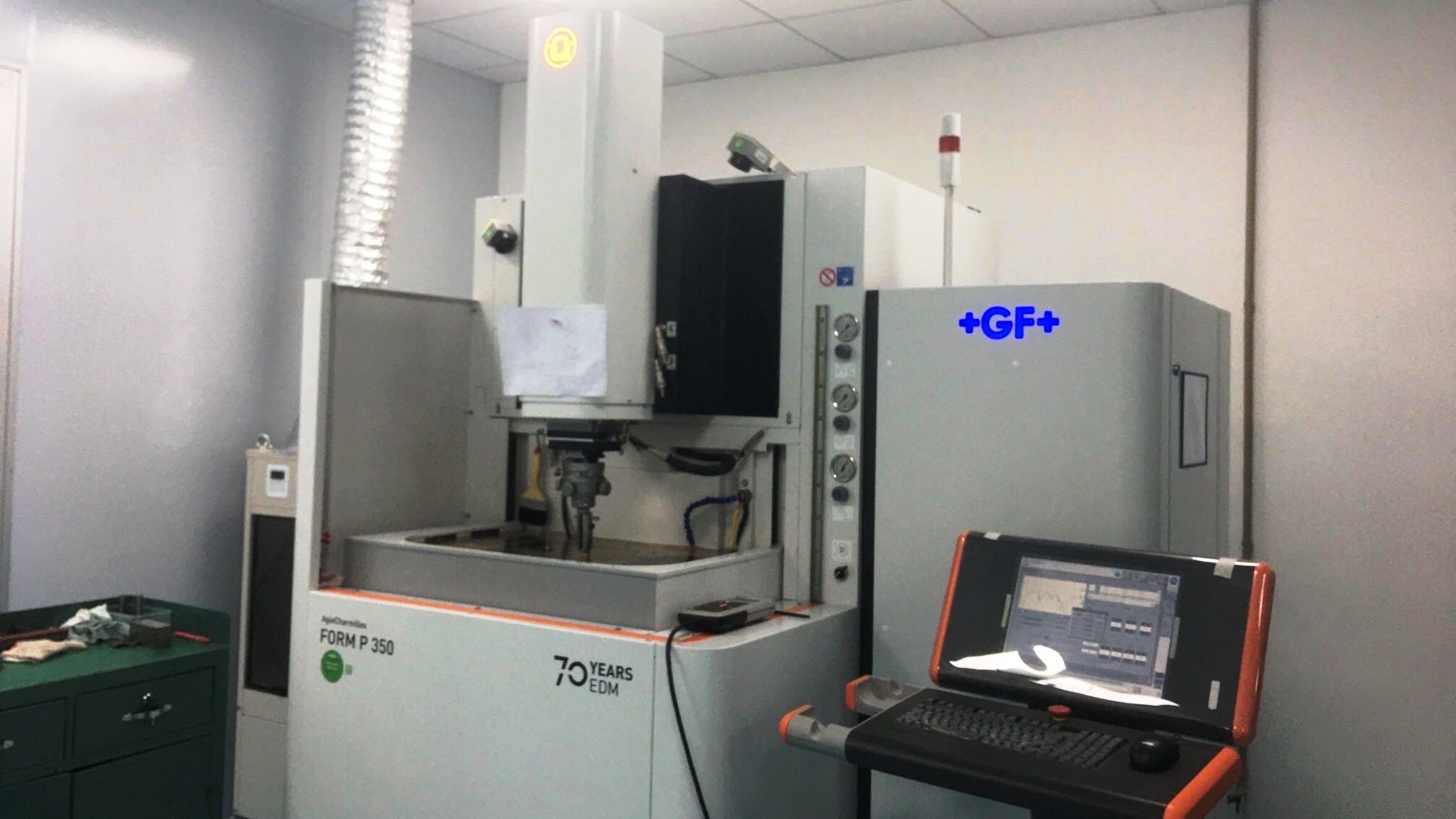
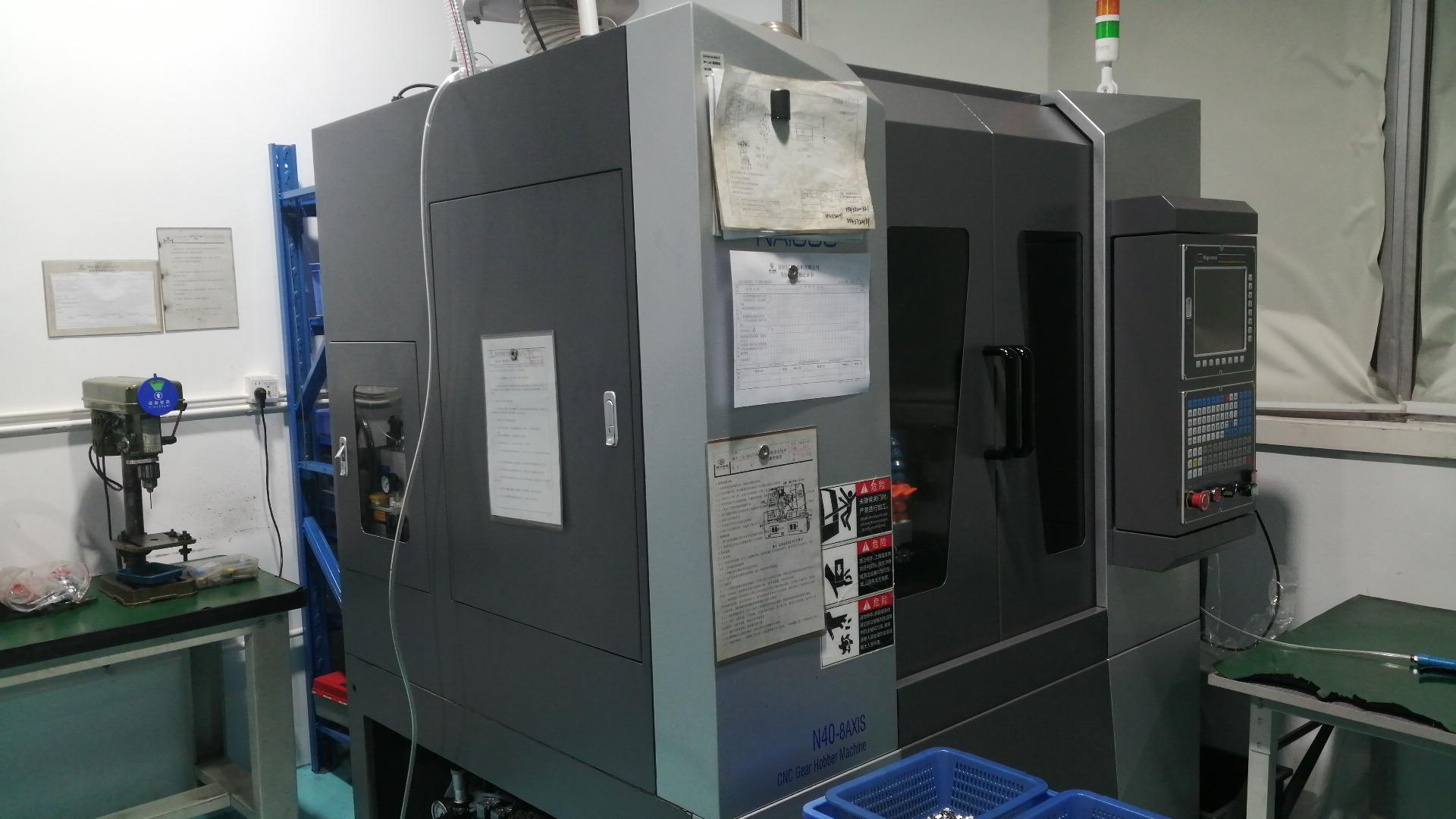
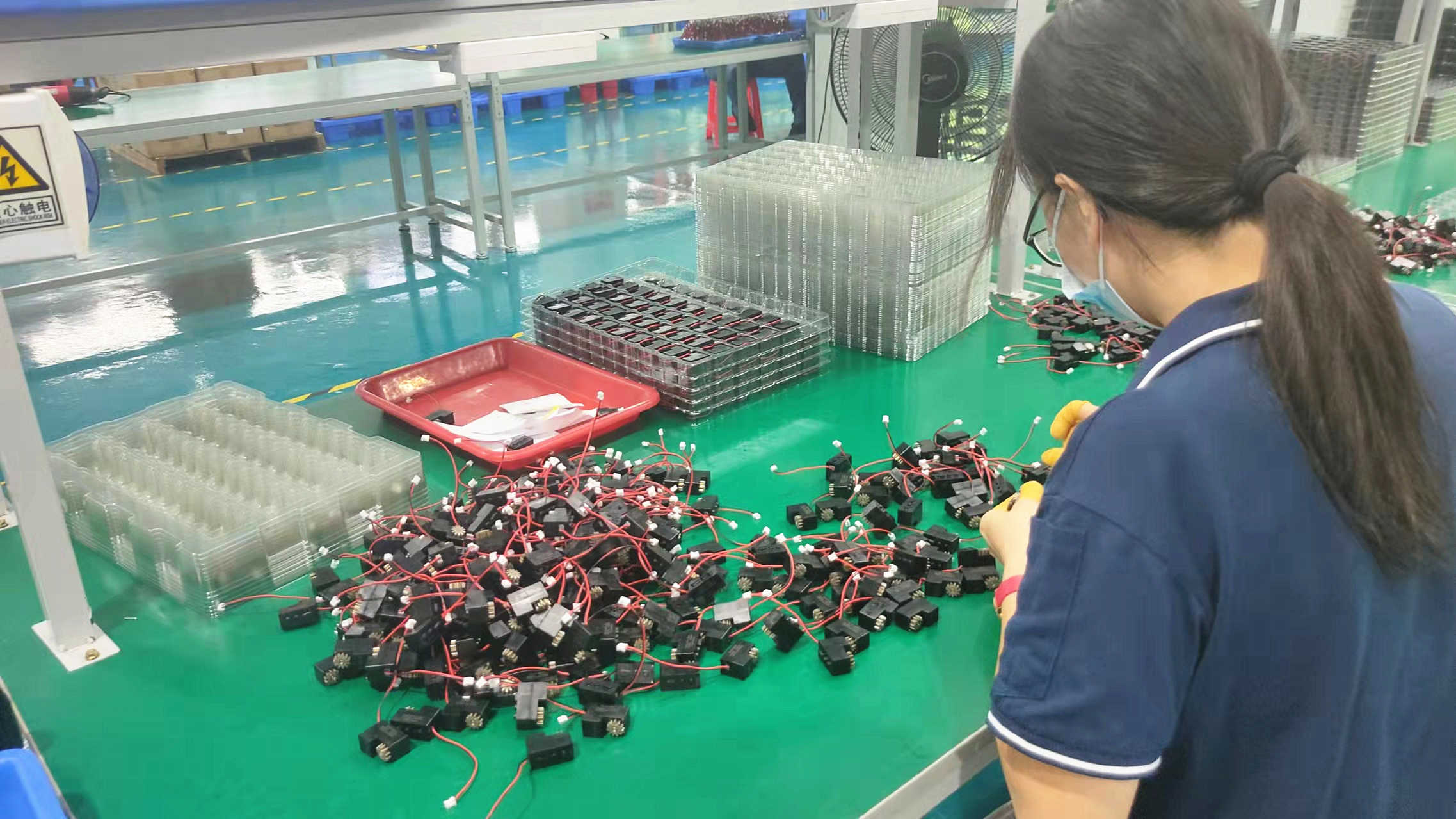
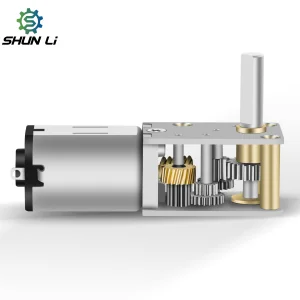
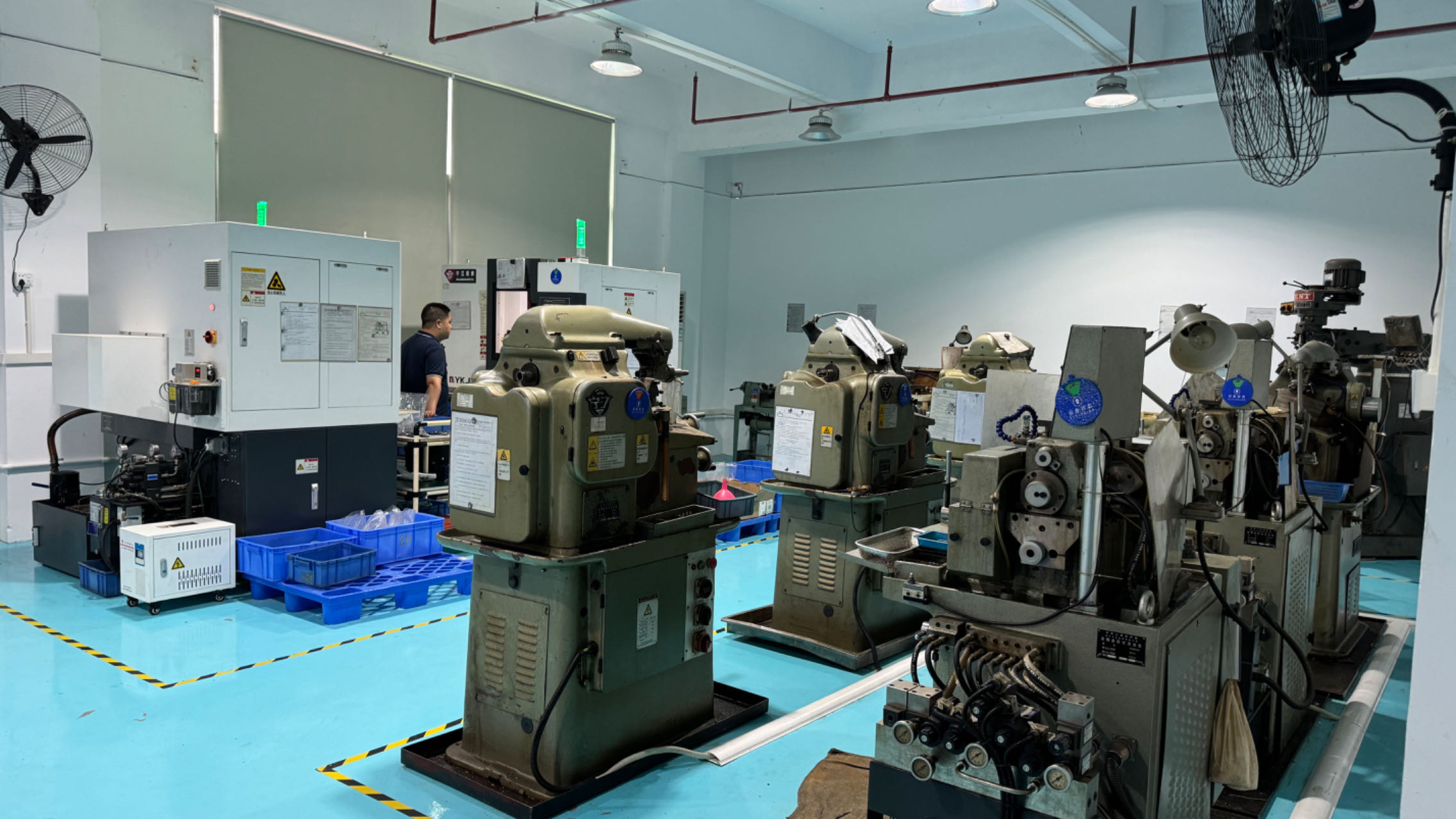
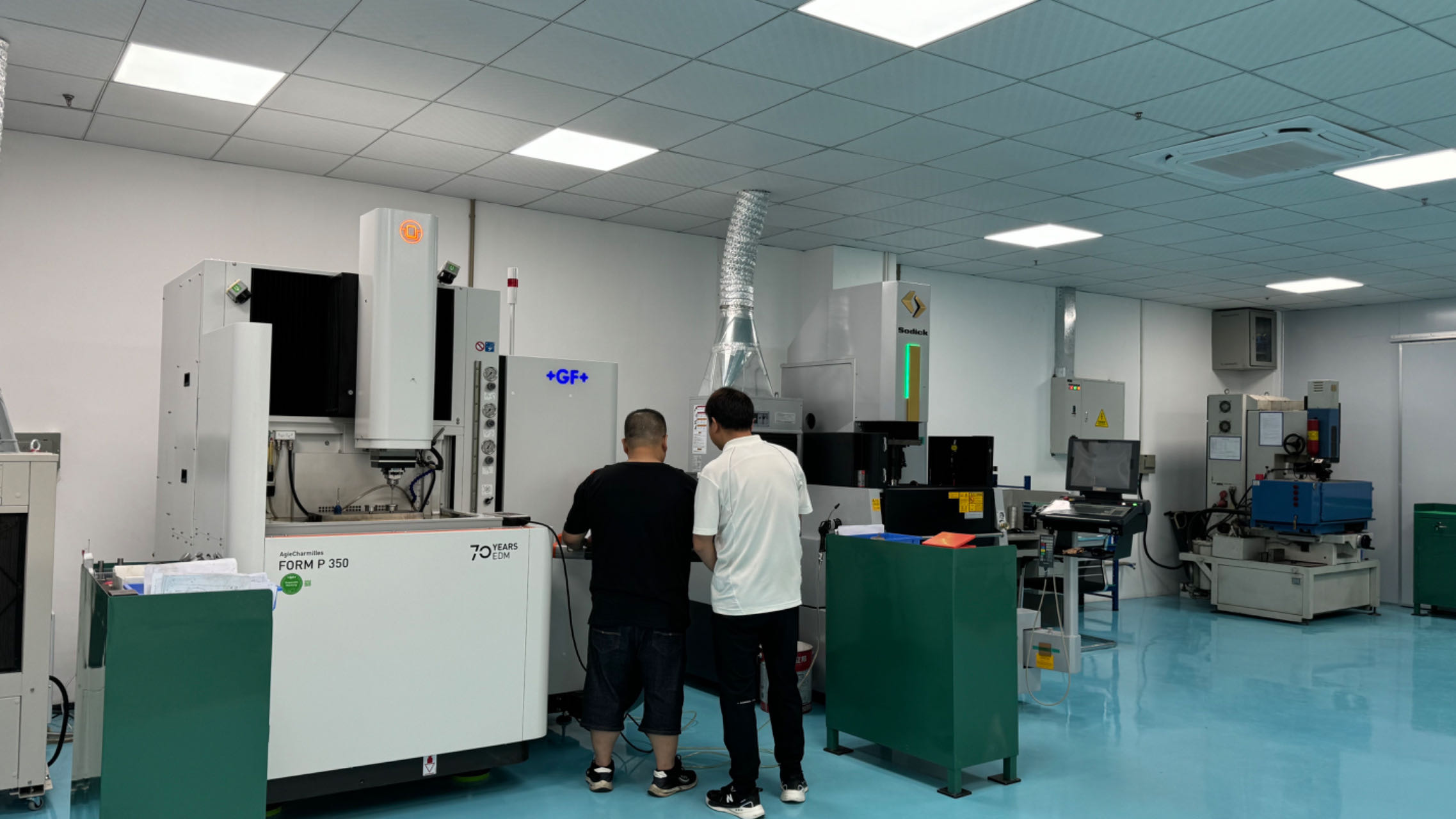
High-quality miniature motors require components crafted to micrometer-level precision. Modern Chinese facilities leverage ultra-precise CNC Swiss-type lathing, high-precision horizontal gear hobbing (utilizing Swiss and Japanese technology such as Ningjiang Machine Tool gear systems), and automated armature winding. This rigorous mechanical baseline ensures that every micro rotor achieves perfect rotational symmetry, minimizing vibration and internal friction that lead to wear and thermal failure.
3. Continuous R&D Investment and Industry 4.0 Standards
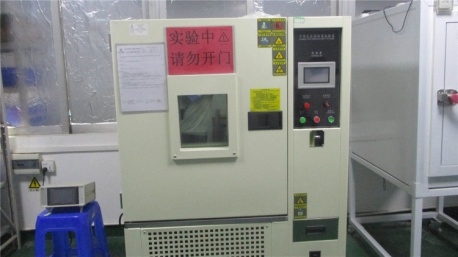
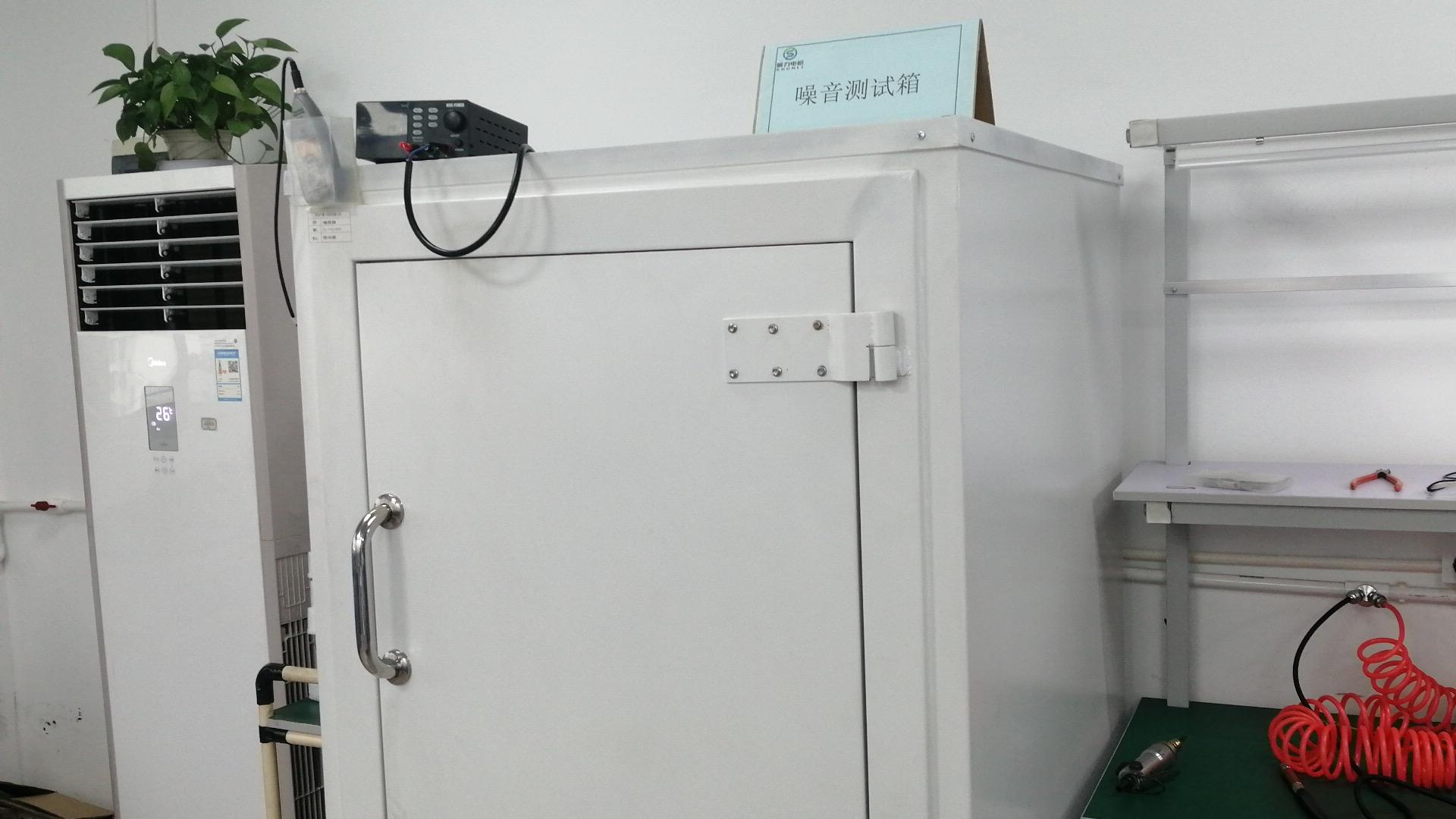
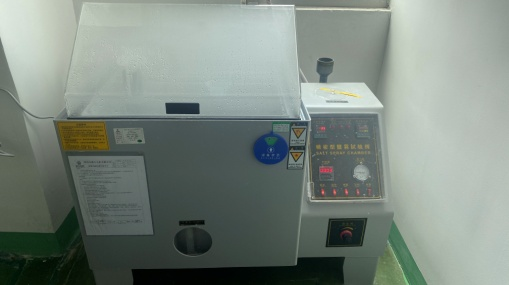
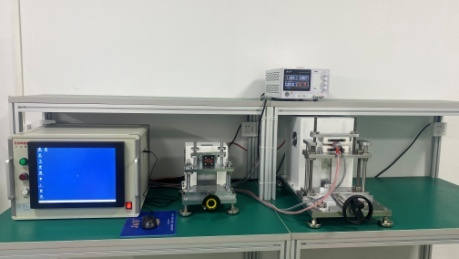
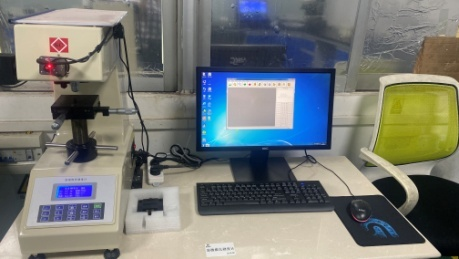
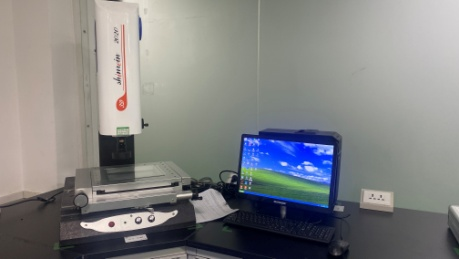
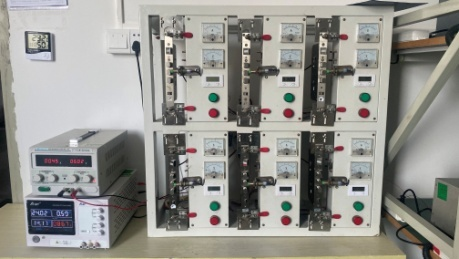
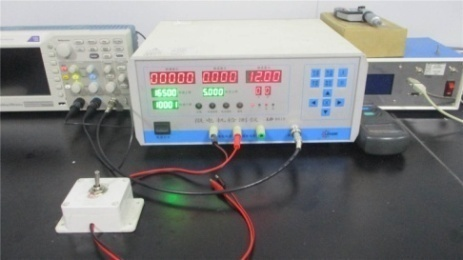
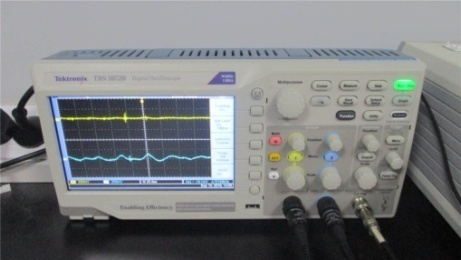
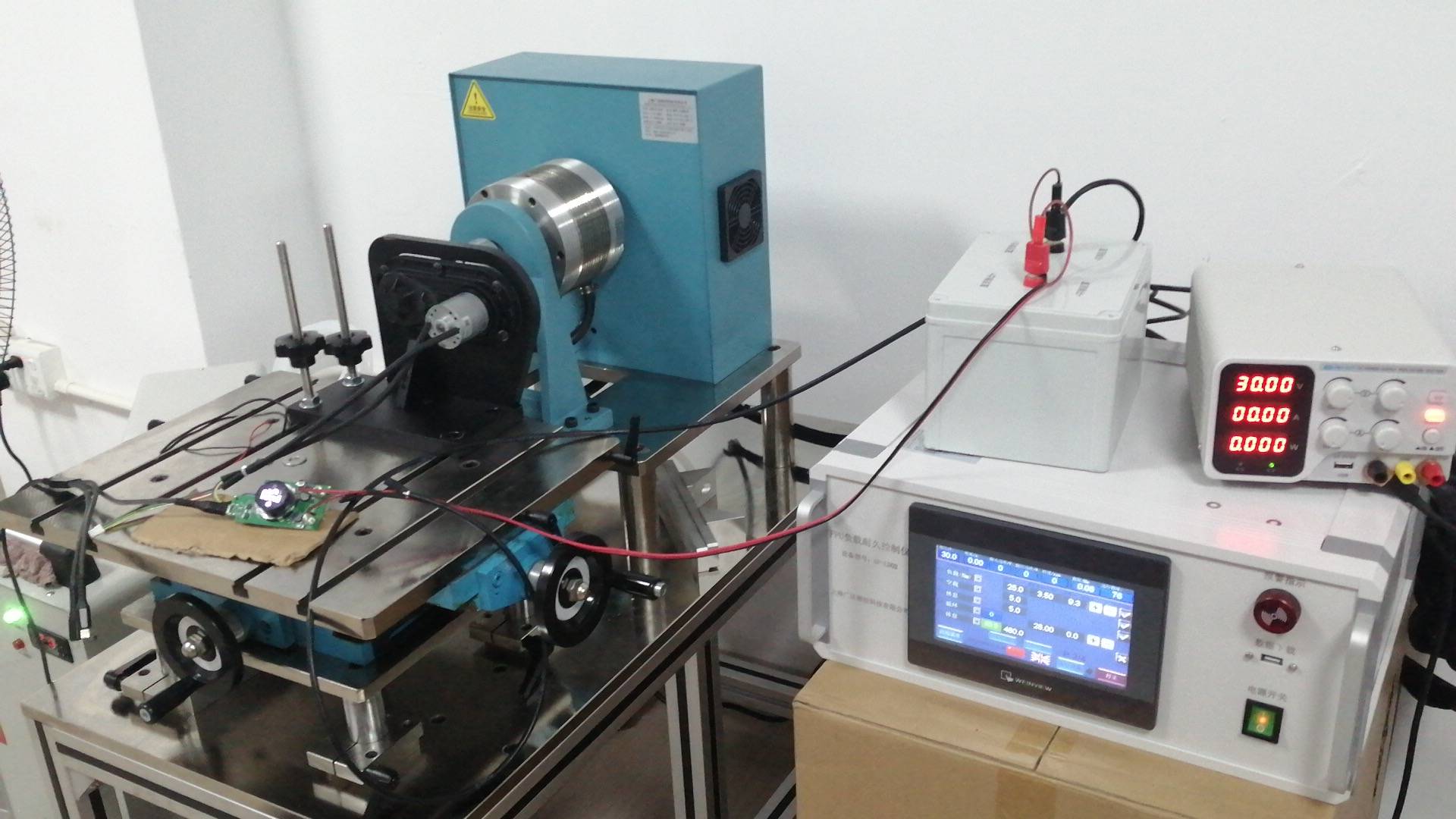
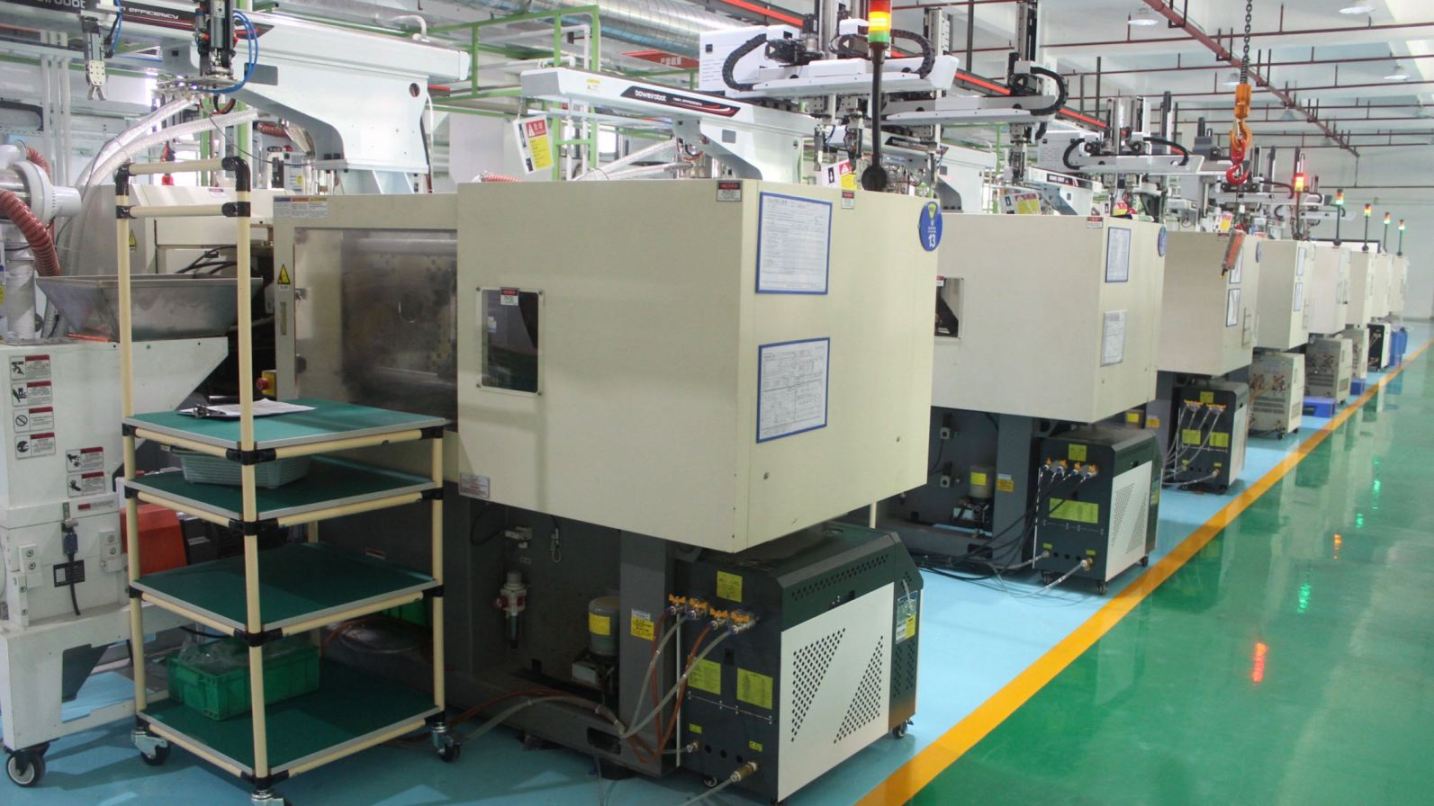
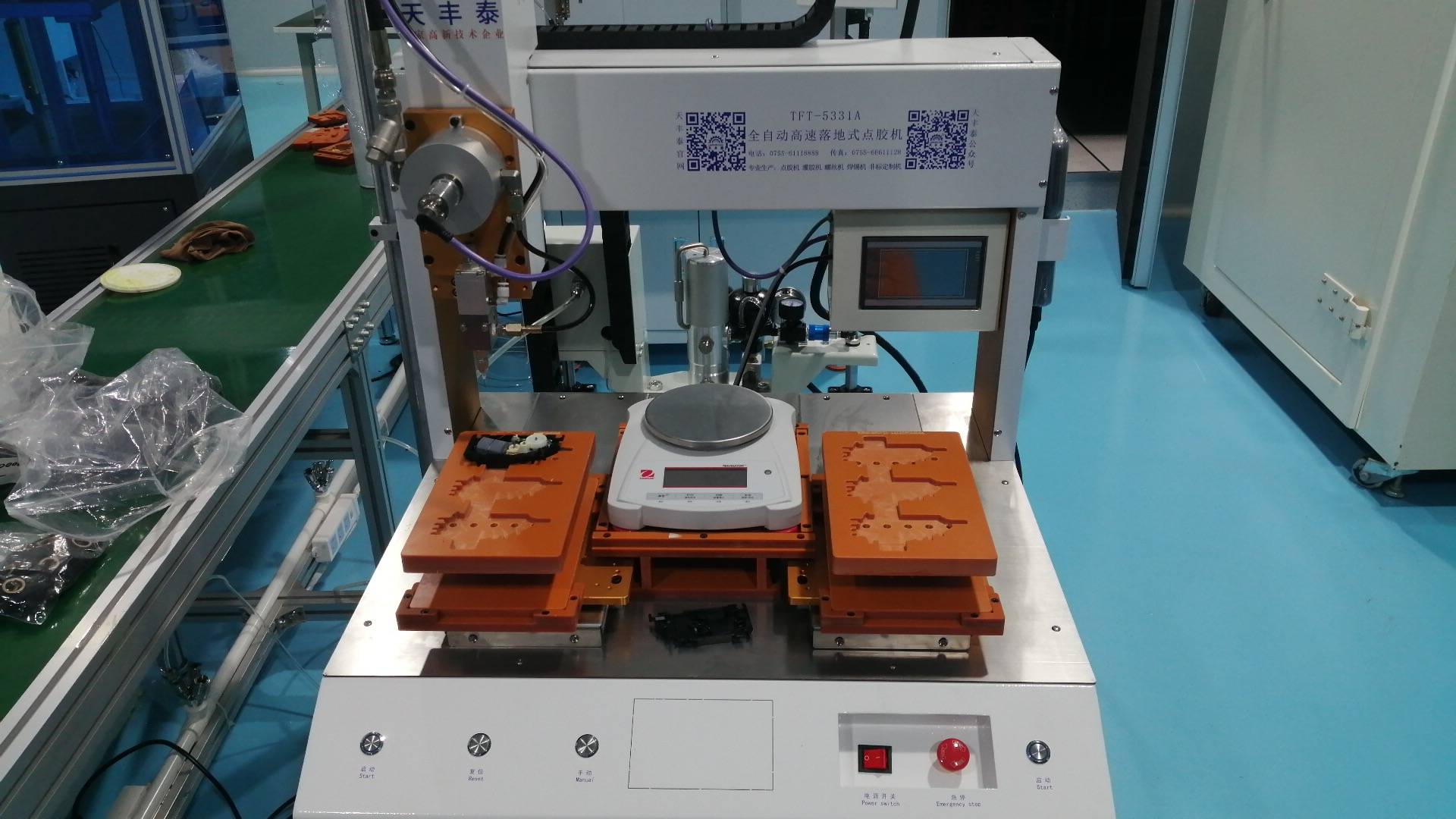
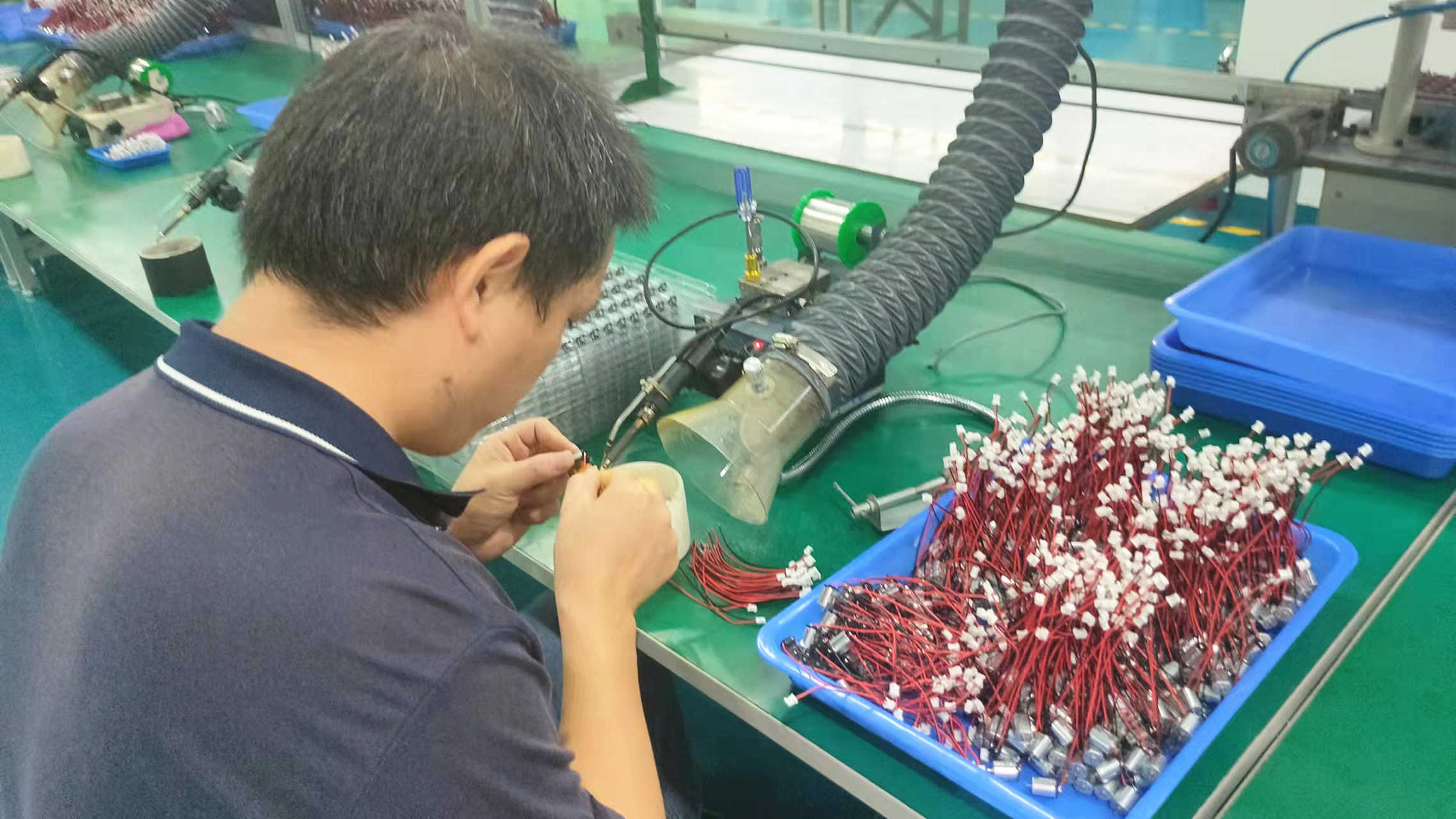
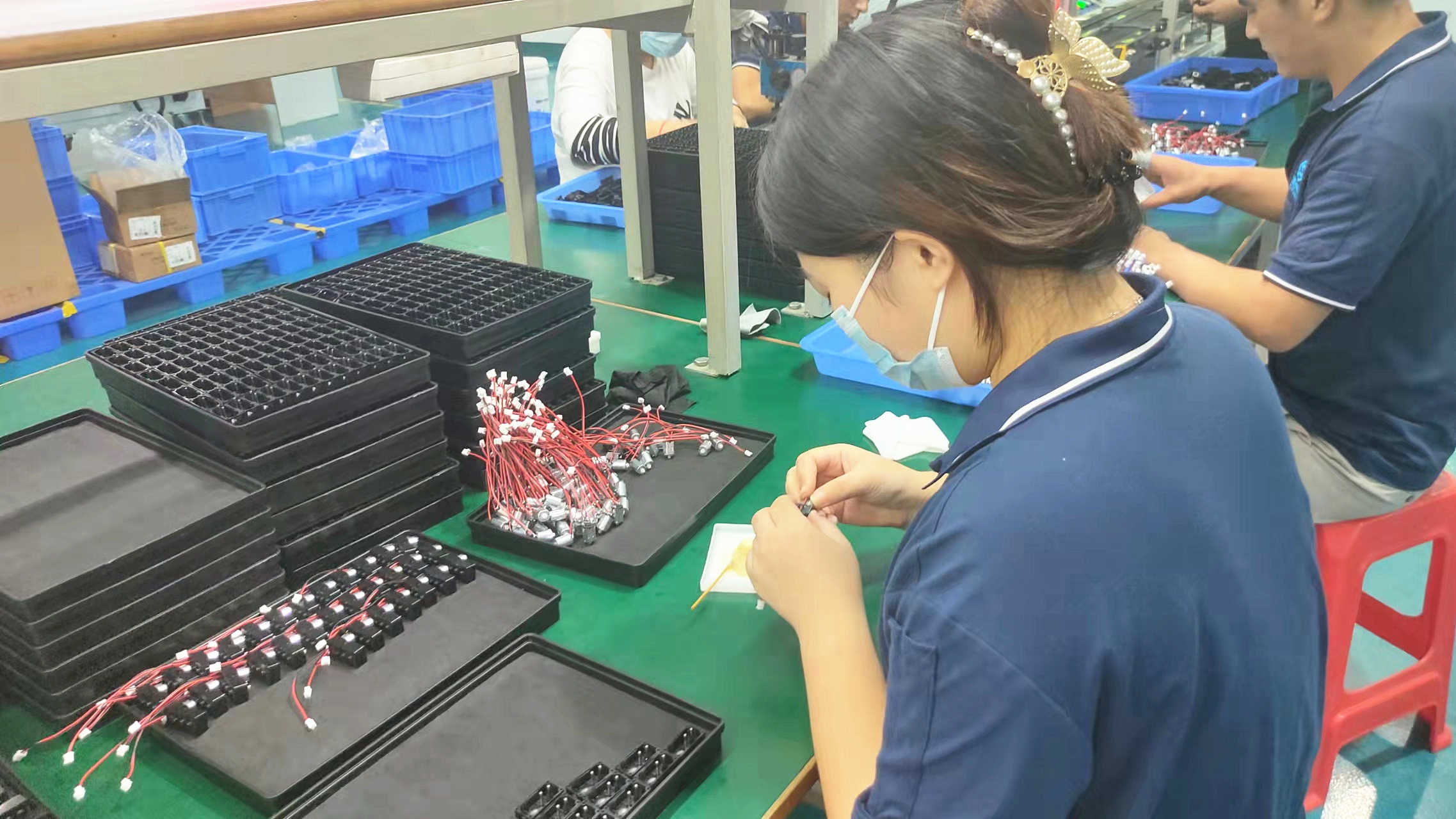
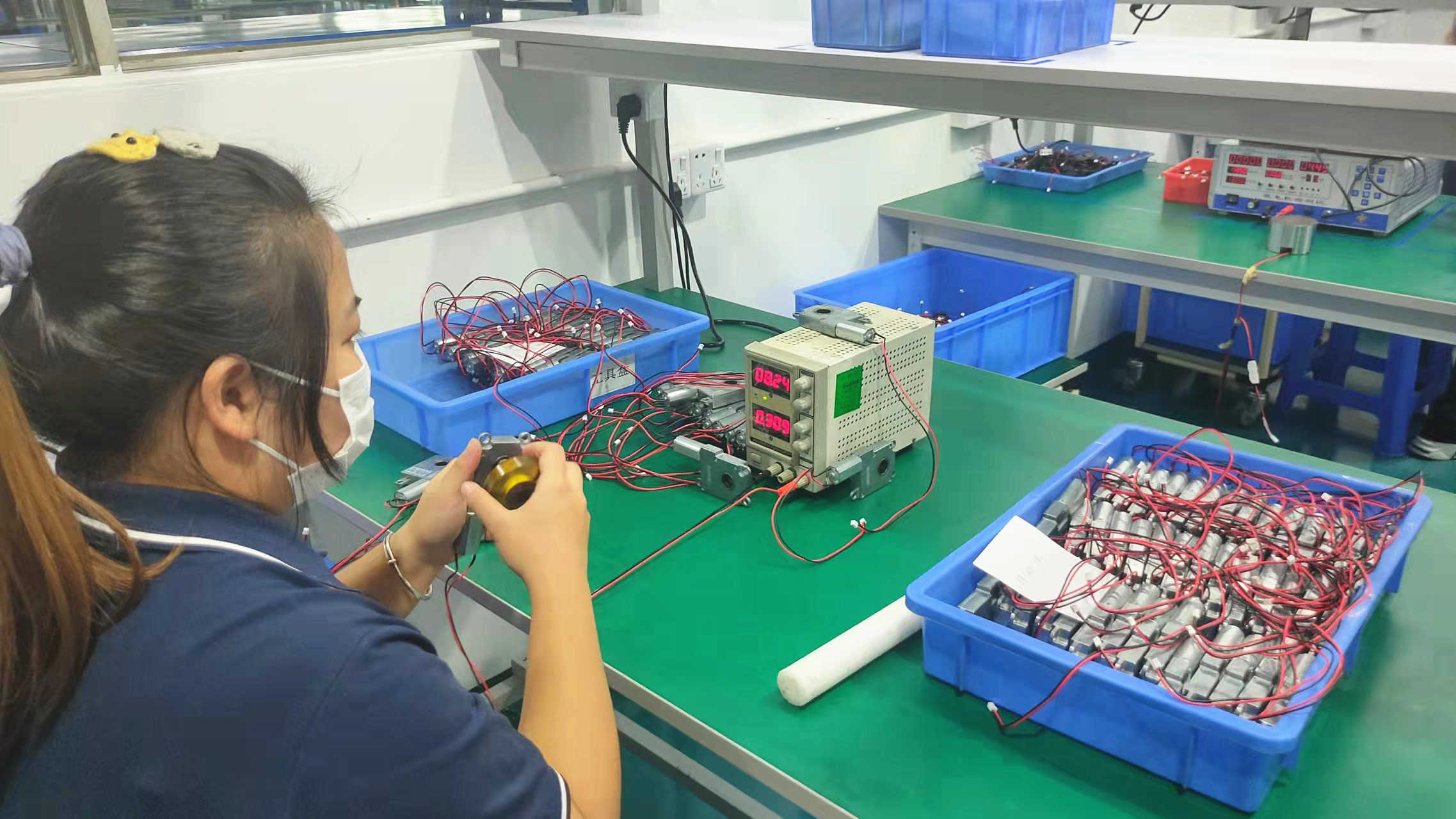
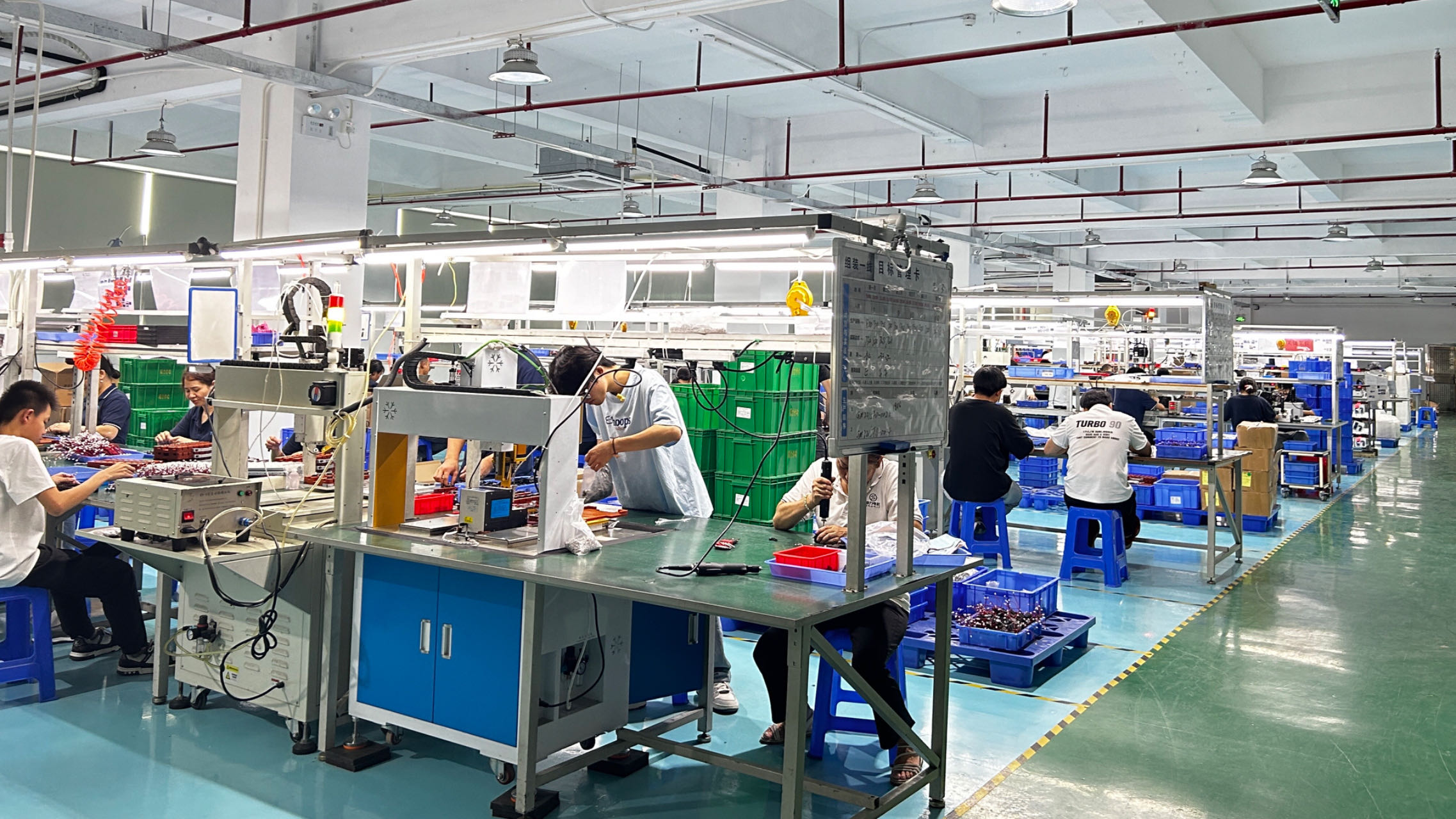
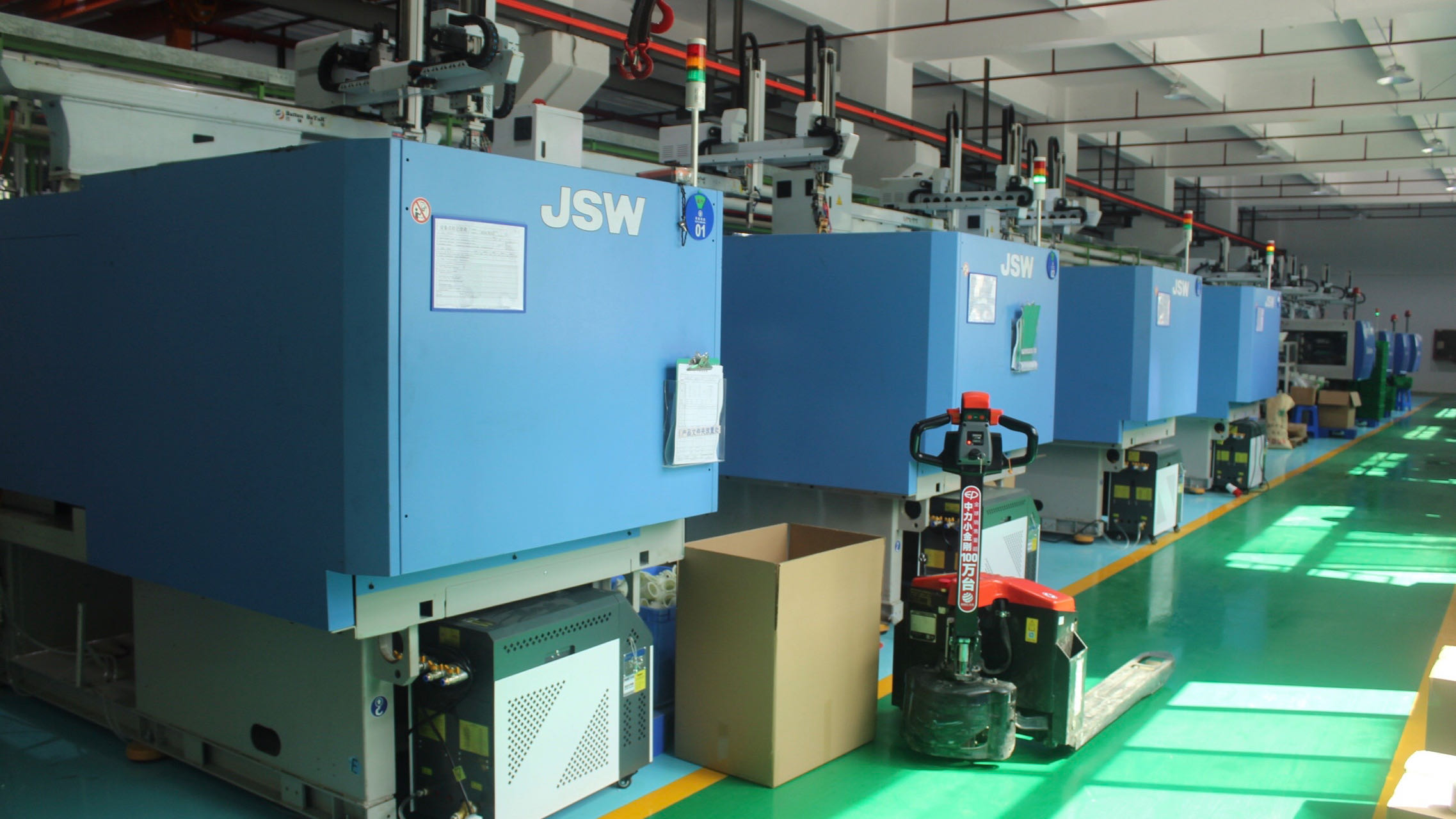
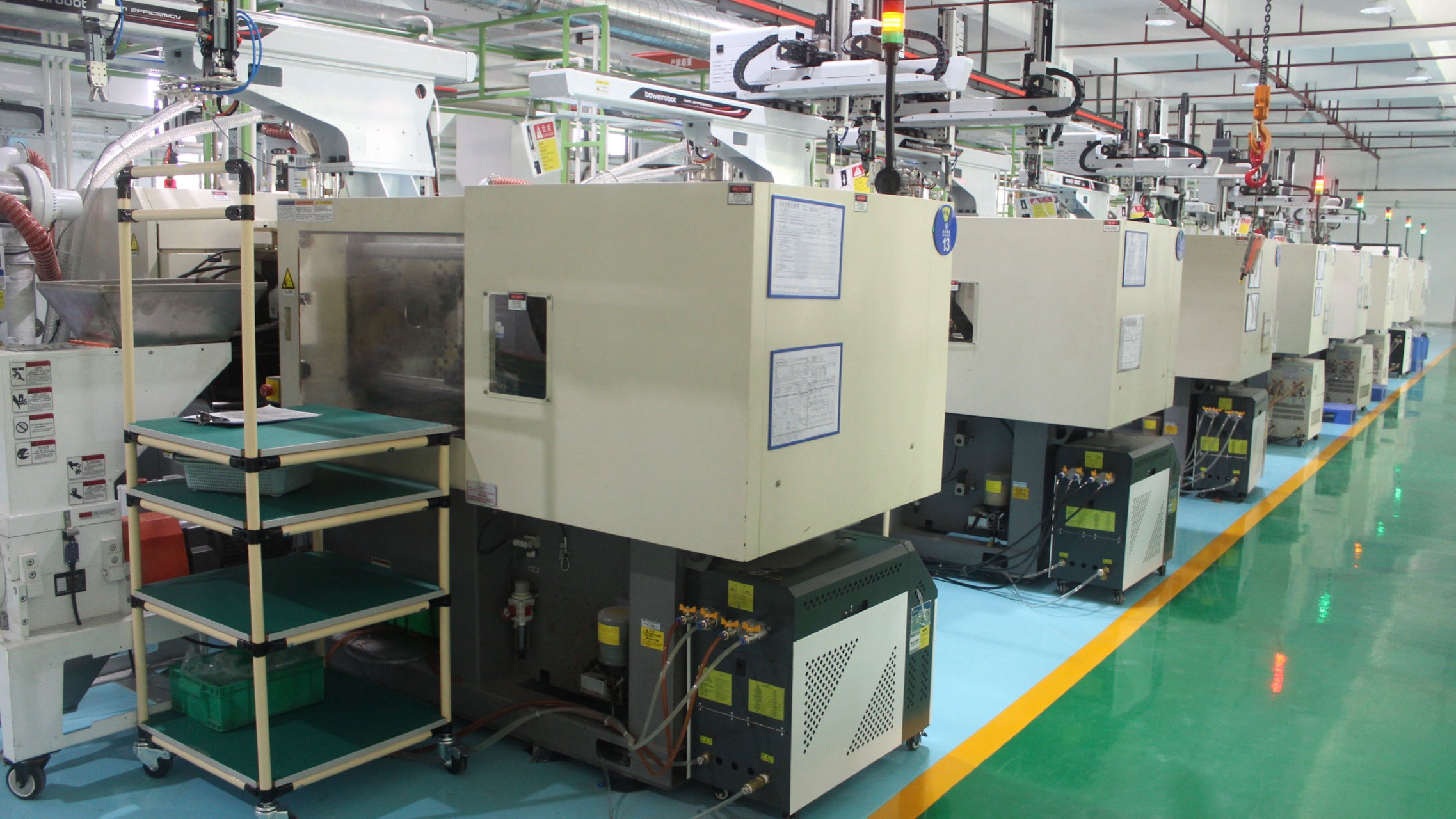
The push toward smart home ecosystems, advanced medical machinery, and electric automotive actuators has forced micro-motor manufacturers in China to aggressively upgrade their facilities. Leading exporters operate under strict ISO 9001:2015, IATF 16949, CE, and RoHS standards. Automated optical inspection (AOI) systems, continuous-wave laser soldering, and dynamic computerized testing arrays guarantee that massive volume runs (exceeding 100,000 units per month) maintain zero-defect standards.