RadixPro
RadixPro
RadixPro
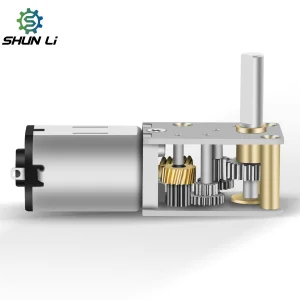
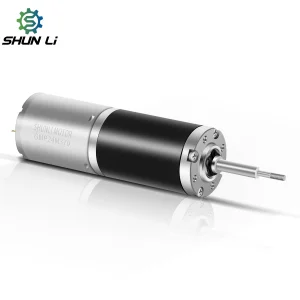
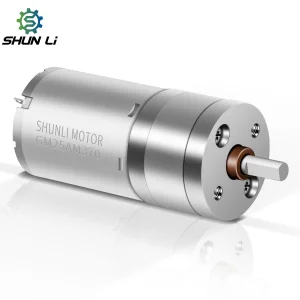
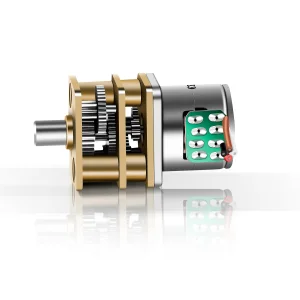
High-torque efficiency, precise speed reduction, and custom gear arrangements for demanding micro-motion application sectors.
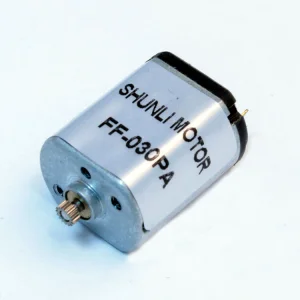
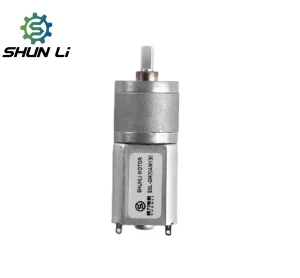
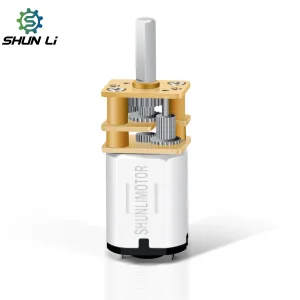
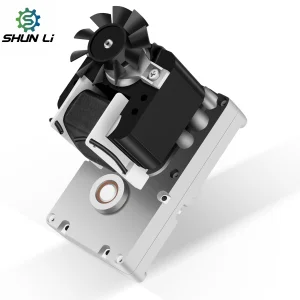
Modern manufacturing facilities, infrastructure networks, and automated systems are undergoing a rapid evolution toward energy efficiency and digitalization. At the heart of this movement is the three-phase induction motor. As international carbon mandates tighten, companies worldwide are replacing legacy architectures with premium-efficiency (IE3, IE4, and IE5 class) motors. These systems mitigate power-factor losses, reduce thermal dissipation, and deliver continuous high torque under fluctuating mechanical loads.
For global OEMs, the challenge is finding a manufacturing partner capable of translating highly customized requirements—such as custom shaft geometries, tailored winding configurations, variable frequency drive compatibility, and IP66+ ingress ratings—into consistent, scalable production runs. That is where our integrated production and testing system stands apart.
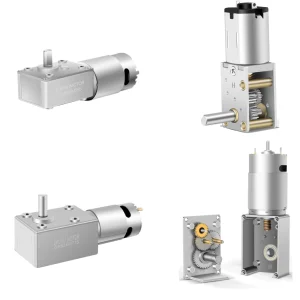
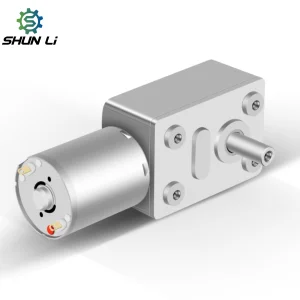
Inside a premium robotic joint, an automated medical pump, or a high-end smart lock, space is the ultimate luxury. At RadixPro, we measure our success in micrometers and decibels. Our mission is to take advanced, heavy-duty rotational power and compress it into the most compact, energy-efficient footprints imaginable.
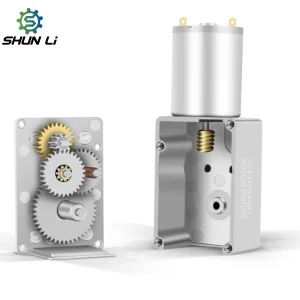
Our expertise lies in the micro-details of motion. From precision-wound copper rotors and high-purity commutators to zero-backlash planetary gear trains, every single internal component of a VortexPro motor is optimized to eliminate friction and maximize heat dissipation. By combining advanced automated Swiss-style hobbing with Japanese dynamic balancing, we ensure our micro drives deliver the fluid, whispering-quiet power your brand promises. When your next high-tech innovation relies on repeated mechanical perfection, let RadixPro be the core that spins it forward.
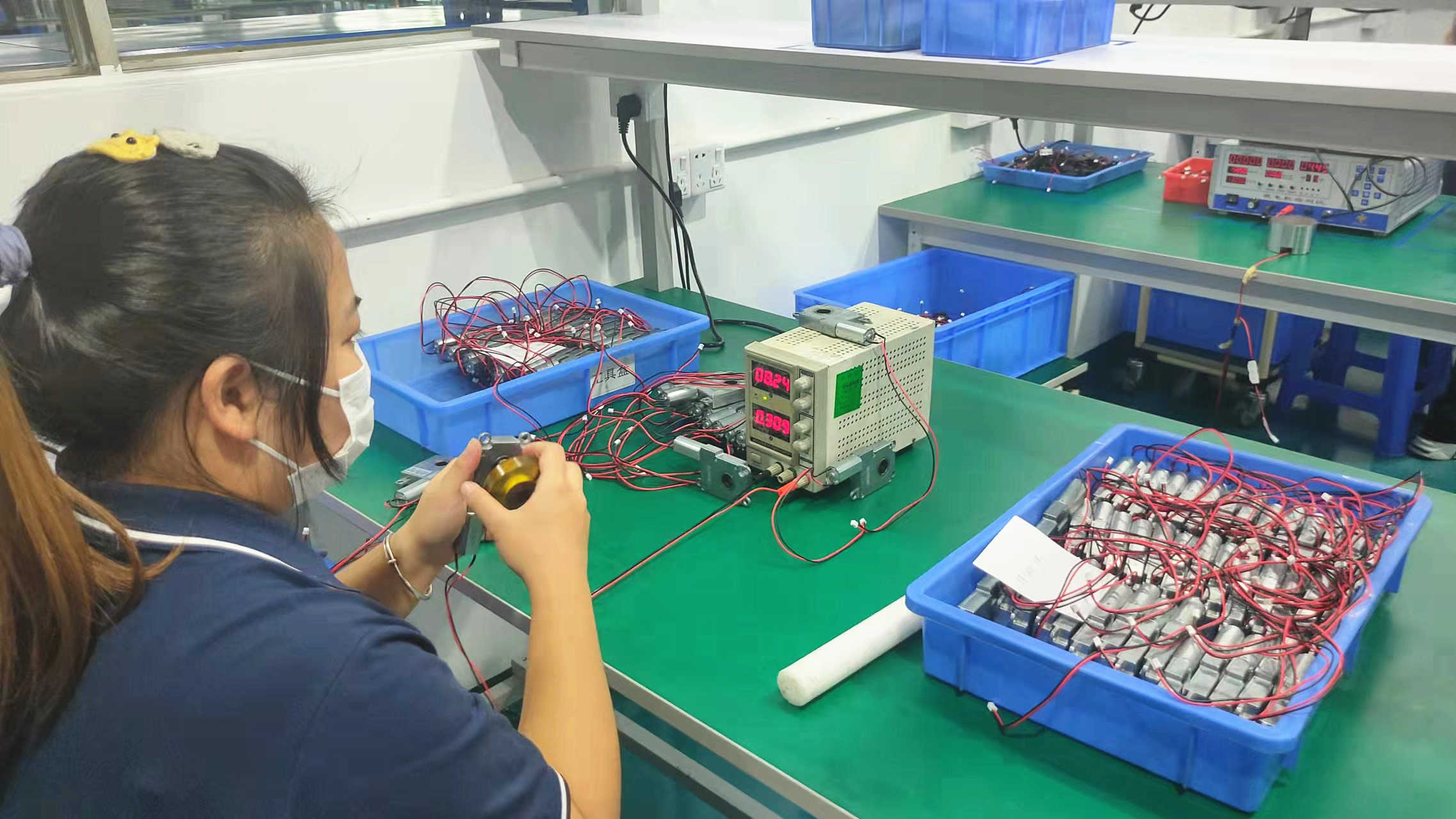
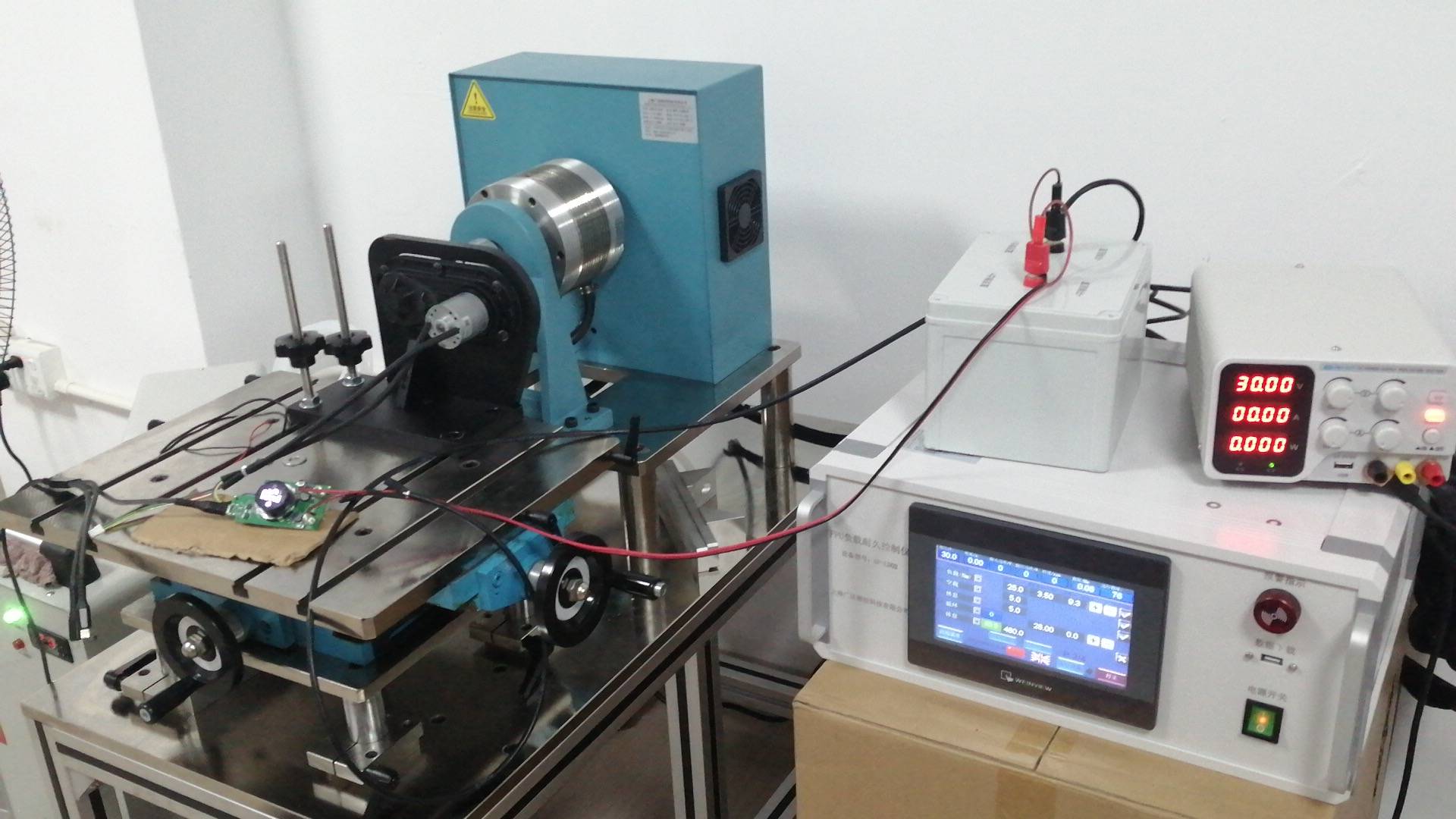
No motor leaves our floor without undergoing multi-spectral validation. We invest in advanced testing instrumentation to ensure structural reliability and longevity.
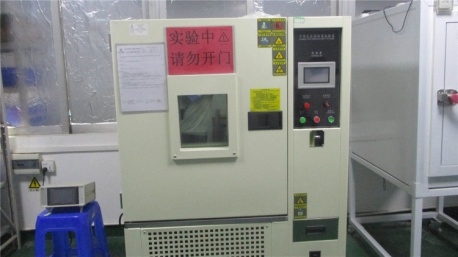
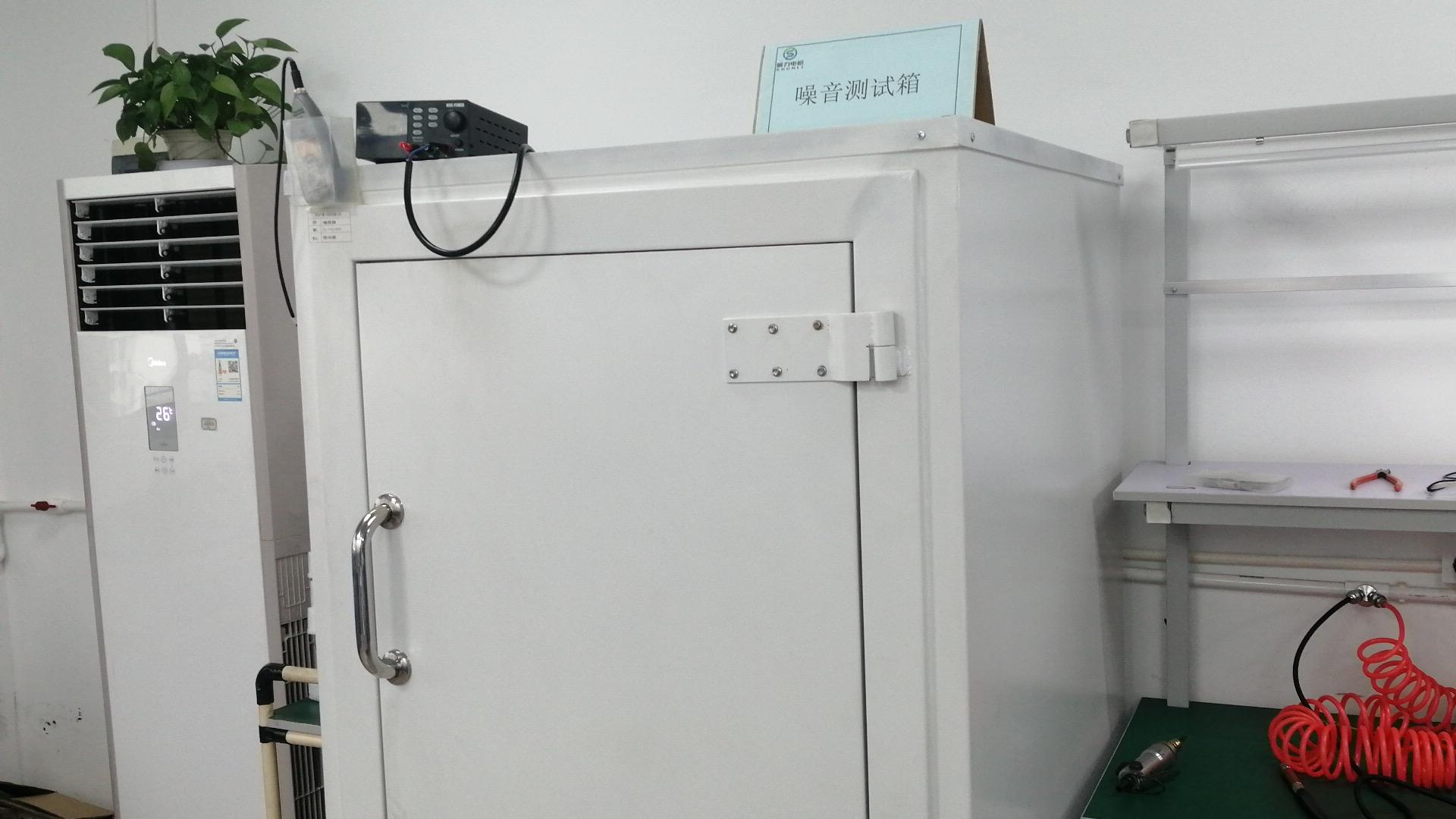
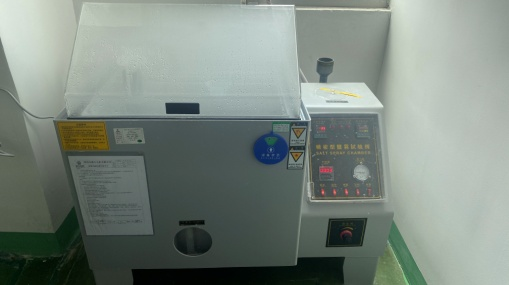
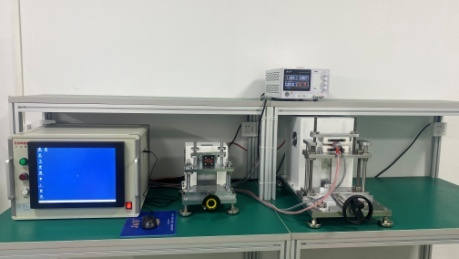
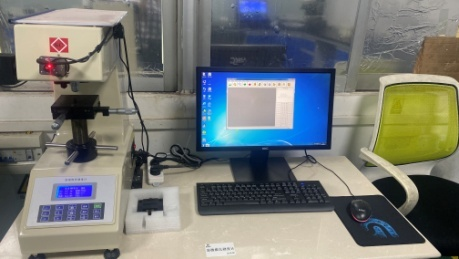
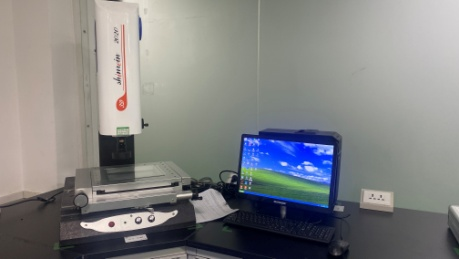
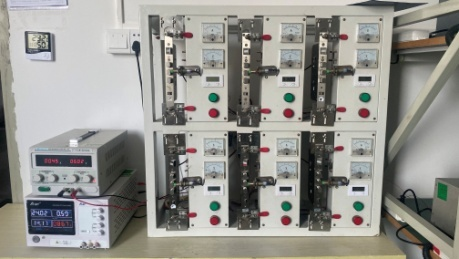
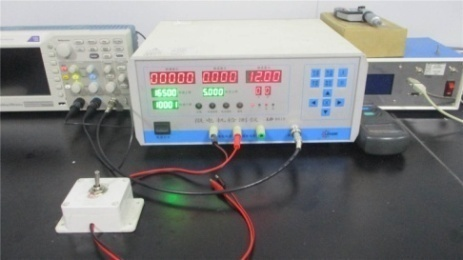
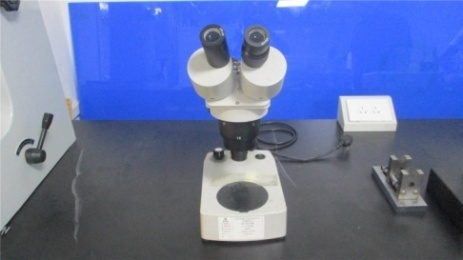
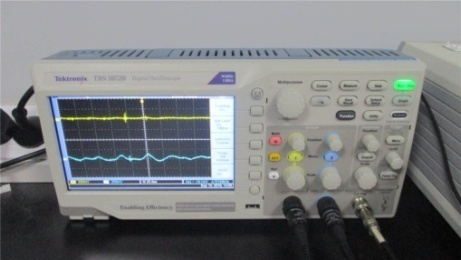
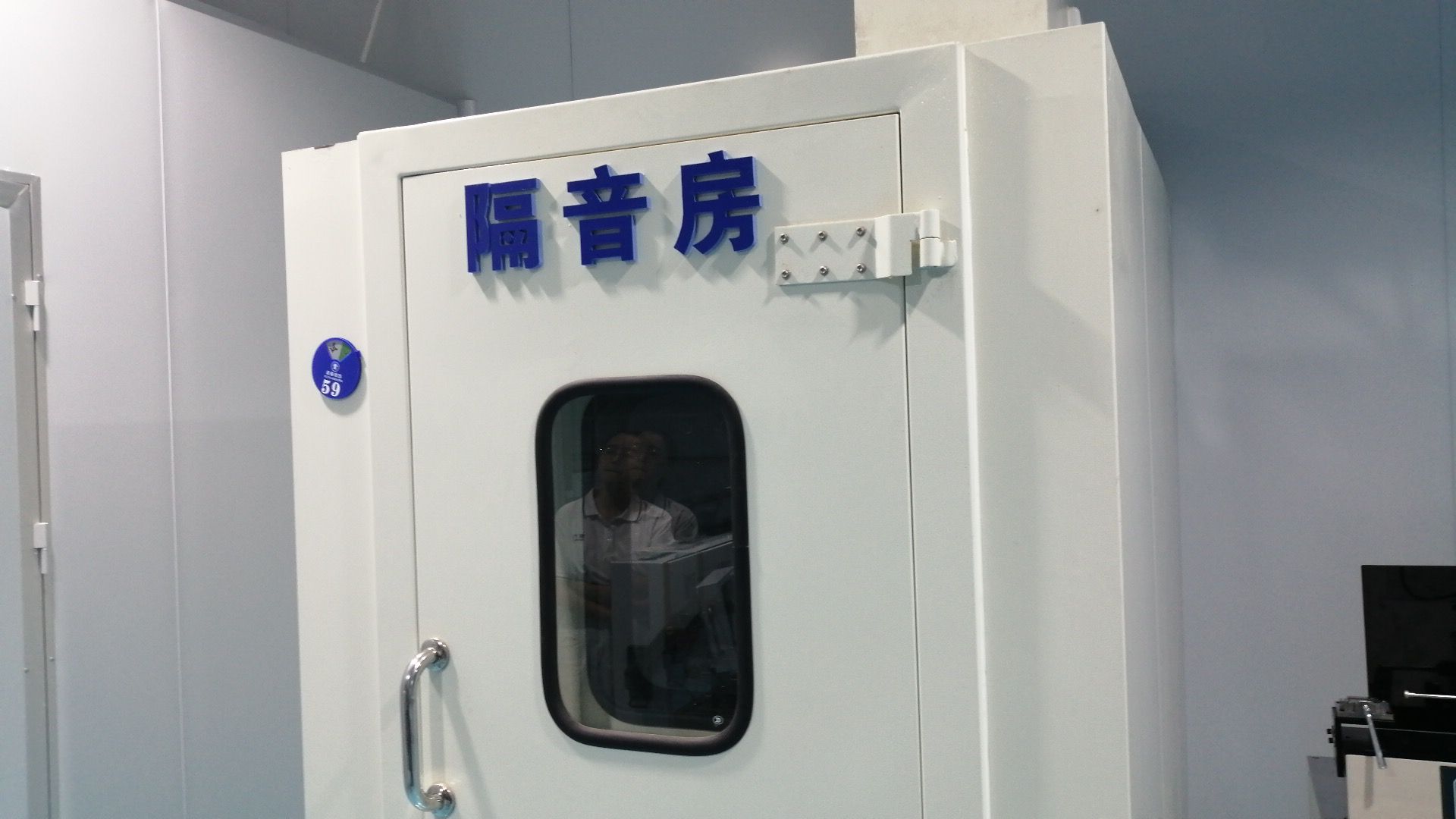
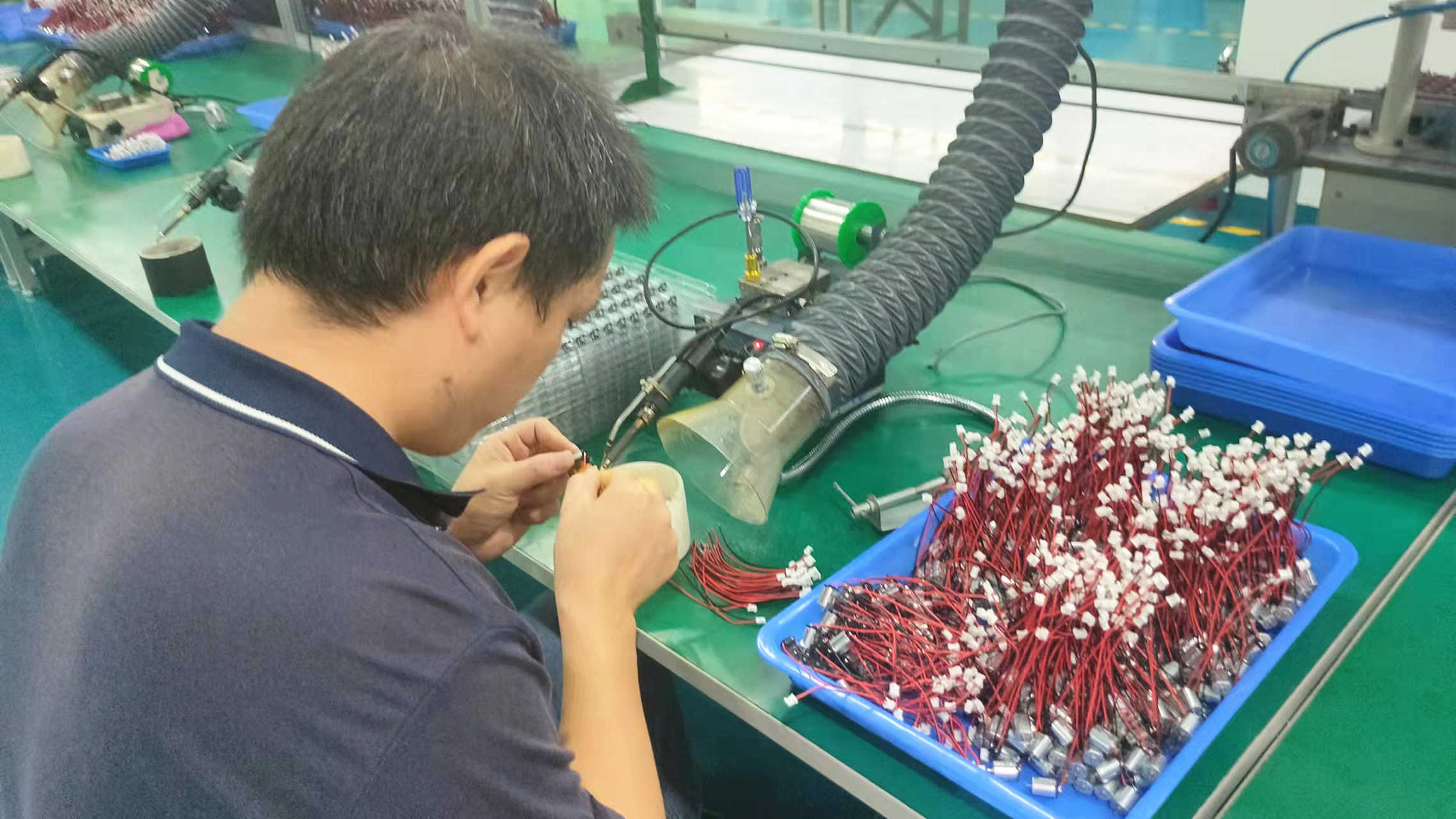
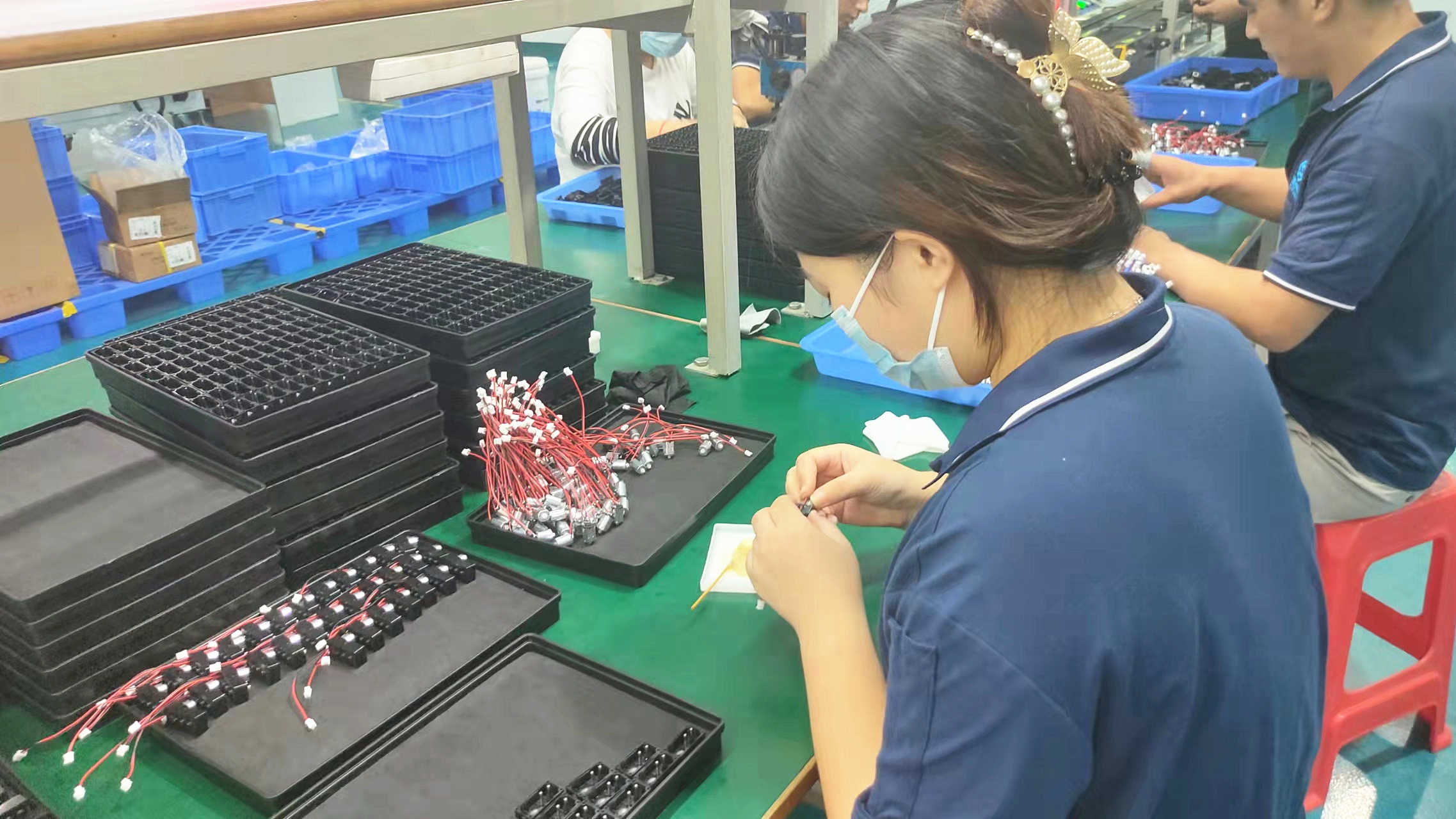
From raw materials verification to final packaging, our process is optimized for traceabilty and standard-conformance.
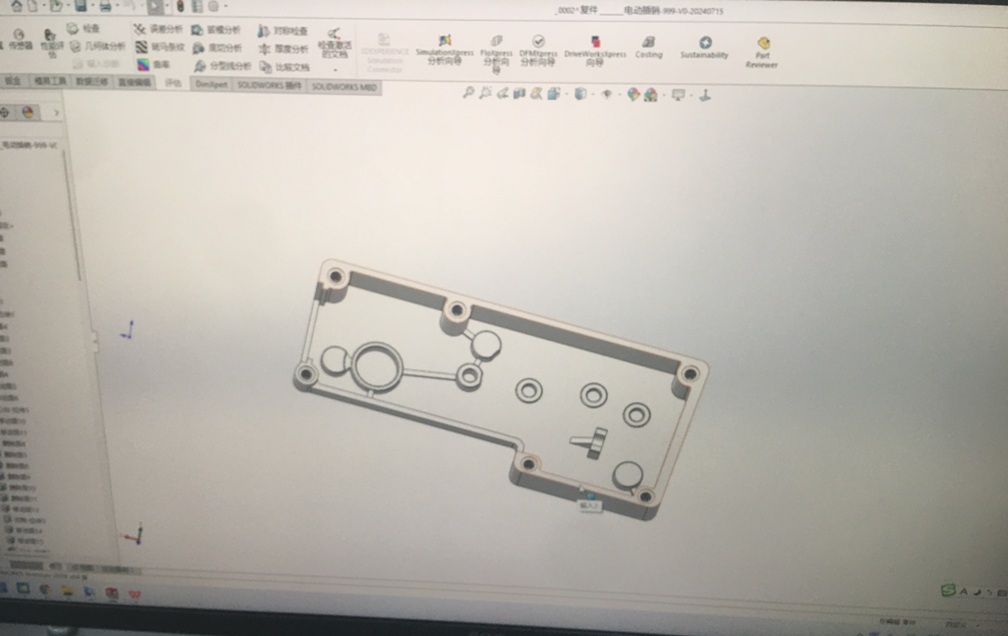

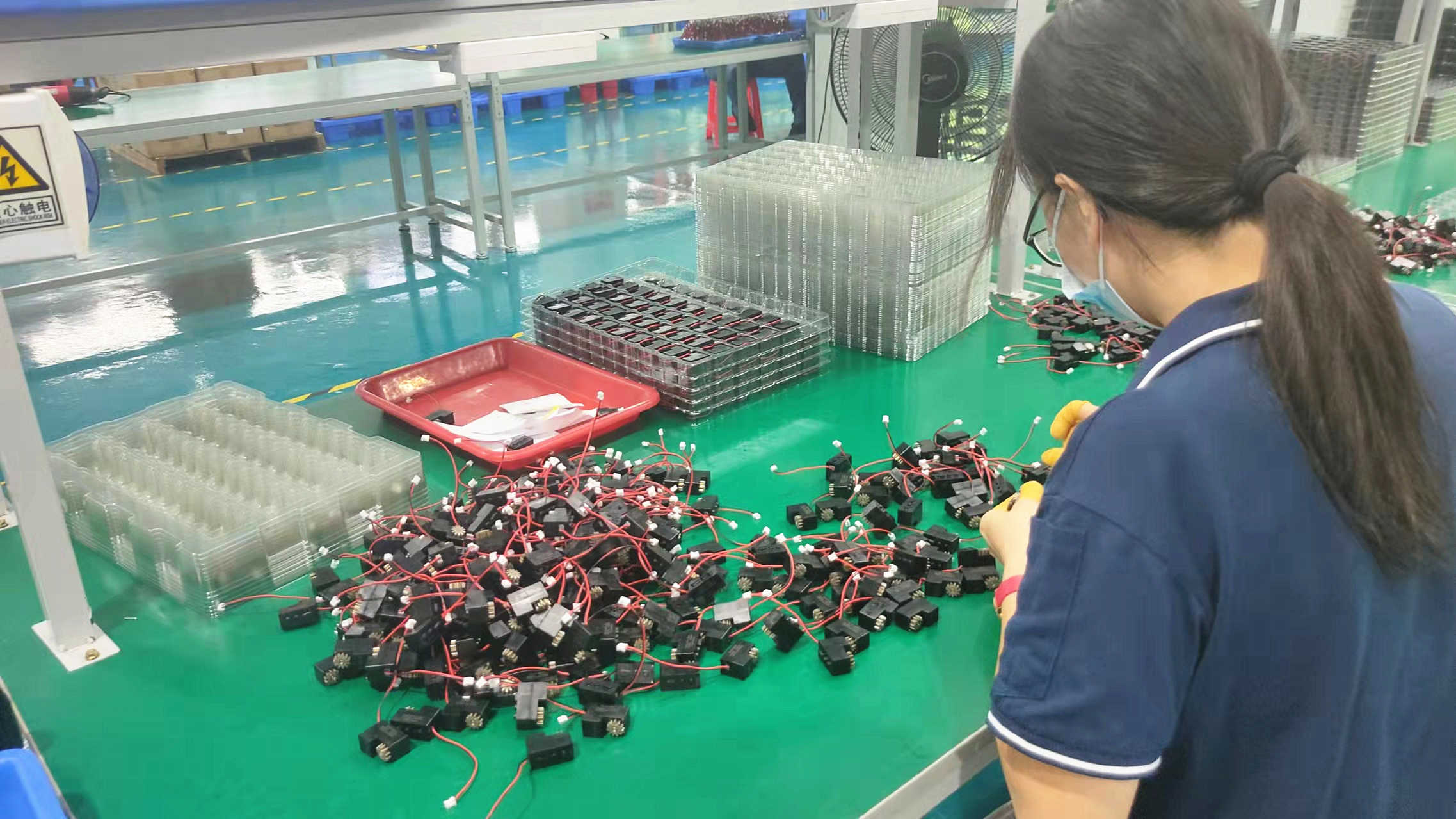
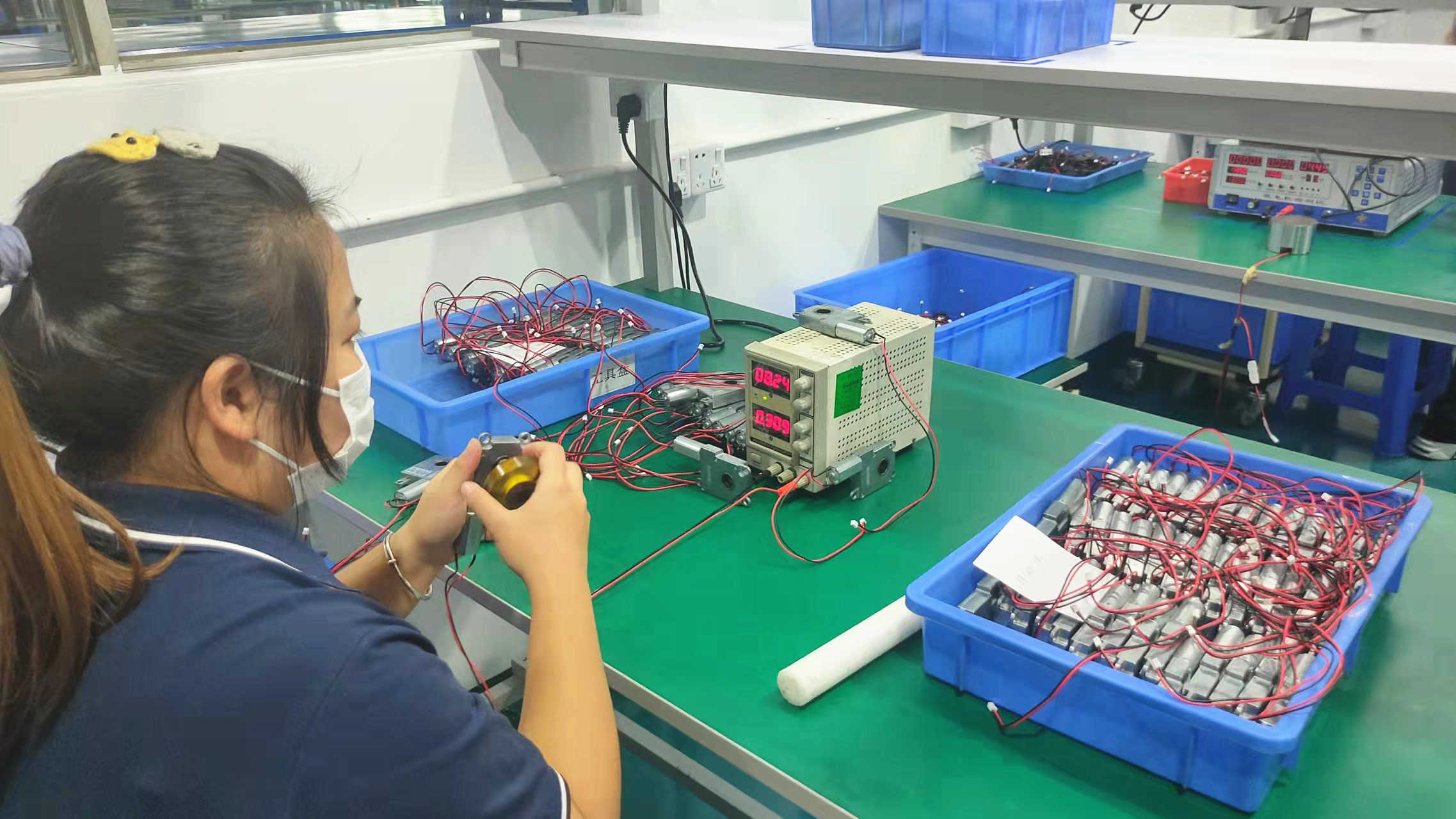
Deploying high-precision tooling ensures micro-tolerances down to ±0.002mm for seamless component integration.
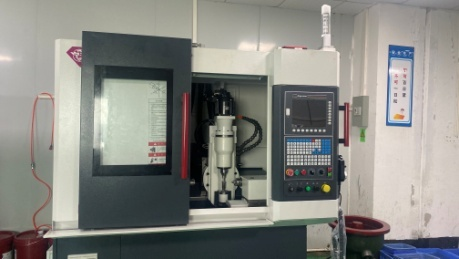
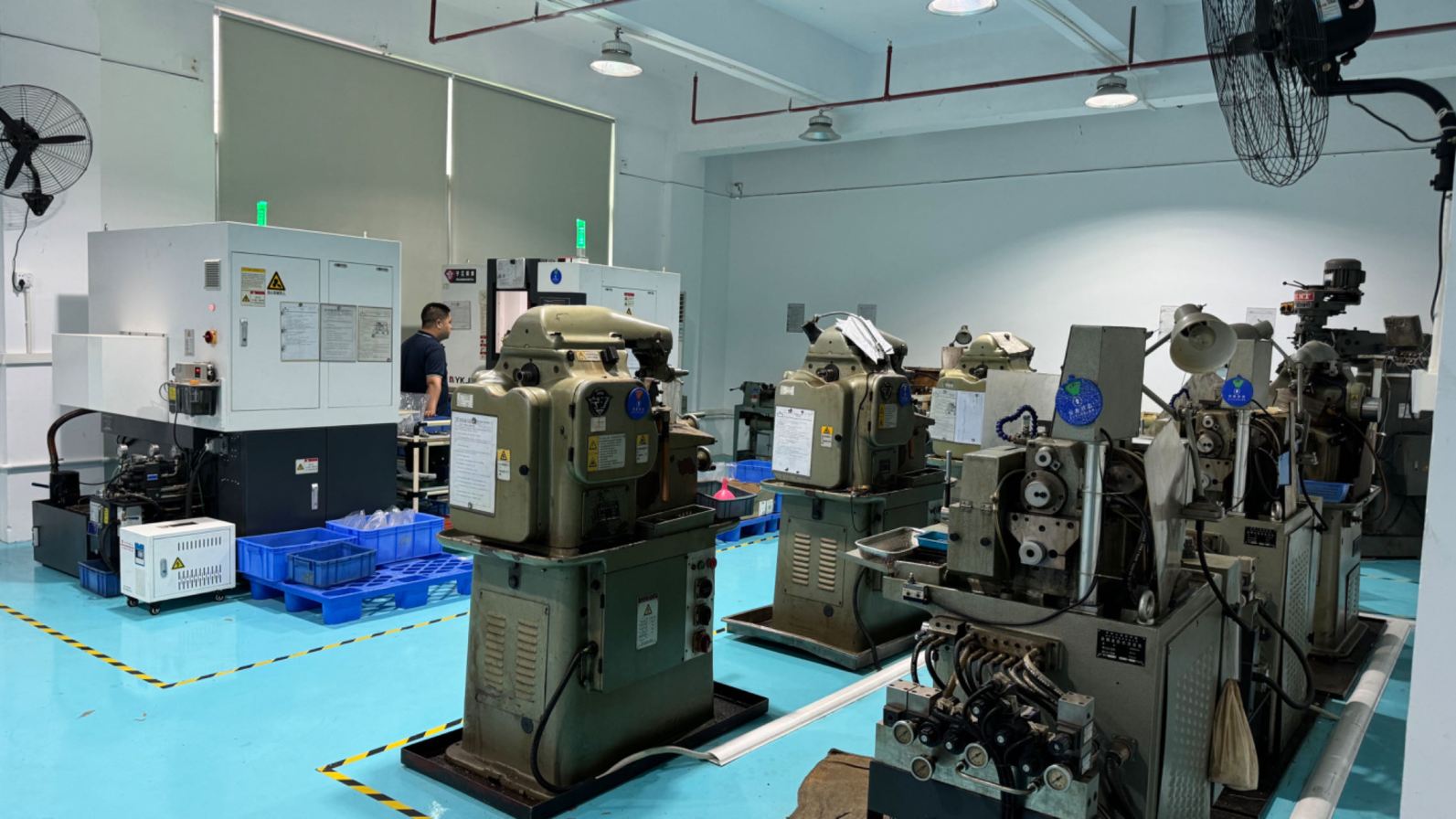
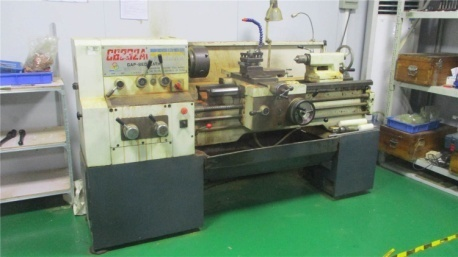
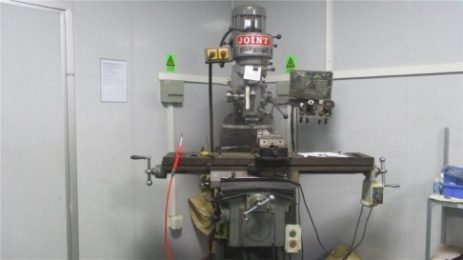
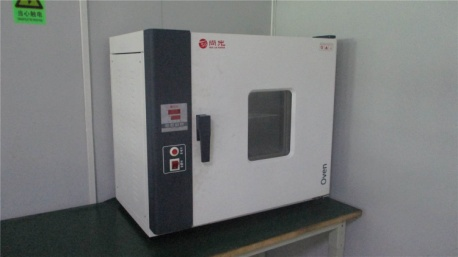
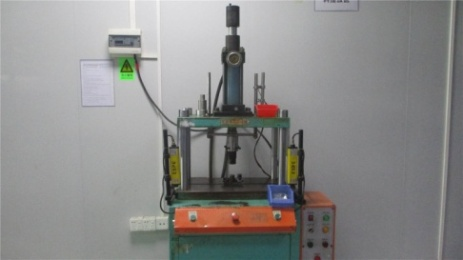
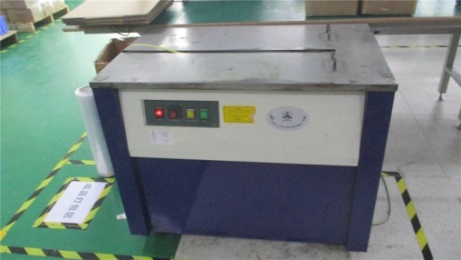
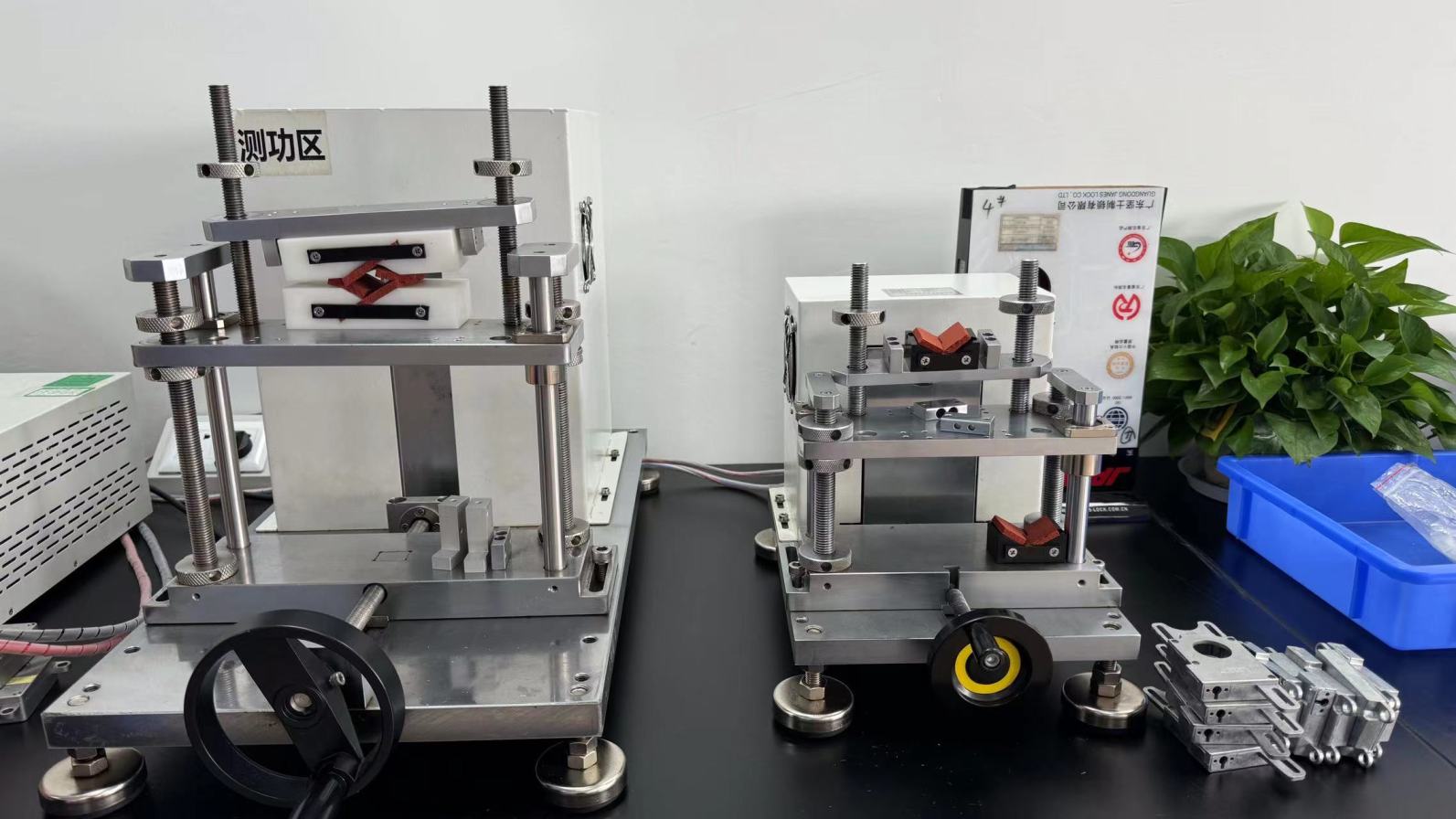
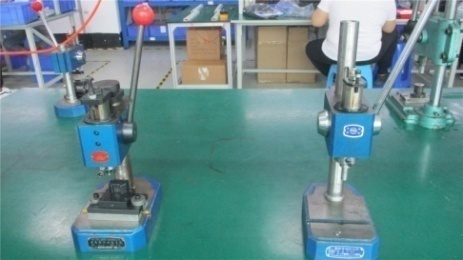
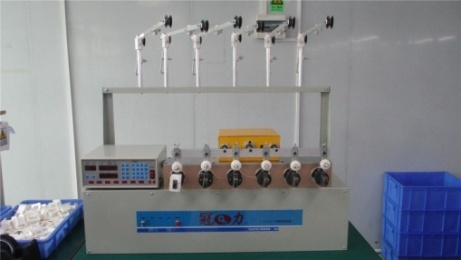
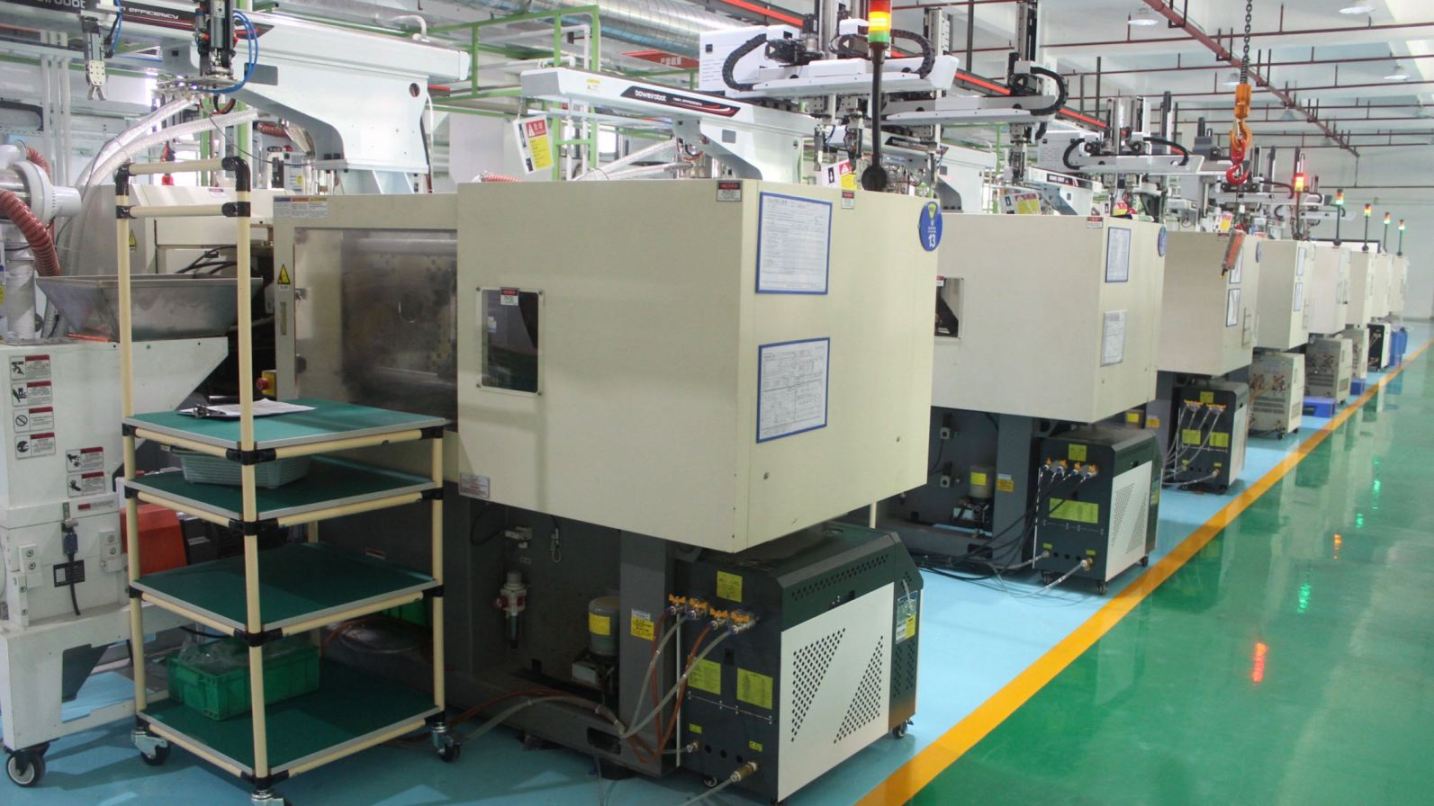
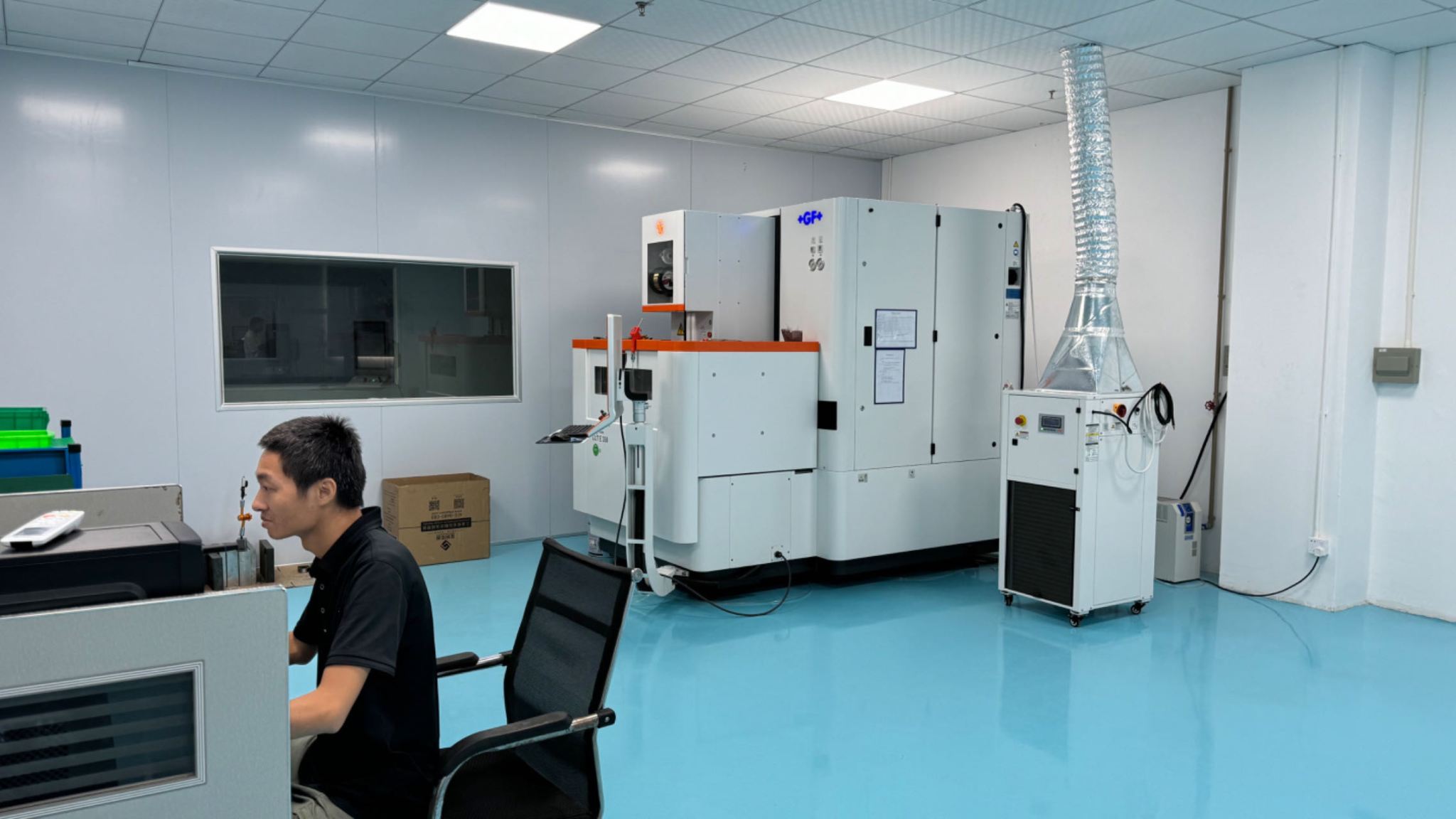
Balancing thermal efficiency, power density, and acoustic signatures for modern industrial ecosystems.
By implementing high-fill factor concentrated winding configurations, we reduce end-winding copper loss by up to 22%. This yields high magnetic flux densities while keeping housing structures compact.
Optional integrated thermal sensors (PT100, PTC thermistors) and micro-encoders provide real-time velocity feedback. This links directly to digital twins for predictive maintenance strategies.
Specialized double-lip shaft seals combined with chemically inert, corrosion-resistant fluorocarbon coatings make our motors highly resistant to caustic washdowns, dust ingress, and humidity cycles.
For procurement directors, application engineers, and mechanical integrators, three-phase electric motors must conform strictly to environmental and mechanical stress limitations. The choice of housing material (cast iron versus extruded aluminum), cooling methodology (Totally Enclosed Fan Cooled - TEFC versus Totally Enclosed Non-Ventilated - TENV), and lubrication formulation depends on the system's operational envelope.
In multi-stage chemical pump systems and dynamic building management HVAC installations, electric motors must run at variable frequencies without generating high harmonic distortions. High-grade non-grain-oriented electrical steel sheet cores help minimize eddy current losses, while Class H insulation systems protect windings from thermal breakdown during persistent peak-load conditions.
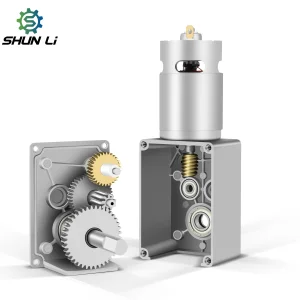
Conveyor networks and robotic gantry setups require start-stop cycles with minimal rotor inertia. This demands dynamic balancing and tight tolerances for shaft runout. Low-backlash gearboxes combined with high-flux density stators allow system integrators to scale up production speeds without sacrificing positioning accuracy.
Marine propulsion, mining operations, and petrochemical processing require motors certified to withstand salt spray, chemical corrosion, and explosion risks. Our casting processes and surface treatment protocols provide robust protection against pitting and atmospheric degradation, reducing premature mechanical failure rates.
Technical answers to critical design, electrical, and supply chain questions from application engineers.
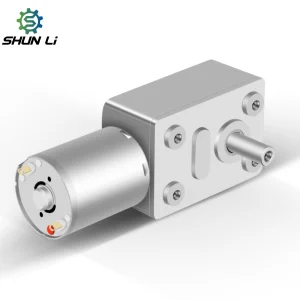
Complementary custom motion products engineered to meet challenging space, torque, and power requirements.