RadixPro
RadixPro
RadixPro
Optimized micro-rotational cores selected for Mumbai's fast-growing hardware engineering and product design clusters.
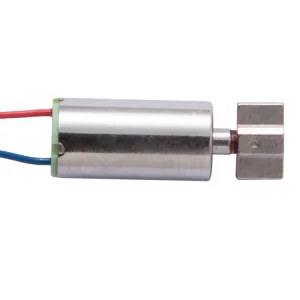
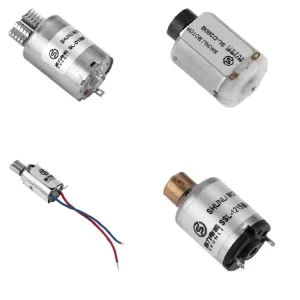
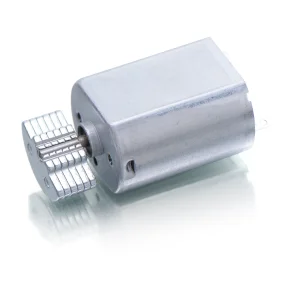
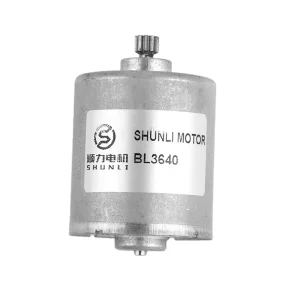
Deep insight into the commercial hub of India and its emerging electronic product development ecosystem.
As the commercial capital of India, Mumbai—along with its neighboring manufacturing belts in Pune, Thane, and the SEEPZ Special Economic Zone—has transformed from a traditional trading hub into a high-density zone for electronic hardware prototyping, IoT engineering, medical electronics assembly, and automotive component design. Local startups and established global industrial corporations in Maharashtra are increasingly demanding high-reliability, micro-sized electrical mechanical actuation elements.
Micro DC vibration motors (including Eccentric Rotating Mass / ERM and Linear Resonant Actuators / LRA) are critical components inside consumer appliances, automotive center consoles, smart wearables, and advanced handheld diagnostics systems. Engineering departments in Mumbai rely heavily on direct manufacturer support to solve spatial constraints, electrical noise interference, and structural vibration dampening.
Our localized focus: We supply precision-engineered micro motors designed specifically to withstand high environmental humidity conditions typical of coastal Mumbai, utilizing advanced moisture sealing technologies, specialized winding insulation, and anti-corrosive housing materials.
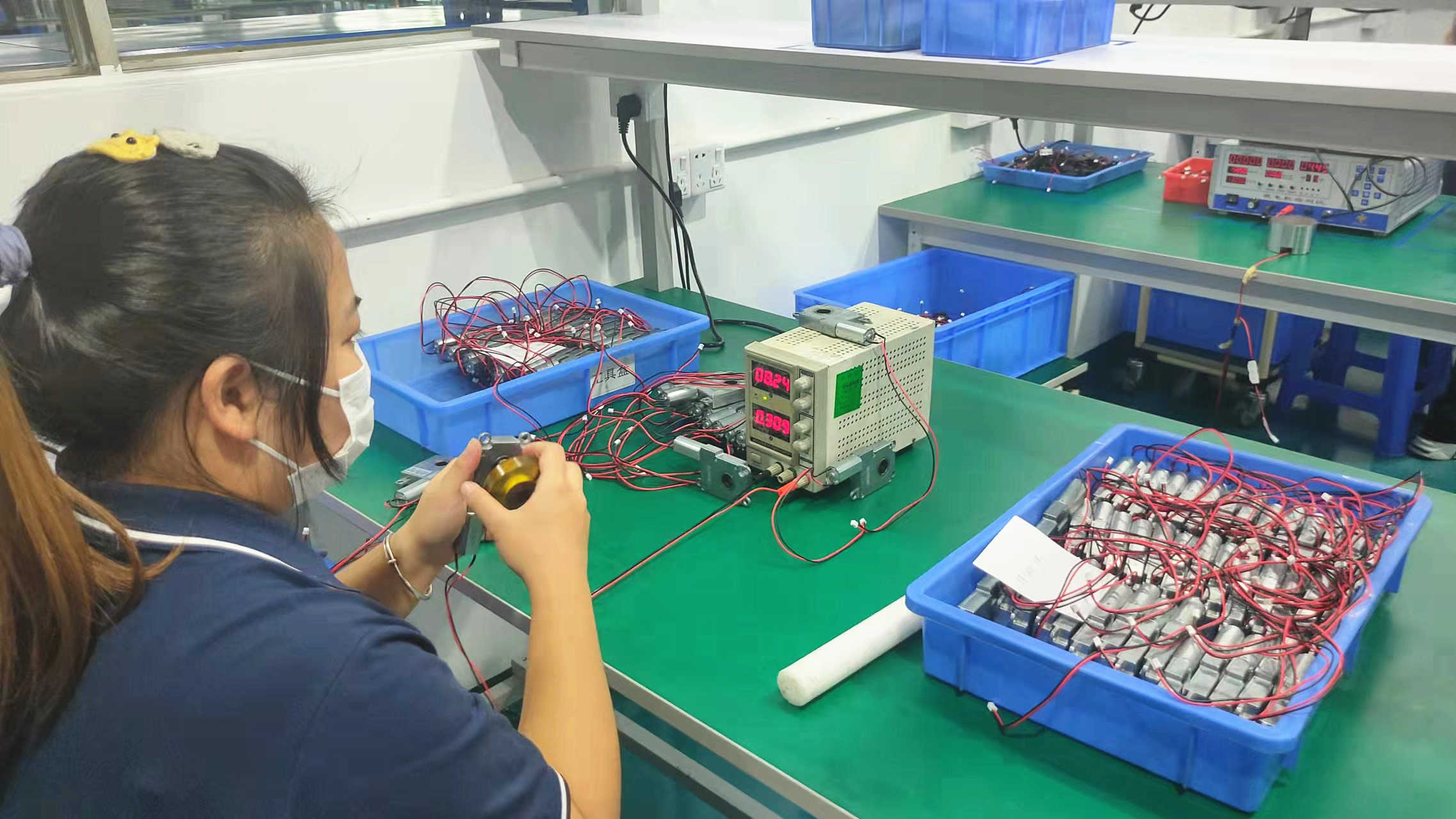
Inside a premium robotic joint, an automated medical pump, or a high-end smart lock, space is the ultimate luxury. At RadixPro, we measure our success in micrometers and decibels. Our mission is to take advanced, heavy-duty rotational power and compress it into the most compact, energy-efficient footprints imaginable.
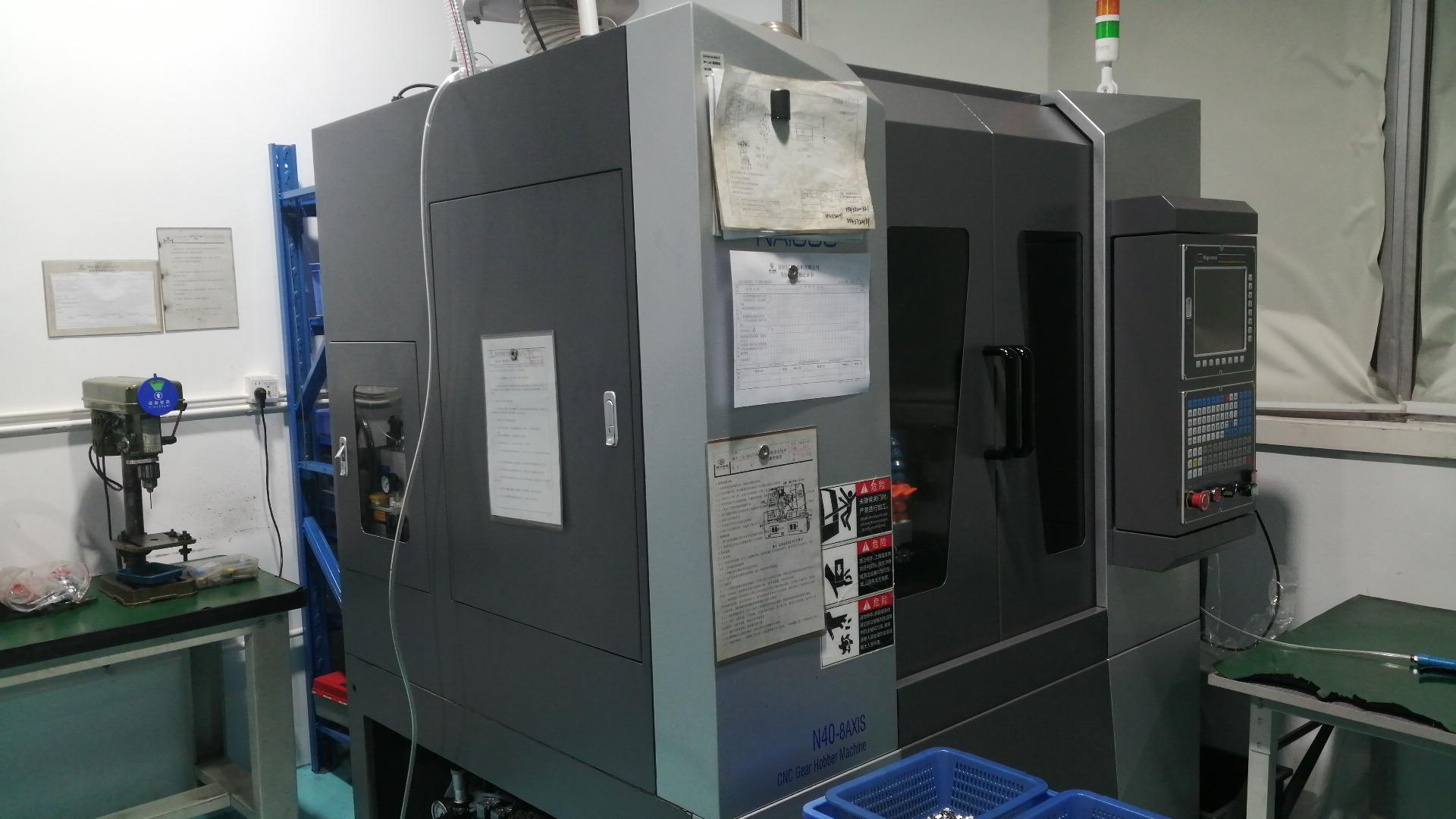
Our expertise lies in the micro-details of motion. From precision-wound copper rotors and high-purity commutators to zero-backlash planetary gear trains, every single internal component of a VortexPro motor is optimized to eliminate friction and maximize heat dissipation. By combining advanced automated Swiss-style hobbing with Japanese dynamic balancing, we ensure our micro drives deliver the fluid, whispering-quiet power your brand promises. When your next high-tech innovation relies on repeated mechanical perfection, let RadixPro be the core that spins it forward.
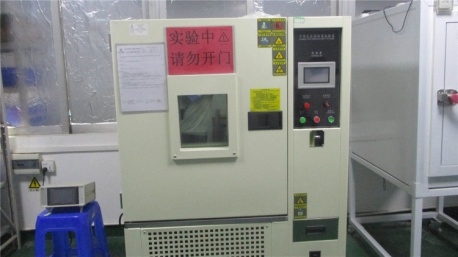
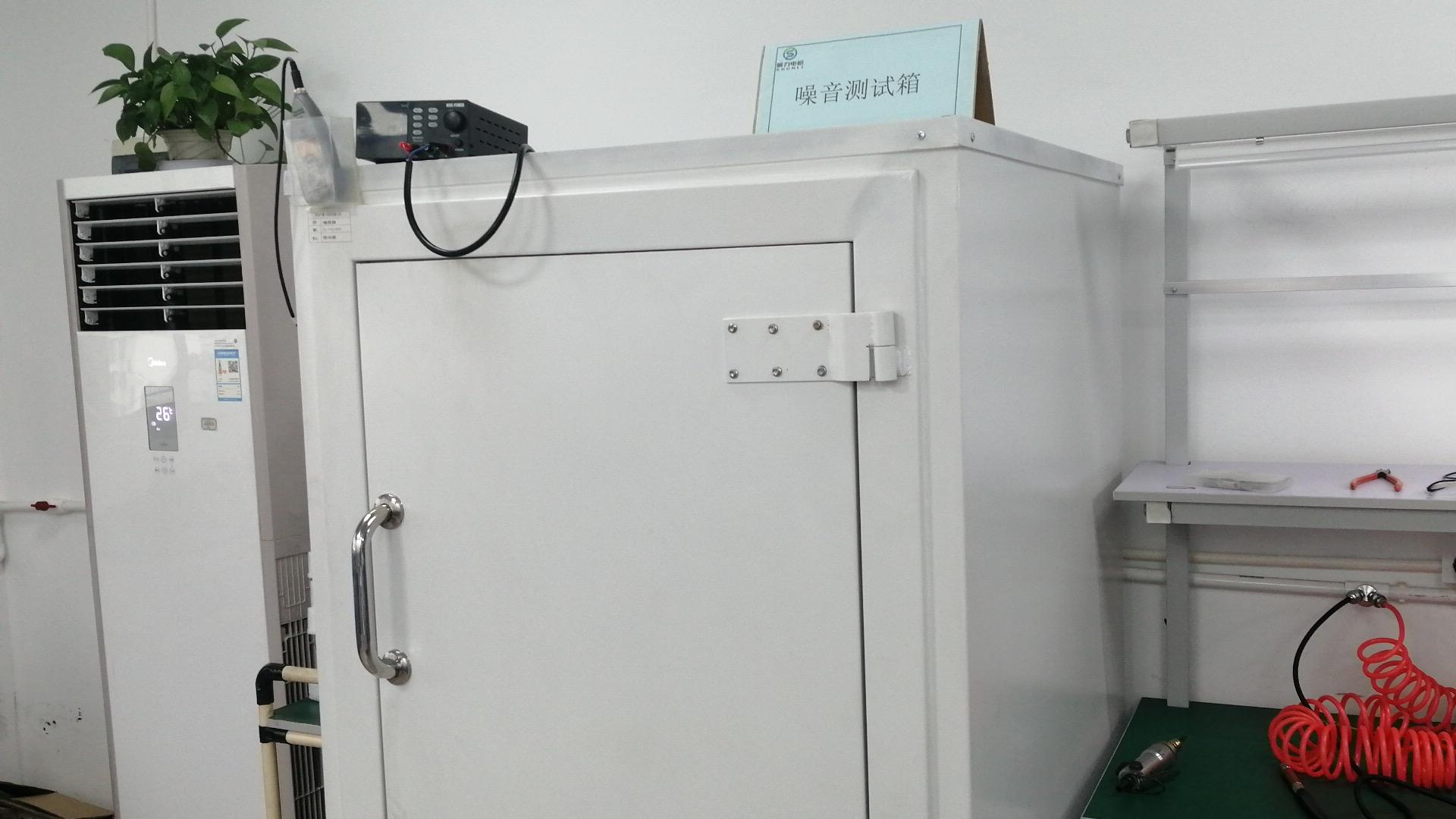
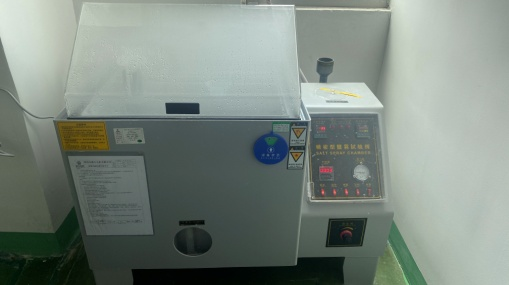
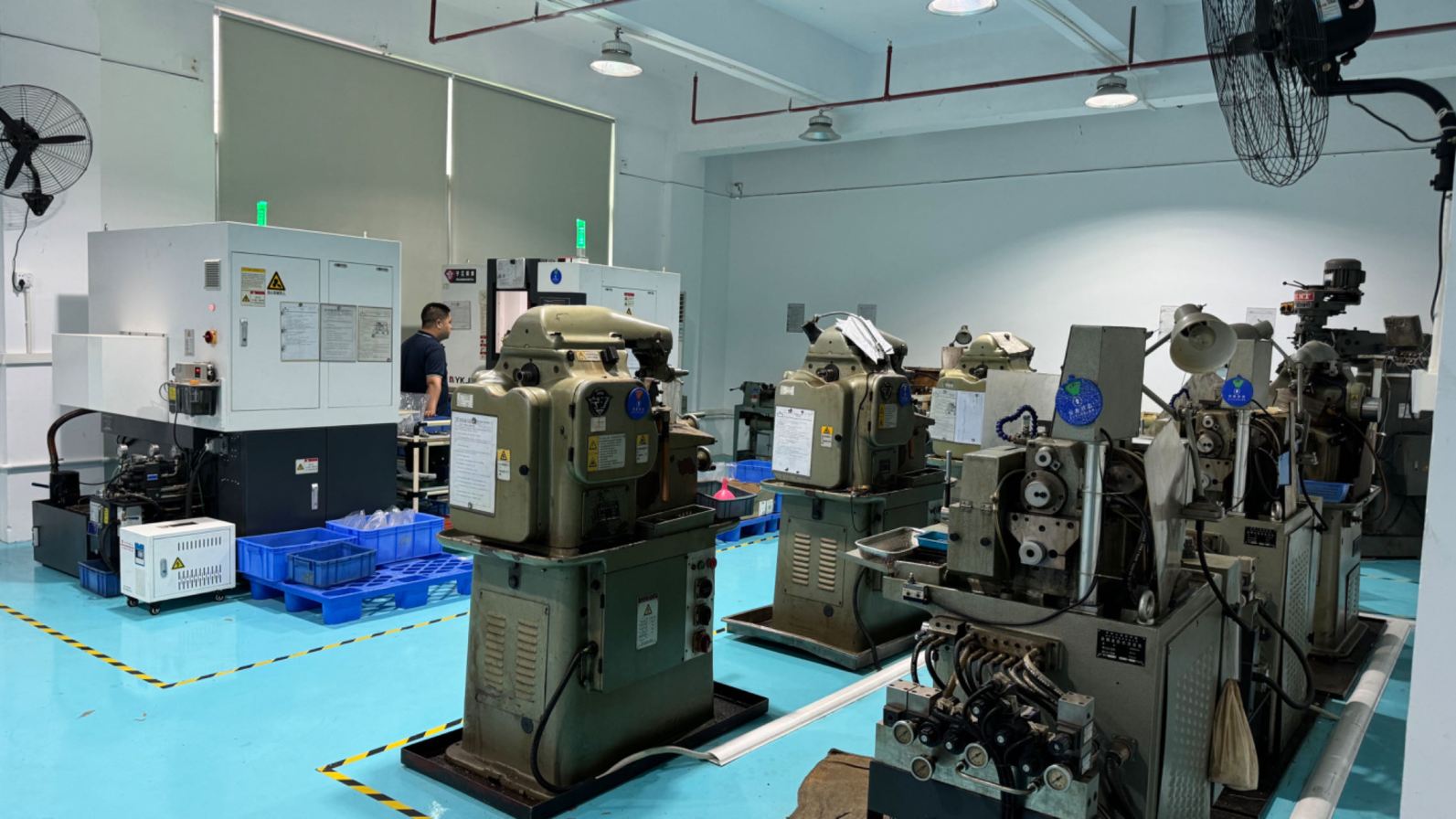
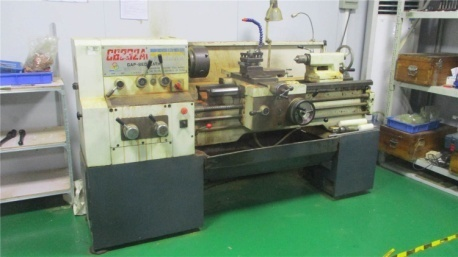
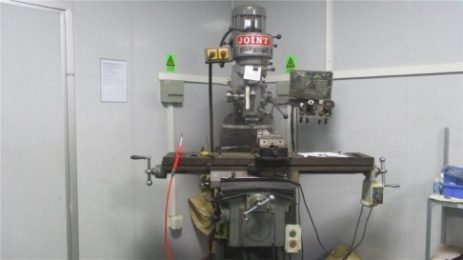
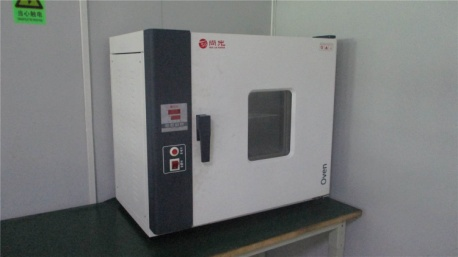
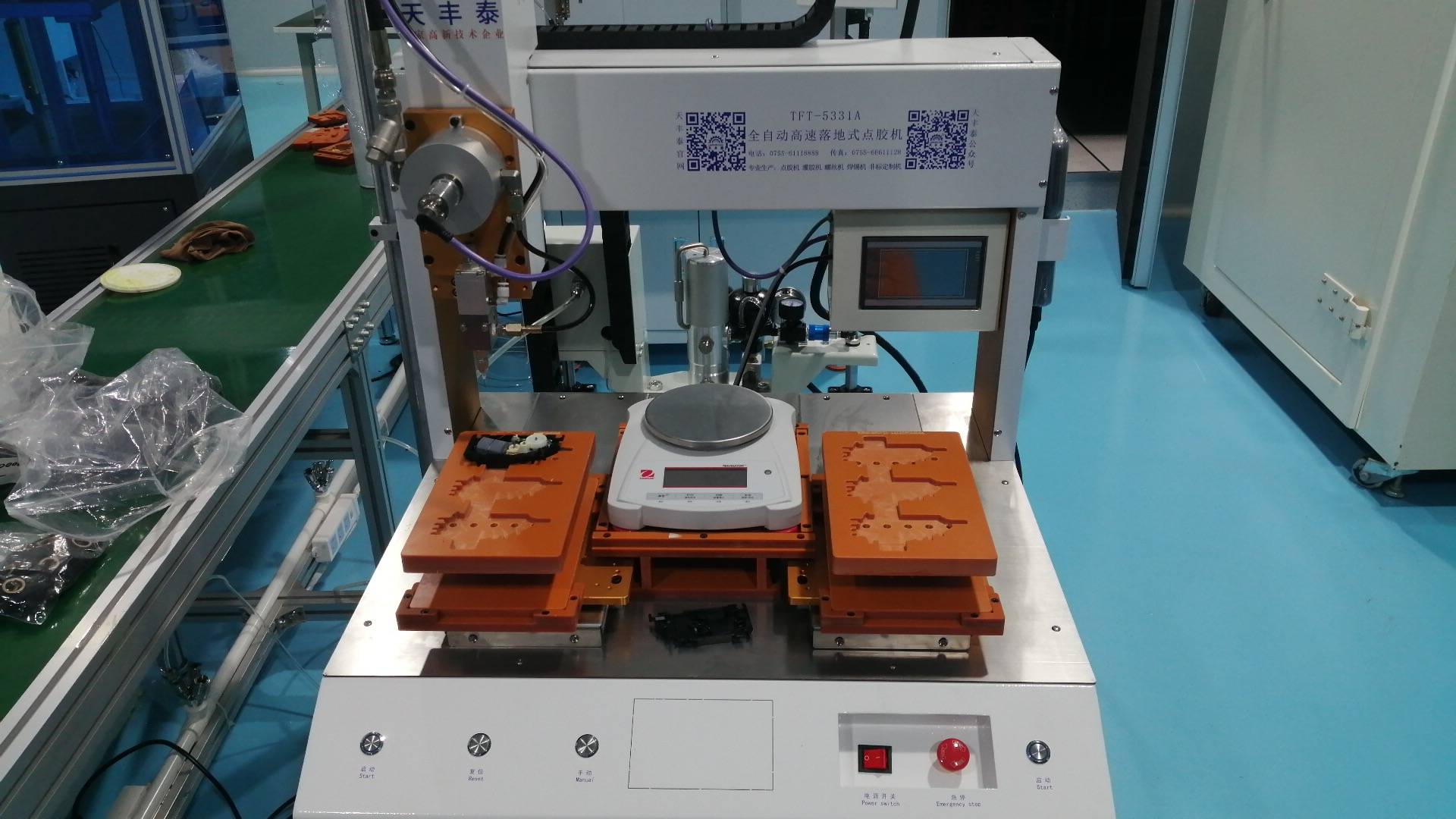
A comprehensive visual overview of our state-of-the-art testing equipment and precise production machinery ensuring zero-defect mechanical output.
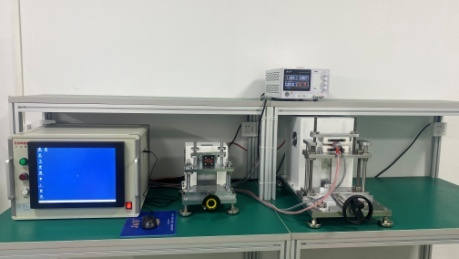
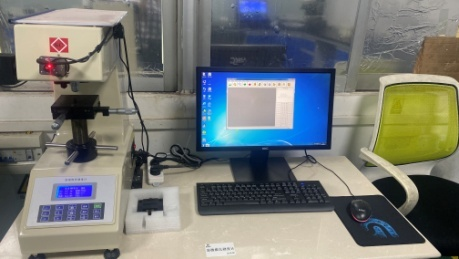
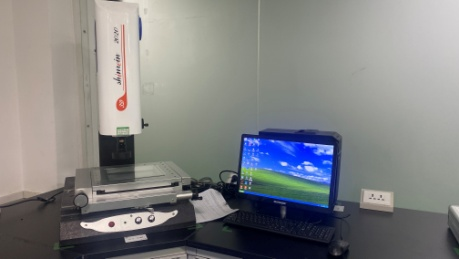
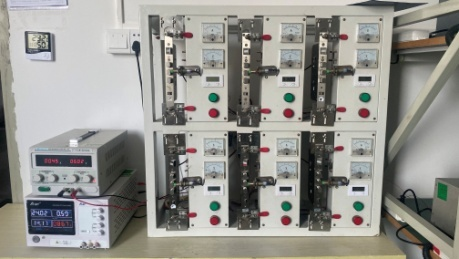
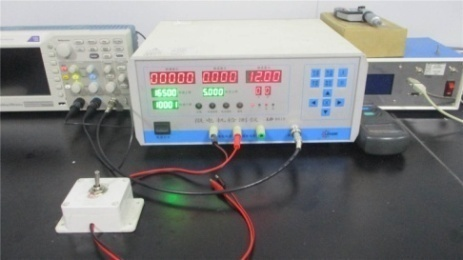
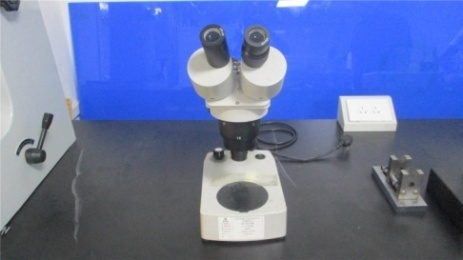
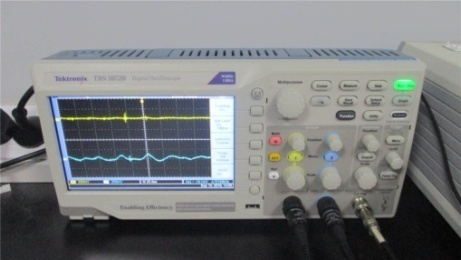
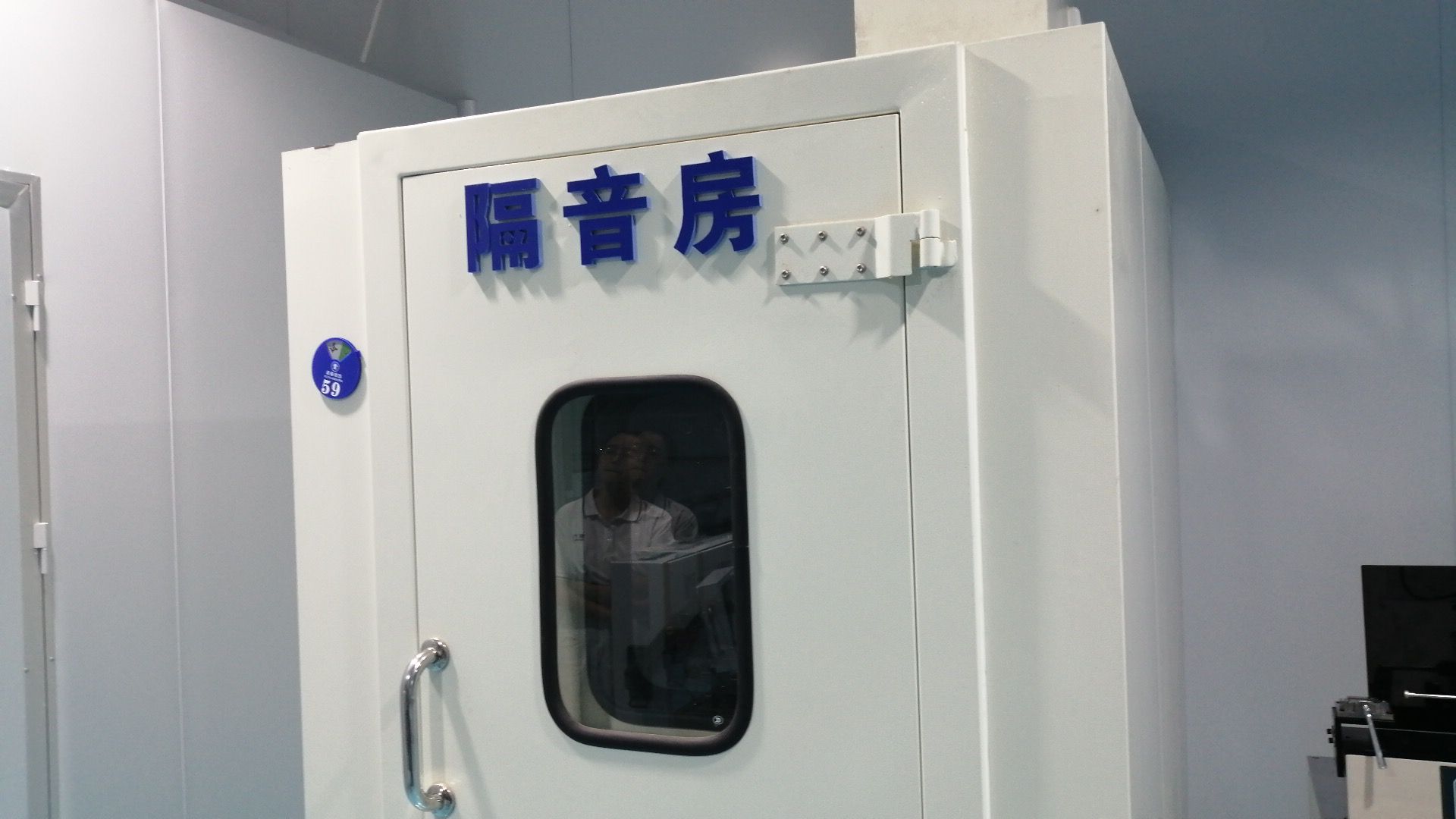
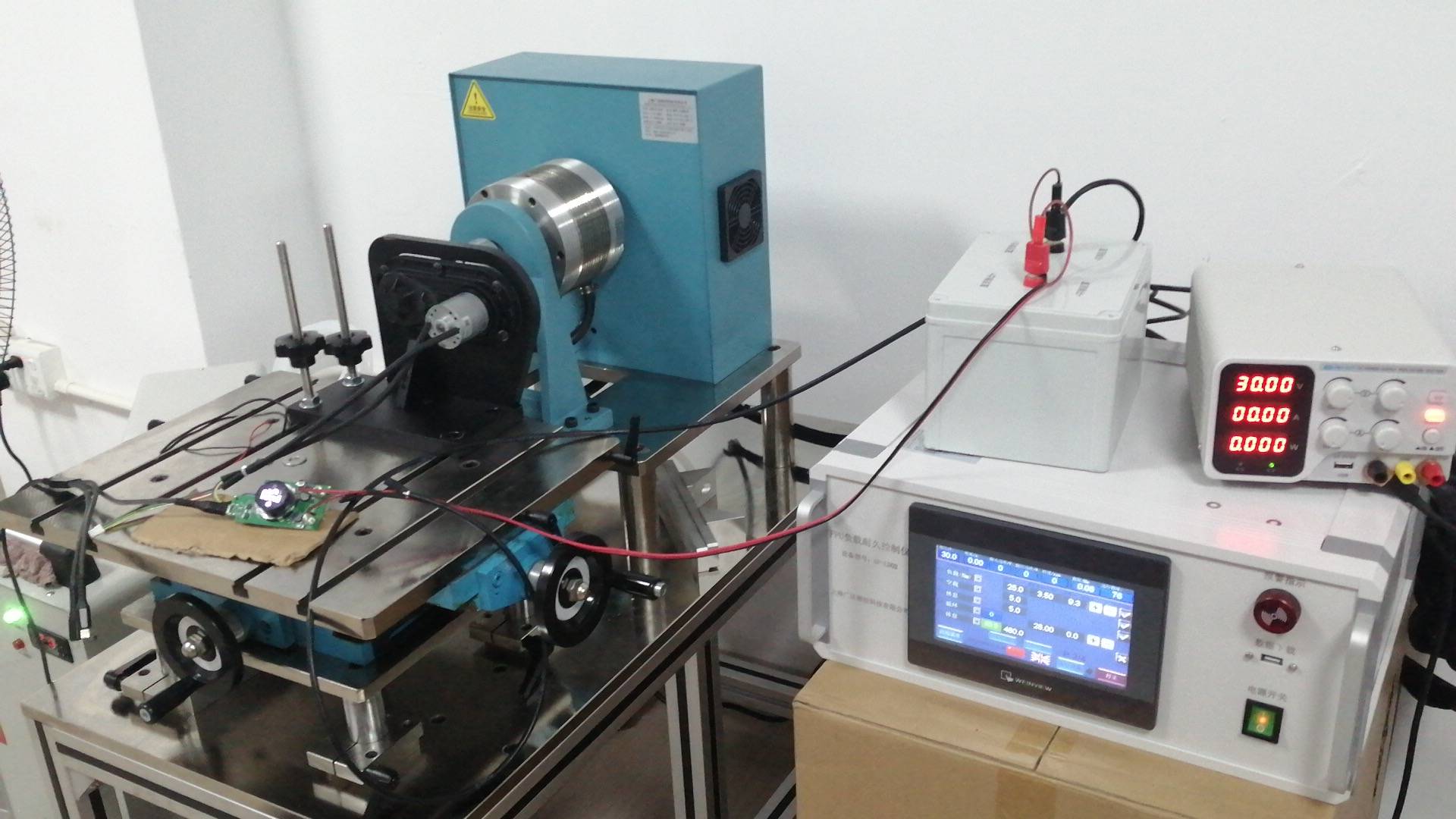
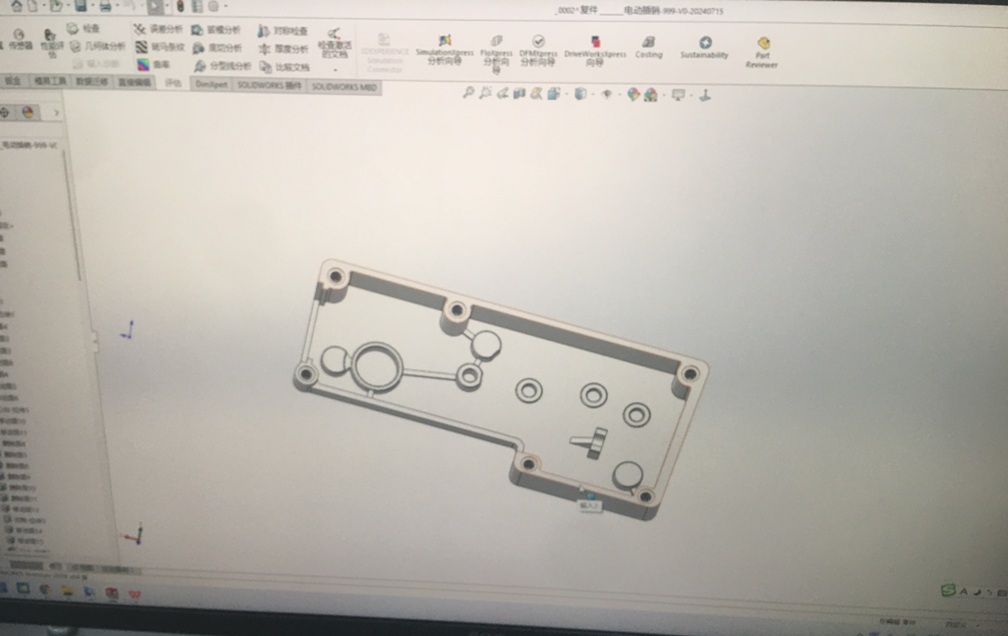

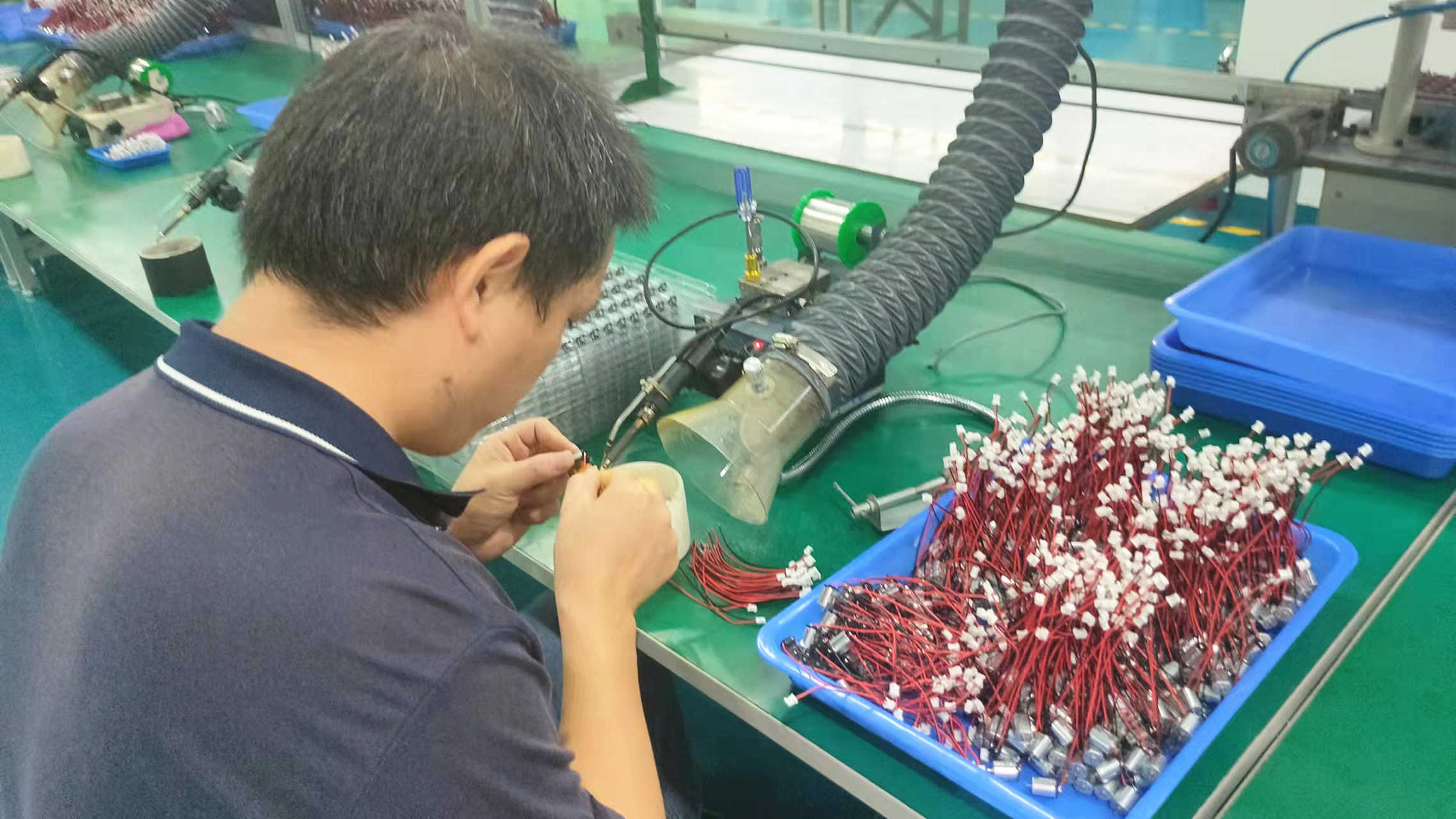
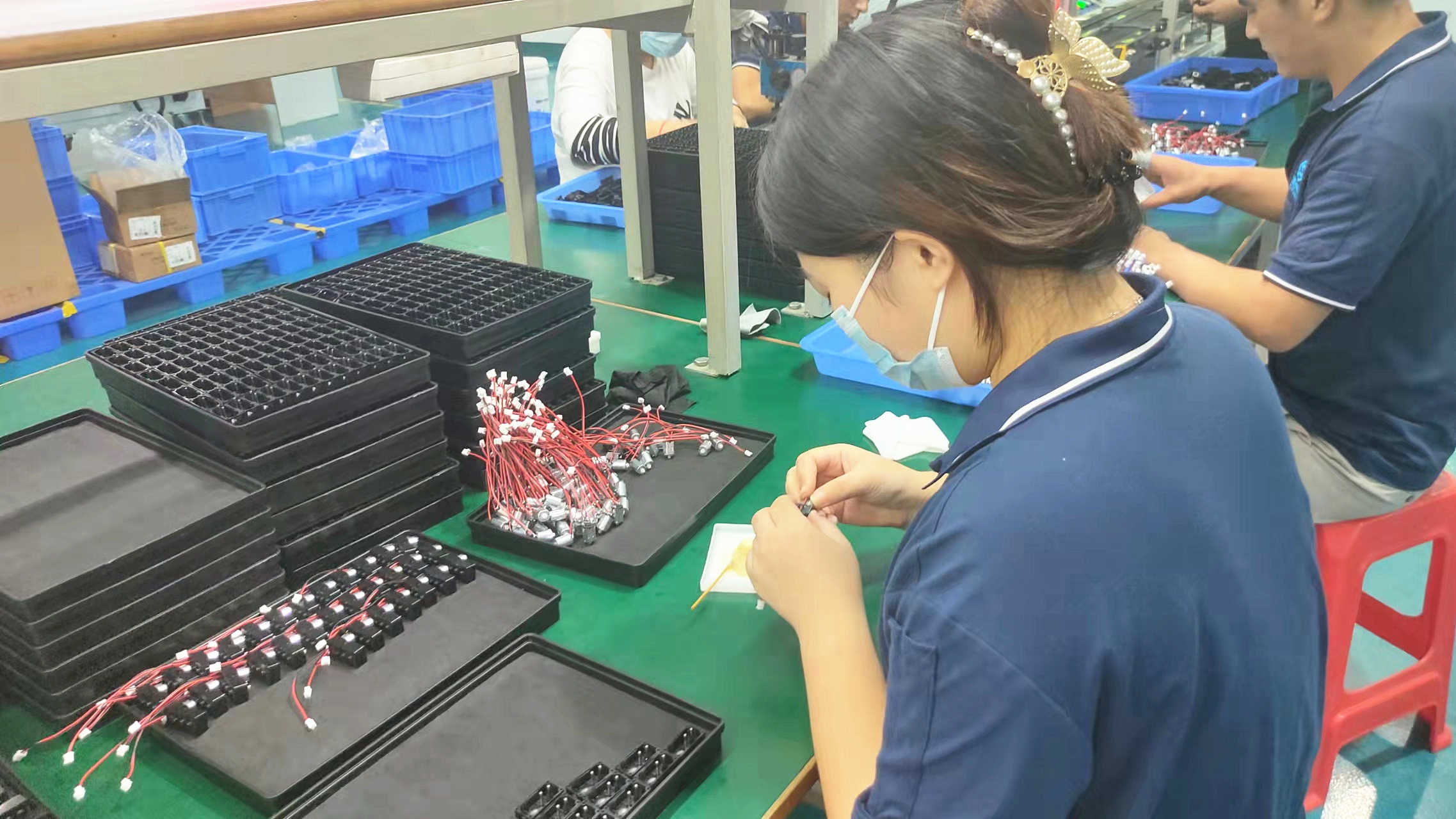
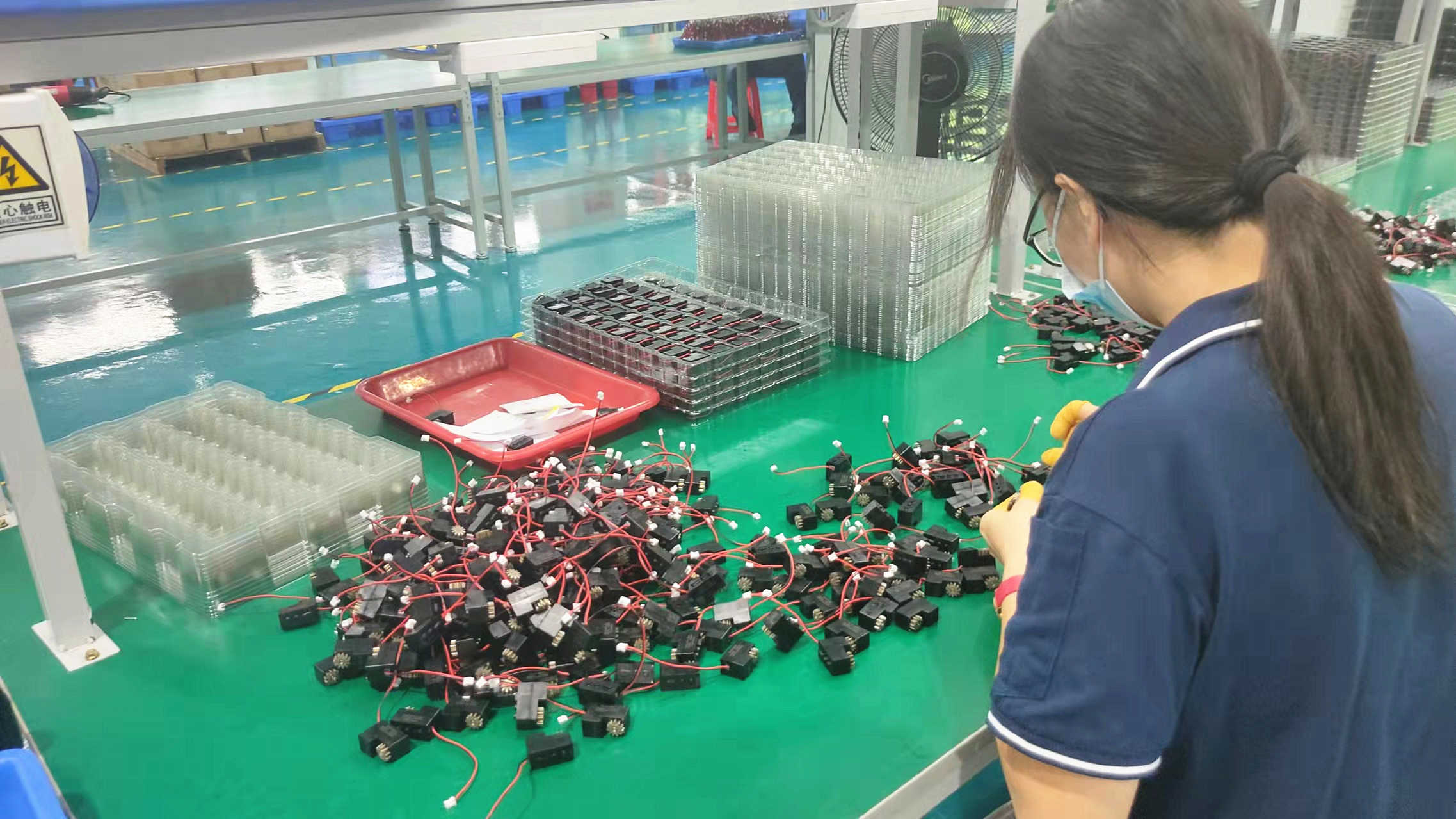
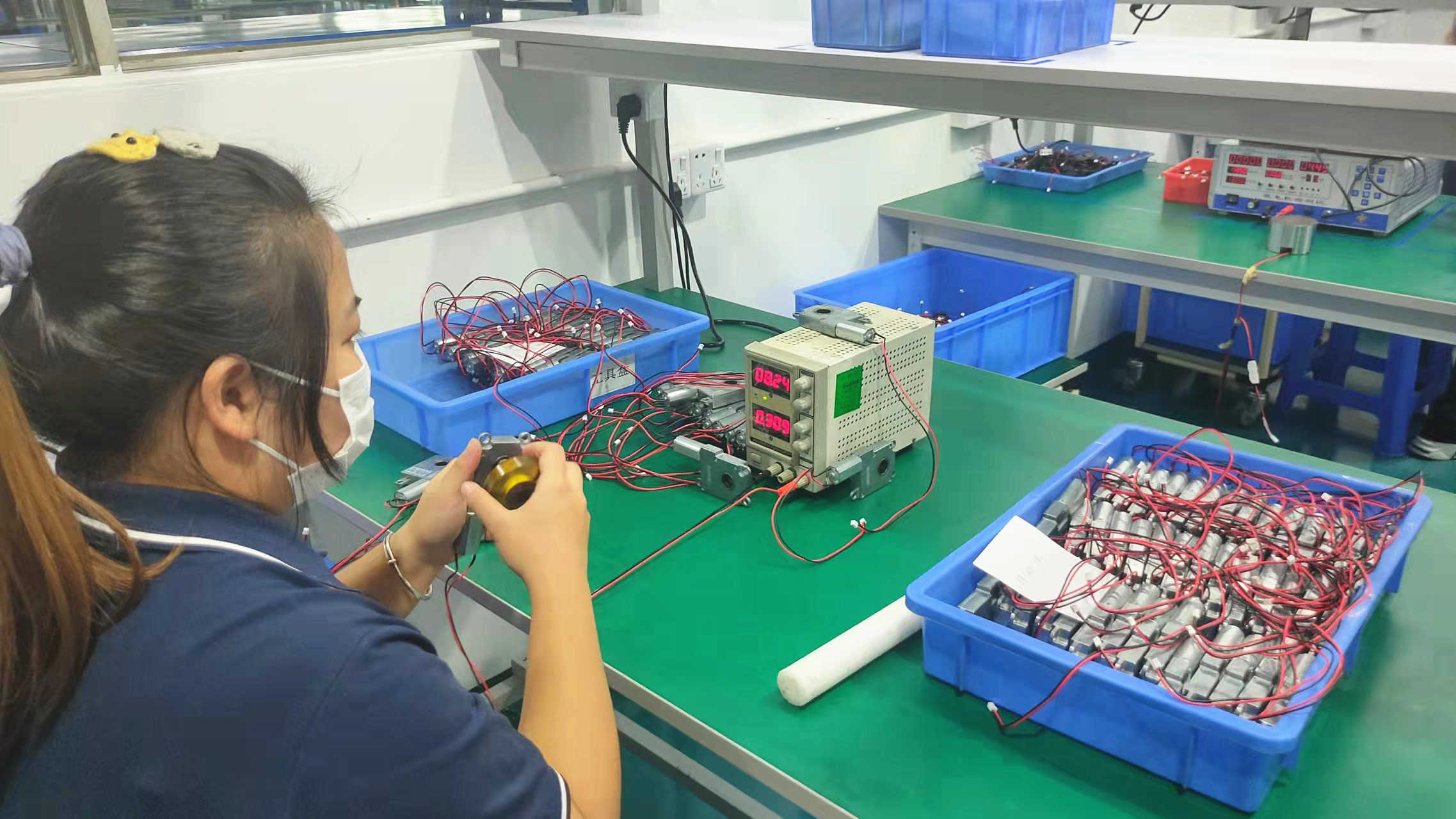
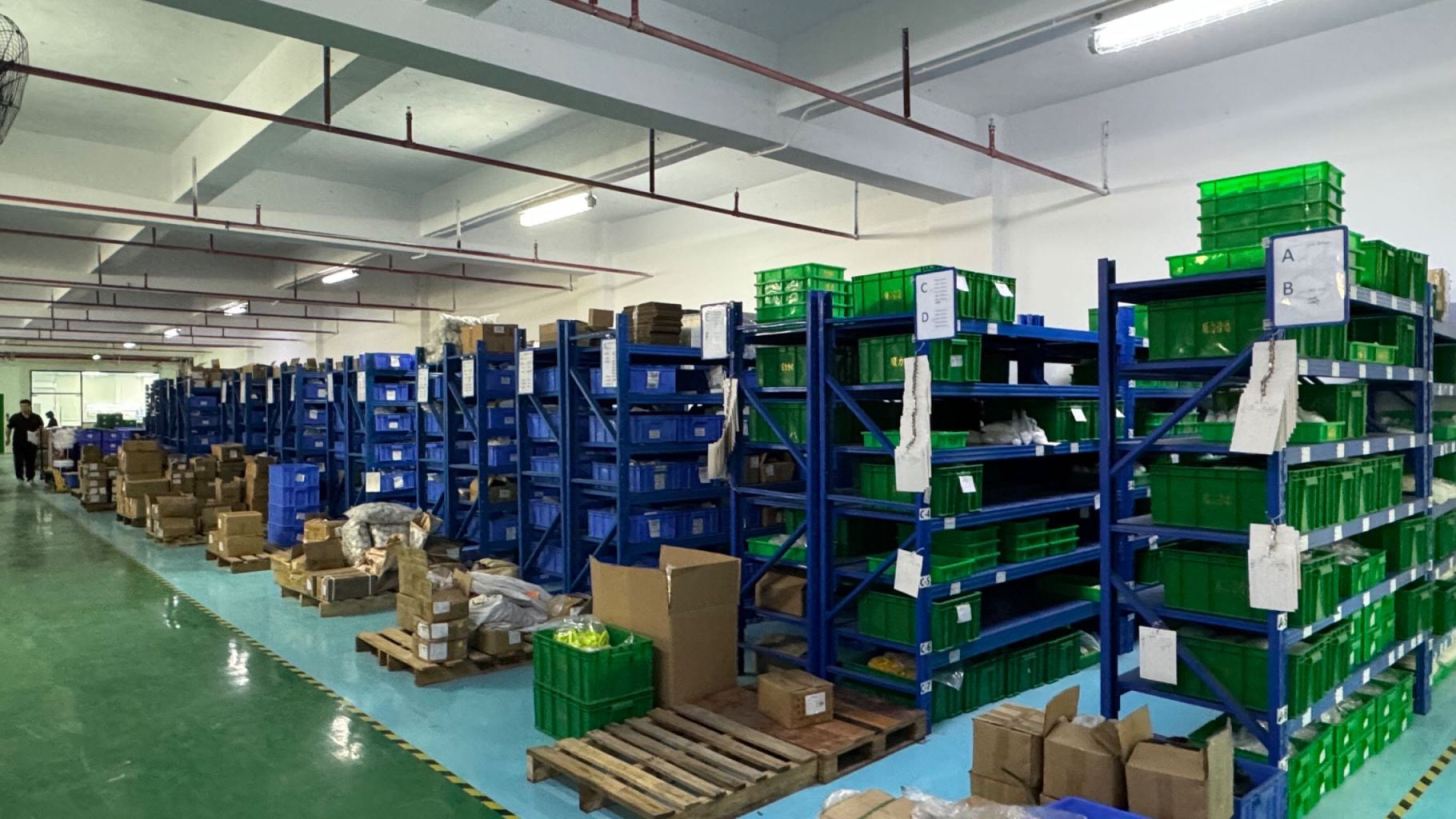
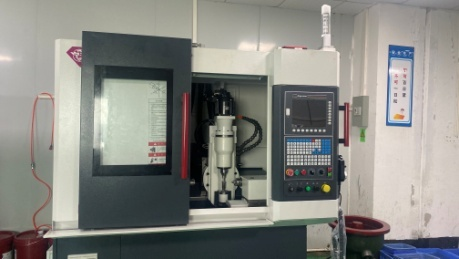
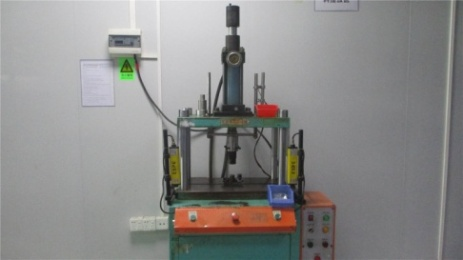
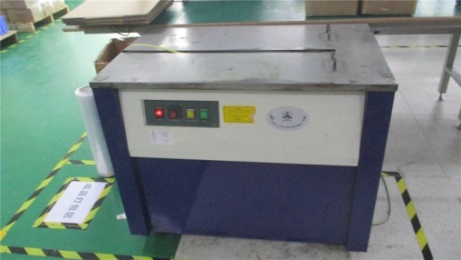
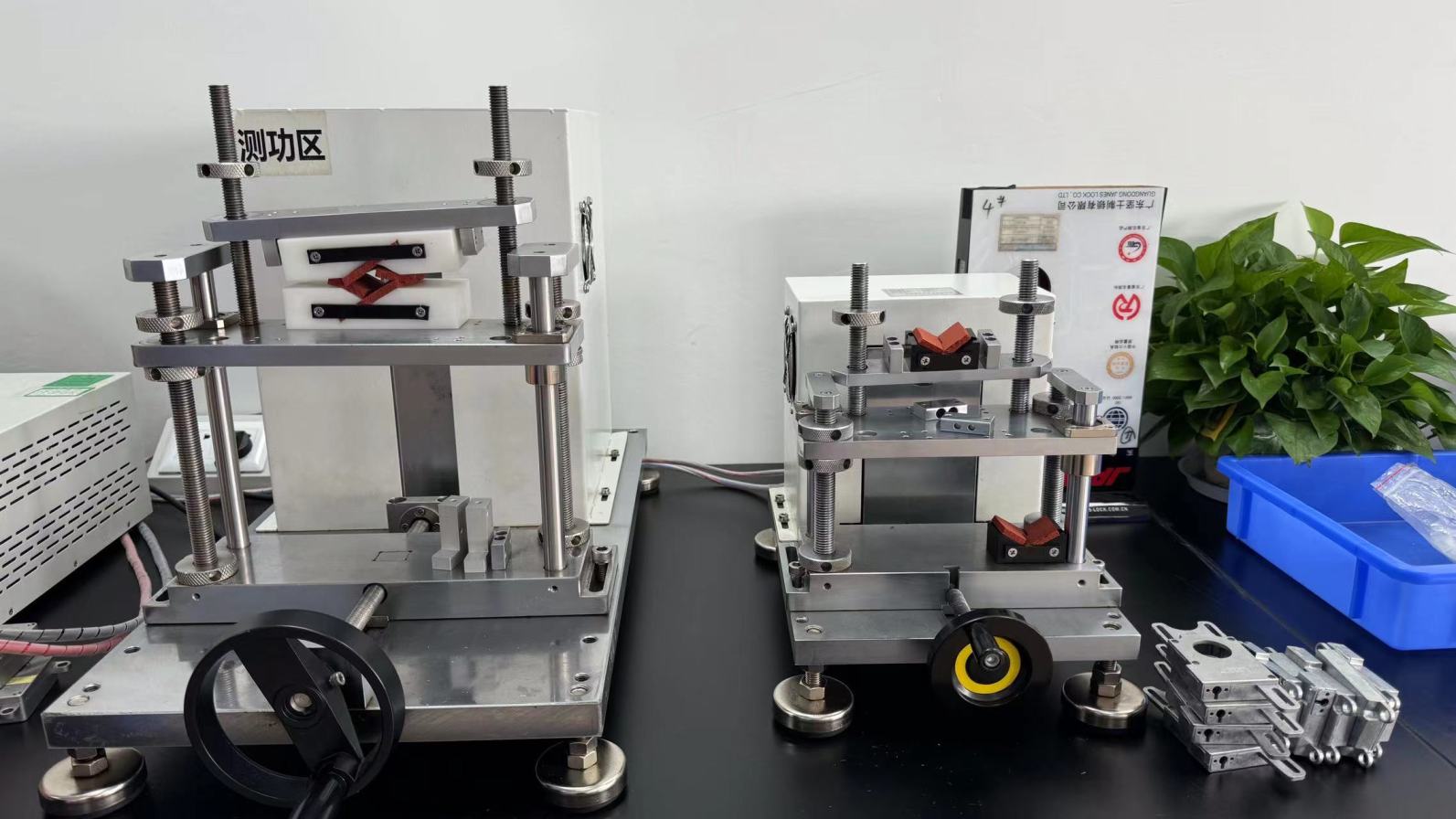
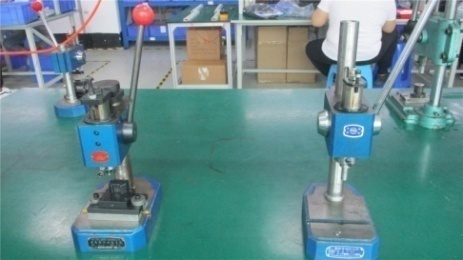
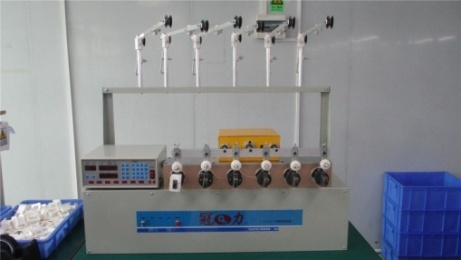
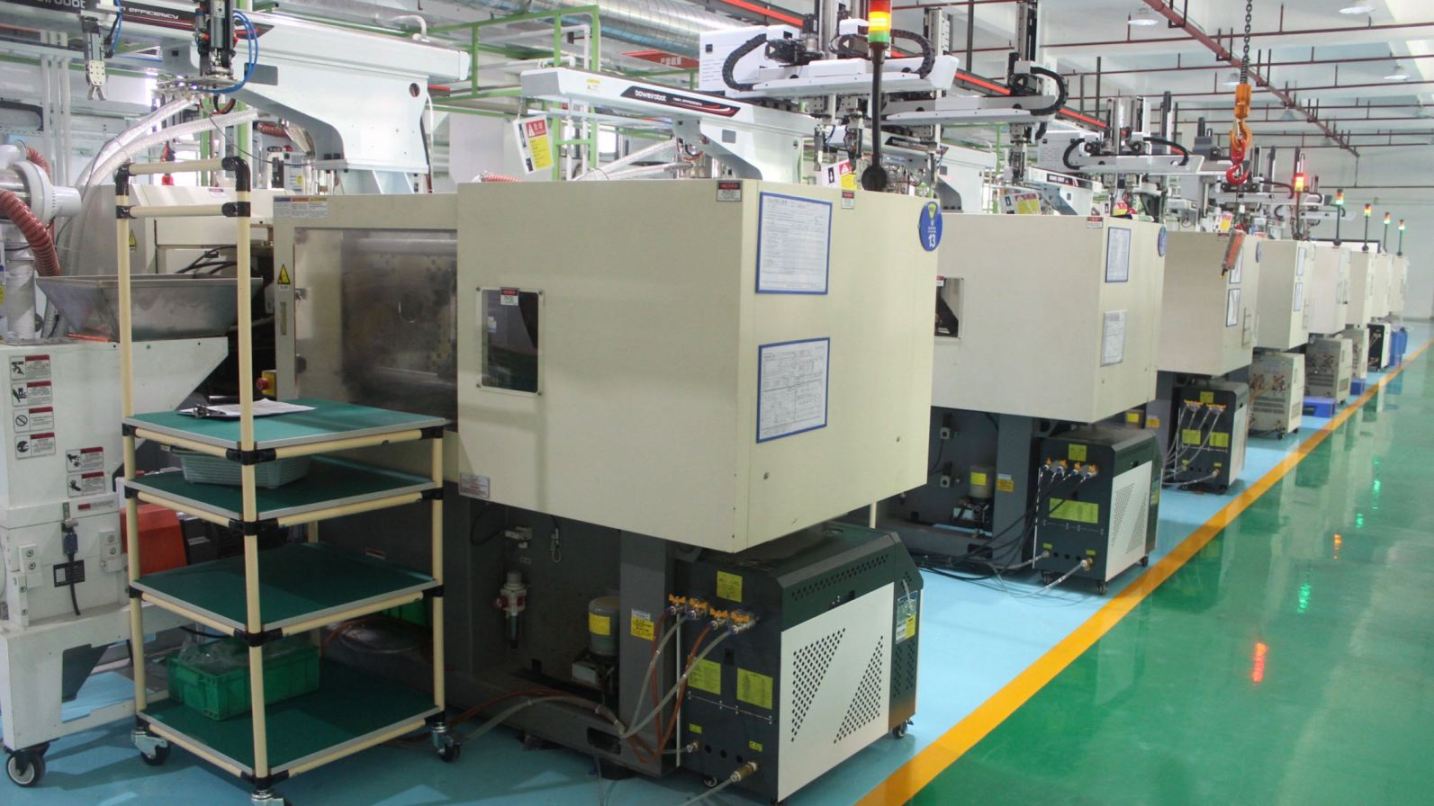
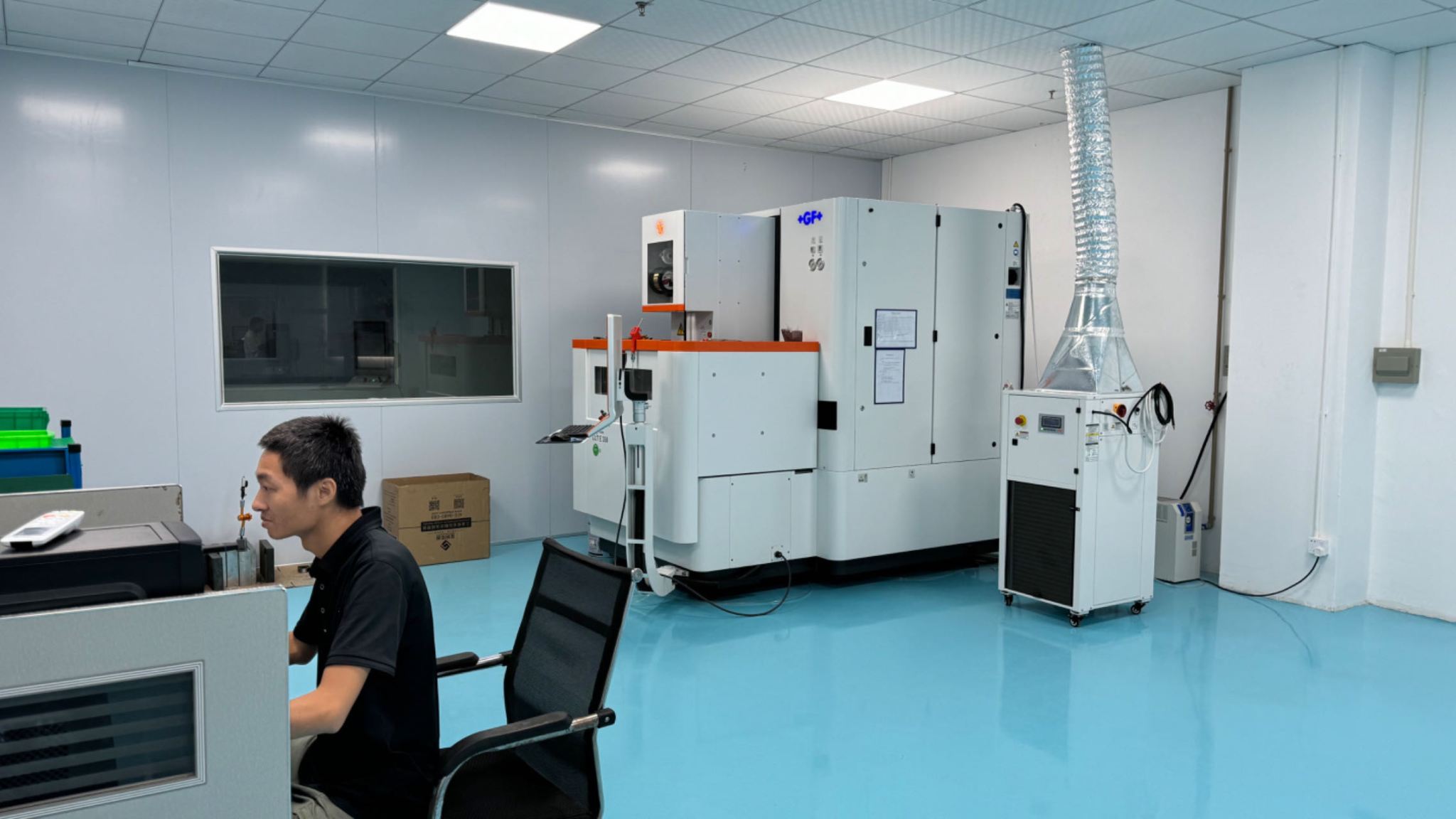
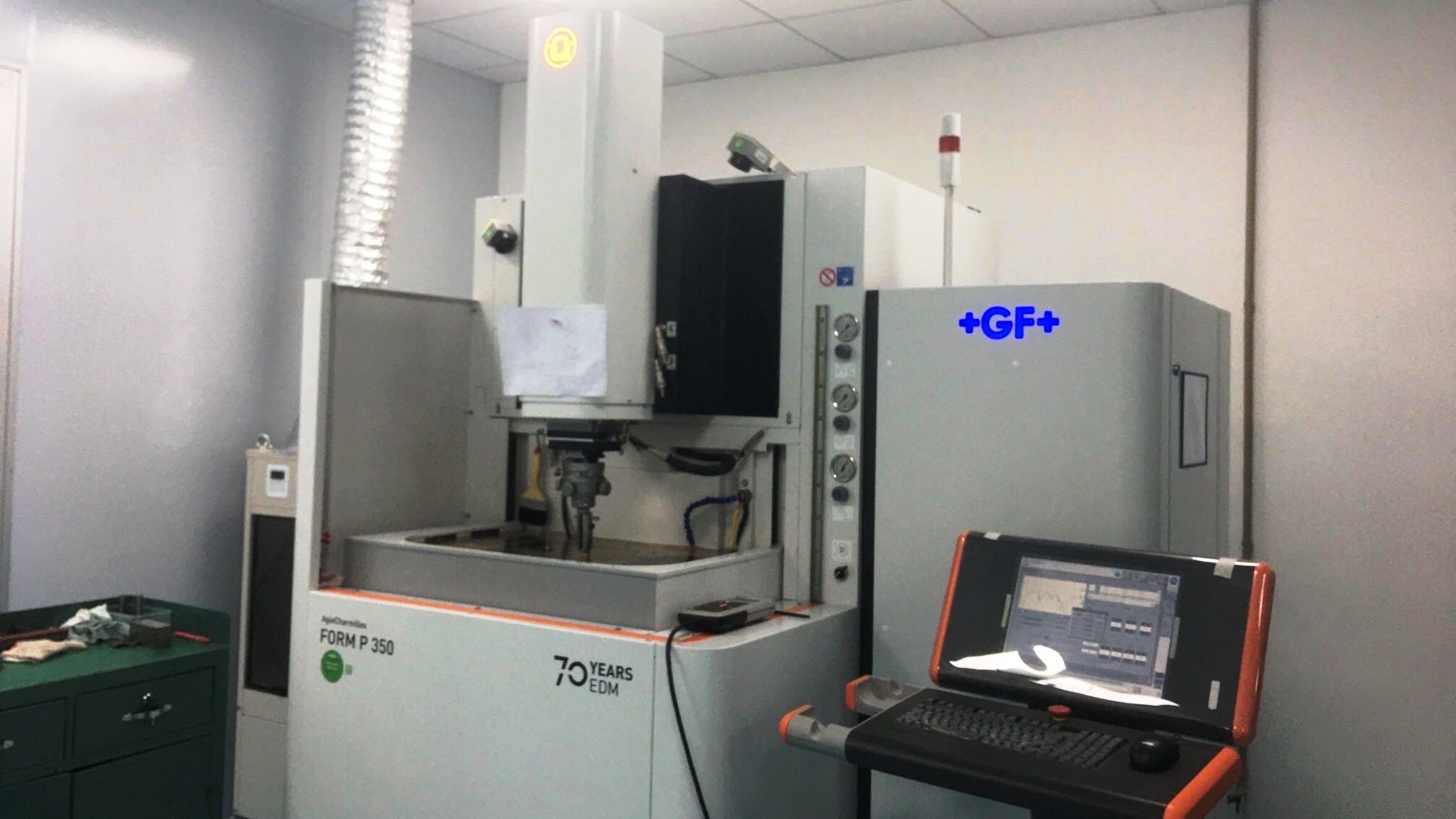
A scientific analysis of design parameters necessary for electronic hardware integration.
| Motor Series | Dimensions (Diameter × L) | Rated Voltage Range | Rated Speed (RPM) | Starting Current | Typical Haptic App Profile |
|---|---|---|---|---|---|
| ERM Coin-Type (Flat) | Ø8mm – Ø12mm | 1.5V – 3.7V DC | 8,000 – 12,000 | <90mA | Smartwatch Alert, Healthcare Wristbands |
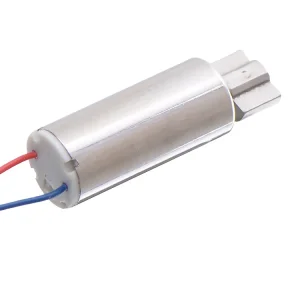
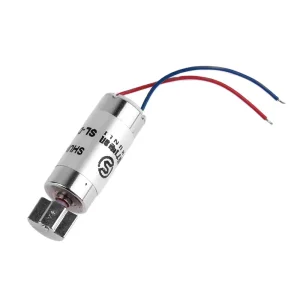
| Cylinder Series (Coreless) | Ø4mm – Ø7mm | 1.3V – 5.0V DC | 10,000 – 15,000 | <120mA | Medical Devices, Handheld Instruments |
| N20 Gear/Eccentric Series | 12mm × 10mm × 15mm | 3.0V – 12.0V DC | 3,000 – 9,000 | <150mA | Automotive Haptic Dashboards, Industrial Alarms |
| Brushless Micro Motors | Ø9mm – Ø24mm | 12.0V – 24.0V DC | 6,000 – 18,000 | <80mA | High Life-Cycle Blenders, Continuous Massage Tools |
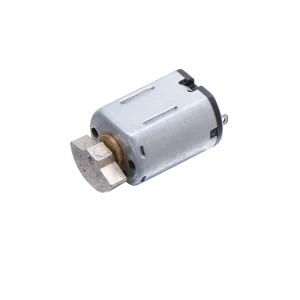
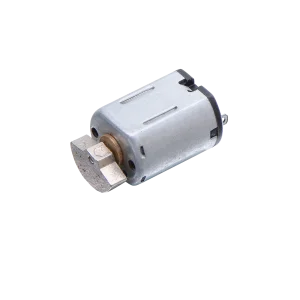
For engineering applications in consumer hardware, selecting the right physical mechanism dictates the user experience. The ERM (Eccentric Rotating Mass) motor utilizes an asymmetrical weight attached to the rotating shaft. As the motor turns, the centrifugal force of the unbalanced weight induces a multi-directional displacement, generating a strong, structural tactile vibration. This design provides maximum acceleration and customizability in vibration amplitude by altering the mass properties.
Conversely, LRA (Linear Resonant Actuators) rely on magnetic spring-mass mechanics vibrating linearly. While LRAs provide faster rise and fall times (ideal for keypad haptics), they operate within a highly narrow resonant frequency bandwidth. ERMs, on the other hand, are preferred for broader, continuous haptic patterns because they generate tactile sensation across a wide voltage spectrum—simplifying driver design and reducing electronic system costs.
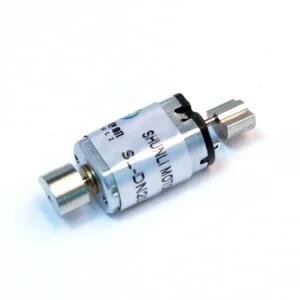
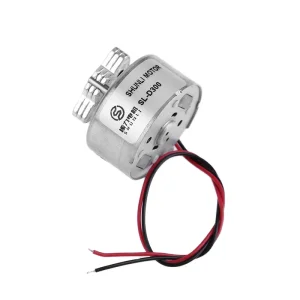
Explore our complete catalog of miniature DC motors, optimized for long-term wear resistance and electrical efficiency.
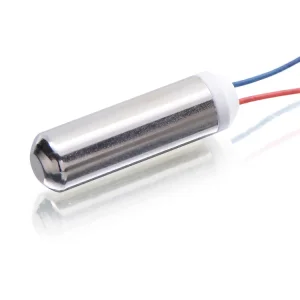
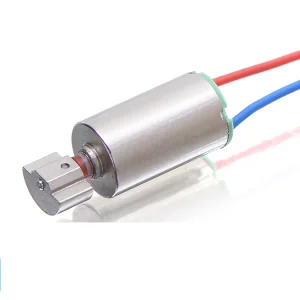
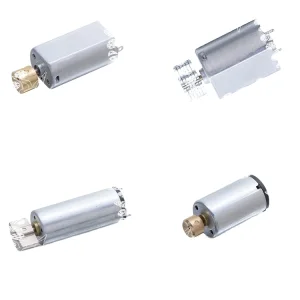
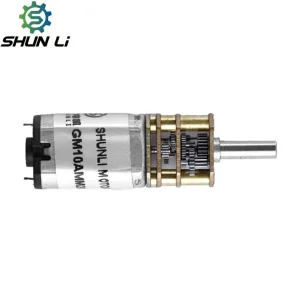
Adapting physical hardware layouts to future consumer expectations and safety parameters.
As wearable tech shrinks, tactile response mechanisms require higher energy densities. Our engineering team specializes in scaling down coreless cylinder motors. Dynamic winding adjustments achieve starting currents lower than 40mA, preventing early battery drain in smart ring and smartwatch systems.
Automotive designers are replacing physical mechanical buttons with touch screen panels integrated with localized tactile response. High-excitation N20 vibration assemblies give drivers reassuring feedback. Our designs ensure long term MTBF values (>500,000 cycles) to meet global automotive requirements.
Medical devices like insulin pumps and handheld diagnostic readers require highly quiet vibration alerts to notify users without causing alarm. Our dedicated acoustic testing chambers verify decibel levels stay below 35dB, ensuring patient comfort and device compliance.
We are shifting our main technical developments toward Brushless DC (BLDC) vibration actuators. BLDC structures remove the physical friction limit of carbon brushes, increasing the operating life cycle of micro vibration motors by up to ten times. We are also optimizing magnetic materials to use high-remanence NdFeB (Neodymium) magnets, which allows us to achieve similar force values while reducing weight and total space requirements by 15%.
For critical consumer products and high-volume industrial systems, quality control is paramount. Our factory employs a comprehensive, step-by-step quality validation protocol. Every batch of micro motors is subjected to rigorous environmental stressors, including salt spray testing (crucial for coastal cities like Mumbai) to assess anti-oxidation performance, high-low temperature cycles, and dynamic dynamic balancing evaluations to eliminate noise spikes.
All materials comply with RoHS and REACH standards. This compliance ensures your final consumer and medical devices can be shipped anywhere globally without facing environmental policy challenges.
We operate streamlined global trade processes. Shipping directly to Nhava Sheva Port, Mumbai Air Cargo Complex, or Pune logistics hubs, we provide reliable sea and air freight delivery schedules. Our partnerships with top global and local customs brokers ensure customs clearing takes minimal time, so your production line stays on schedule.
Expert engineering answers to common challenges in integrating DC micro vibration motors.
Get custom electrical winding designs, specialized eccentric weights, and personalized packaging solutions tailored for your unique production line.
Send Inquiry Now