RadixPro
RadixPro
RadixPro
In modern industrial automation, the demand for DC motors—specifically high-efficiency brushless DC (BLDC) motors and ultra-compact planetary gearboxes—has surged. From surgical robotics requiring sub-millimeter positioning accuracy to high-torque electric lawn mowers operating under severe load variations, selecting the right DC motor manufacturer is no longer just a purchasing decision. It is an engineering partnership.
This technical whitepaper examines the core capabilities of the world's leading exporters and manufacturers. We highlight the vital parameters of motor performance (cogging torque, thermal dissipation, commutation lifespan) and reveal how the implementation of Industry 4.0 smart manufacturing in specialized clusters has redefined cost-to-performance efficiency for global industrial OEMs.
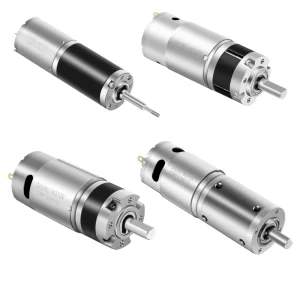
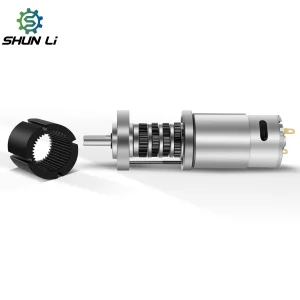
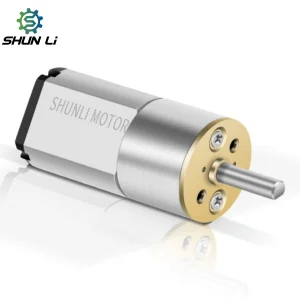
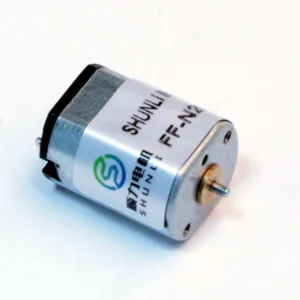
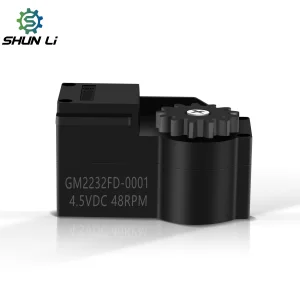
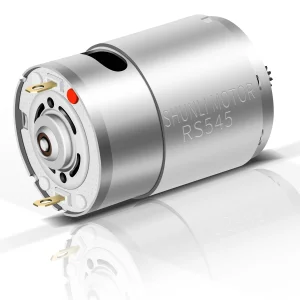
These high-demand precision micro drives cover voltages from 3V to 48V, built for smart locks, actuators, robotics, and industrial pumps.
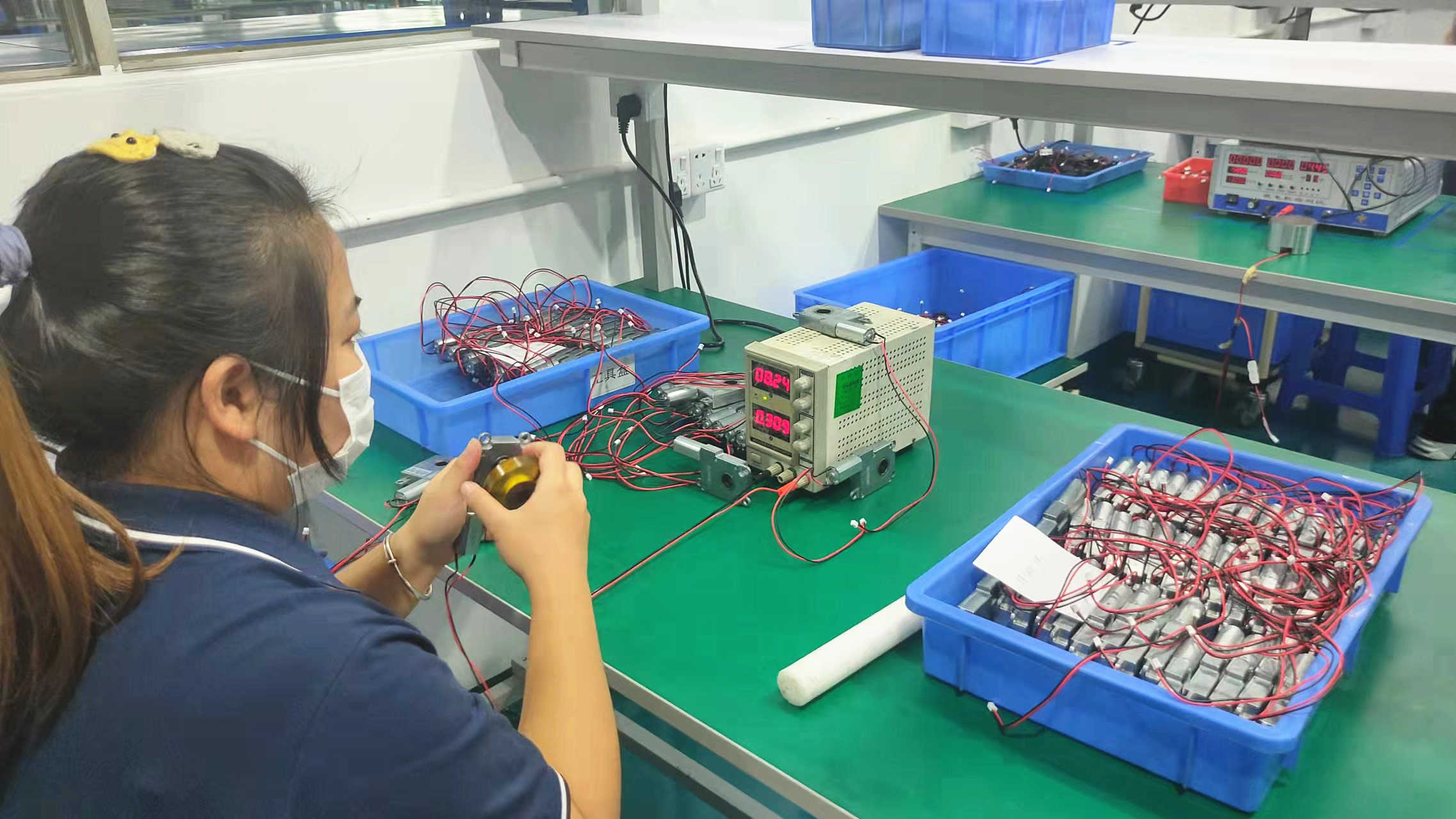
Inside a premium robotic joint, an automated medical pump, or a high-end smart lock, space is the ultimate luxury. At RadixPro, we measure our success in micrometers and decibels.
Our mission is to take advanced, heavy-duty rotational power and compress it into the most compact, energy-efficient footprints imaginable.
Our expertise lies in the micro-details of motion. From precision-wound copper rotors and high-purity commutators to zero-backlash planetary gear trains, every single internal component of a VortexPro motor is optimized to eliminate friction and maximize heat dissipation. By combining advanced automated Swiss-style hobbing with Japanese dynamic balancing, we ensure our micro drives deliver the fluid, whispering-quiet power your brand promises. When your next high-tech innovation relies on repeated mechanical perfection, let RadixPro be the core that spins it forward.
Procurement engineers and sourcing managers face multi-layered challenges. The decision matrix spans energy metrics, material compliance, and export logistics.
Aerospace, automotive, and medical fields require compact drives that deliver high peak torque. Sourcing teams prioritize planetary gearboxes made from high-strength alloyed steel to ensure high load bearing without structural deformation.
Standard brushless motors run cooler than brushed variants, but integrated planetary systems generate high thermal friction. Buyers require motors with specialized venting configurations, high-temperature copper winding classes (Class H, 180°C), and low-friction lubricants.
Exporters must satisfy stringent regional standards. Compliance with CE, UL, RoHS, and REACH is essential. Advanced suppliers implement trace codes on magnets (Neodymium-Iron-Boron) and wire assemblies to track material compliance.
The concentration of micro-motor production in China's industrial hubs has created a robust ecosystem. These regions house raw material processing, stator manufacturing, automated winding, and precision testing labs in close proximity.
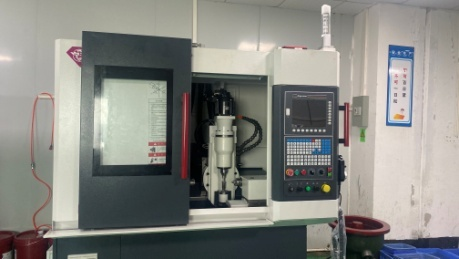
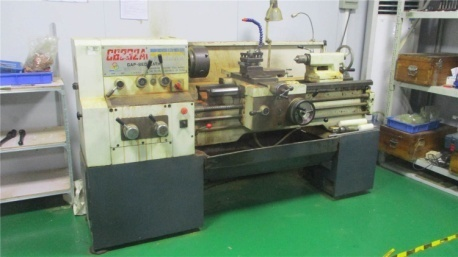
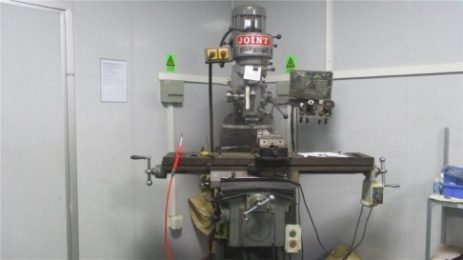
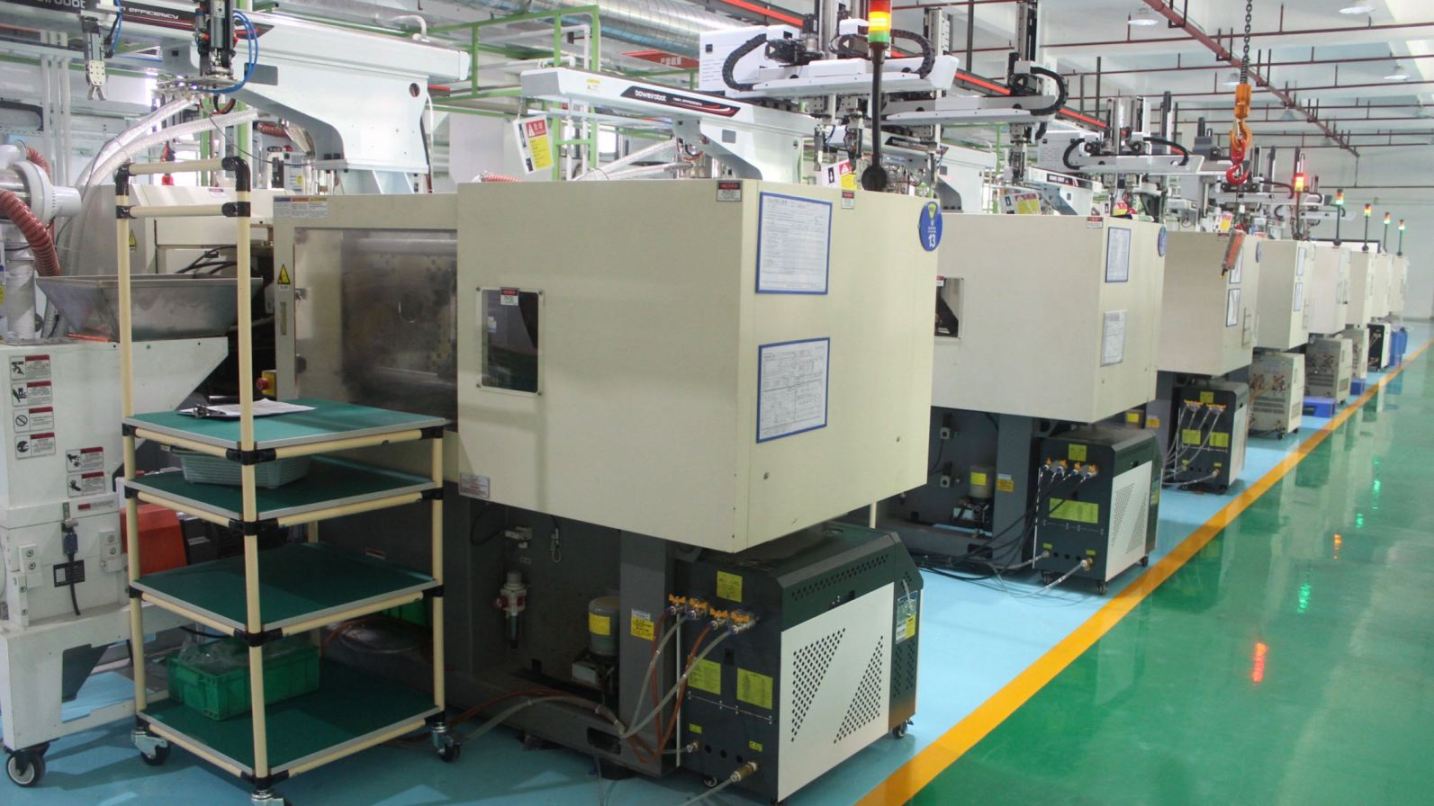
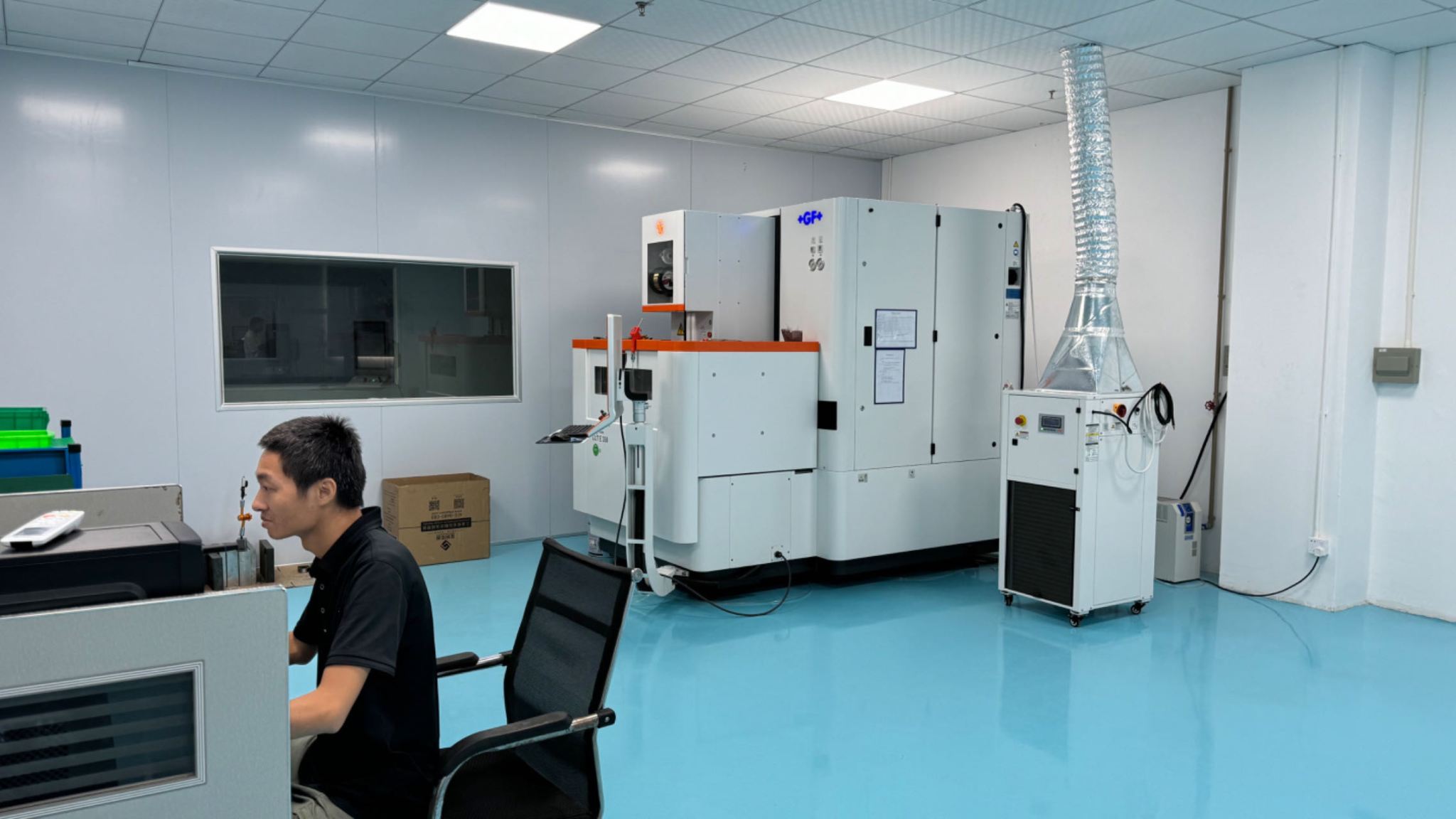
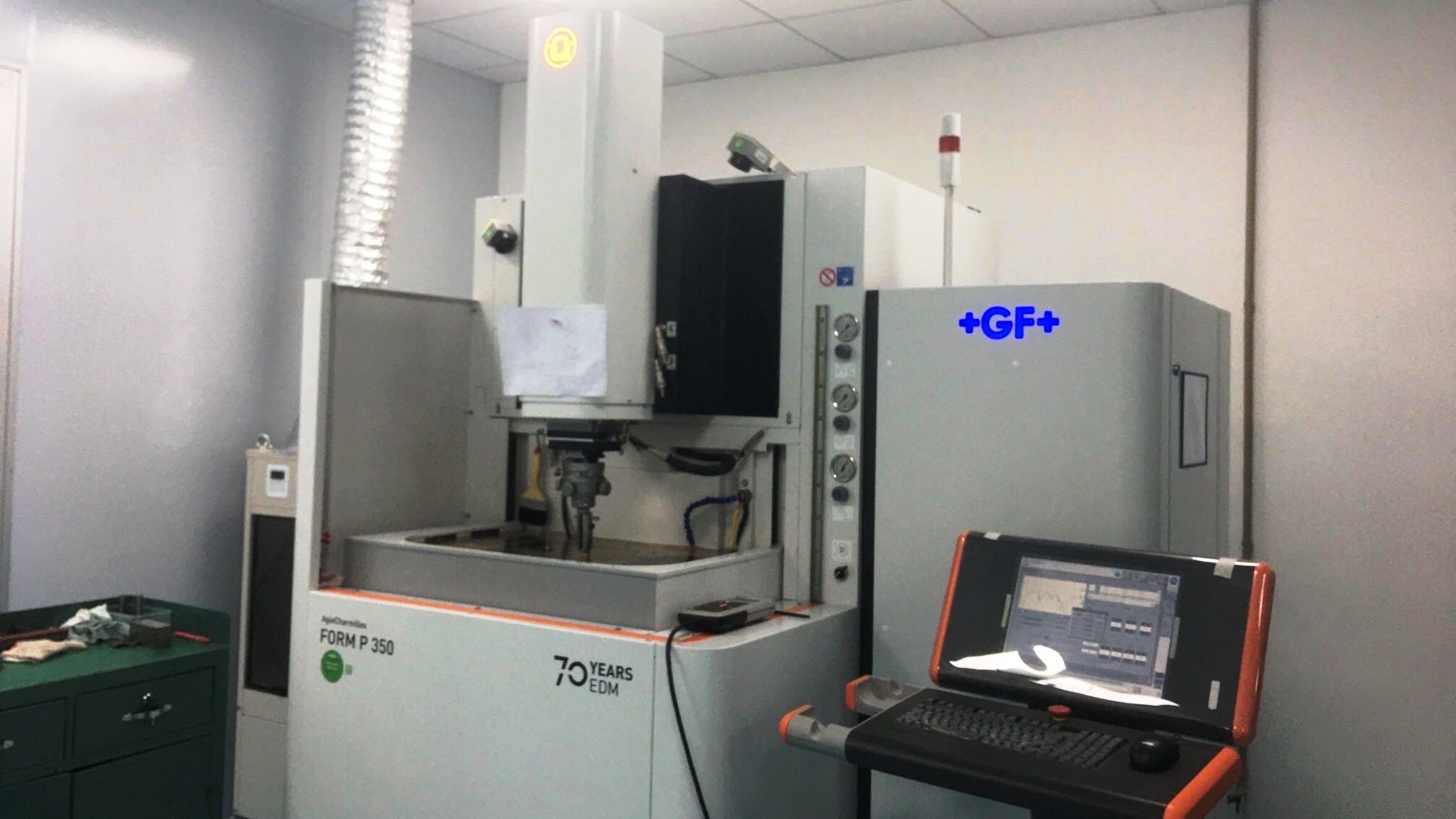
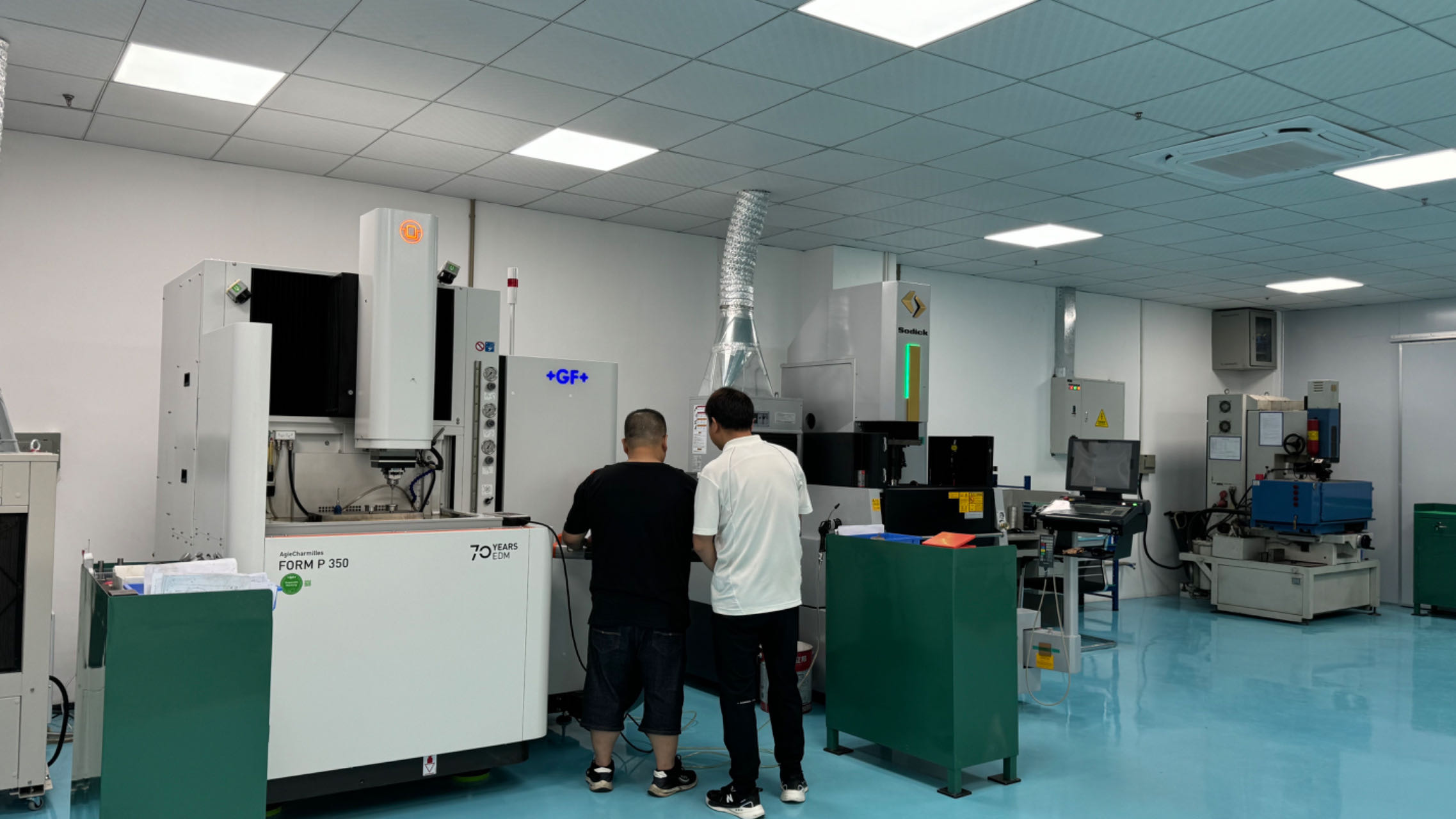
Under the Factory 4.0 framework, manual workstations have been replaced by automated, software-controlled manufacturing pipelines. CNC Swiss-style lathe operations, slow-feeding NC wire-cut machines, and EDM stations are integrated with central manufacturing execution systems (MES). This integration shortens processing cycles and keeps shaft tolerances within critical margins.
Consequently, manufacturing partners can easily adapt output levels to match supply line disruptions in North America, Europe, or Asia, while offering customizable gear configuration options (planetary, spur, worm drives) at competitive price points.
| Prototyping Lead Time | 5 - 7 Days |
| Custom Shaft Modification | Supported (±0.005mm tolerance) |
| Automated Winding Ratio | >92% Process Uniformity |
| Raw Material Sourcing | Direct Access to Rare-Earth Magnets |
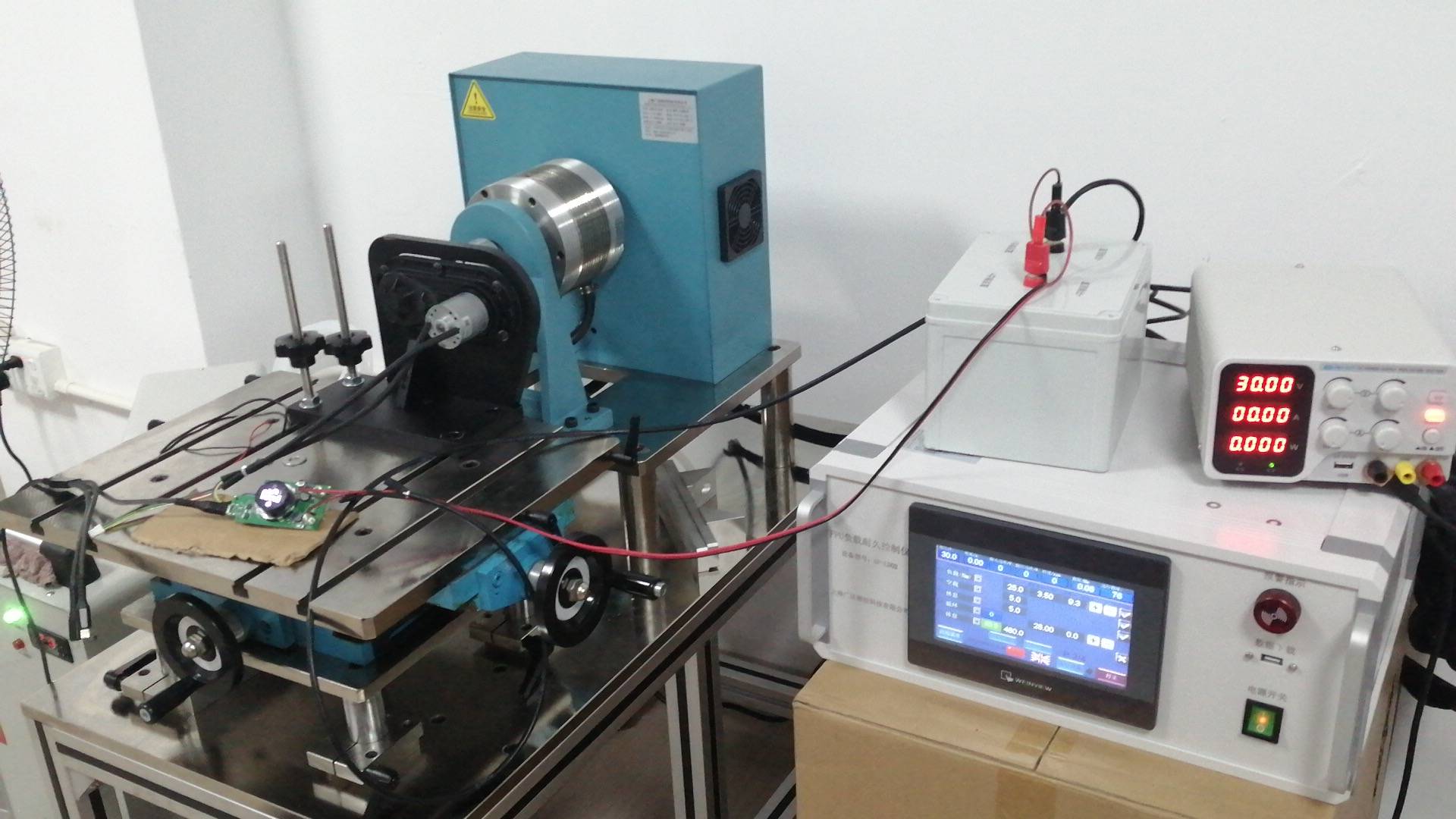
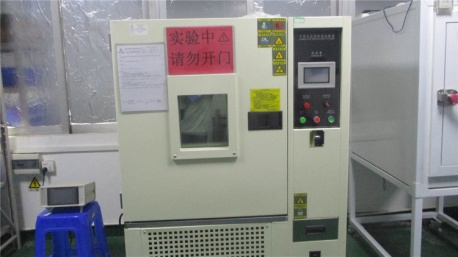
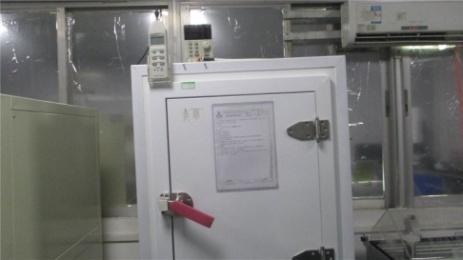
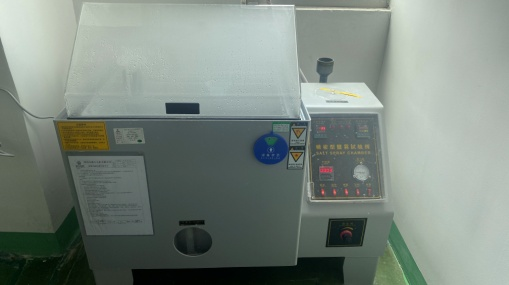
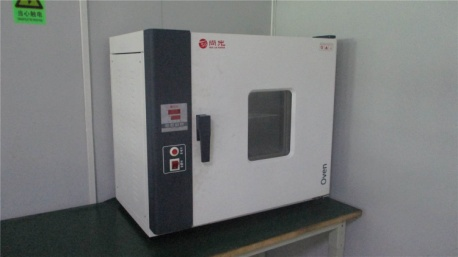
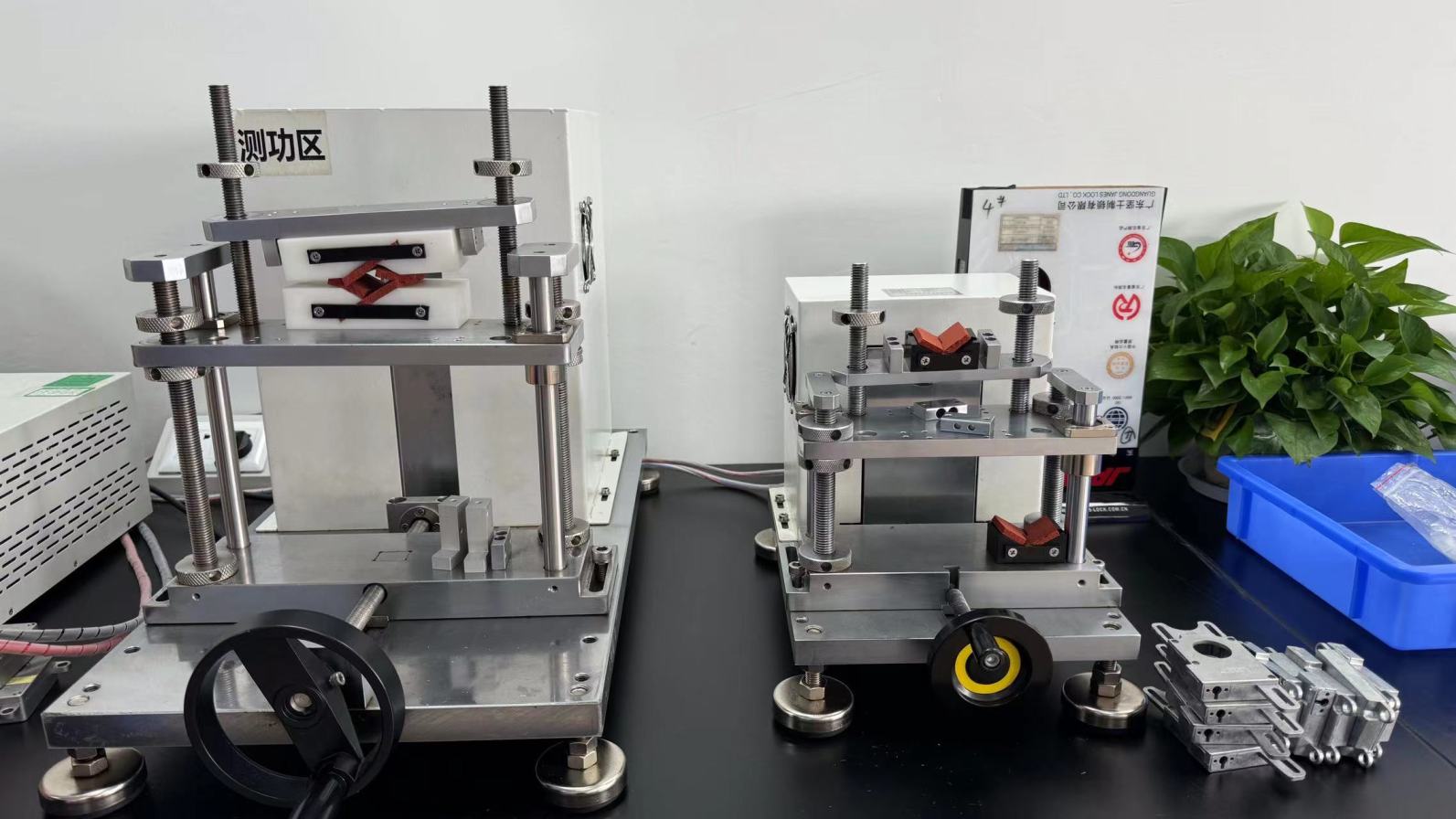
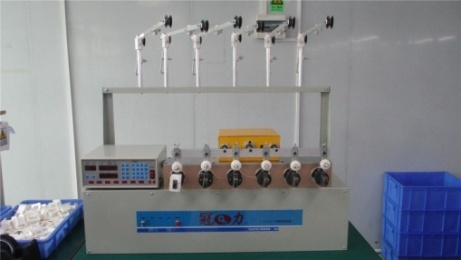
Consistent torque, structural integrity, and long operational life depend on strict testing. Below are the metrology instruments and chambers used to inspect, verify, and validate every production batch.
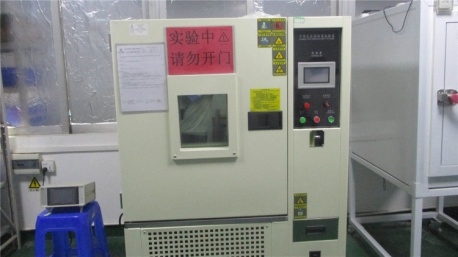
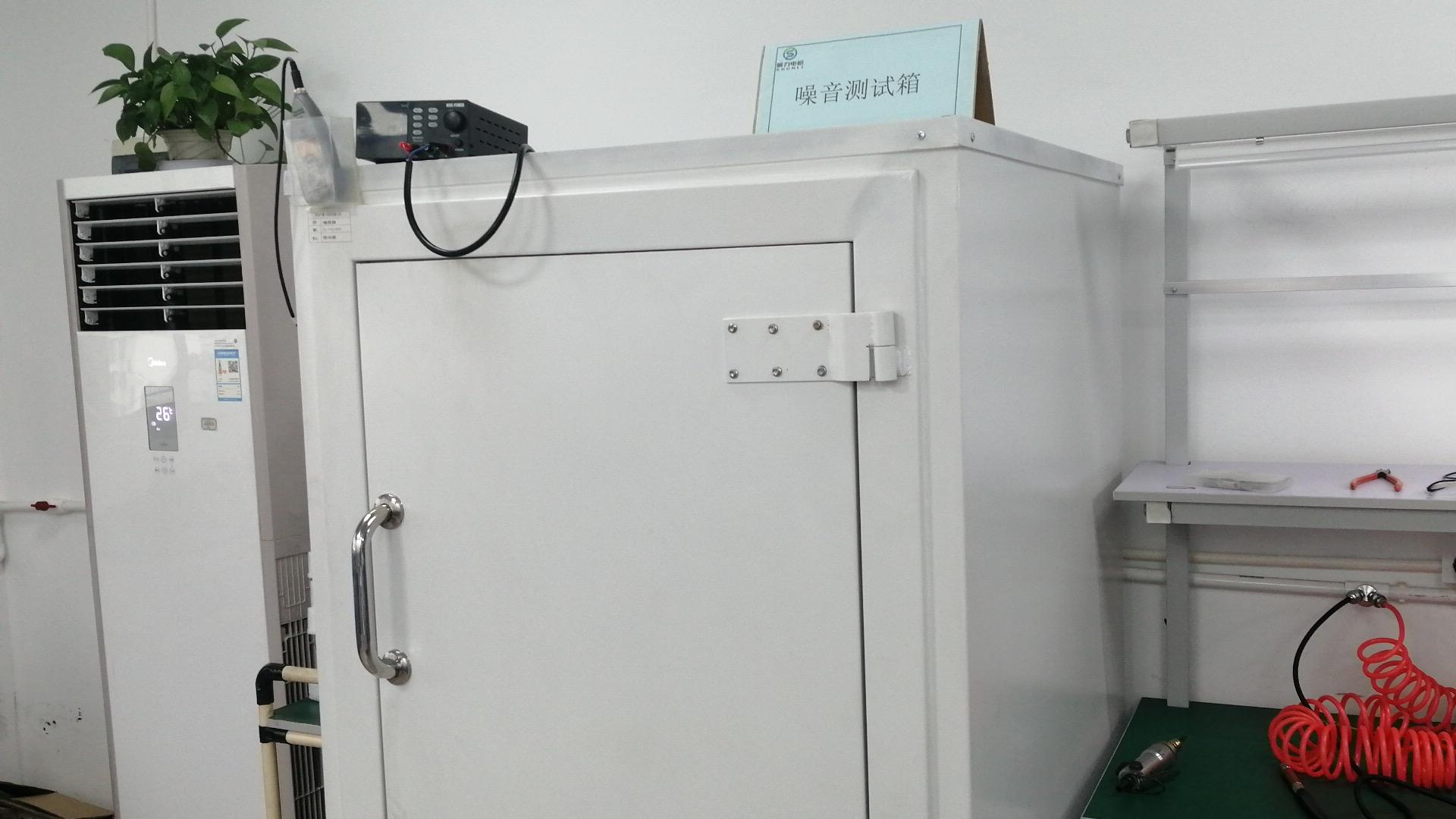
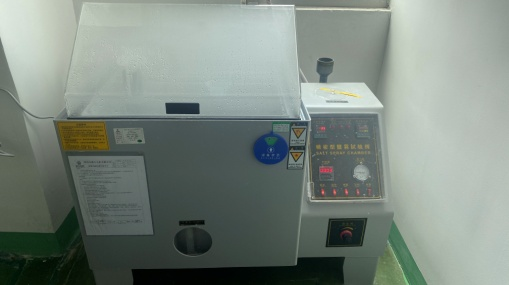
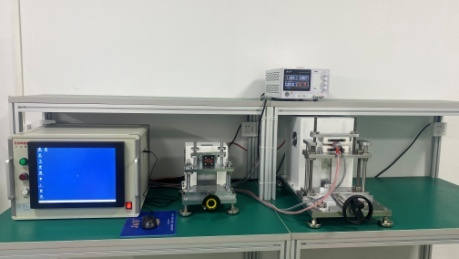
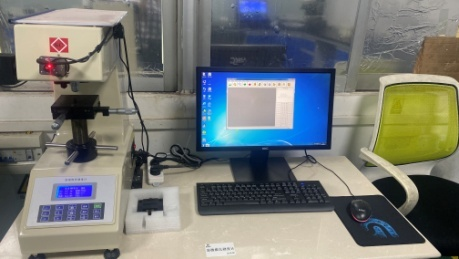
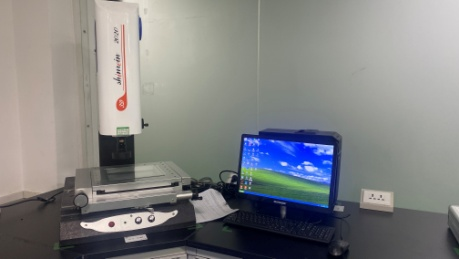
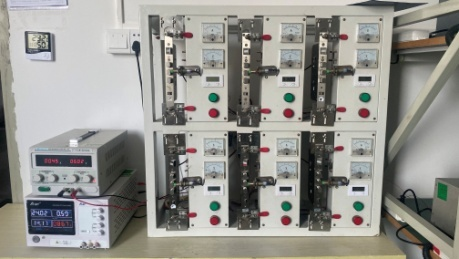
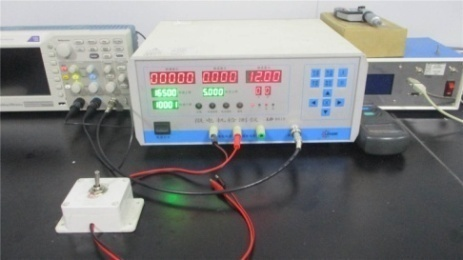
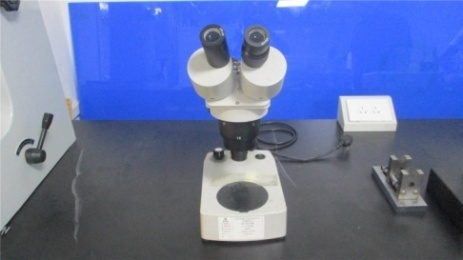
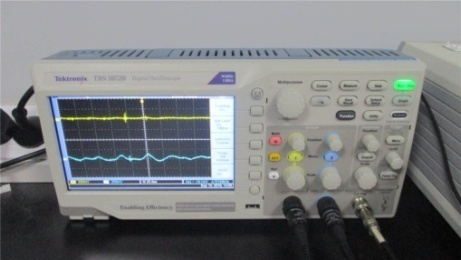
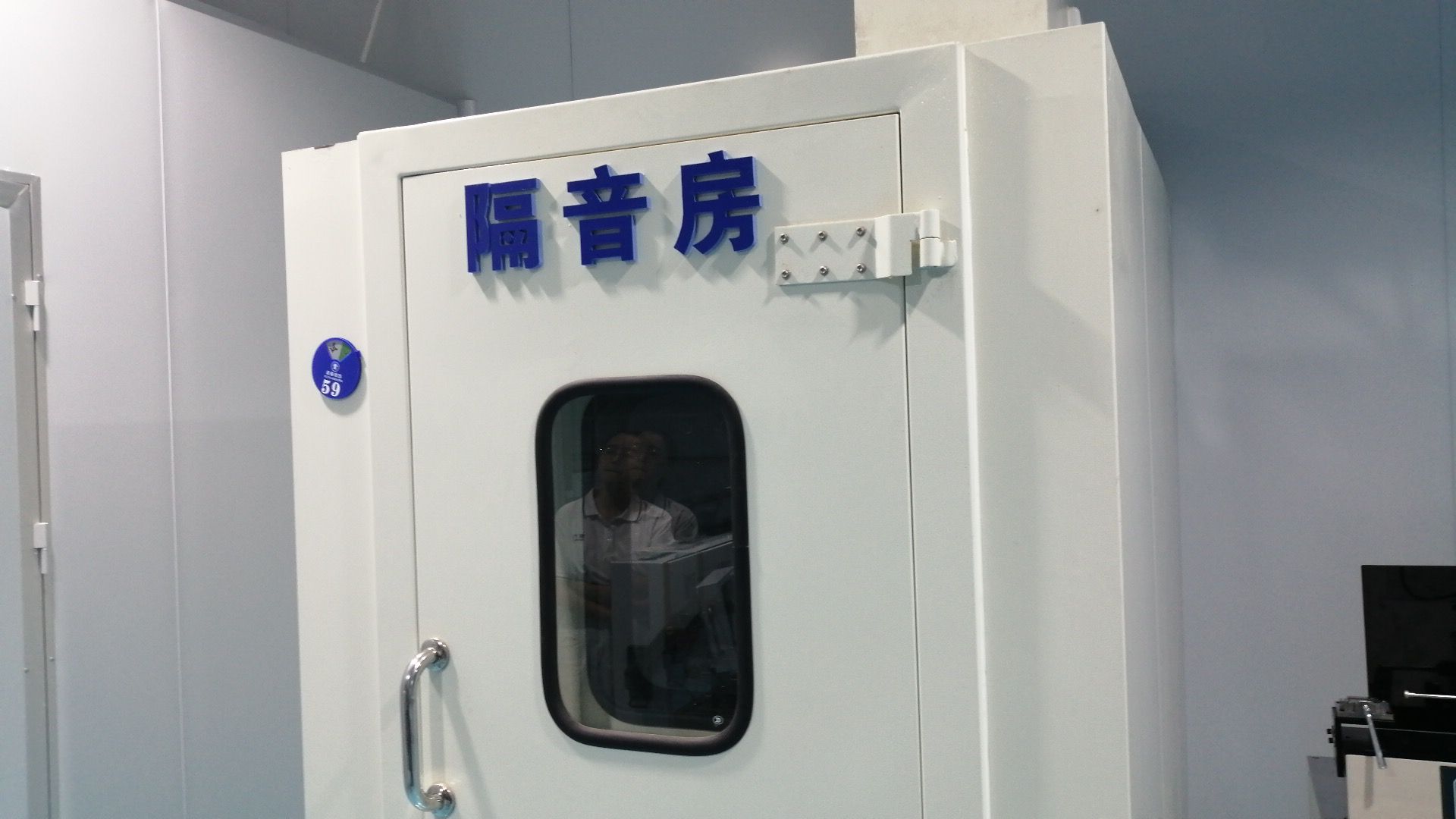
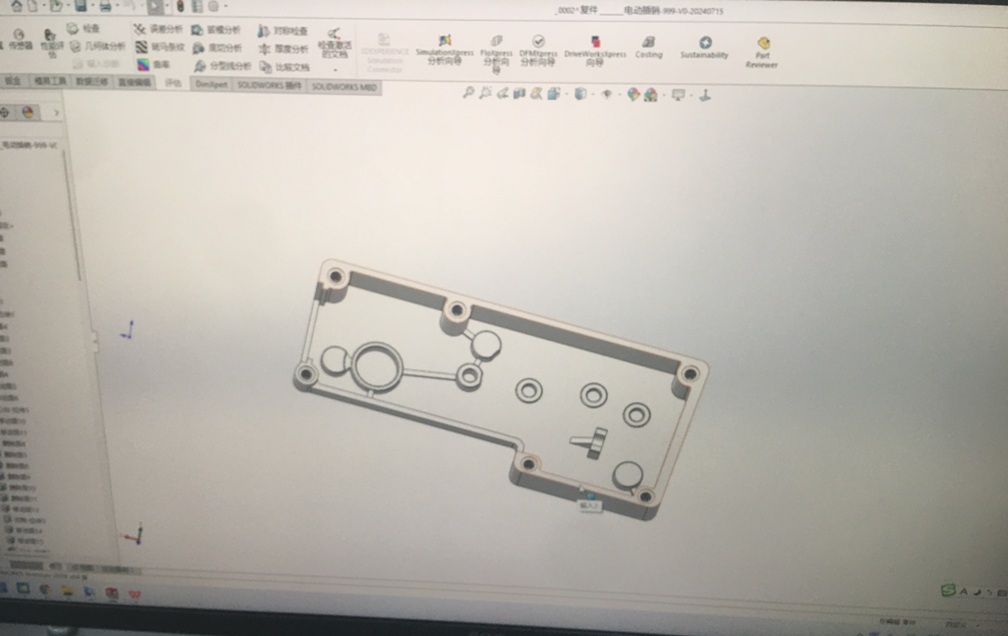
Developing a reliable DC motor requires systematic phase transitions. Below is the end-to-end workflow, ensuring every motor is optimized from the design phase to packaging.

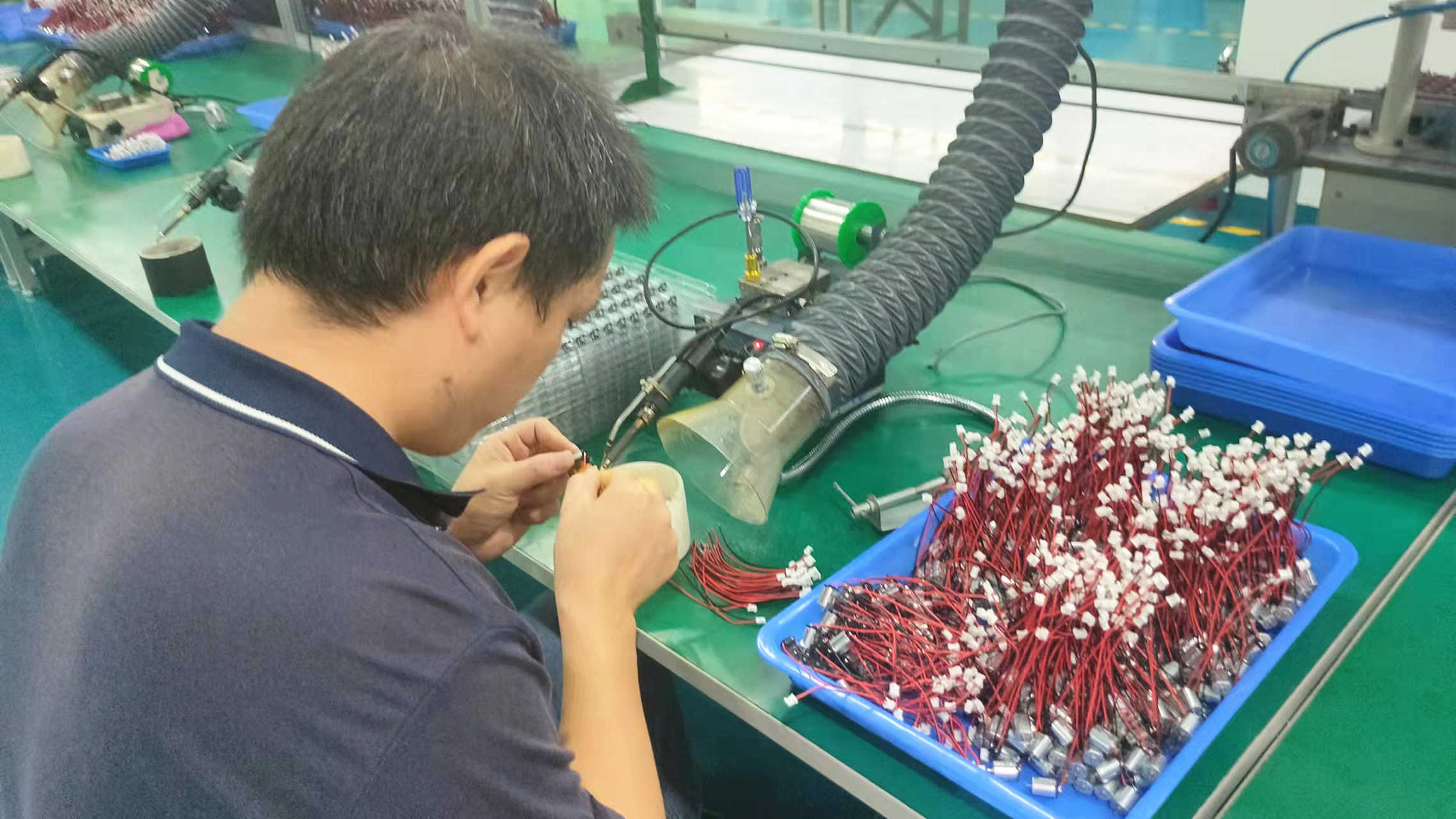
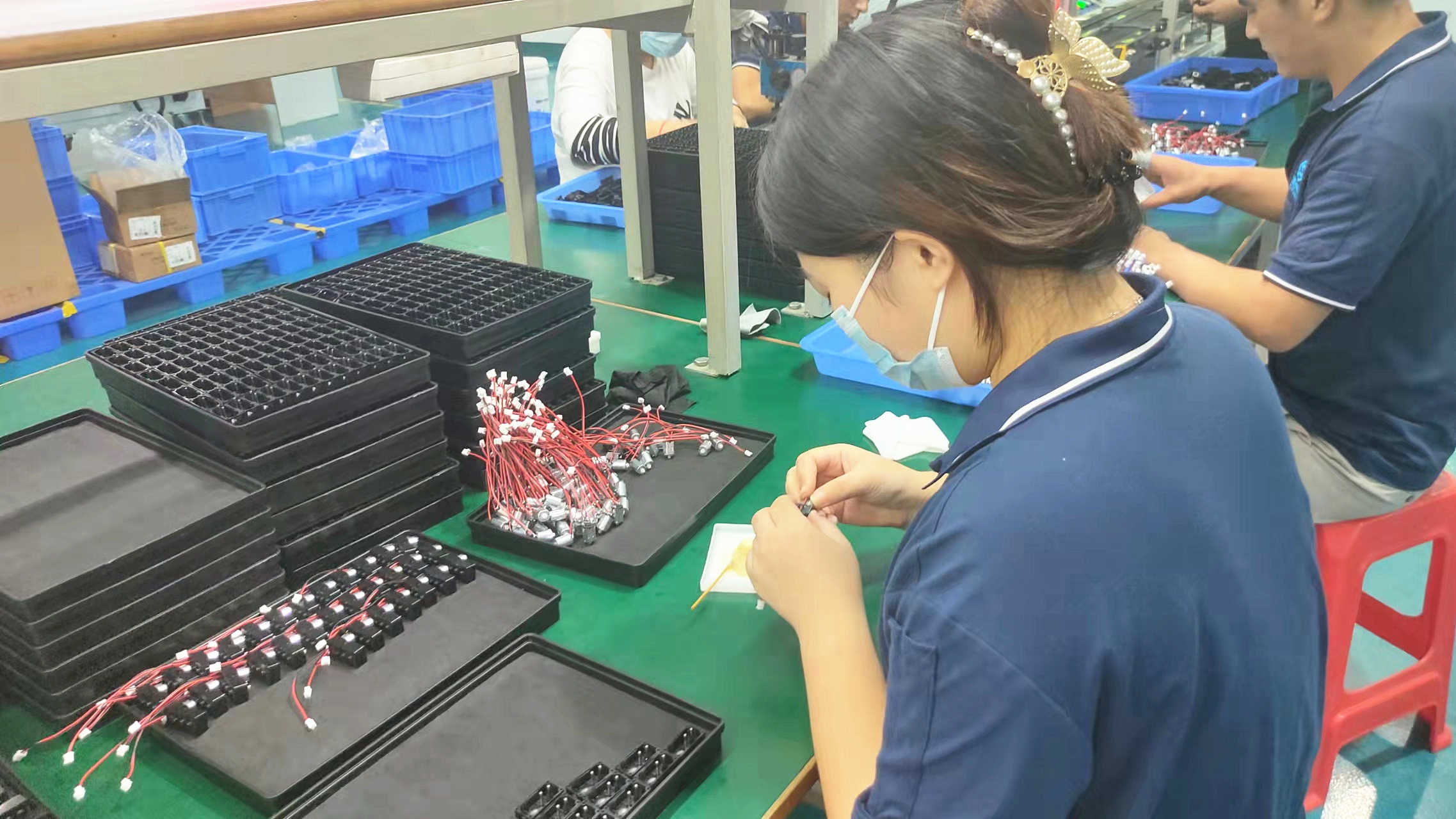
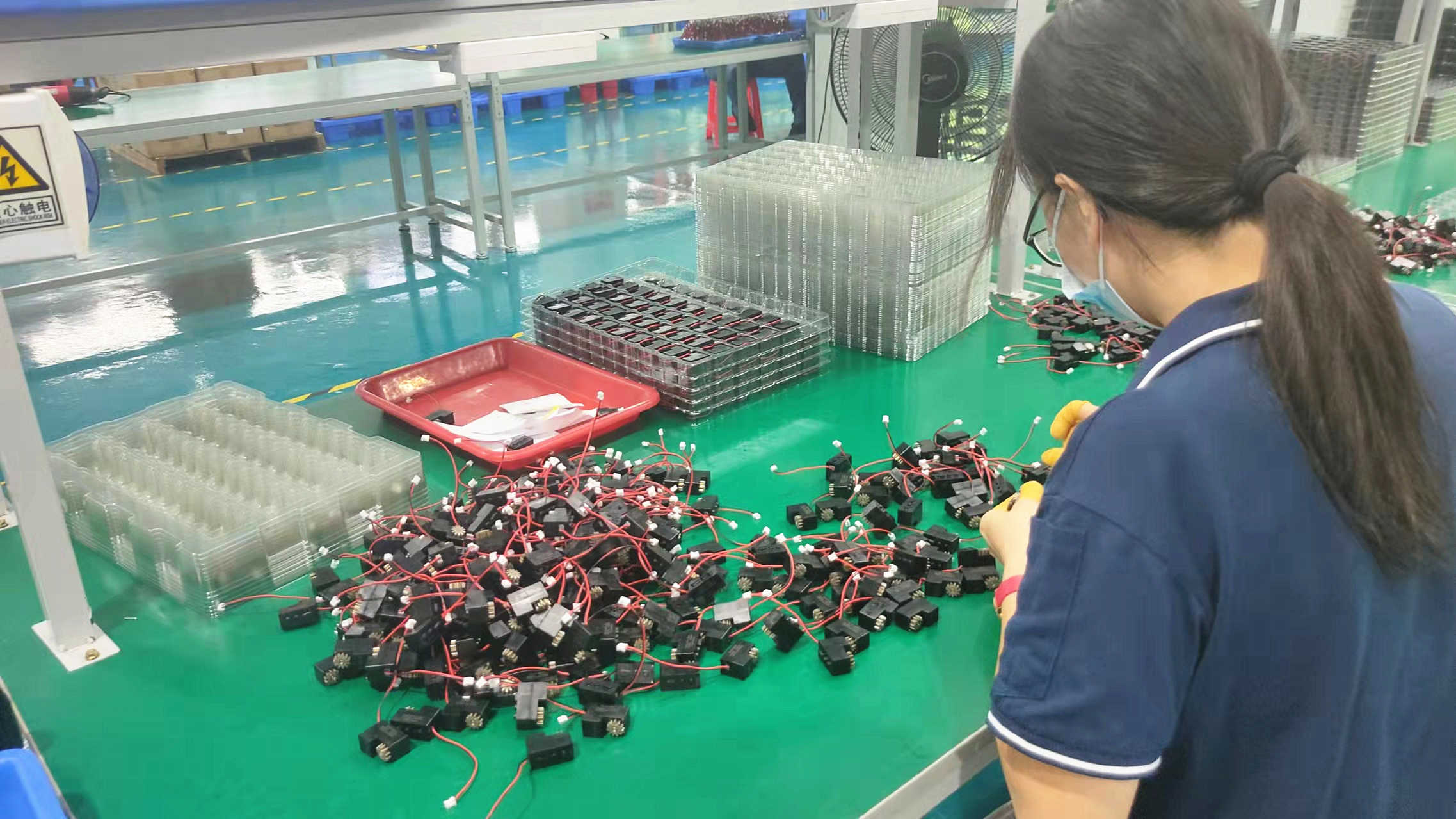
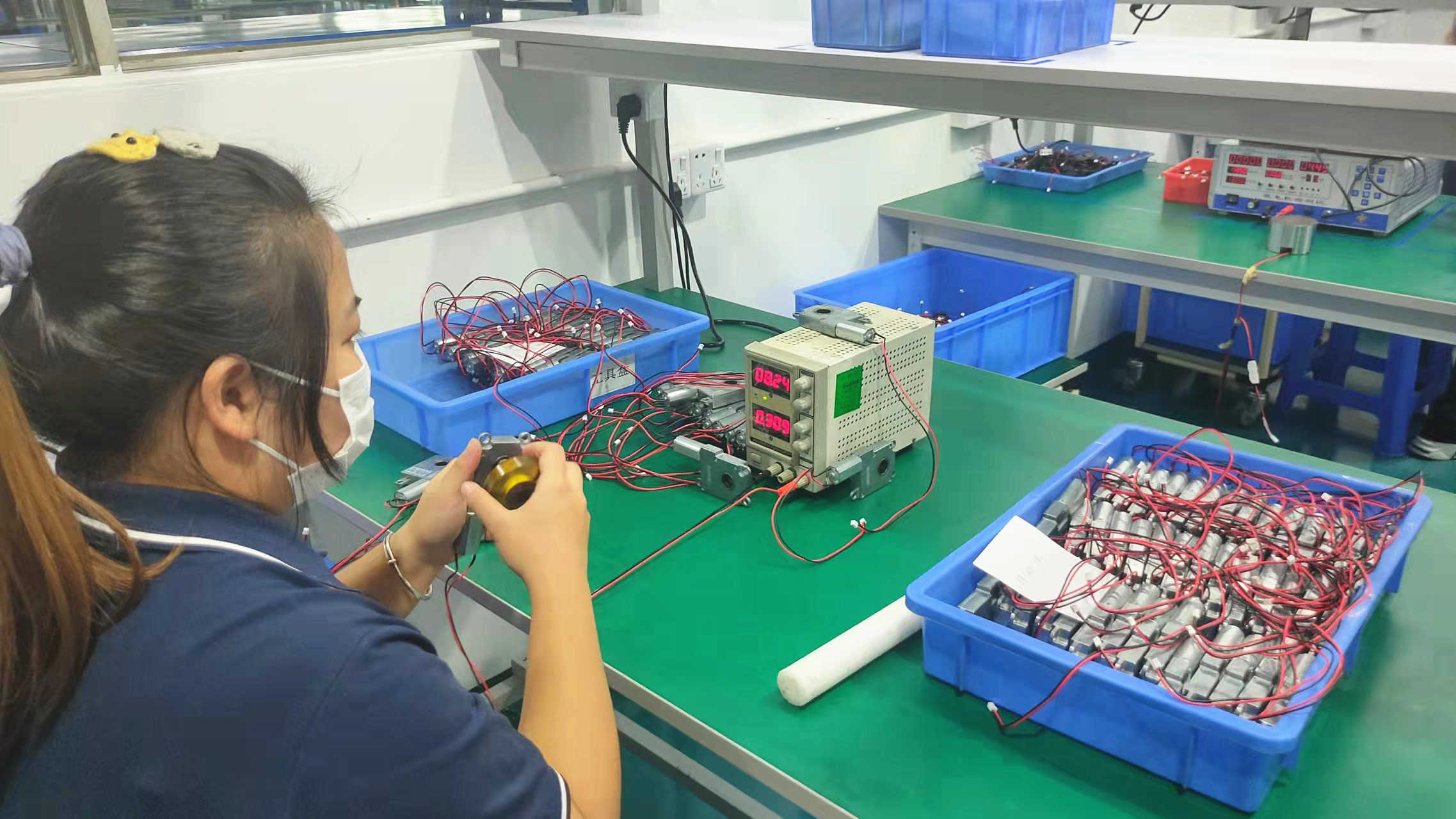
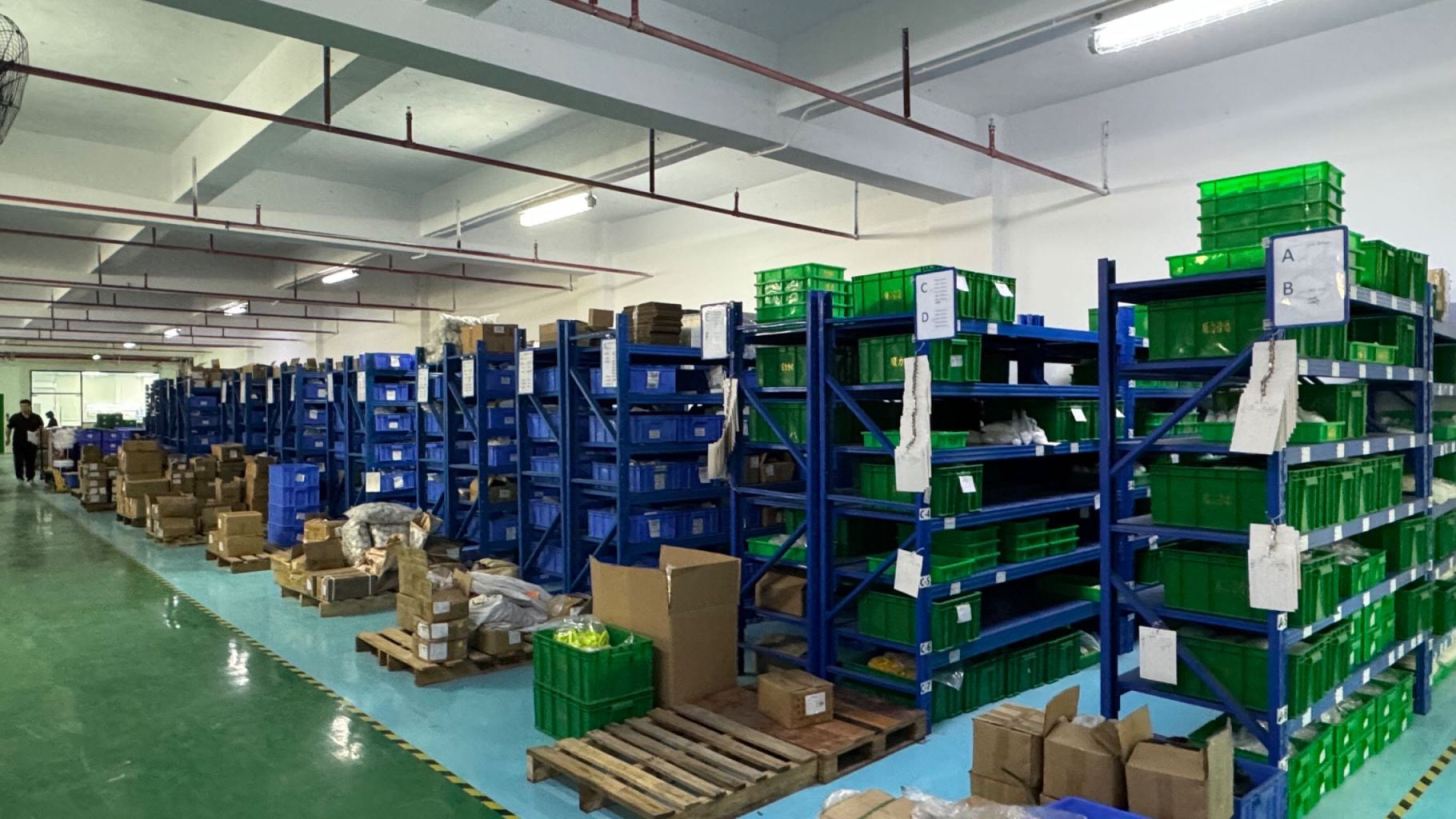
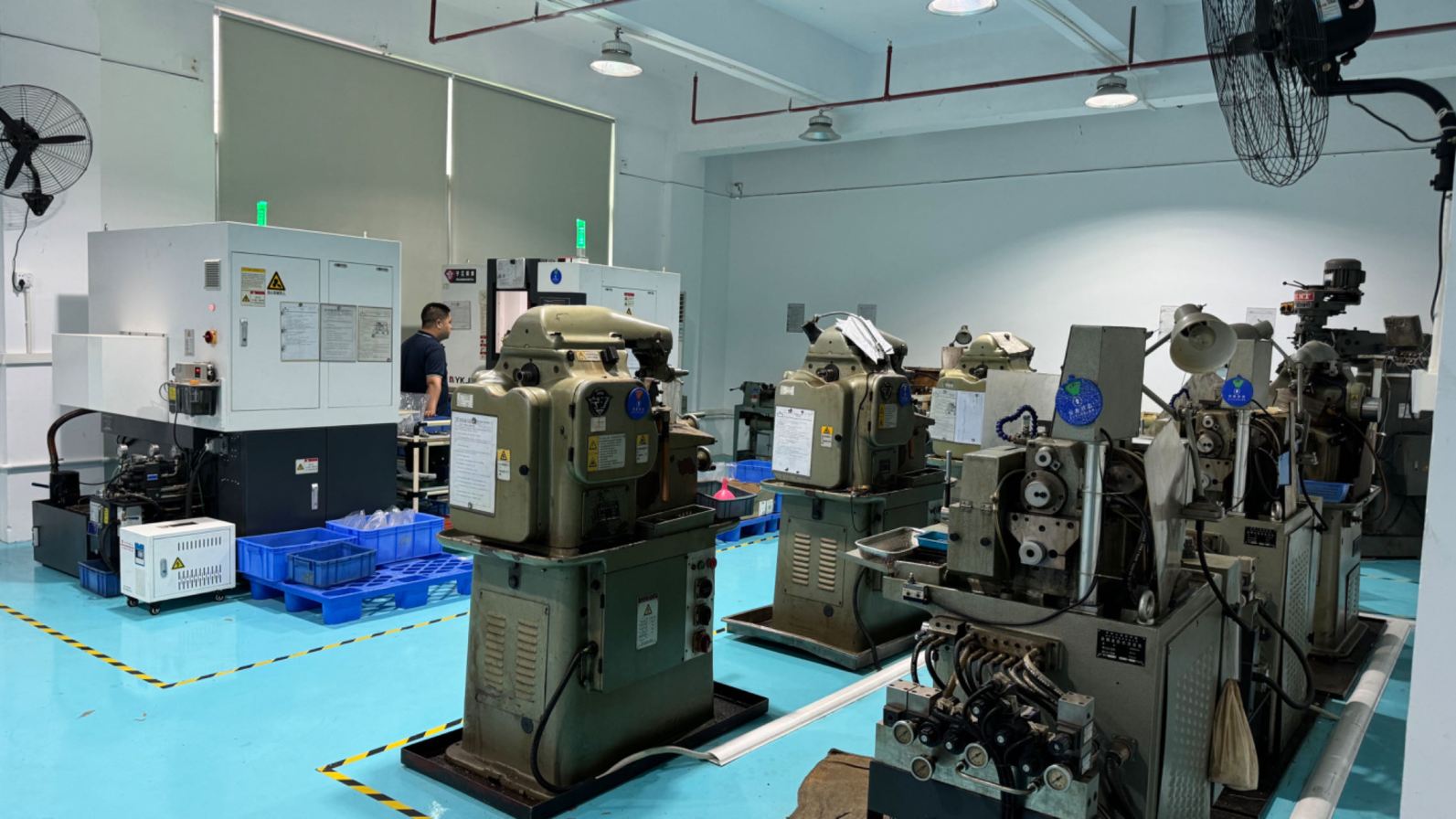
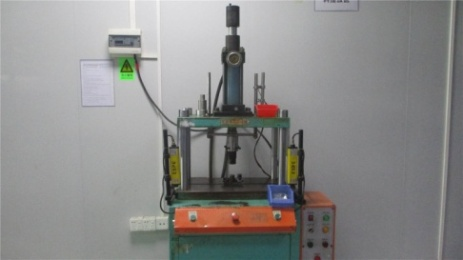
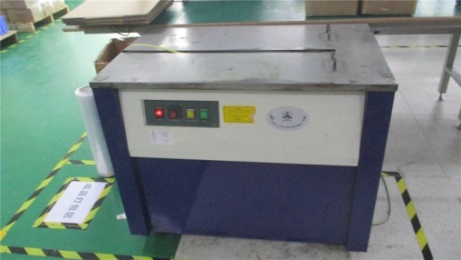
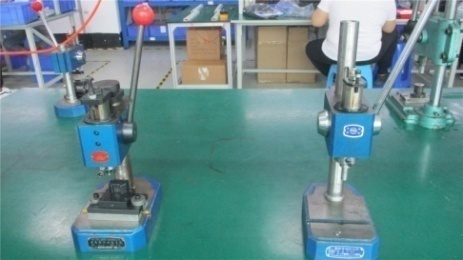
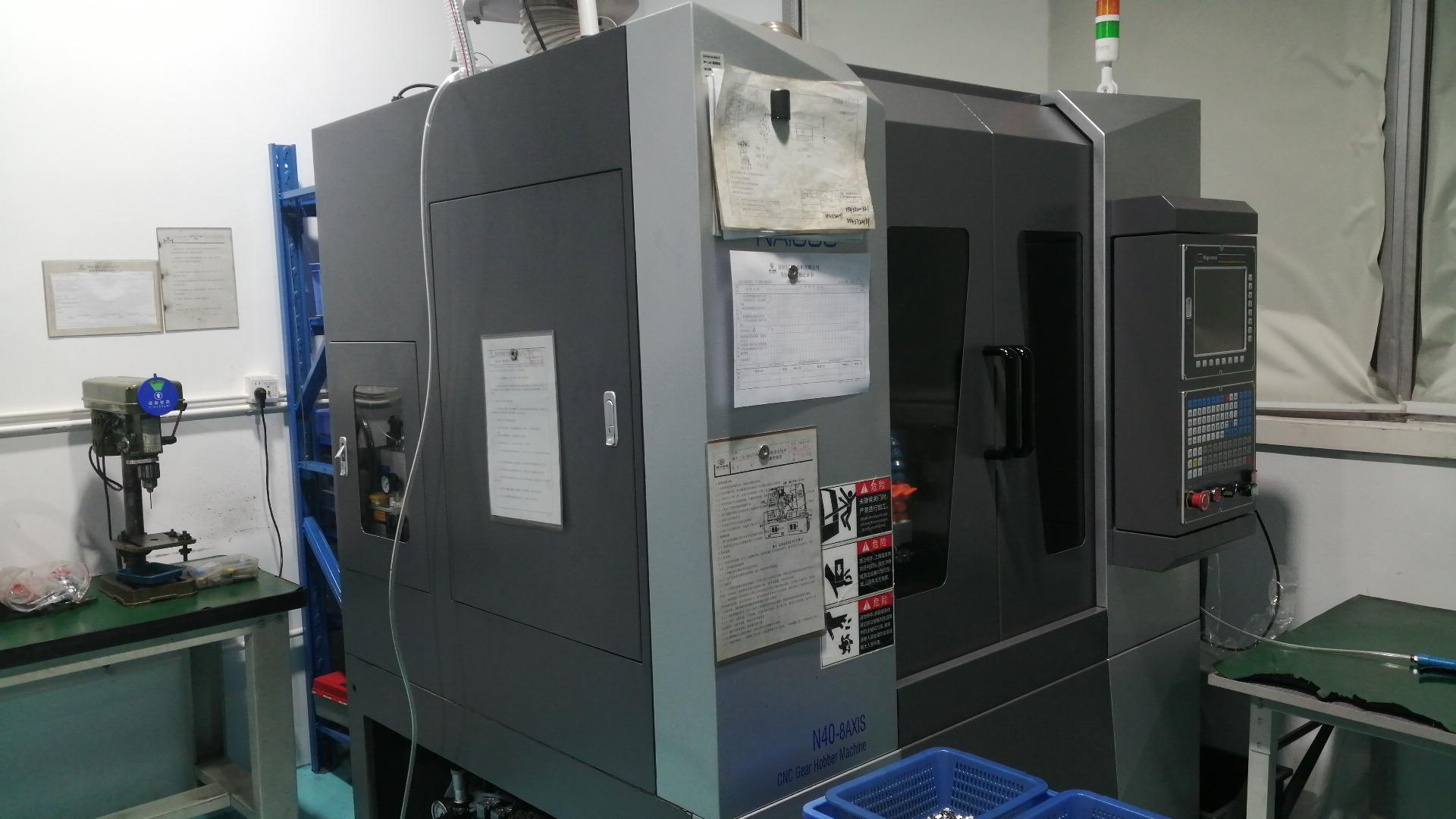
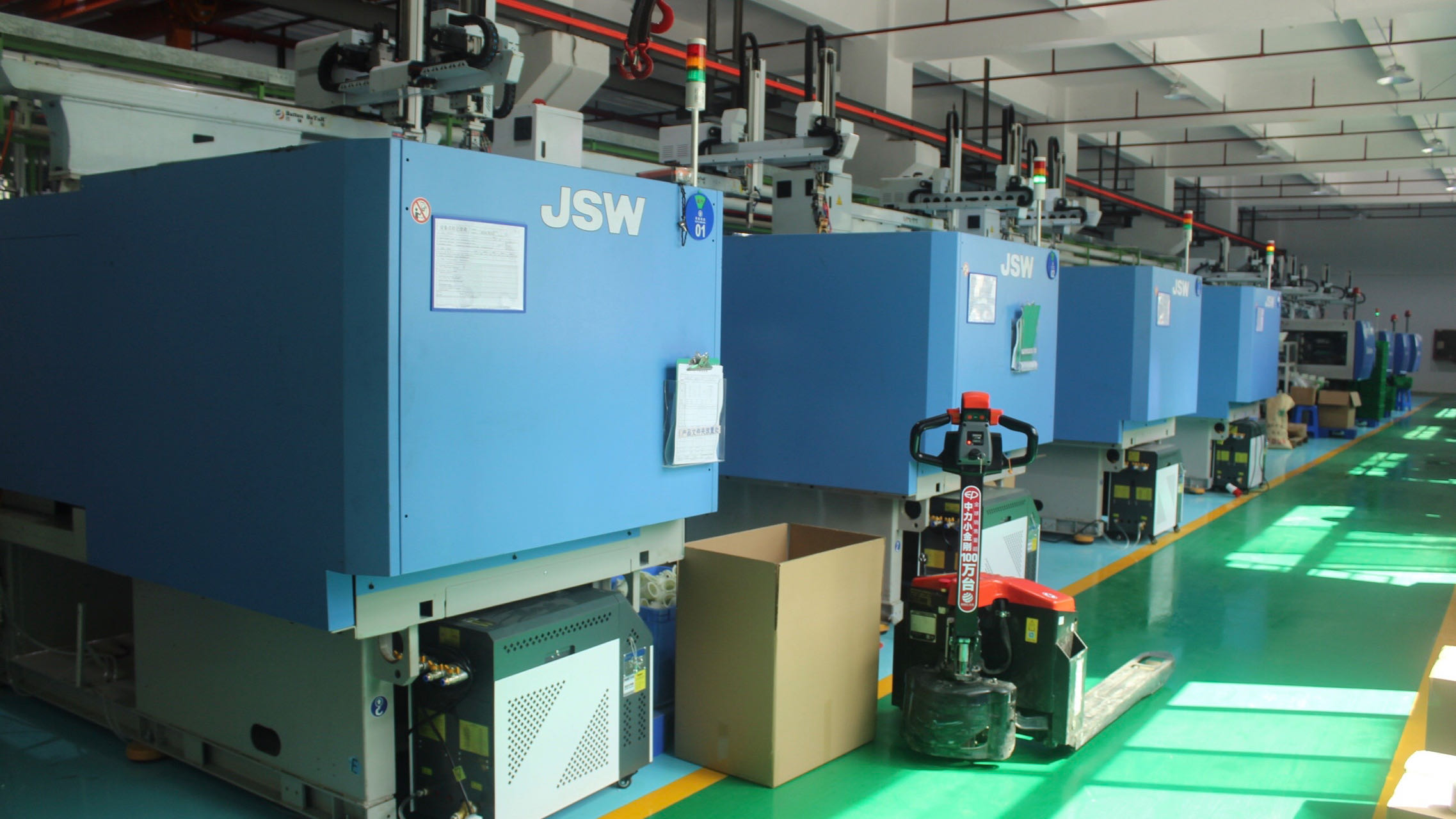
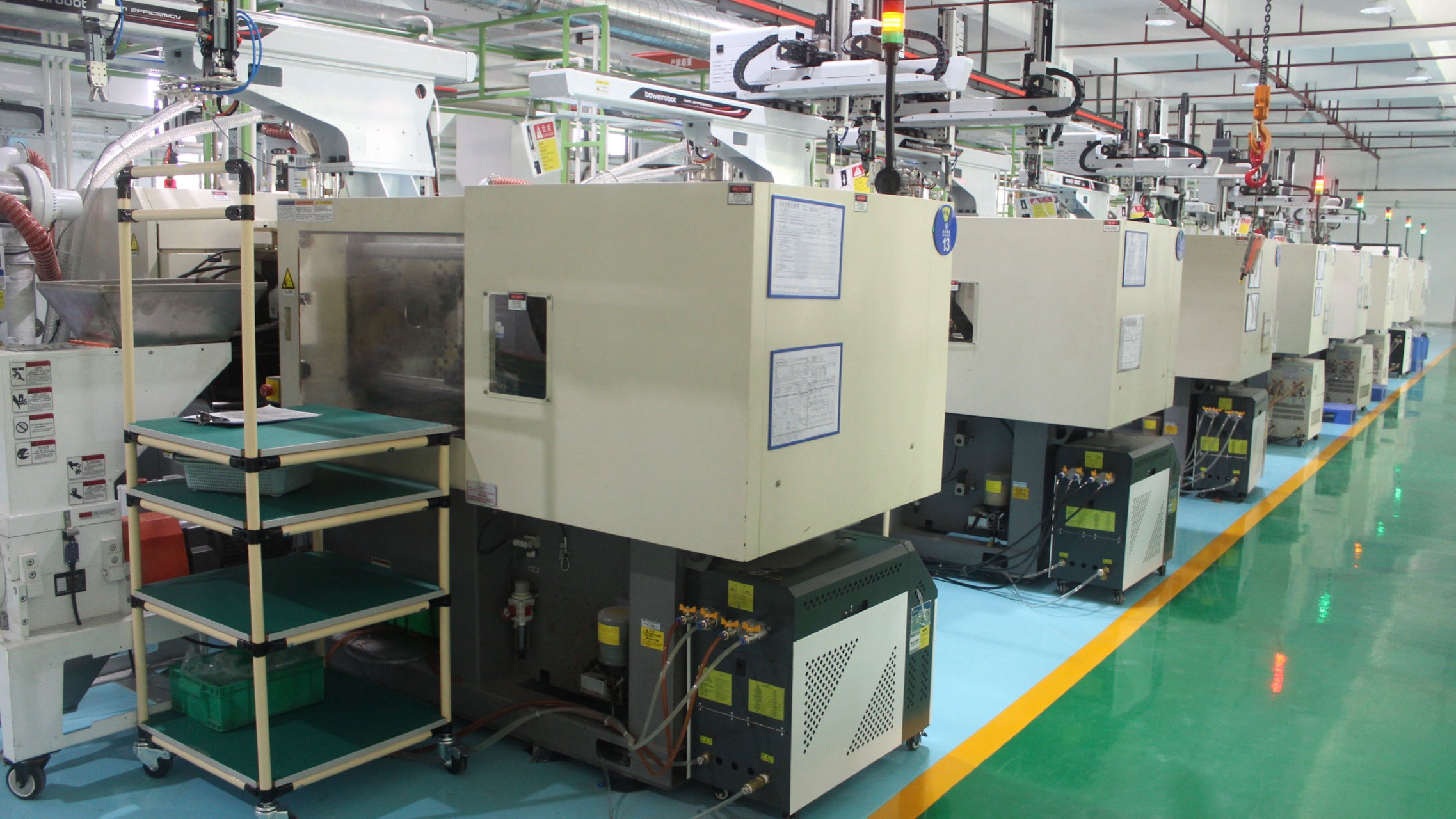
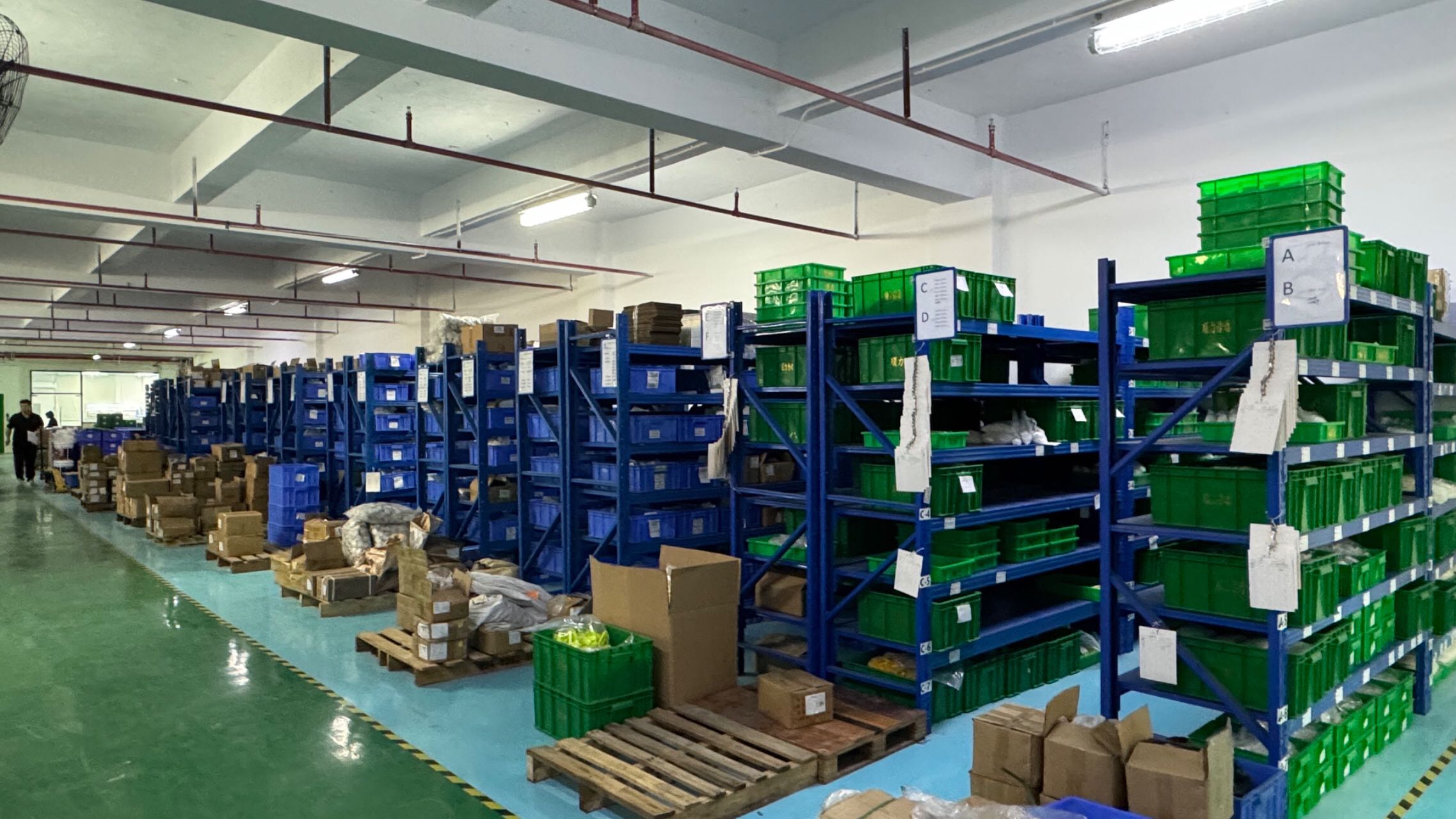
Achieving tight mechanical tolerances (down to the micron level) requires heavy investments in precision machinery. Here is a look at the equipment running on our assembly floors.
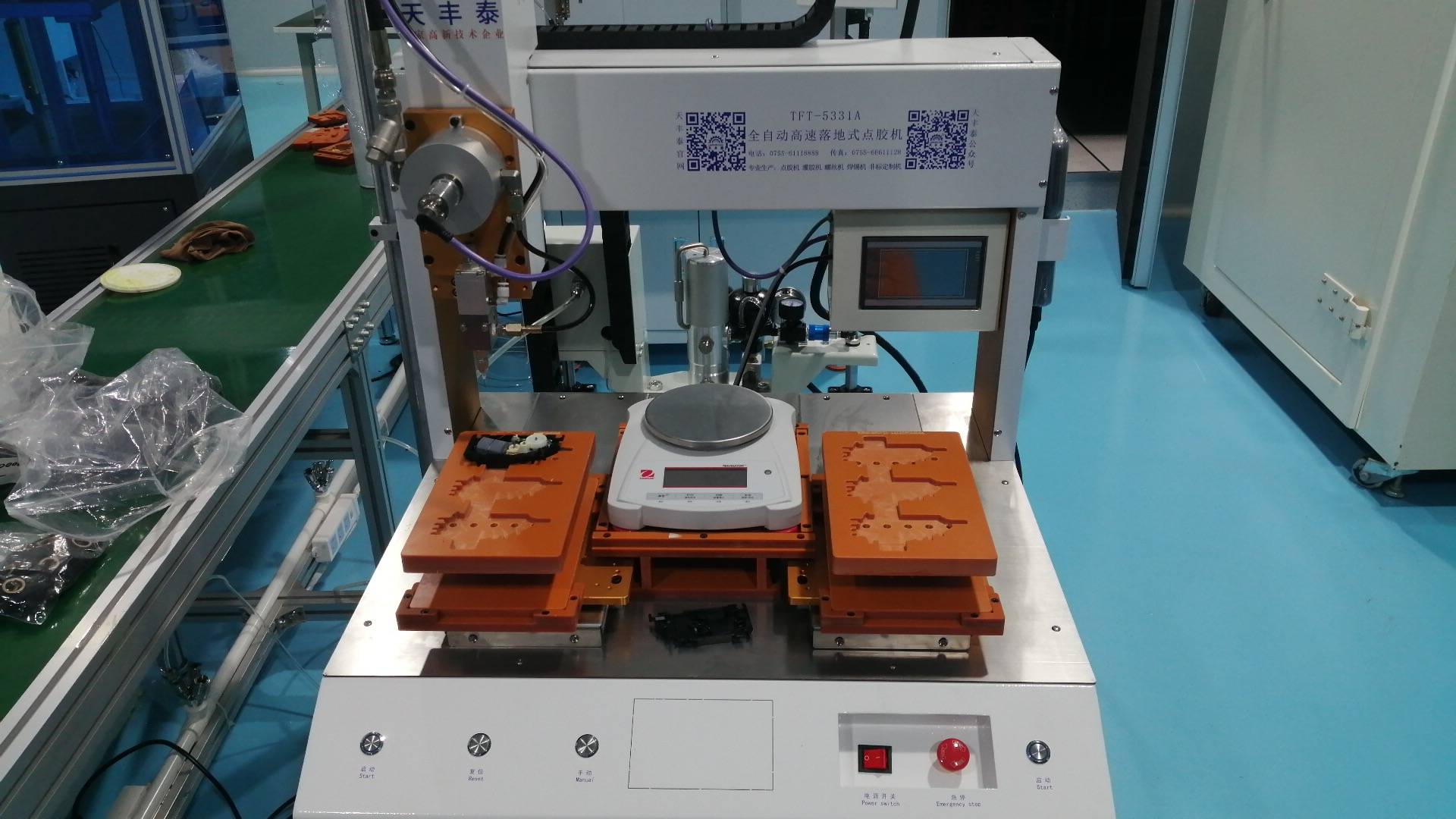
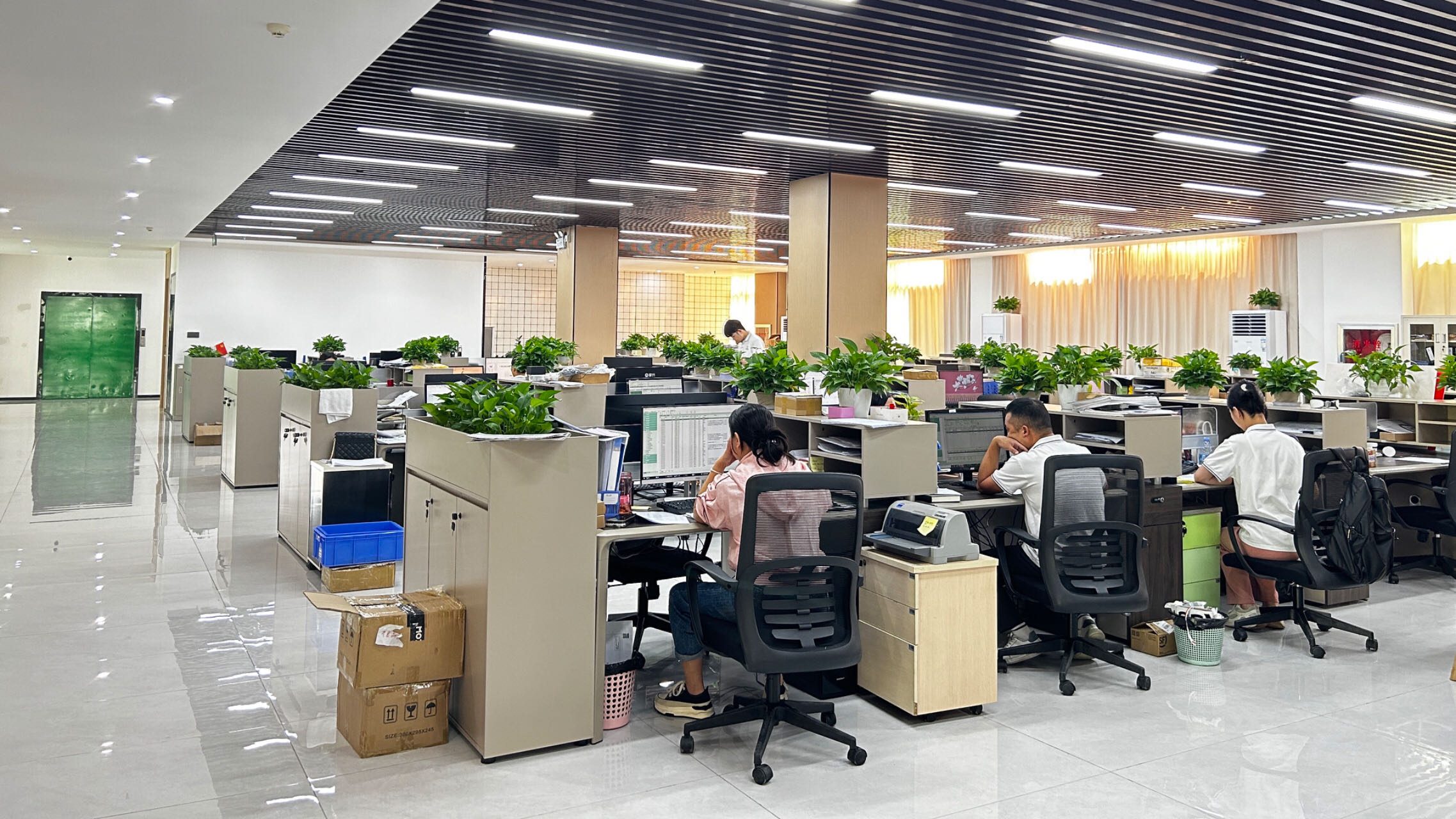
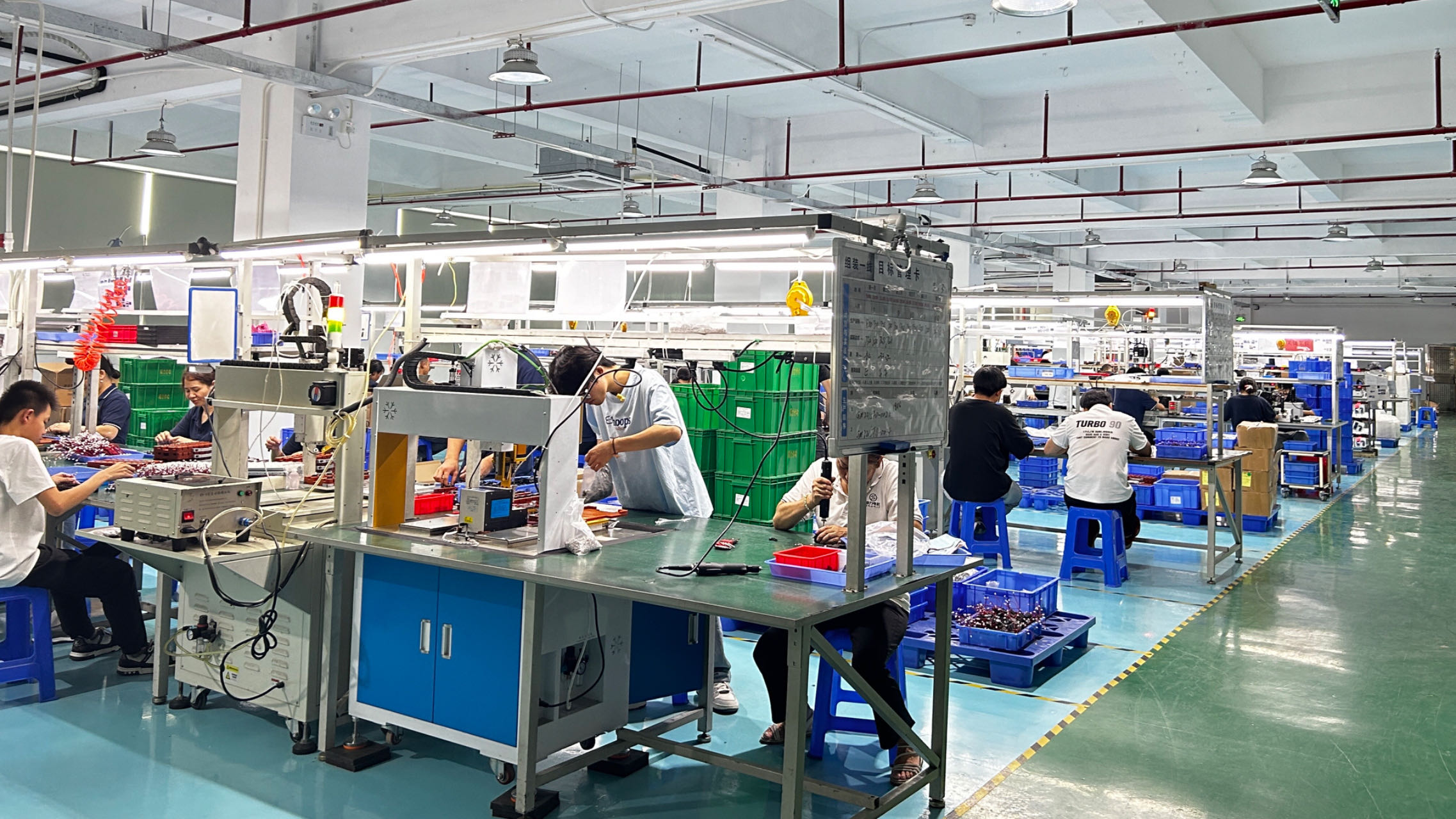
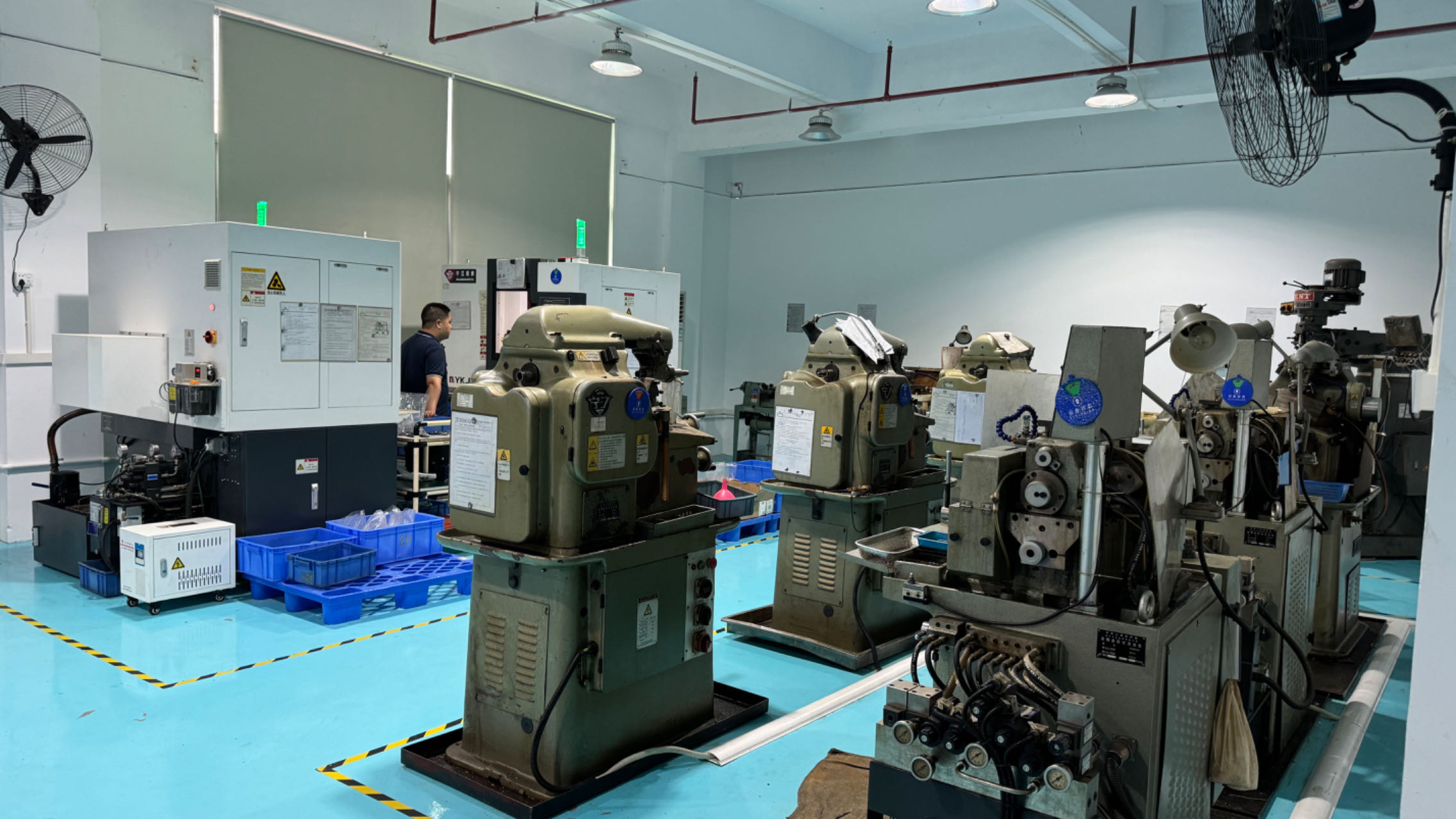
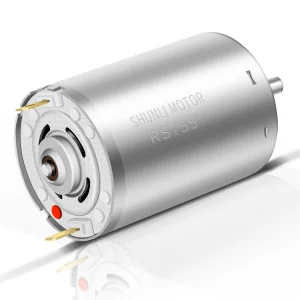
When sourcing motors for delicate systems like gas valves, medical instruments, or high-speed consumer goods, engineers look at how electrical power is converted into mechanical force. Brushed DC motors rely on mechanical carbon brushes to route current through the rotor. This design is simple and cost-effective, but friction can lead to brush wear, limiting their lifespan.
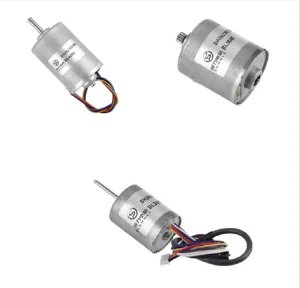
Brushless DC (BLDC) motors solve this limitation. By placing the permanent magnets on the rotor and using an electronic controller to switch the stator field, they eliminate physical brush friction. This change yields several benefits: lower mechanical noise, minimal EMI interference, and operating lifespans that often exceed 10,000 hours.
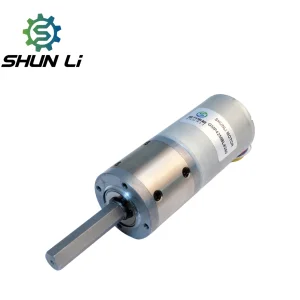
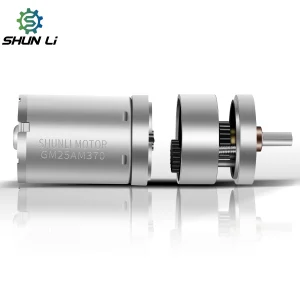
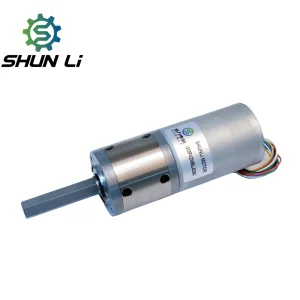
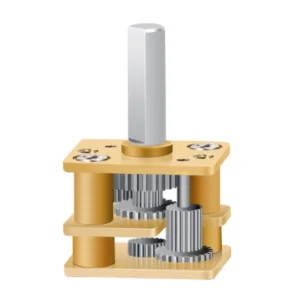
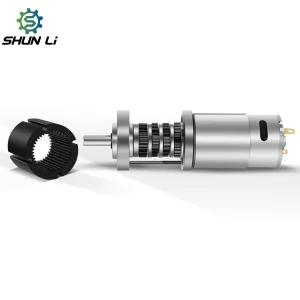
High rotation speeds are often inefficient for high-torque applications. By adding a planetary gearbox, you reduce rotational speed and increase torque output. The planetary design distributes the load across several gears, enabling higher torque limits within a small envelope.
To ensure a planetary gearbox functions reliably under variable load cycles, the raw gear materials must be carefully selected. Components processed on horizontal gear hobbers feature precise profile cuts, which minimize backlash. This level of precision is critical in medical pump systems, where steady liquid delivery is crucial.
Different regions present unique challenges for motor design. In North America, heavy duty industrial systems require high insulation ratings to match local electrical grids. In European automation sectors, there is a strong focus on compliance, forcing manufacturers to eliminate lead and hazardous chemical derivatives.
By setting up a manufacturing center with automated CNC tooling, winding systems, and inspection equipment, suppliers can meet these diverse regional requirements. A structured design and manufacturing workflow ensures consistency, allowing exporters to deliver custom drives that perform reliably in demanding environments.
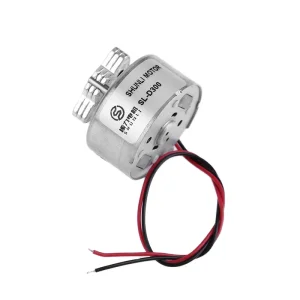
Explore additional high-performance solutions, including micro-planetary drives, vibration motors, and specialized high-speed drives.
Expert answers to technical questions about DC motor configuration, sourcing, performance, and maintenance.