RadixPro
RadixPro
RadixPro
High-torque efficiency engineered for diverse global industrial, robotics, and consumer applications.
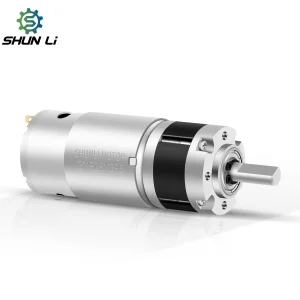
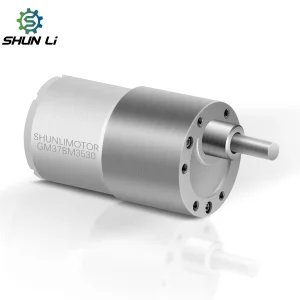
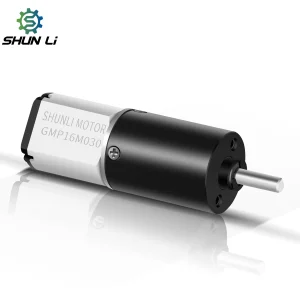
Inside a premium robotic joint, an automated medical pump, or a high-end smart lock, space is the ultimate luxury. At RadixPro, we measure our success in micrometers and decibels. Our mission is to take advanced, heavy-duty rotational power and compress it into the most compact, energy-efficient footprints imaginable.
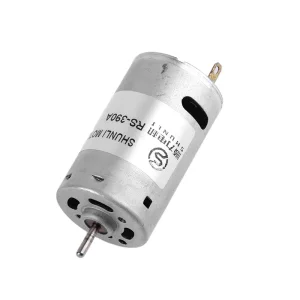
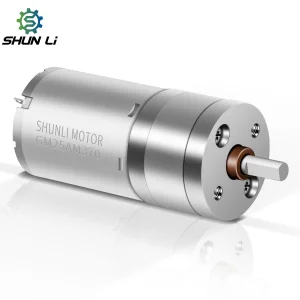
Our expertise lies in the micro-details of motion. From precision-wound copper rotors and high-purity commutators to zero-backlash planetary gear trains, every single internal component of a VortexPro motor is optimized to eliminate friction and maximize heat dissipation. By combining advanced automated Swiss-style hobbing with Japanese dynamic balancing, we ensure our micro drives deliver the fluid, whispering-quiet power your brand promises. When your next high-tech innovation relies on repeated mechanical perfection, let RadixPro be the core that spins it forward.
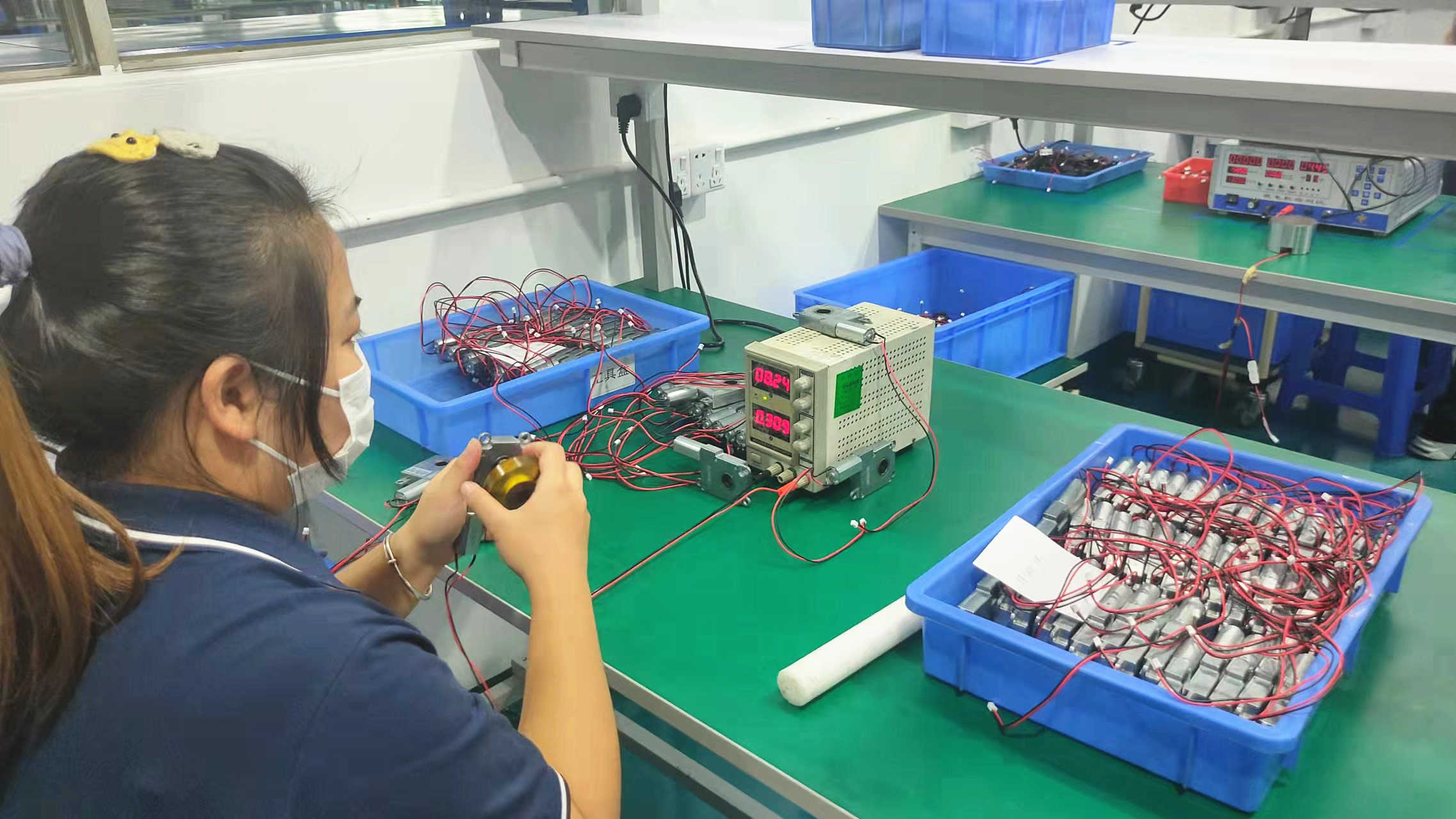
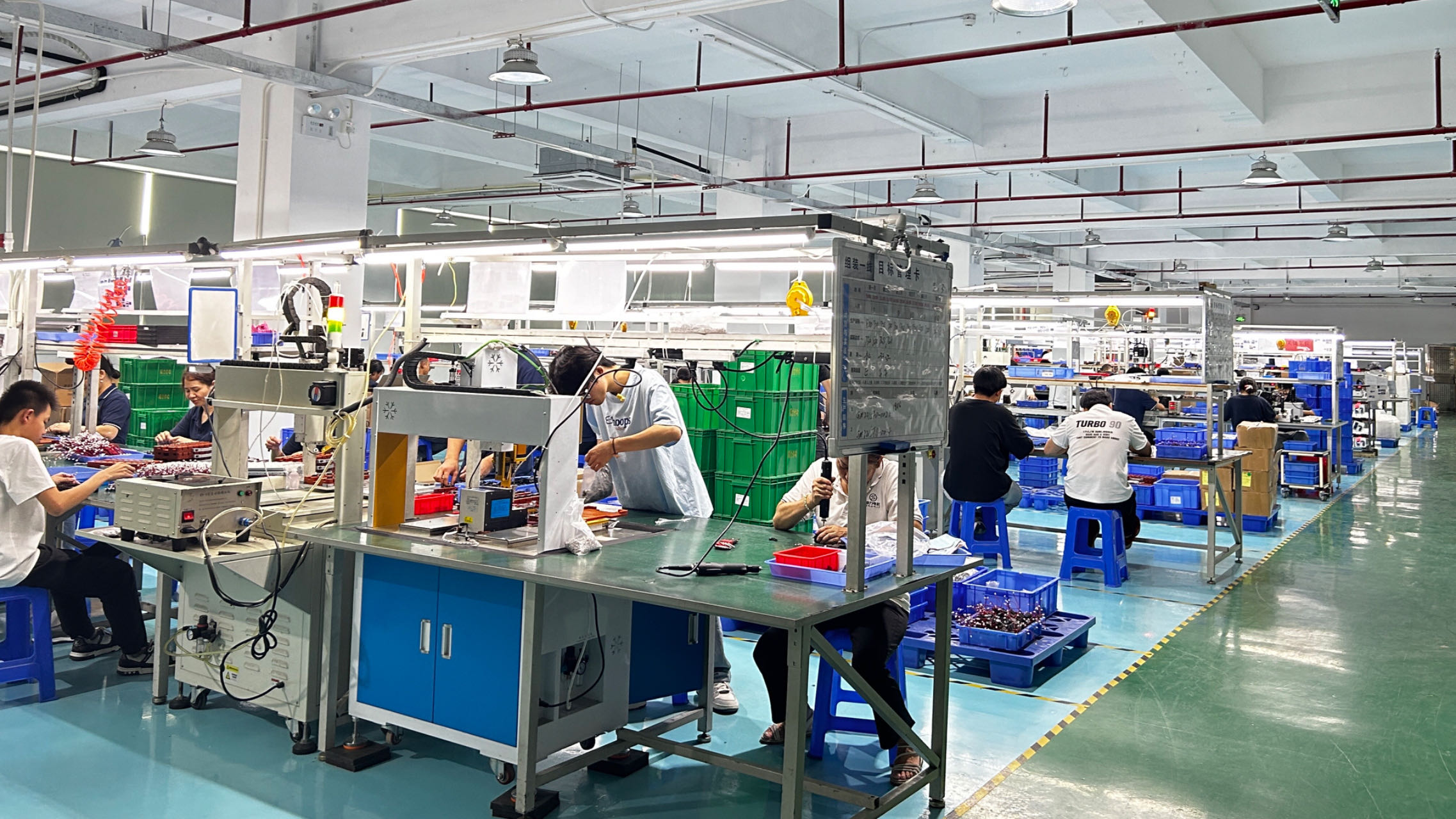
RadixPro Advanced Clean Assembly Floor
China accounts for over 80% of the world’s rare-earth magnet processing capacity. For global OEMs (Original Equipment Manufacturers), purchasing from a leading Chinese manufacturer is not merely about finding competitive pricing; it is about securing direct, uninterrupted access to top-tier materials. The structural advantages include:
Proximity to rare-earth refining hubs allows manufacturers to bypass the supply constraints of Neodymium (NdFeB) and Samarium Cobalt (SmCo), ensuring long-term raw material availability and price stabilization contracts.
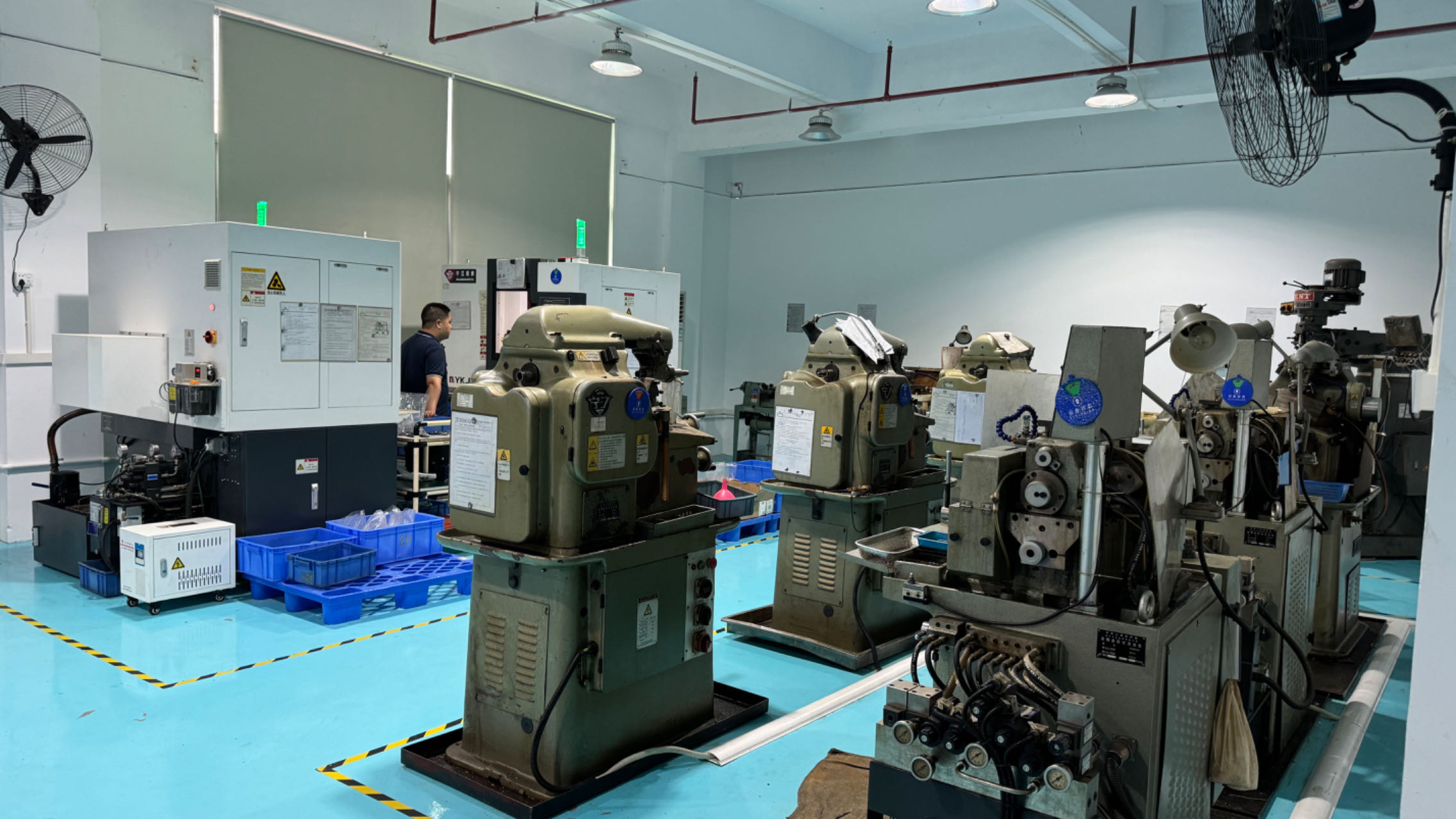
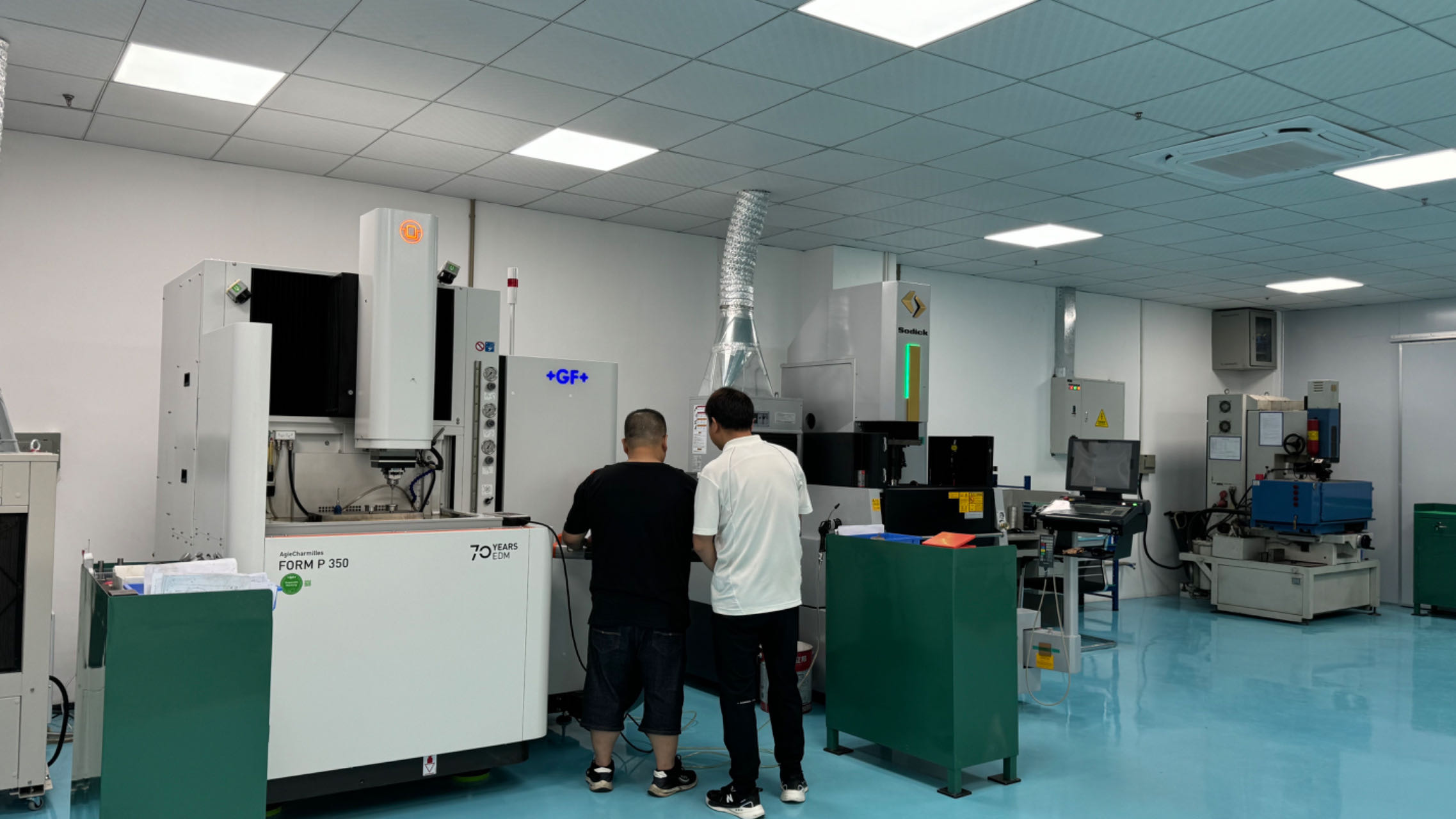
Utilizing high-end domestic and imported machinery (e.g., Swiss-style hobbing machines, slow-feeding NC wire cutters, and high-performance EDM machines) to achieve dimensional deviations below standard industry tolerances.
The concentration of stamping, CNC lathing, winding, balancing, and magnetizing facilities within industrial hubs minimizes internal logistics time and enables accelerated prototyping and mass production.
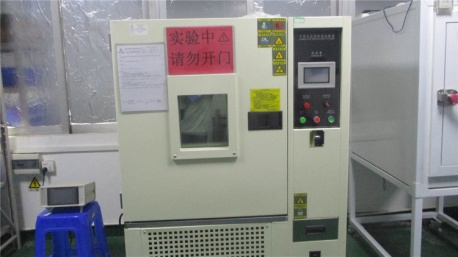
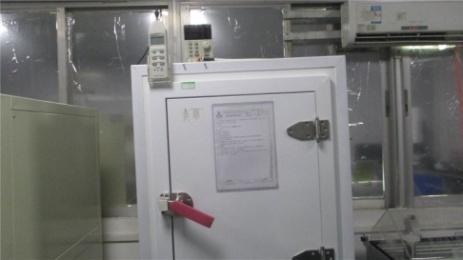
To satisfy the strict standards of sectors like automotive and medical technology, permanent magnet motor performance must remain consistent across wide temperature variations and mechanical stress. Our comprehensive verification protocol involves dynamic test benches and environmental simulation facilities:
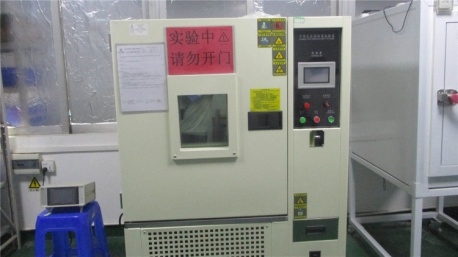
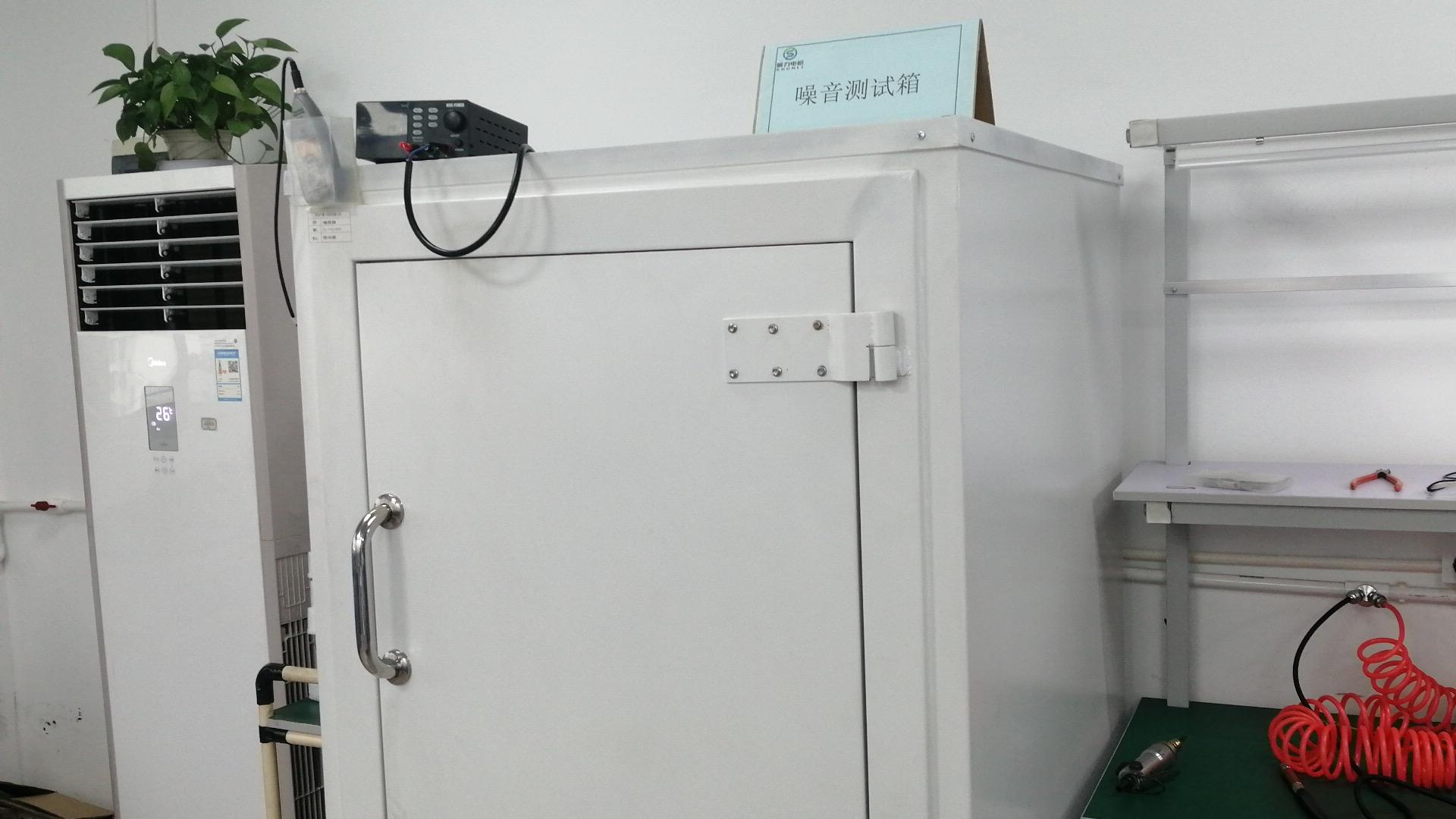
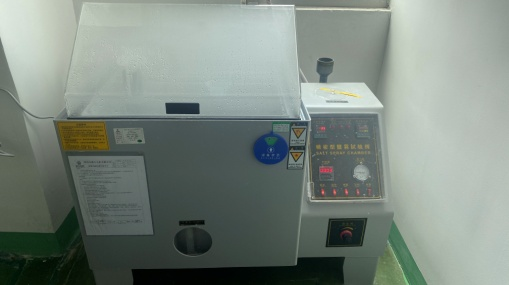
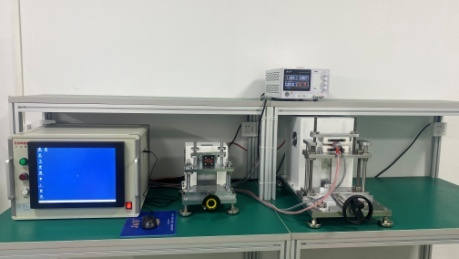
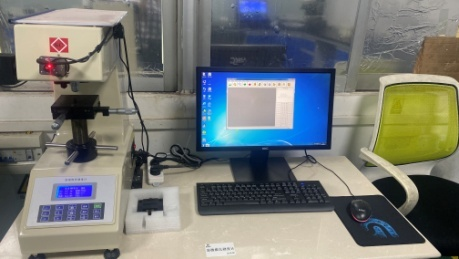
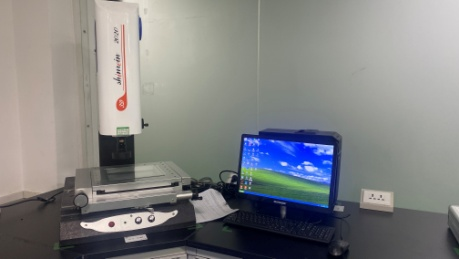
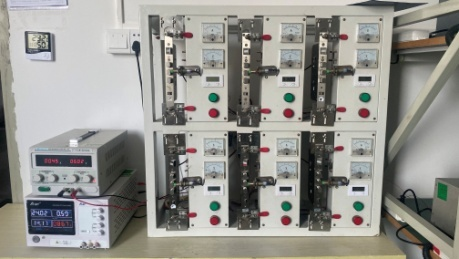
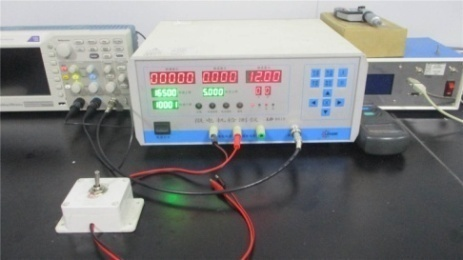
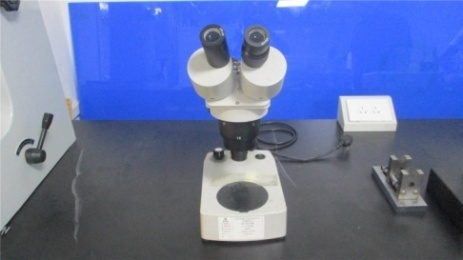
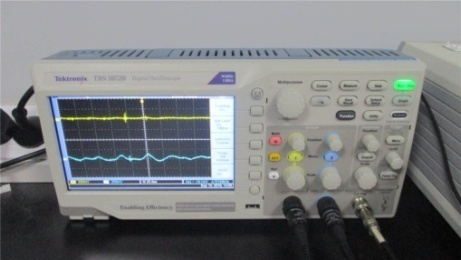
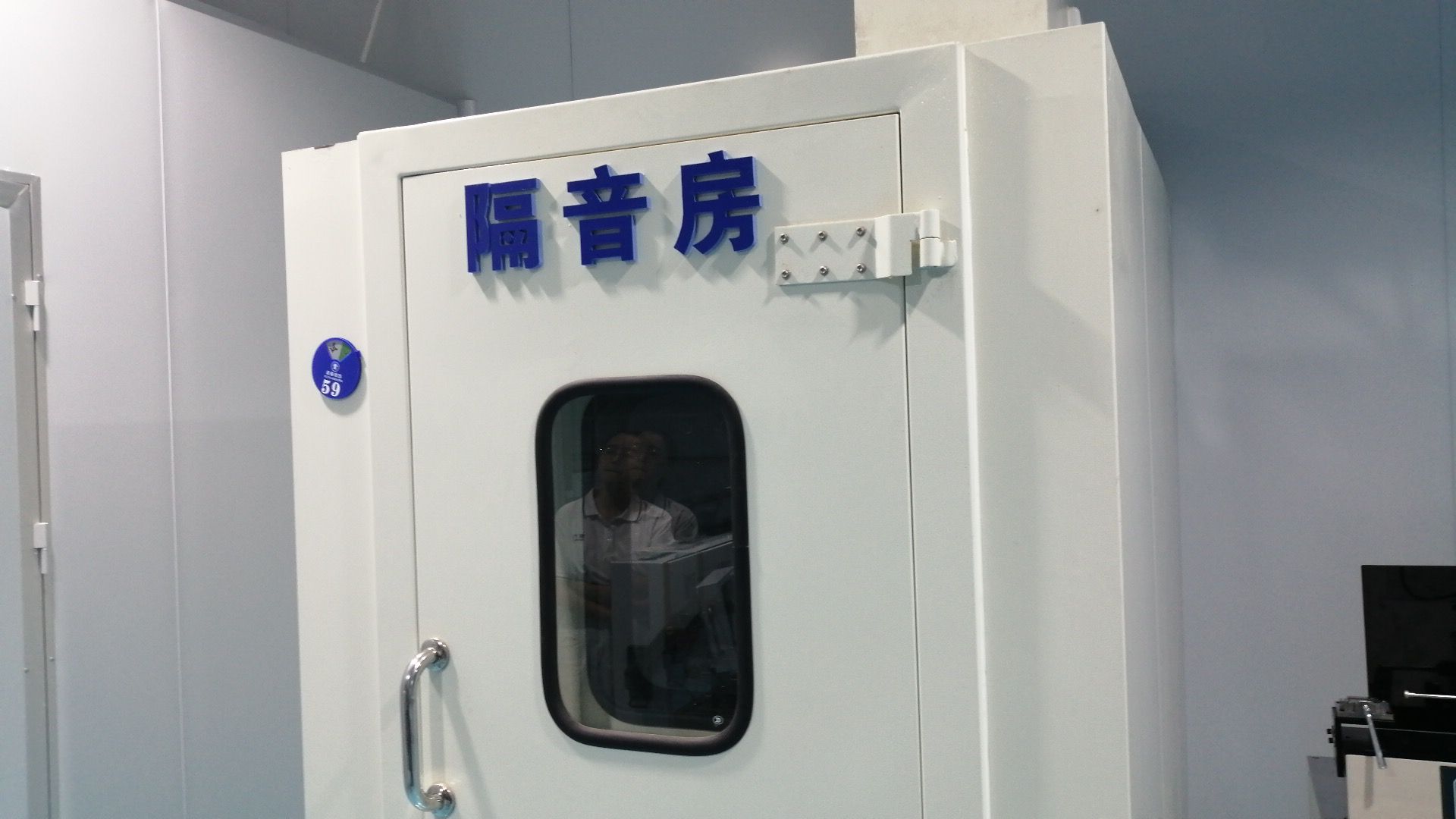
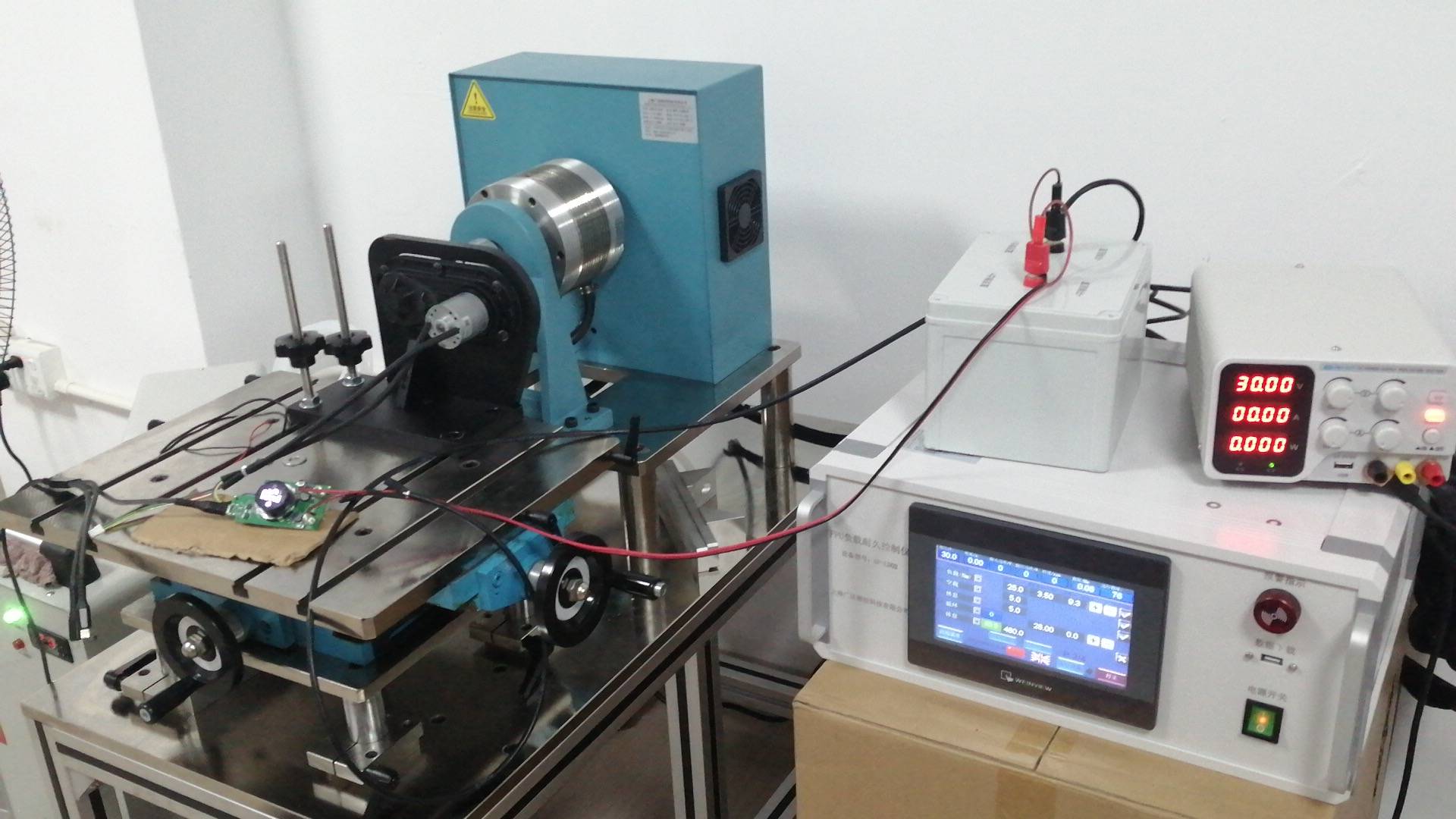
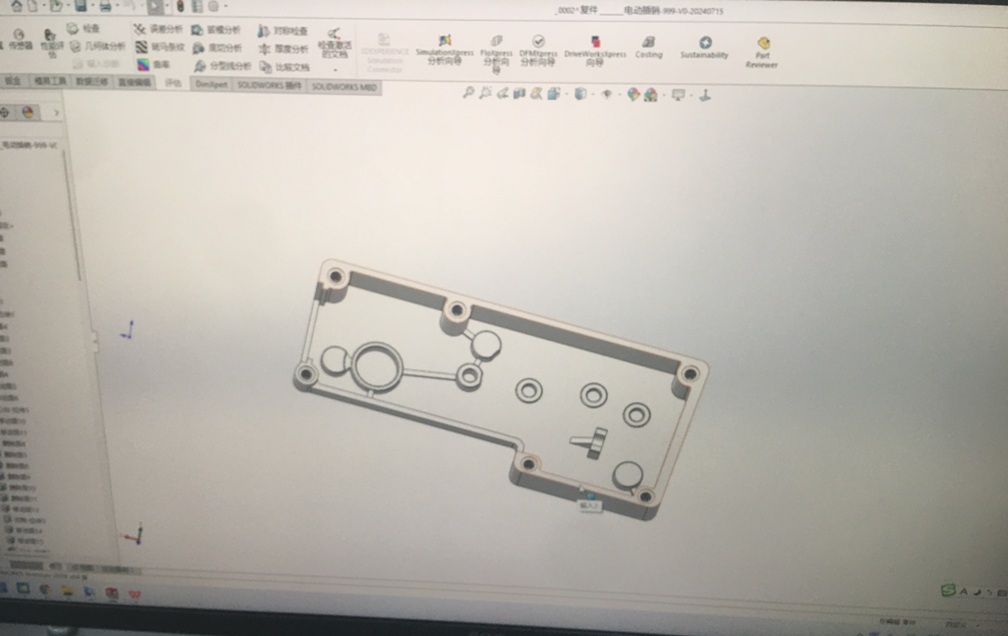
Through finite element analysis (FEA) and specialized thermal simulation testing chambers, we validate magnetic flux distribution and structural integrity before cutting molds.
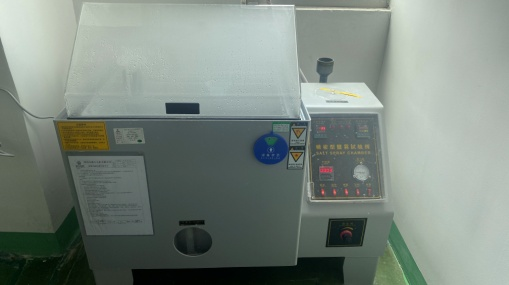
Our micro permanent magnet motors are assembled under controlled environment standards. Below is the workflow that transforms raw metals and magnets into highly reliable micro motion systems:

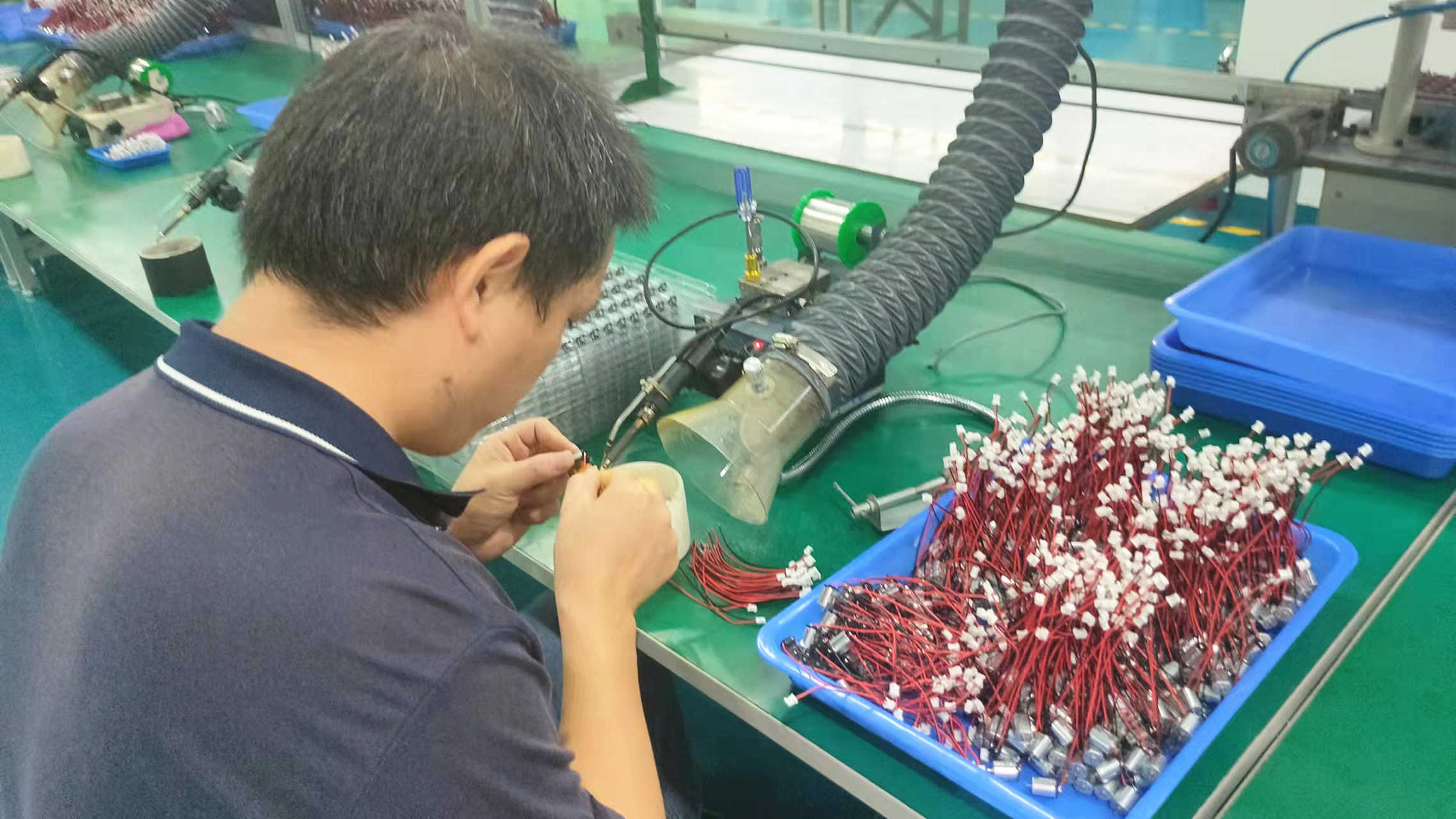
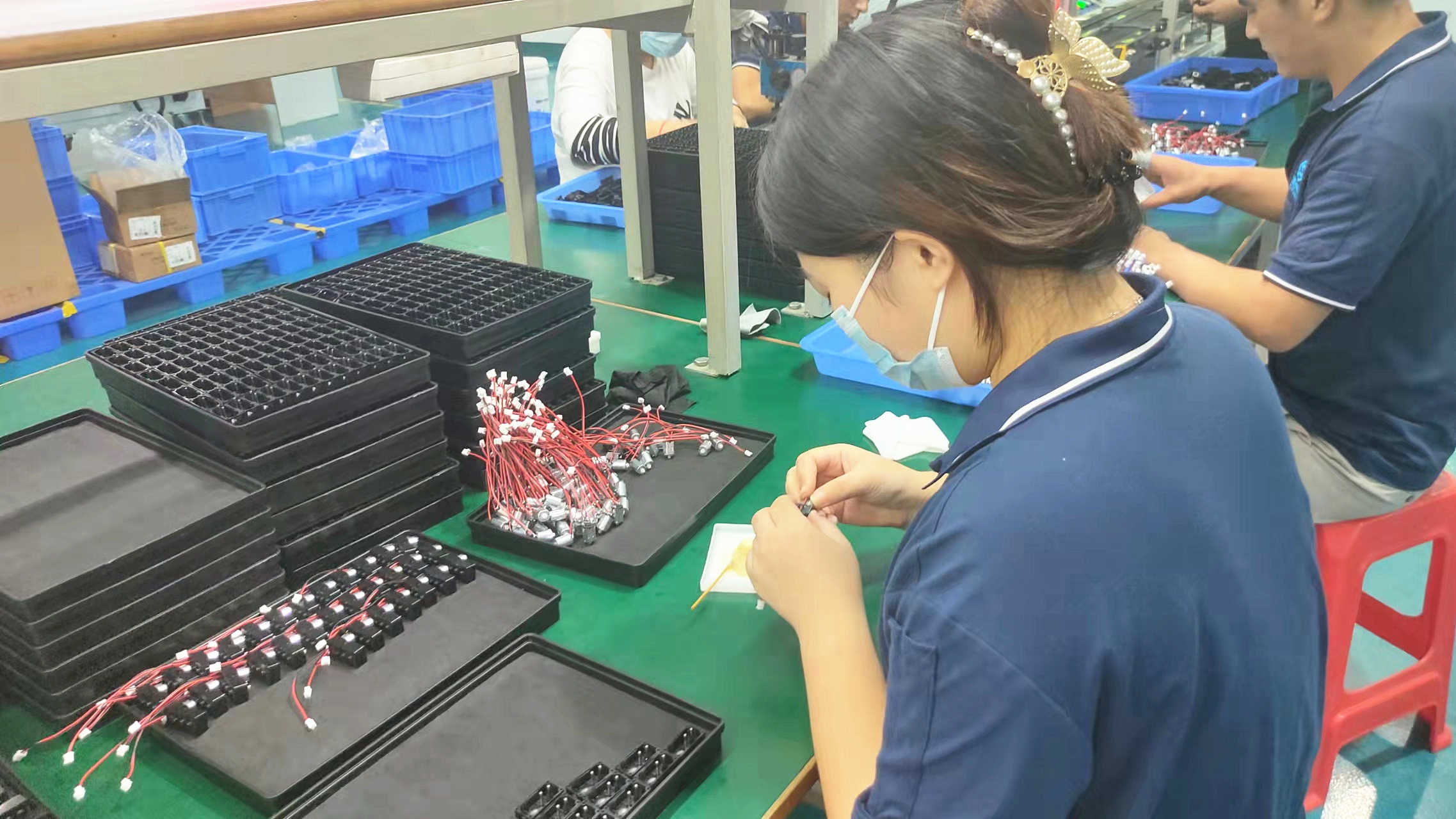
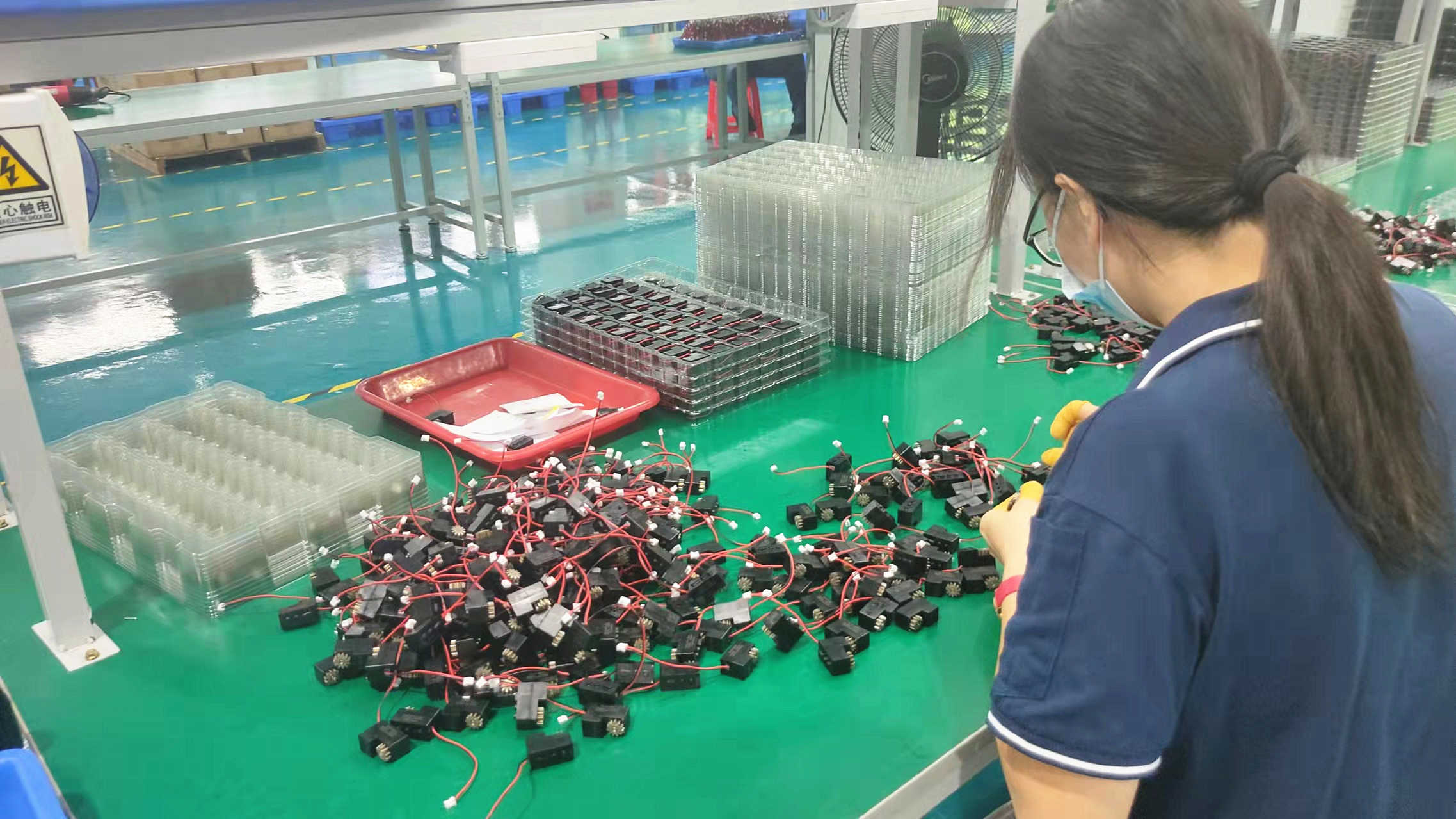
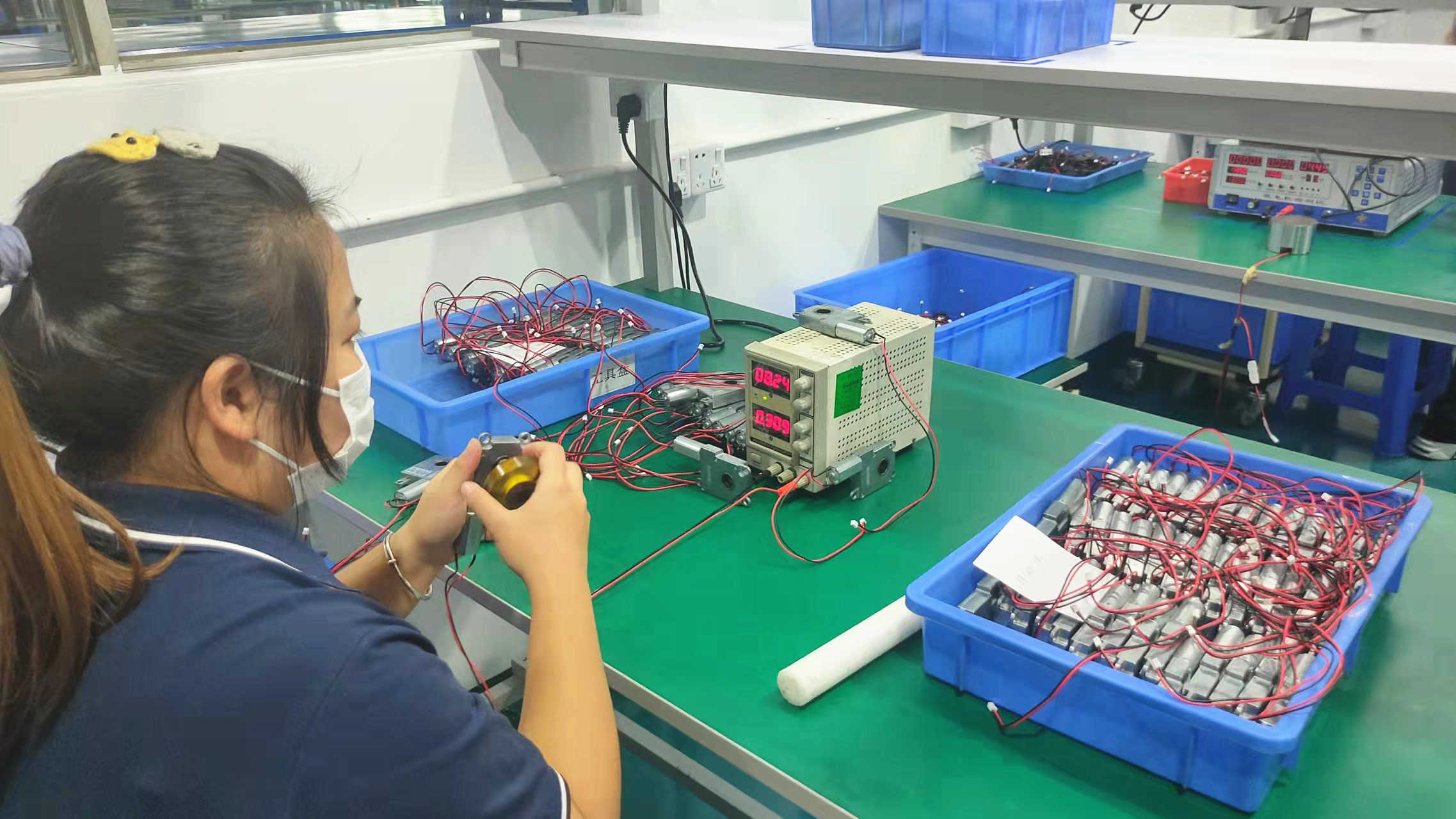
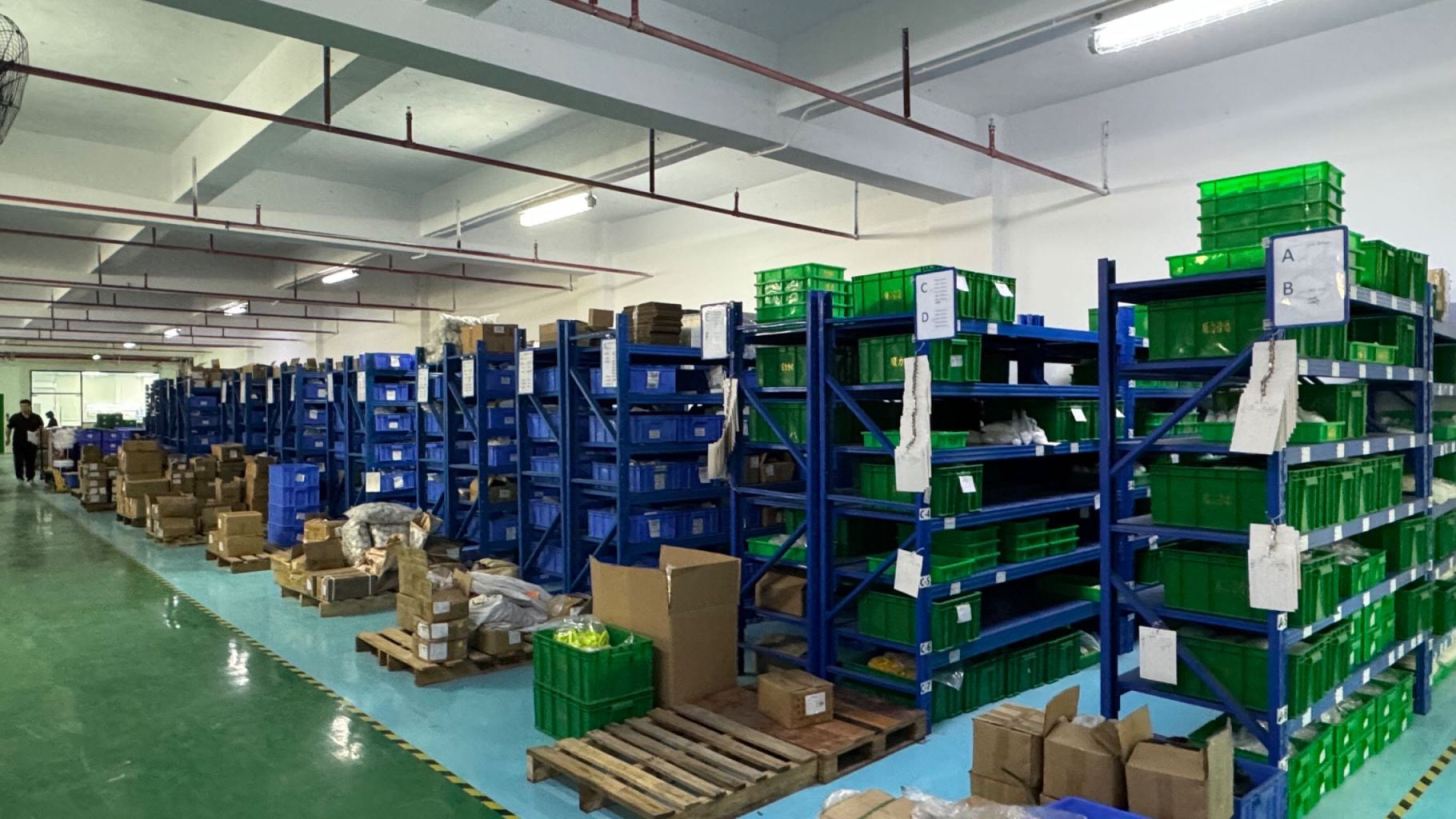
Our factory floor features specialized machinery designed for structural processing and micro-assembly. This high-precision infrastructure prevents dynamic vibration and thermal misalignment:
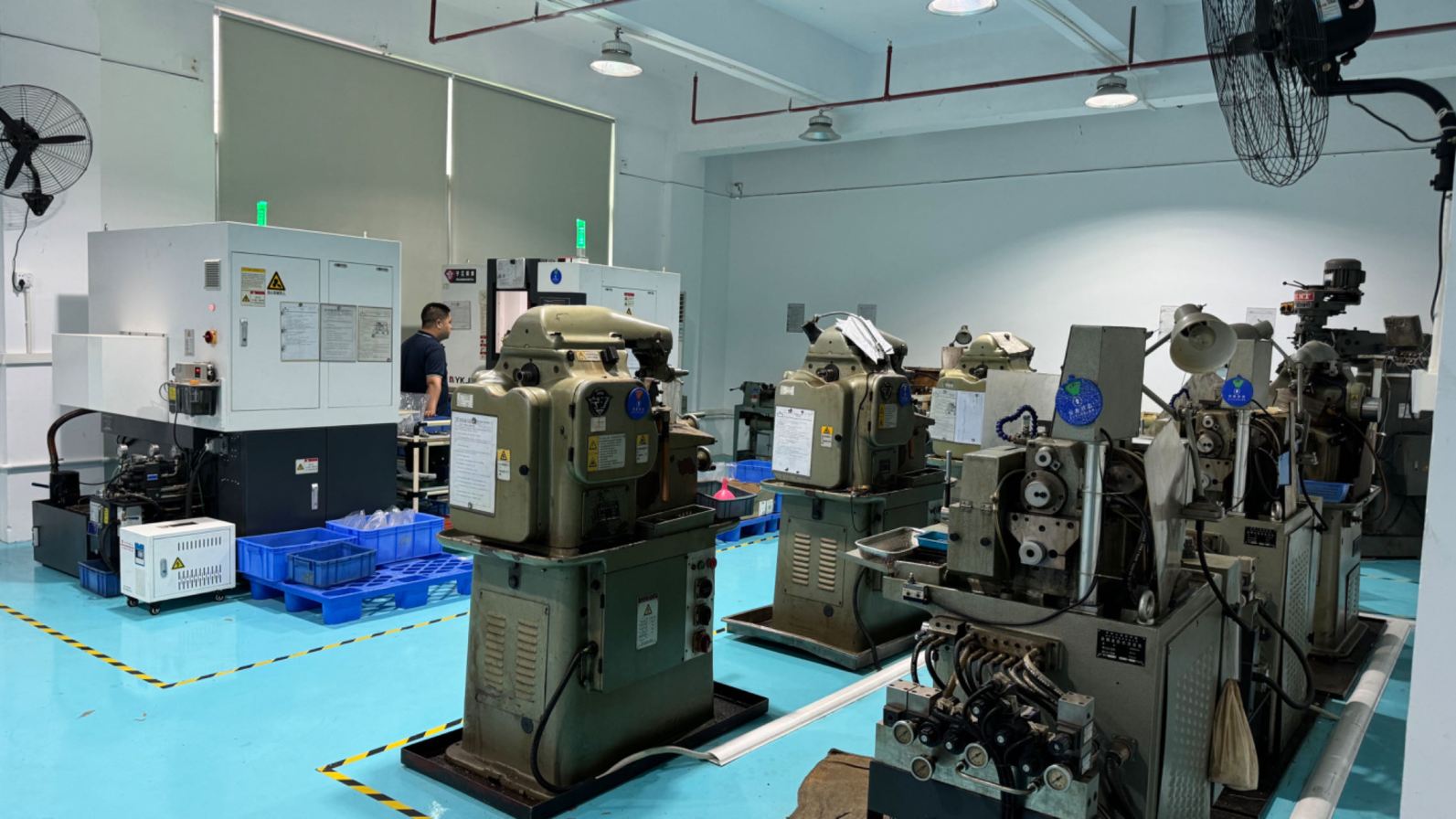
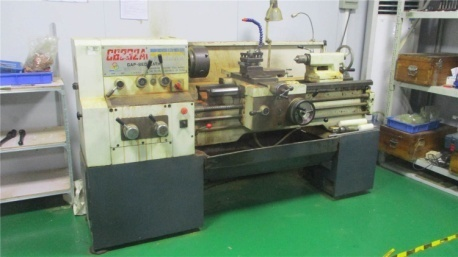
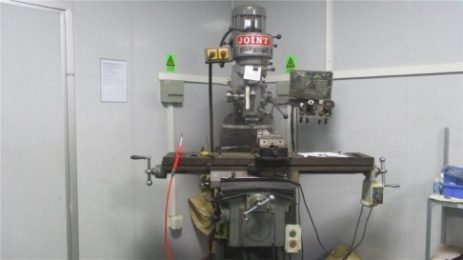
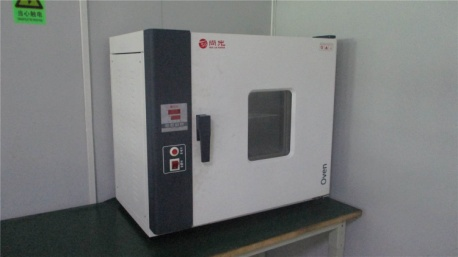
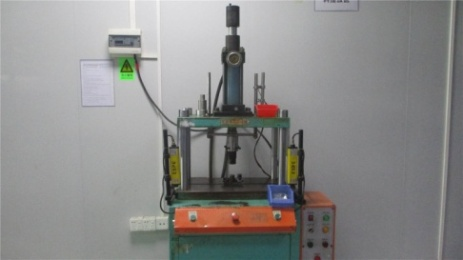
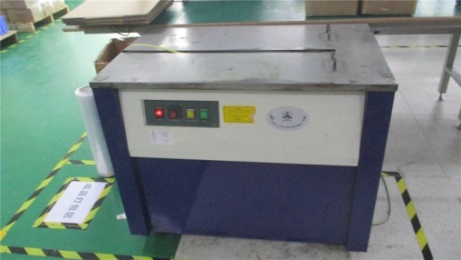
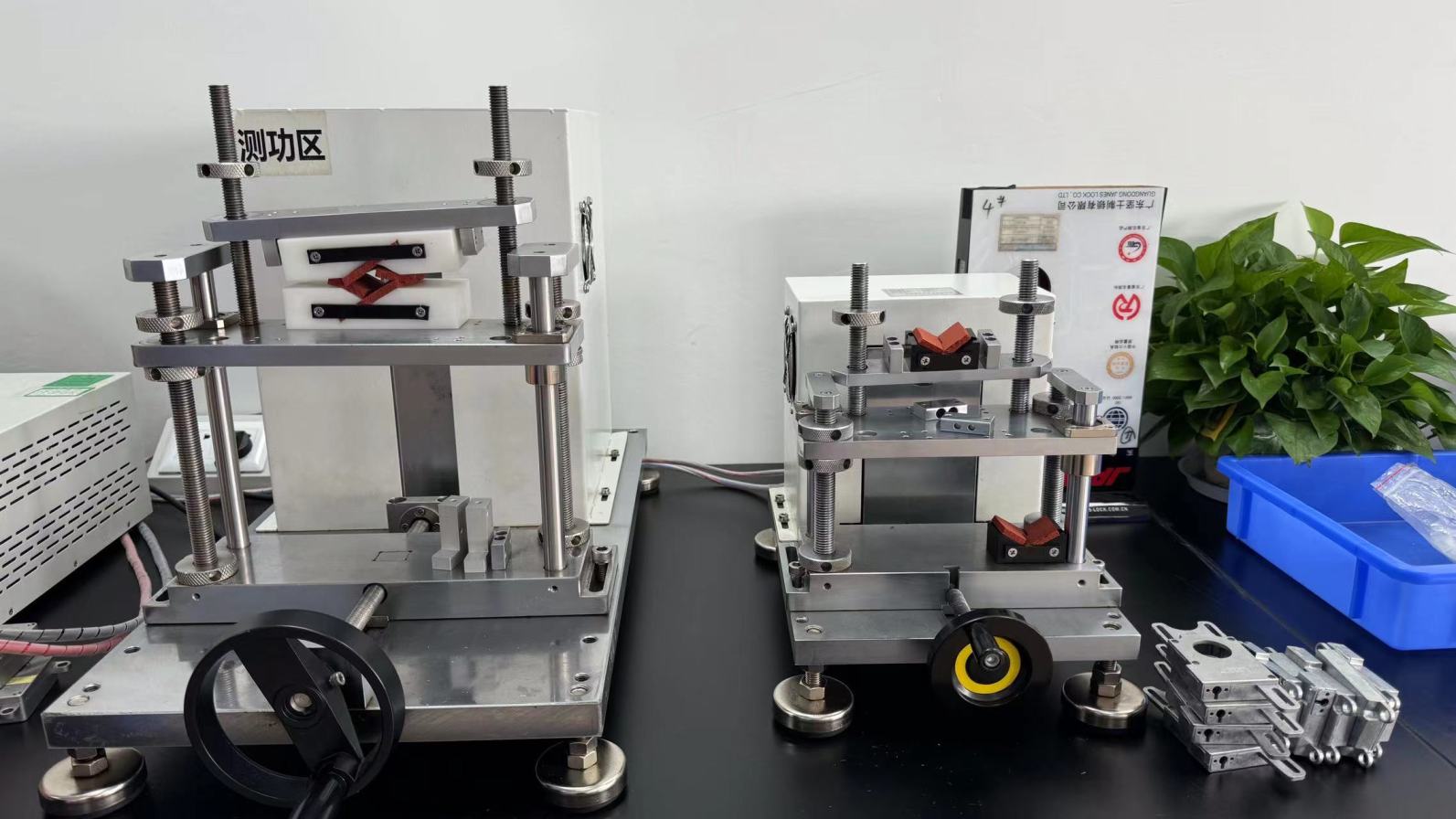
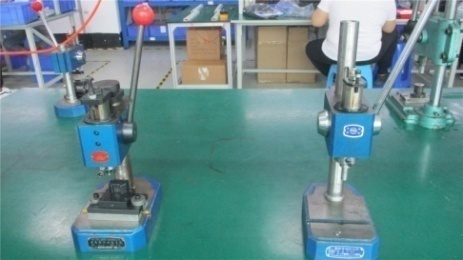
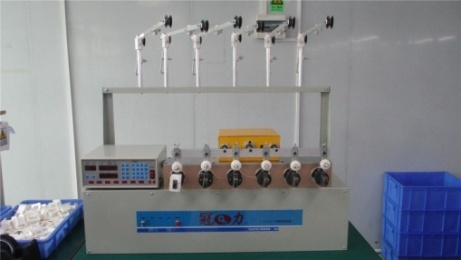
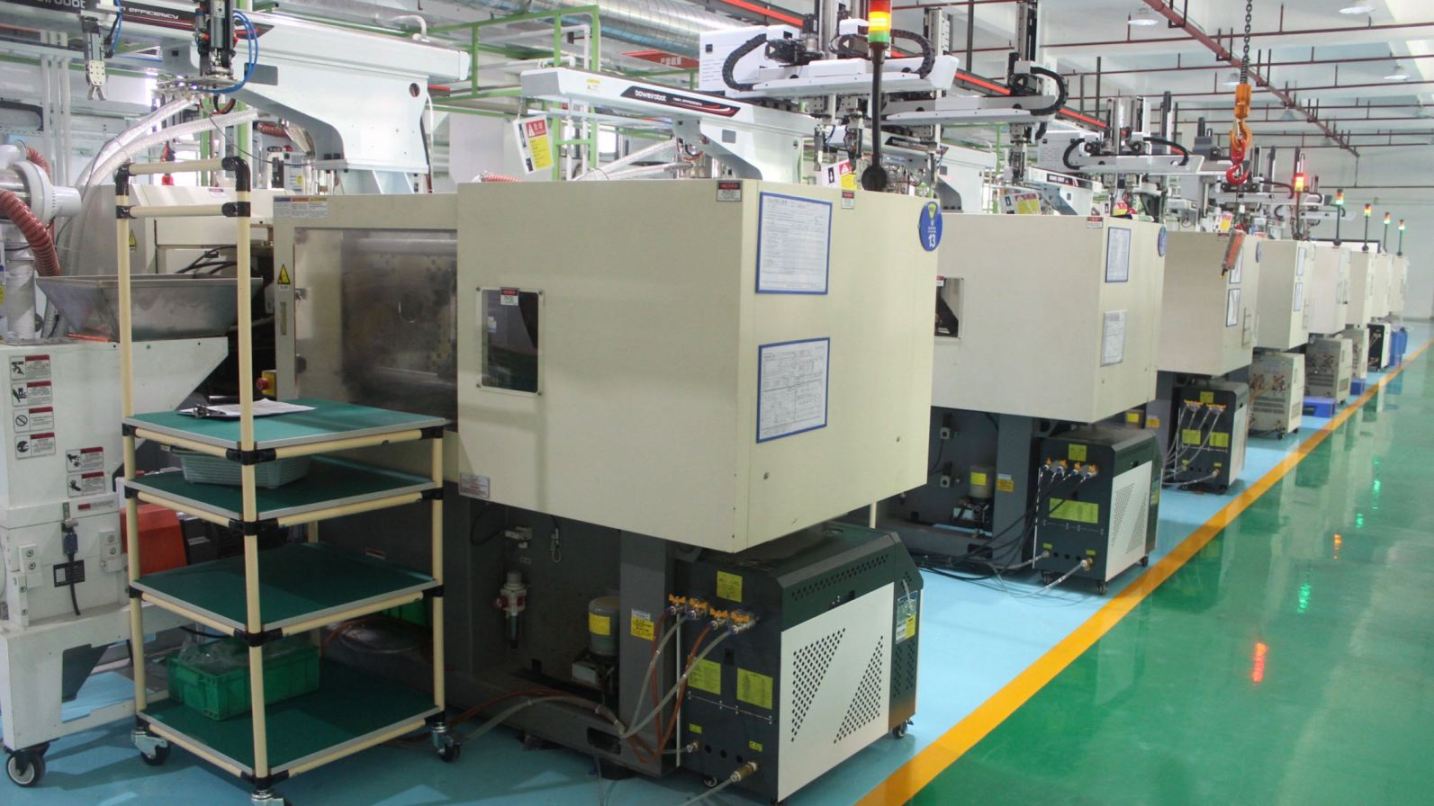
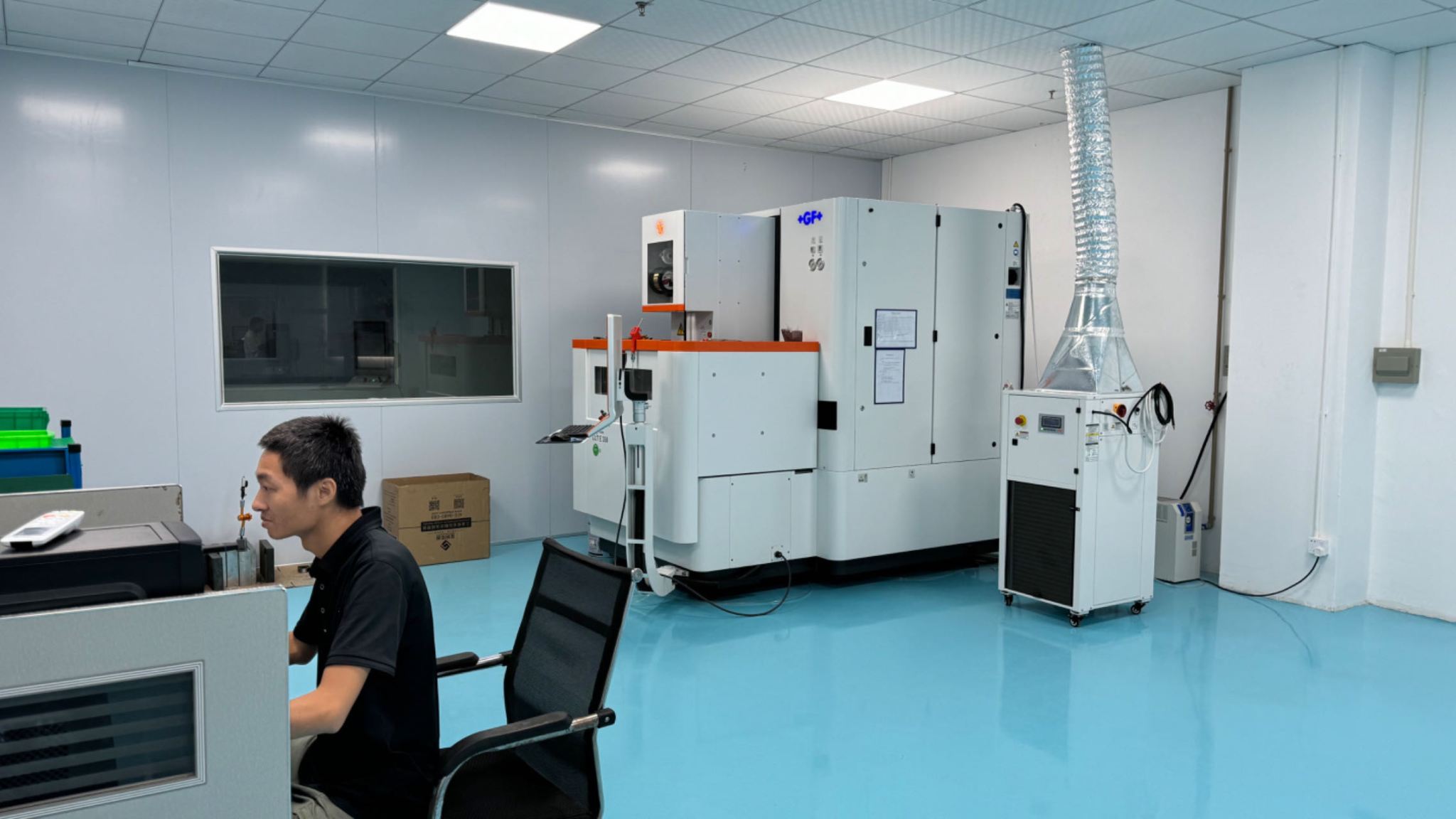
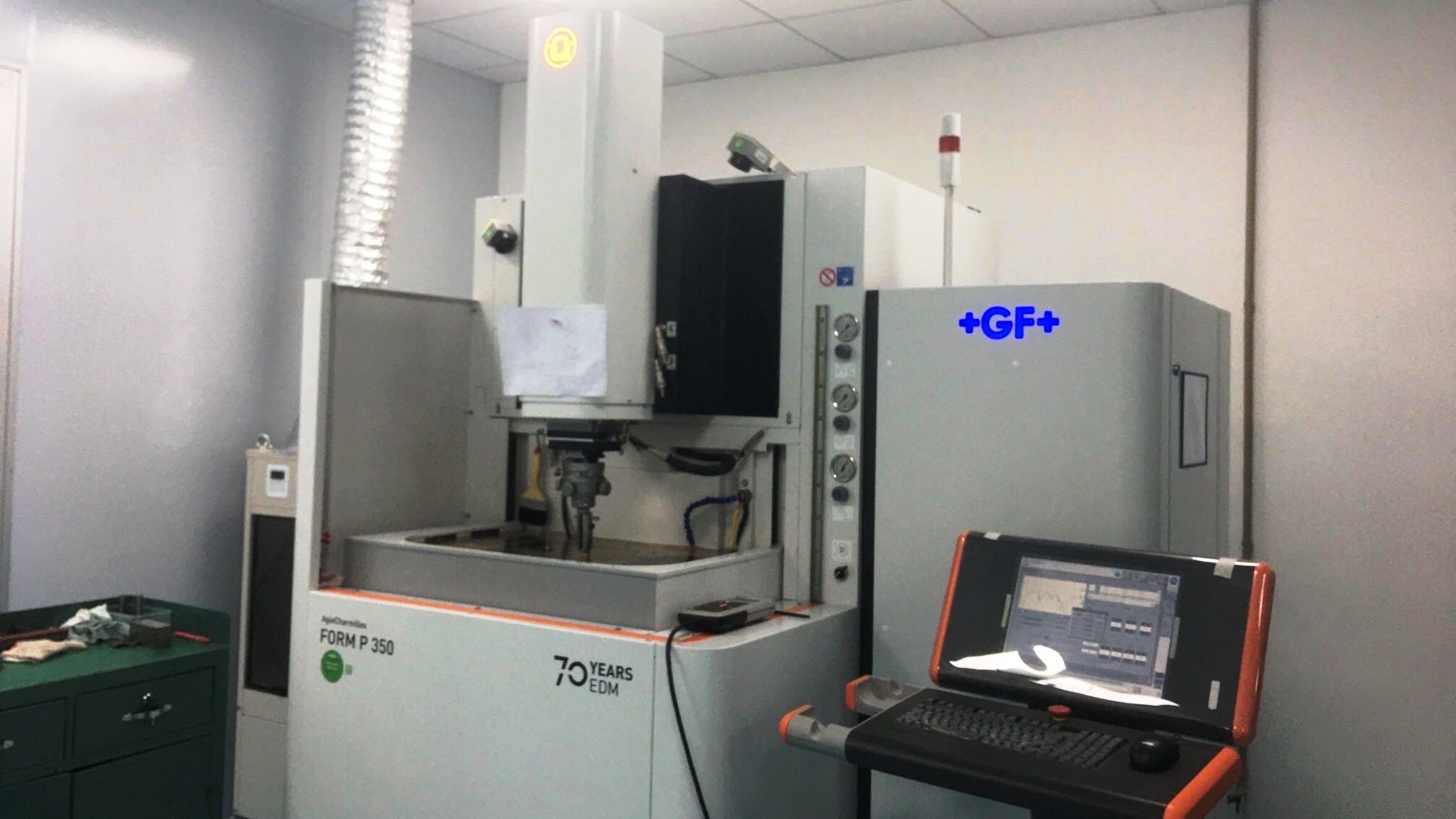
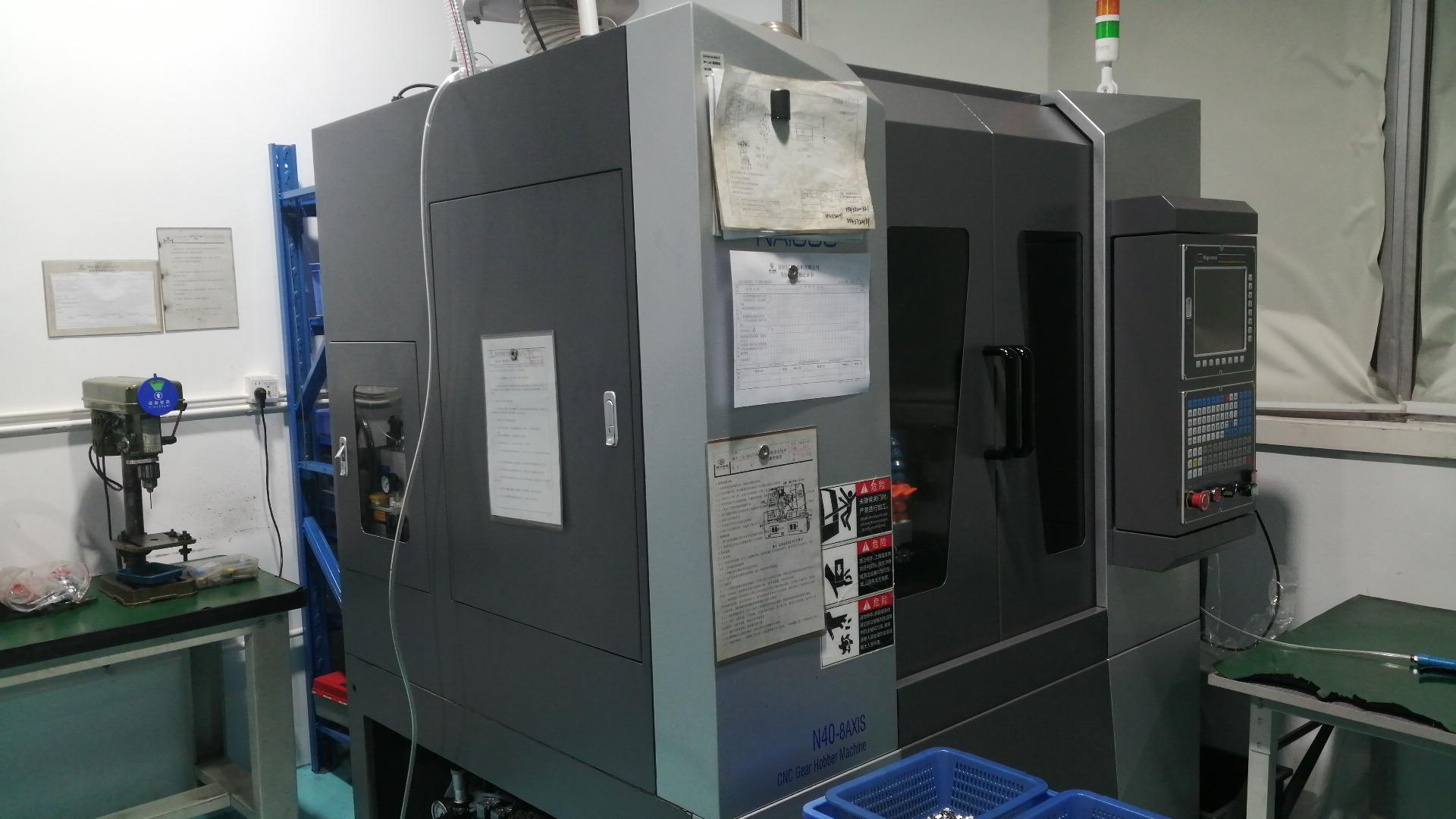
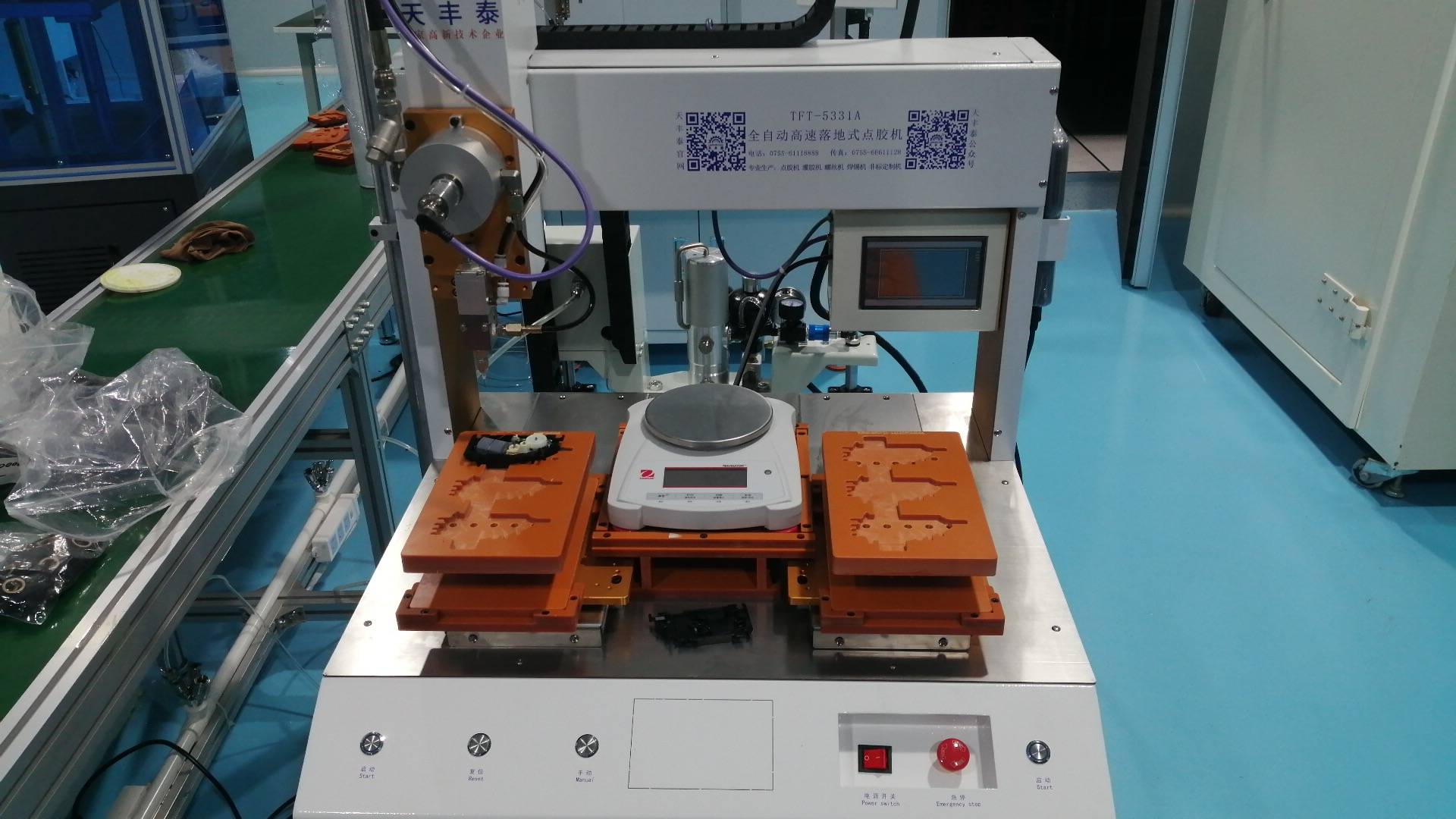
A closer look at our continuous manufacturing loops, tooling rooms, and customized assembly fixtures:

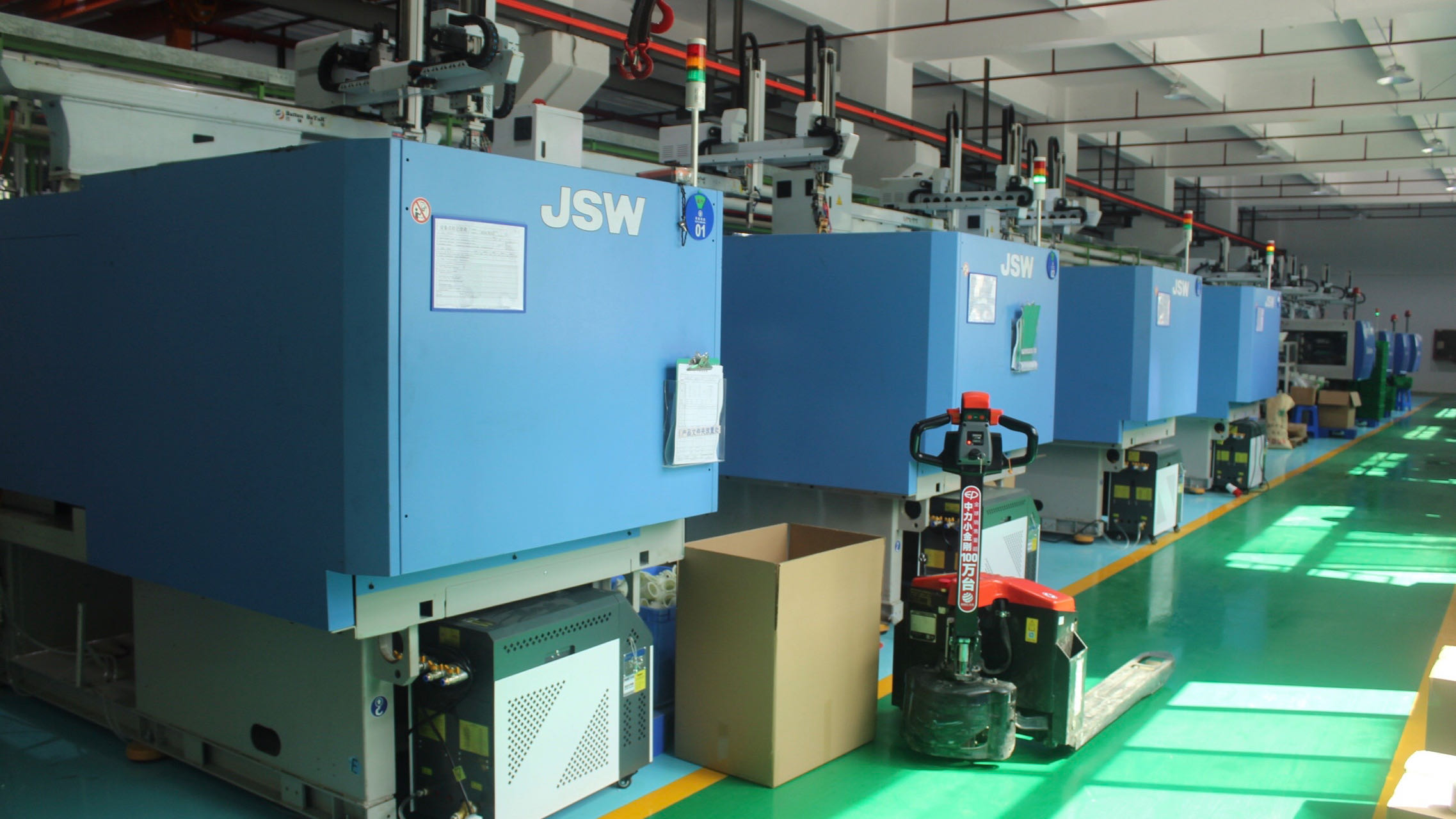
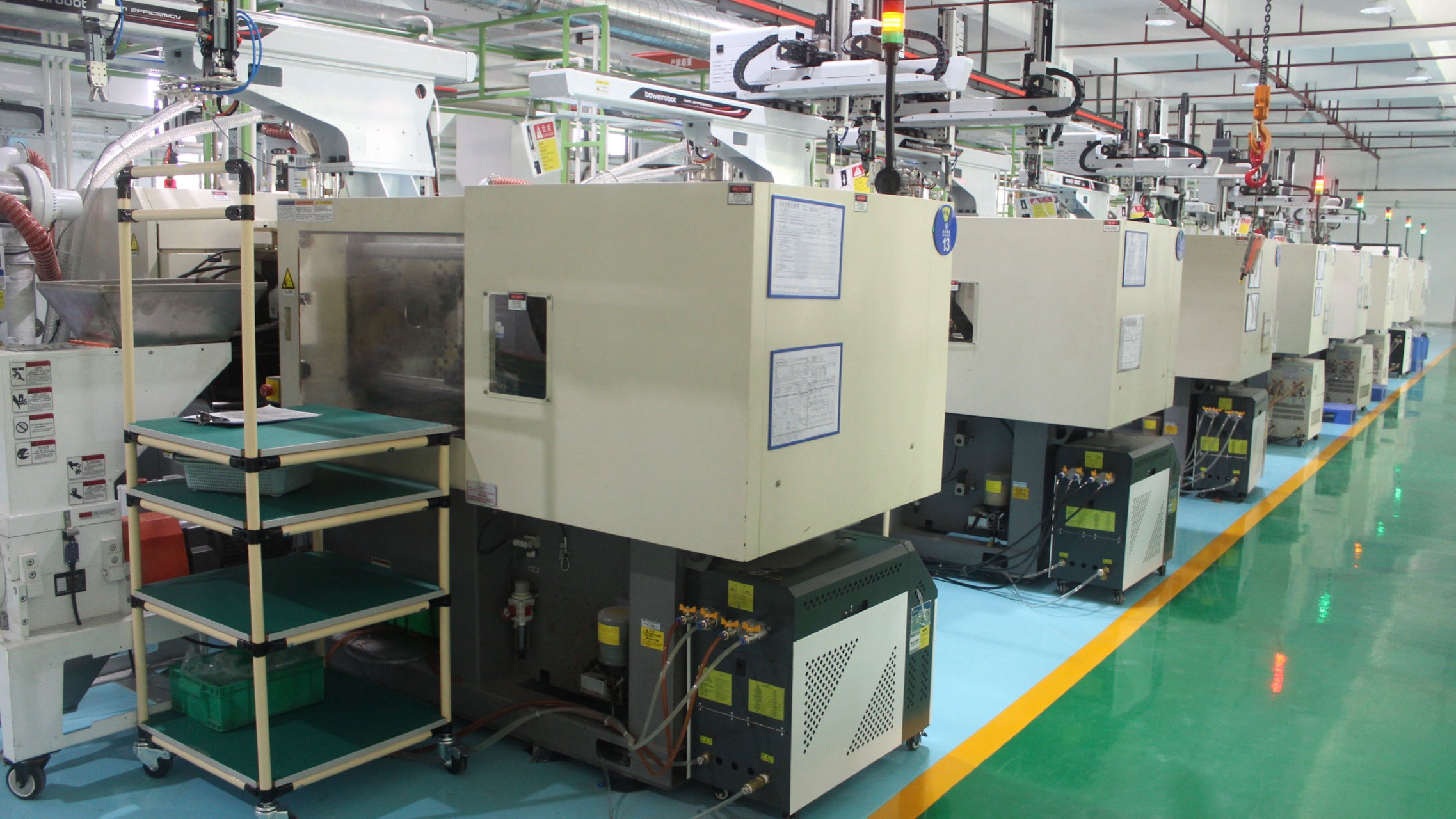
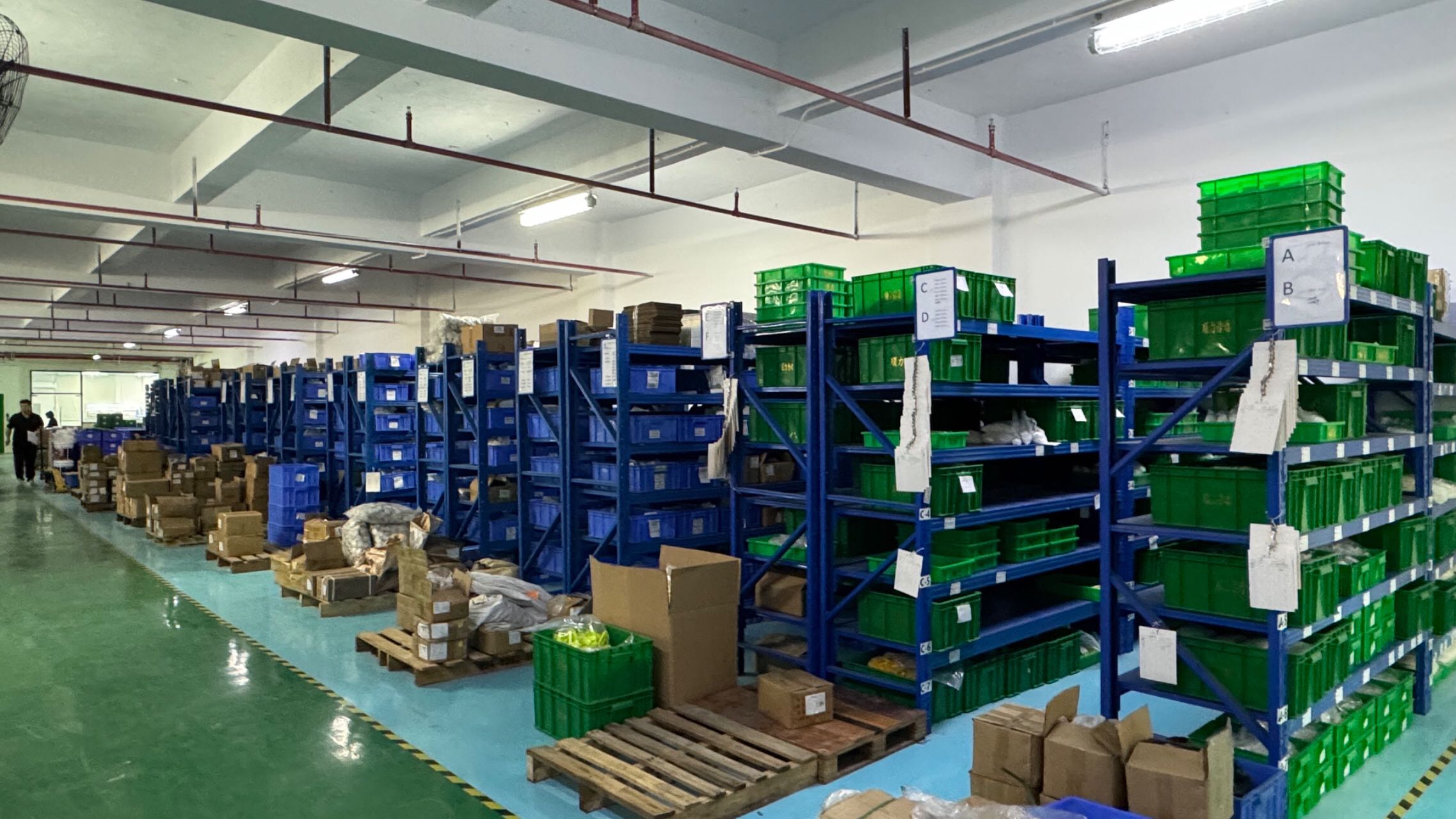
Our production complies with REACH, RoHS, CE, and UL standards. By utilizing non-toxic, eco-friendly surface passivation techniques for magnetic rotors, we ensure easy access to North American and European markets.
We work with international legal frameworks, offering formal Non-Disclosure Agreements (NDAs) to protect proprietary custom shaft modifications, gear tooth geometries, and winding designs.
Providing direct connection to field applications engineers (FAEs). From mechanical interface adjustments to integrating magnetic encoders or controller drives, our design teams align with your specifications.
When selecting a permanent magnet motor, engineers must balance torque density against thermal constraints and electrical parameters. The chart below details the tradeoffs of each technical integration choice:
| Motor Architecture | Key Strengths | Optimal Application | Typical Backlash / Precision |
|---|---|---|---|
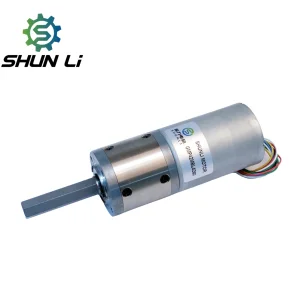
| BLDC (Brushless DC) | Long service life (>15,000 hrs), high efficiency, quiet operation, no commutator wear. | Lawn mowers, robot joints, constant duty fans. | Excellent when matched with high-resolution magnetic/optical encoders. |
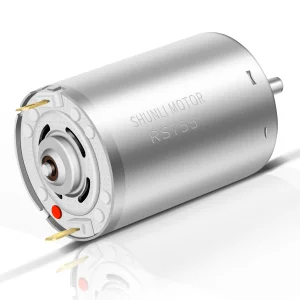
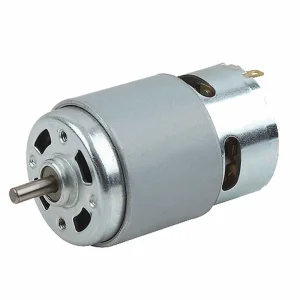
| PMDC (Brushed Permanent Magnet) | Simple drive control, cost-effective design, high starting torque. | Smart pet feeders, toy mechanisms, consumer massagers. | Standard tolerance, ideal for cost-sensitive projects. |
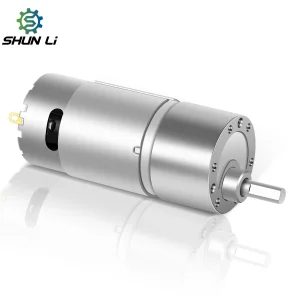
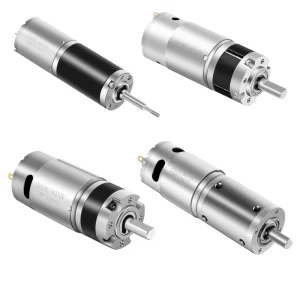
| Planetary Gearbox Reducer | High torque output in a compact diameter, concentric input/output shafts. | Medical pumps, heavy-duty smart locks, automated valves. | Precision gears offer backlash under 1.5° (custom down to <0.5°). |
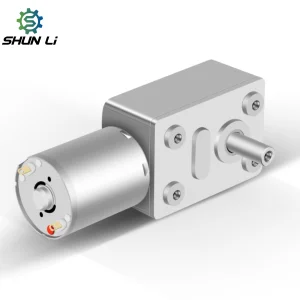
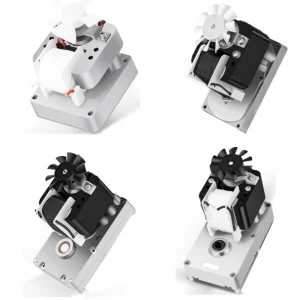
| Worm Geared System | Self-locking capabilities, high shock load absorption, 90-degree output configuration. | Stove pellet feeders, conveyor mechanisms. | Moderate backlash, high mechanical holding torque. |
The permanent magnet motor sector is evolving away from stand-alone power units toward integrated mechatronic systems. Key developments shaping global design requirements include:
Expert technical insights regarding sourcing, specifications, and performance limits.
Select from our standard designs or contact our engineering team to discuss custom specifications.